
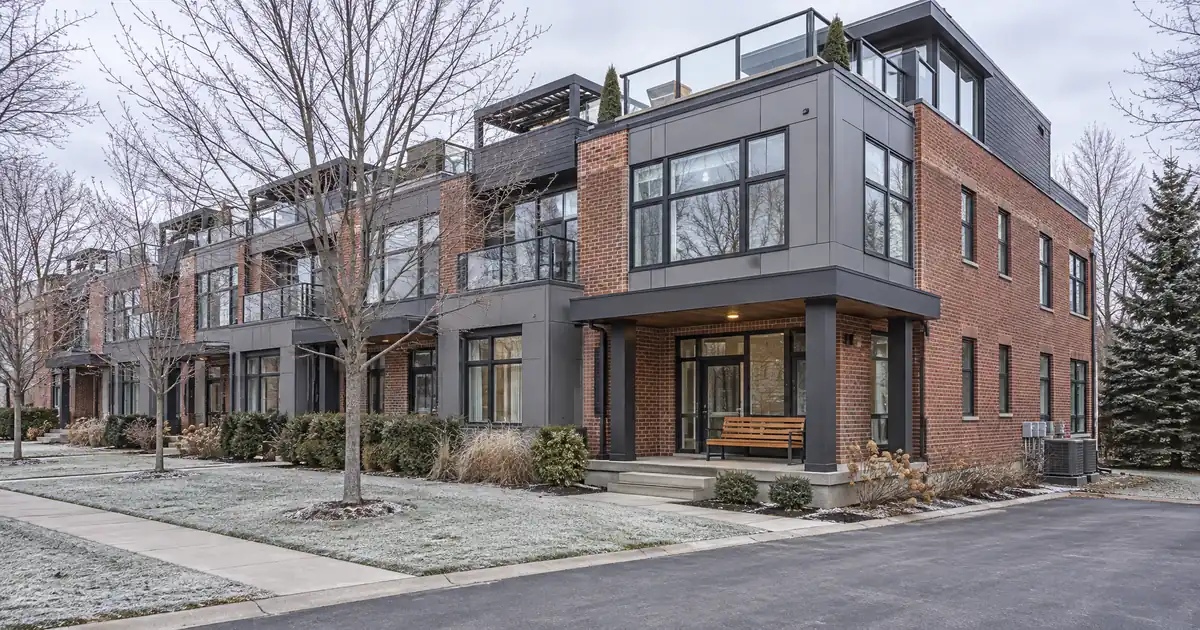
The Quick Read: Neither product sidesteps a lawsuit against the association, because the lender reviews the building either way; the real choice is a lump sum versus a line, and on Lendmire’s wholesale network the line behaves like a hybrid, with at least 75% drawn at closing.
- Both products are underwritten on you personally (credit, debts, equity), and both include a review of the condo building.
- A condo held in an LLC generally cannot take either one as titled. The network’s line requires an individual or a revocable living trust on title.
- On an investment-property line in the network, the ceiling is 70% CLTV (combined loan-to-value, meaning all liens against the property), with a 700 minimum credit score and a $500,000 maximum line.
- A DSCR cash-out refinance qualifies primarily on property-level rental income covering the payment, subject to lender guidelines.
Here is the honest answer on who each option is for. A HELOC (home equity line of credit, a credit line secured by your property) suits the owner who wants a standing line and room to stage spending. A home equity loan (a one-time lump sum repaid on a set schedule) suits the owner with one known expense and a preference for a steady repayment schedule. Litigation does not pick a winner between them. It decides whether either lender will touch the building at all.
How large a line the equity supports.
An equity line is sized by combined loan-to-value, occupancy, and credit — not by rental coverage. Switch the occupancy or the credit band and the ceiling moves with it.
Investment-property lines require a 700 minimum credit score; second-home lines start at a 640 minimum and primary-residence lines at 600, and the combined-LTV ceiling steps down as the credit band drops on primary-residence and second-home lines and holds on investment-property lines; the line cap steps down on primary-residence lines and holds at every tier on investment-property and second-home lines.
A debt-to-income ratio above 45% requires 680+ credit. Profiles under 640 are limited to single-family homes. At least 75% of the approved line is drawn at closing. Ceilings, floors, and caps update from Lendmire’s centralized guideline source.
Line estimate
Illustrative estimate only — not a quote, Loan Estimate, approval, or commitment to lend. The rate is an editable assumption; equity-line pricing is variable through both the draw and repayment periods and never converts to fixed. Occupancy and credit drive the ceiling together: an investment property tops out at 70% combined LTV (minimum credit 700, line cap $500,000); a second home tops out at 90% combined LTV (minimum credit 640, line cap $500,000), with the ceiling stepping down as the credit band drops (the cap holds at every tier); a primary residence tops out at 90% combined LTV (minimum credit 600), and its $750,000 maximum line is available only at 75% combined LTV or below with a 700-or-better credit profile (720 on the longer-runway program) and a full appraisal. Lines above $500,000 require a full appraisal. Credit, debt-to-income, property type, and full underwriting review all affect the final line.
Side-by-Side: HELOC vs. Home Equity Loan
The left column below reflects Lendmire’s wholesale network. The right column shows published industry norms, which vary by lender.
| Factor | HELOC (Lendmire network) | Home equity loan (industry norms) |
|---|---|---|
| How funds arrive | Line; at least 75% drawn at closing | One lump sum at closing |
| Review basis | Credit, DTI (50% max), equity | Credit, DTI, equity |
| Condo types | Condos incl. Non-warrantable; no condotels | Varies; many avoid litigated buildings |
| Entity vesting | Individual or revocable trust only | Usually personal; LLC titles often excluded |
| Leverage and credit | Investment: 70% CLTV, 700+ score | Set by each lender |
| Building litigation | Reviewed file by file | Reviewed file by file; many pause |
Two cells deserve a plain-English note. DTI is debt-to-income, the share of your monthly income that goes to debt. And “non-warrantable” is a label for a condo project that misses mainstream project standards, often over litigation, weak reserves, or heavy investor ownership. A non-warrantable building can still be eligible on the network. That does not mean any particular lawsuit gets waved through.
On a primary residence, ceilings step up with credit: 85% CLTV from a 660 score on lines up to $500,000, and up to 90% CLTV only at a 720-or-better profile. Second homes follow a similar ladder, again reaching 90% only at 720 or better. Investment properties never get above 70% CLTV on this network.
Availability is narrower than the DSCR side of the business. The home equity line is placed in 16 full-service states, while DSCR investor loans run across 41 markets, including Washington, D.C.
When a HELOC Is the Better Fit
A HELOC fits when your costs are uncertain or arrive in stages. A litigated building is exactly that kind of situation. Special assessments, repair costs, and legal fees can land on an irregular schedule.
On the network, the line carries an interest-only draw period before it begins amortizing. Investment lines run a 5-year draw and a 25-year repayment. Primary residences and second homes can choose between that structure and a 3-year draw with a 17-year repayment. Interest-only during the draw is a breathing-room feature while a case works its way through the courts.
Lien position matters too. The network places a standalone line in first or second position. So a condo you own free and clear can take a line without any existing mortgage to work around, and a condo with a mortgage can take it behind that mortgage.
The honest limits come next. At least 75% of the line is drawn at closing, so you get less “borrow only when needed” flexibility than the word HELOC suggests. The payment on a line can also change over time, unlike a set-schedule loan. And qualification is conservative: the line is tested on the interest-only payment calculated on the maximum draw. In other words, the lender sizes your DTI as if you had borrowed the whole line.
Rental condos need extra care. Market surveys report investment-property HELOC ceilings as high as 80%, with many lenders sitting below 70%, and note a smaller lender pool and lower borrowing limits than on a primary home, per NerdWallet. On Lendmire’s network, an investment-property line tops out at 70% CLTV. A litigation flag then shrinks that already thin pool further.
When a Home Equity Loan Is the Better Fit
A home equity loan fits when you know the number. Say you need a single repair bill covered, or a fixed buyout of a co-owner. You borrow once, and you repay on a set schedule. The CFPB describes the loan as a set amount paid out as a lump sum, while a HELOC is a revolving line you draw on repeatedly. Both become a second mortgage if a first mortgage already exists.
That predictability helps when the building’s finances are unstable. If dues climb and an assessment arrives, a set-schedule loan keeps one part of your budget from moving. A line can change over time.
There is also a structural point in the lender’s favor. A home equity loan funds once, so the lender’s exposure is fixed at closing. A line is a standing commitment. That can make some lenders more cautious about a building with an open lawsuit. But no neutral source shows lenders treating the two products differently on litigation, so read that as a structural possibility, not a rule.
The tradeoffs are plain. You get no standing line and no second draw. You qualify on personal credit and debts, with the same title restrictions as a HELOC. For investment condos, lump-sum home equity loans can be scarce, and terms are set lender by lender. Check the specific lender’s guidelines before you plan around one.
How Litigation Changes the Picture for Both
Litigation is a project-level question, not a product-level one. Both lenders order the same kind of building review, and a suit against the association can stop either file. CBS News reports that condo approval depends more on the building than approval for a detached home does. Treat that as a general-market pattern, not a guarantee for every lender.
Lenders sort a lawsuit by a few questions:
- Who is suing whom? A claim against the association by owners or a developer carries more weight than a collection action by the association.
- What is alleged? Safety or structural defects are the most serious category. Routine claims are treated more leniently.
- Is insurance defending it? A covered claim reads very differently from an uninsured one.
- How big is the exposure against the association’s reserves? A claim that could dwarf reserves raises the odds of a special assessment.
- Is anything pre-litigation? Demand letters and arbitration that look headed to court can be treated like a filed suit.
The paperwork decides borderline cases. Expect the lender to send a condo questionnaire to the association or its management company. It typically covers finances, insurance, ownership mix, assessments, rentals, and legal matters. Supporting documents often include the budget, financial statements, reserve study, master insurance policy, meeting minutes, and a letter from the association’s attorney on the claim and its likely exposure. A manager’s verbal assurance that a suit is minor won’t carry a file.
One more structural point separates the two products. The CFPB’s HELOC booklet notes that a lender can reduce a credit line if the home’s value declines. A building with a long-running suit could, in principle, weigh on value or marketability after closing. A lump-sum loan does not carry that same open-ended risk to you. This is a feature of the line, not a litigation rule.
Dues matter regardless of product. They sit inside the monthly cost of owning the unit and count in your debt ratios. Assessments from a lawsuit or repairs add to that load.
Here is a practitioner-level pattern across Lendmire’s wholesale network. Lenders vary widely on how they read a litigated building, even when each accepts non-warrantable condos in general. Getting the litigation documents in hand before you pick a product often shapes the choice more than the product comparison does.
Title and Entity: The Sharpest Divider
Both products are personal credit. The network’s line requires that an individual borrower or a revocable living trust holds title. LLCs, corporations, partnerships, and irrevocable, blind, or land trusts cannot hold title. A few portfolio lenders elsewhere may lend to an entity with a personal guarantee, but that is the exception.
That matters because many investors hold rental condos in an LLC. You have three practical options. You can change the vesting to your own name or a revocable trust. You can borrow against a different, personally titled property, which avoids the condo building’s review entirely. Or you can move to a DSCR cash-out refinance, which can close in an entity’s name, subject to lender program eligibility. Weigh the vesting change against any loan or insurance terms before you retitle.
When Neither Fits: The DSCR Route
If the building fails review or the unit sits in an LLC, a DSCR cash-out refinance is the usual alternative. DSCR (debt service coverage ratio) compares a property’s rent to its full monthly obligation: principal, interest, taxes, insurance, and any HOA dues. DSCR loans are designed for non-owner-occupied investment properties. Because they are business-purpose investor loans, they are reviewed differently from a standard owner-occupied mortgage. Lendmire’s complete DSCR loans guide walks through the full structure.
Here are the typical ranges across the network, framed as guidance, not promises:
- Cash-out leverage: a cash-out refinance on a standard long-term rental tops out around 75% LTV, with about 6 months of seasoning a common expectation.
- Coverage: 1.00 is where many select programs start. A separate select-lender path takes coverage below 1.00, with leverage and terms adjusted. Stronger ratios open better pricing and leverage.
- Credit: a 620 floor exists in parts of the network. Most programs want around 660, and 700 or better unlocks the strongest leverage tiers.
- Loan size: up to $3,000,000 on standard programs, with smaller balances available through select lenders.
- Reserves: commonly around 6 months of PITIA (principal, interest, taxes, insurance, and association dues), though they vary by lender, leverage, loan size, and transaction type.
A caution on the ratio. Clearing 1.00 does not mean the property produces positive cash flow. Repairs, vacancy, management, utilities, and capex all sit outside the calculation. Special assessments from a lawsuit also hit your real cash flow even if the ratio looks fine.
The building review still applies here. A DSCR lender looks at the same underlying risks, and each lender reads a lawsuit on its own terms. For a deeper look at how the two lines of credit compare on a litigated condo, see Lendmire’s piece DSCR HELOC vs DSCR Cash-Out Refinance on a Condo When the Building Is in Litigation. To see how a rental-based line works step by step, read how to qualify for a DSCR HELOC on a condo when the building is in litigation.
Skip the Wrong Fit: Quick Decision Rules
Use these as a first filter, not a verdict:
- Known, single expense and a preference for a set schedule: lean to the home equity loan.
- Uncertain or staged costs while a case plays out: lean to the HELOC, knowing most of it draws at closing on the network.
- Condo in an LLC: neither as titled. Plan for vesting changes or a DSCR cash-out.
- Active suit alleging structural or safety defects: expect either product to be hard to place. Consider borrowing against a different property.
- Case near settlement: waiting can reopen options, since a resolved case lets lenders re-review the project.
- Rental condo with strong rent: a DSCR route may suit better than personal-credit products.
The Verdict
It’s a toss-up on the product and a firm “it depends” on the building. The lump sum wins on predictability. The line wins on staging and breathing room. But a lawsuit against the association can sink either file before product features matter.
So work the building first. Pull the questionnaire, the insurance position, and the attorney letter. Then pick the product that fits your title, your leverage, and your timing needs. The strongest files clear two tests: enough equity and a building a lender will accept.
Next Step
If you are considering a home equity line and want to see how the numbers work, Lendmire can help you compare HELOC options based on the property, the equity available, credit profile, combined leverage, and your goals. Reach the team at 828-256-2183. Lendmire is a broker that arranges financing through select lenders in its wholesale network. Every figure is subject to lender guidelines and full file review, and nothing here is a commitment to lend.
Frequently Asked Questions
Can I get a HELOC on a condo when the HOA is being sued?
Sometimes, but the lawsuit is reviewed before the loan is. The type of claim, who is named, whether insurance is defending it, and the exposure against reserves all matter. Many home equity lenders pause approvals on litigated buildings, per CBS News. On Lendmire’s network, non-warrantable condos are eligible, but each lender reads the suit on its own terms.
Is a home equity loan easier to get than a HELOC on a litigated building?
Not on any evidence available. Both go through the same building review, and no neutral source shows lenders splitting the two on litigation. The difference lies in repayment and access. A lump sum is fixed at closing, while a line stays open and can be reduced if value falls.
Can an LLC-owned condo get a HELOC or home equity loan?
Generally not as titled. The network’s line requires an individual or a revocable living trust on title, and many lenders follow the same personal-credit pattern on home equity loans. A vesting change, a different personally titled property, or a DSCR cash-out are the usual alternatives, subject to lender program eligibility.
Should I wait for the lawsuit to settle before applying?
It depends on how close the case is and how urgent your need is. A settled or dismissed case lets lenders re-review the project, and eligibility can widen. If the case is far from resolution and you need funds, a different collateral property or a DSCR route may be worth comparing.
How much can I borrow against a rental condo with a home equity line?
On Lendmire’s network, an investment-property line tops out at 70% CLTV, with a 700 minimum credit score and a $500,000 maximum line. Owner-occupied tiers run higher, with 90% CLTV available only at a 720-or-better profile. These are typical ranges, subject to lender guidelines and file review.
About Lendmire
As a mortgage broker (NMLS# 2371349), Lendmire helps homeowners and real estate investors in its 16 full-service states open home equity lines of credit arranged through wholesale lenders. Lendmire is never the lender; line amounts, ceilings and terms are set by the lender under its guidelines. Scotsman Guide named Lendmire a Top Mortgage Workplace in both 2025 and 2026.
Get Started
Ready to find the right loan for you?
See your offer in seconds. No credit pull, no obligation.
Informational only. Not a Loan Estimate, approval, or commitment to lend. Program availability and eligibility are subject to lender guidelines, credit approval, property review, and underwriting.
References
1. NerdWallet
2. CFPB
3. CBS News
This article is part of Lendmire’s HELOC & home equity loan program — full qualification details, guidelines, and scenarios live on the program page.
Related reading: HELOC vs Home Equity Loan After a Quitclaim Deed · HELOC vs Home Equity Loan on an Inherited Home When Heirs Refuse to Sell · Can You Get an Investment Property HELOC While Still on the Original Home Loan?
Brandon Miller
Founder & CEO, Mortgage Loan Originator, Lendmire LLC
- Mortgage Loan Originator · NMLS# 1129696 · Verify on NMLS Consumer Access
- North Carolina Real Estate Broker · License# 343312 · Verify on NCREC
- North Carolina Insurance Producer · License# 19053198 · Property, Casualty, Life, Health · Verify on NAIC SBS
- Lendmire LLC · Firm NMLS# 2371349 · Verify firm licensure
Disclosure information. Lendmire is a state-licensed mortgage brokerage under NMLS# 2371349. Lendmire is not a depository institution, direct lender, or financial advisor — all loans referenced are placed through wholesale lender partners and are subject to each lender's underwriting standards. This article is provided for general informational purposes and is not a commitment to lend, nor does it constitute financial, legal, or tax advice. Loan programs, terms, rates, and qualification standards change without notice and depend on borrower profile, property type, and the state in which the subject property is located. Equal Housing Opportunity provider. NMLS Consumer Access: nmlsconsumeraccess.org.