
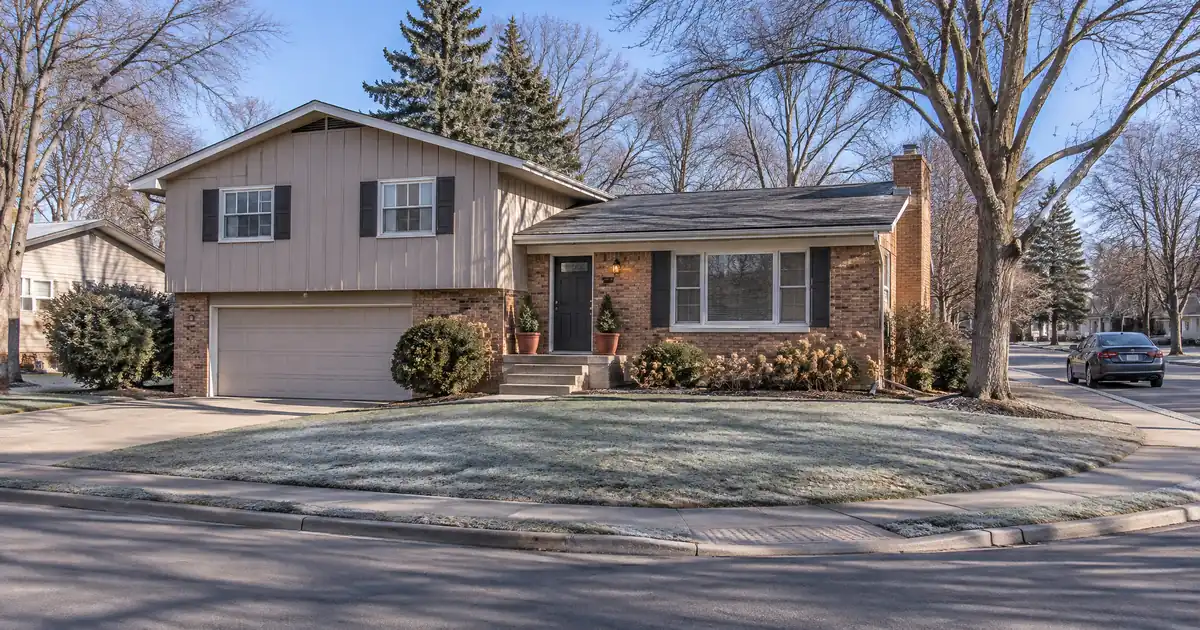
The Quick Read: You may be able to borrow against your former home after you rent it out and keep your original mortgage. The lender needs to know about your move, whether you have a lease and how you’ll repay the line.
- Your use of the home matters. Tell the lender if you still live there, have moved out or already have a tenant. A planned move belongs in the conversation even if you apply before packing.
- Equity is only one test. The wholesale investment program described here requires a credit score of at least 700. Total borrowing against the rental cannot exceed 70% of its accepted value, and the line itself cannot exceed $500,000.
- Your income matters, too. A signed lease can help document rent. It doesn’t turn this line into a loan based on rent alone.
- You can’t leave the whole line untouched. This investment program requires you to borrow at least 75% of the approved line at closing. That makes it a different proposition from an emergency fund.
Key Terms Defined
- Equity is the part of the home’s value left after subtracting debt secured by it.
- Combined loan-to-value (CLTV) is the total debt the lender counts against the home, including the proposed line, divided by the property value it accepts.
- Lien position determines which creditor has the first claim on the property if it must be sold to repay secured debts.
- Draw period means the part of the agreement during which you can borrow from the line, subject to its terms.
- Debt-to-income ratio (DTI) compares the monthly debt obligations the lender counts with the monthly income it verifies.
How do you find investment property HELOC lenders for a first-time landlord?
Start with the facts that distinguish your application from an ordinary homeowner’s request. Ask whether the program accepts a former primary home, a first-time landlord and the home’s actual lease status. A lender’s simple yes to the question of whether it offers HELOCs tells you nothing about those three questions.
How large a line the equity supports.
An equity line is sized by combined loan-to-value, occupancy, and credit — not by rental coverage. Switch the occupancy or the credit band and the ceiling moves with it.
Investment-property lines require a 700 minimum credit score; second-home lines start at a 640 minimum and primary-residence lines at 600, and the combined-LTV ceiling steps down as the credit band drops on primary-residence and second-home lines and holds on investment-property lines; the line cap steps down on primary-residence lines and holds at every tier on investment-property and second-home lines.
A debt-to-income ratio above 45% requires 680+ credit. On the longer-runway program, profiles under 640 are limited to single-family homes. At least 75% of the approved line is drawn at closing. Ceilings, floors, and caps update from Lendmire’s centralized guideline source.
Rate assumption as of November 23, 2026.
Line estimate
Illustrative estimate only — not a quote, Loan Estimate, approval, or commitment to lend. The rate is an editable assumption; equity-line pricing is variable through both the draw and repayment periods and never converts to fixed. Occupancy and credit drive the ceiling together: an investment property tops out at 70% combined LTV (minimum credit 700, line cap $500,000); a second home tops out at 90% combined LTV (minimum credit 640, line cap $500,000), with the ceiling stepping down as the credit band drops (the cap holds at every tier); a primary residence tops out at 90% combined LTV (minimum credit 600), and its $750,000 maximum line is available only at 75% combined LTV or below with a 700-or-better credit profile (720 on the longer-runway program) and a full appraisal. Lines above $500,000 require a full appraisal. Credit, debt-to-income, property type, and full underwriting review all affect the final line.
Estimate only, not a loan offer or a commitment to lend. The rate is variable and can go up. The payment shown is interest only. Full calculator disclaimer.
A retail bank or credit union can explain its own products. A mortgage broker can check your circumstances against multiple wholesale programs. Neither route makes a homeowner product suitable for a rental. BiggerPockets describes investors’ experiences finding rental-property lines; an available line for one investor doesn’t establish eligibility for another.
Lendmire, LLC (NMLS# 2371349) is a mortgage broker that arranges HELOCs through wholesale lenders in its 16 full-service states. DSCR compares a property’s rent with its monthly housing obligation. The HELOC discussed here uses your verified income and debts instead.
A useful opening for your screening call is: “This was my home. I’m turning it into my first rental, and I want to keep the existing mortgage. Can your investment program consider it?” Then say who holds title, whether anyone has signed a lease and what you need the money for. Those details let the broker identify a mismatch before you gather documents for the wrong product.
What does the lender check, and in what order?
The practical sequence is occupancy, ownership, equity, credit and income. Each answers a different question. The property may have room for a line even if your verified income won’t support it. Conversely, a strong income won’t change the investment program’s ceiling or make an ineligible ownership structure acceptable.
1. Describe the move and the lease separately
If you still live in the home, give the lender both your present address and your plan. Ask how the program classifies the property given your intended move. Don’t select owner occupancy simply because your first mortgage still describes the house as your primary residence.
If you’ve moved out to renovate, describe it as vacant and intended for rent. If a tenant signed but hasn’t moved in, provide the lease and identify when rent starts. If rent is already coming in, distinguish the security deposit from rent received. These situations may look alike on a listing page. They provide different evidence of income.
The same distinction matters if you own a duplex and still live in one unit. Describe which unit you occupy and which one you rent. Don’t present the whole building as a non-owner-occupied rental while you live there.
2. Check the deed and the first mortgage
Pull the deed rather than relying on the name printed on your mortgage statement. This investment line allows individual ownership or a qualifying revocable living trust, a trust the person who created it can change during their lifetime. A limited liability company, or LLC, cannot hold title under this HELOC program.
Next, give the broker the terms of the mortgage you plan to keep. The investment line can sit behind an eligible first mortgage. The existing loan cannot have a balance that grows because scheduled installments don’t cover interest, a large final lump sum or reverse-mortgage features. A prepayment penalty, a fee for paying off the first mortgage early, is permitted on the investment-property path, so a penalty on your loan would not by itself rule it out.
If keeping the first loan is the point, establish before comparing borrowing limits that the line can sit behind the particular mortgage you own.
3. Estimate the room for a line, not just the equity
Start with the value the lender accepts. Apply the investment-property ceiling of 70% CLTV, then subtract the existing mortgage and any other secured debt the program counts. What remains is the potential room under the equity test. The investment line limit of $500,000 still applies, as do credit, income and property review.
Consider two former homes with the same accepted value. One owner has paid down much of the first mortgage. The other still owes an amount near the investment program’s combined ceiling. The first owner has more room for a line. The second can have substantial equity on paper but little borrowing room, because the program requires part of that equity to stay in the home.
Ask the broker to show the calculation using the full proposed line, not just what you intend to spend on repairs. Disclose existing credit lines even if their balances are zero. Ask how each will be treated rather than assuming an unused account disappears from the calculation.
Investment lines in this program ordinarily start with an automated valuation, a model that estimates the home’s value using property data. If that estimate doesn’t support a usable value, further review or a full appraisal may follow. You can also request a full appraisal. Don’t budget a renovation against what you expect the house to be worth after the work.
4. Separate the credit threshold from the income test
The investment program’s credit floor is 700, based on the primary wage earner’s score from the bureau the lender uses. A score of 720 or higher does not raise the 70% CLTV ceiling on an investment property. The lender also reviews housing-payment history; the score alone doesn’t settle the file.
For income, the program starts with electronic verification. A payroll match or an account connection you authorize can establish earnings. If that method doesn’t produce a usable result, the lender can request supporting documents. A self-employed applicant may use eligible deposit history or a returns-based review. Transferring money between your own accounts isn’t the same as earning it.
The investment program’s DTI ceiling is 50%, subject to full file review. The lender includes existing obligations and evaluates the line using an interest-only obligation calculated on the maximum draw. Asking for a larger limit can therefore affect eligibility even if you intend to use less.
This is where a broker should run two separate checks. First, how much room does the first mortgage leave under the equity limit? Second, how much of the proposed line does verified income support after the move? Ask for both answers before deciding how much to request.
5. Establish which rent the lender will count
The investment program can consider rental income documented by a lease or tax return. It may allow accepted rent to offset the property’s housing expense. Ask how much rent the lender will recognize and what evidence it needs. A signed lease, a deposit receipt and an owner’s estimate are not interchangeable.
No lease yet? Ask the broker to evaluate your income without the proposed rent. That tells you whether obtaining a lease is essential to your application or simply useful. If you need the rent to qualify, get a specific answer about acceptable documentation before relying on the income.
What are you committing to once you draw?
Behind an eligible first mortgage, this investment line has a five-year interest-only draw period followed by a 25-year repayment period. Tennessee is the exception: it shortens that repayment period to ten years after the same draw period. During interest-only borrowing, the required installment does not reduce the amount borrowed. During repayment, scheduled installments pay off both principal and interest.
The borrowing cost can change during both periods. It does not become fixed when repayment begins. The original mortgage stays in place, but you now have another obligation secured by the same home. Failure to repay can put the property at risk.
The initial draw deserves as much attention as the repayment schedule. Suppose you want to replace flooring before the first tenant moves in and keep the rest available for future repairs. The investment program requires an initial draw of at least 75% of the line. If the flooring needs only a small portion, requesting the largest available line means borrowing money you don’t presently need.
Later draws also have minimums, and the investment program’s figure for them is not one this article can state. Ask the broker what minimum applies to your property, along with fees and any conditions that could suspend further borrowing. The Consumer Financial Protection Bureau explains why access to an undrawn balance can be restricted. Available credit is not a substitute for cash already set aside.
A free-and-clear home needs a different conversation. This program permits a first-lien structure, but requires the draw period to be closed and the line to be in fully amortizing repayment. That means scheduled installments retire the balance over the repayment term. If you need repeated access to funds, don’t assume paying off the first mortgage gives you the same revolving arrangement.
Which structure fits the work you actually need to fund?
Choose based on whether you need to preserve the first mortgage, borrow repeatedly or receive money for one defined expense. A second lien describes where a debt sits. It doesn’t tell you whether the debt is a revolving line or a lump-sum loan.
| Decision | Investment HELOC | Lump-sum second mortgage | Cash-out refinance |
|---|---|---|---|
| Existing first mortgage | Can stay in place | Can stay in place | Replaced |
| Access to funds | Draws under the agreement | One advance | Proceeds from replacement loan |
| Can repaid funds be borrowed again? | During an open draw period | No | No |
| Question to ask | Is the required draw useful? | Is the project cost known? | Is replacing the first loan worthwhile? |
A cash-out refinance replaces the existing mortgage with a larger loan and gives you part of the difference after costs. A DSCR version qualifies primarily on property-level rental income covering the payment, subject to lender guidelines. An LLC-titled rental can be considered for that separate structure, depending on program guidelines. The complete guide to DSCR loans explains how property-based qualification differs from the HELOC’s personal income test.
For a first rental, compare the choices against one concrete plan. Say you have a contractor’s scope for required work, a signed lease starting after completion and enough savings for a vacancy. A second-lien HELOC might fit if you can use the required first draw and expect additional work during the draw period. For a single invoice with no later borrowing need, compare a lump-sum second mortgage before paying for revolving access.
Now change one fact: you need the undrawn line to carry the house if the tenant leaves. Test that plan with no rent coming in and no further draws available. Include the existing mortgage, the new debt, repairs, utilities and management. Then test the budget after principal repayment begins. If you need a new tenant or a future refinance to meet either test, the requested line may be too large for your budget.
The Consumer Financial Protection Bureau’s HELOC booklet identifies fees, draw restrictions and repayment terms to compare in writing. For this decision, ask for terms that apply to the rental itself (not a homeowner illustration).
Frequently Asked Questions
Does being a first-time landlord rule me out if I’ve never reported rent before?
Not by itself. This investment program can consider a signed lease as evidence of rental income. If you haven’t leased the house yet, ask whether your other verified income supports the request without rent. That’s a different question from whether the property is eligible.
What if I already have a HELOC on the house before I move?
Read the signed agreement and tell the existing lender about the planned conversion. Ask whether moving affects notice requirements, future draws or renewal. Don’t assume the outstanding balance becomes due solely because you move, or that unused credit will remain available.
Can I apply after taking the house off the market and deciding to rent it instead?
Disclose the listing and withdrawal date. Within this program’s footprint, a current listing or one within the past 60 days makes the property ineligible in Indiana, North Carolina, Pennsylvania, Tennessee, Texas and Washington. A decision to rent doesn’t erase the sale history.
Can I use a short-term rental projection instead of a signed lease?
Don’t count projected nightly revenue as accepted monthly income. Tell the broker whether you plan to host guests, sign a long-term tenant or use the property yourself between stays. Ask which income evidence the investment program accepts for that use before building your budget around it.
What should I gather before asking a broker to compare options?
Start with the deed, current mortgage statement, details of other open lines, planned move date and lease if signed. Add evidence of rent received, your income documentation and a short description of what you’ll use the first draw for. If the house is vacant, say why and identify which expenses you’ll carry before rent begins.
What should you ask for in writing?
Ask for the accepted property value, the debts counted against it, the rent recognized and the obligation used to test your income. Then request the required first draw, fees, repayment schedule and restrictions on later draws. Together, those details tell you whether the line solves your actual problem—not just whether the house has equity.
To compare HELOC options for your former home, call Lendmire at 828-256-2183 or request a financing quote. Give the broker both numbers that matter to your project: what you need to borrow now and what you want available later. The gap between them may be the reason to choose a line, request a smaller one or keep cash in reserve instead.
About Lendmire
Lendmire, LLC, NMLS# 2371349, is a mortgage brokerage that arranges home equity lines of credit through wholesale lending partners in its 16 full-service states. Lines on primary residences, second homes and investment properties are each reviewed individually by the lender under the program’s occupancy, credit and combined-loan-to-value guidelines. Scotsman Guide named Lendmire a Top Mortgage Workplace in both 2025 and 2026.
Get Started
Ready to find the right loan for you?
See your offer in seconds. No credit pull, no obligation.
Informational only. Not a Loan Estimate, approval, or commitment to lend. Program availability and eligibility are subject to lender guidelines, credit approval, property review, and underwriting.
References
1. BiggerPockets — Investor experiences finding rental-property lines
2. Consumer Financial Protection Bureau
3. Consumer Financial Protection Bureau — Home equity line of credit booklet
This article is part of Lendmire’s investment property HELOC program — full qualification details, guidelines, and scenarios live on the program page.
Related reading: How an Investment Property HELOC Works as a First-Time Landlord on Your Old Home · How Much Can You Borrow on an Investment Property HELOC as a First-Time Landlord? · How an Investment Property HELOC Works for a First-Time Landlord With One Rental · How to Get a Rental HELOC as a First-Time Landlord After a Quitclaim · Top Investment Property HELOC Providers on a Fourplex for a First-Time Landlord
Brandon Miller
Founder & CEO, Mortgage Loan Originator, Lendmire, LLC
- Mortgage Loan Originator · NMLS# 1129696 · Verify on NMLS Consumer Access
- North Carolina Real Estate Broker · License# 343312 · Verify on NCREC
- North Carolina Insurance Producer · License# 19053198 · Property, Casualty, Life, Health · Verify on NAIC SBS
- Lendmire, LLC · Firm NMLS# 2371349 · Verify firm licensure
Disclosure information. Lendmire, LLC is a state-licensed mortgage brokerage under NMLS# 2371349. Lendmire is not a depository institution, direct lender, or financial advisor — all loans referenced are placed through wholesale lender partners and are subject to each lender's underwriting standards. This article is provided for general informational purposes and is not a commitment to lend, nor does it constitute financial, legal, or tax advice. Loan programs, terms, rates, and qualification standards change without notice and depend on borrower profile, property type, and the state in which the subject property is located. Equal Housing Opportunity provider. NMLS Consumer Access: nmlsconsumeraccess.org.