
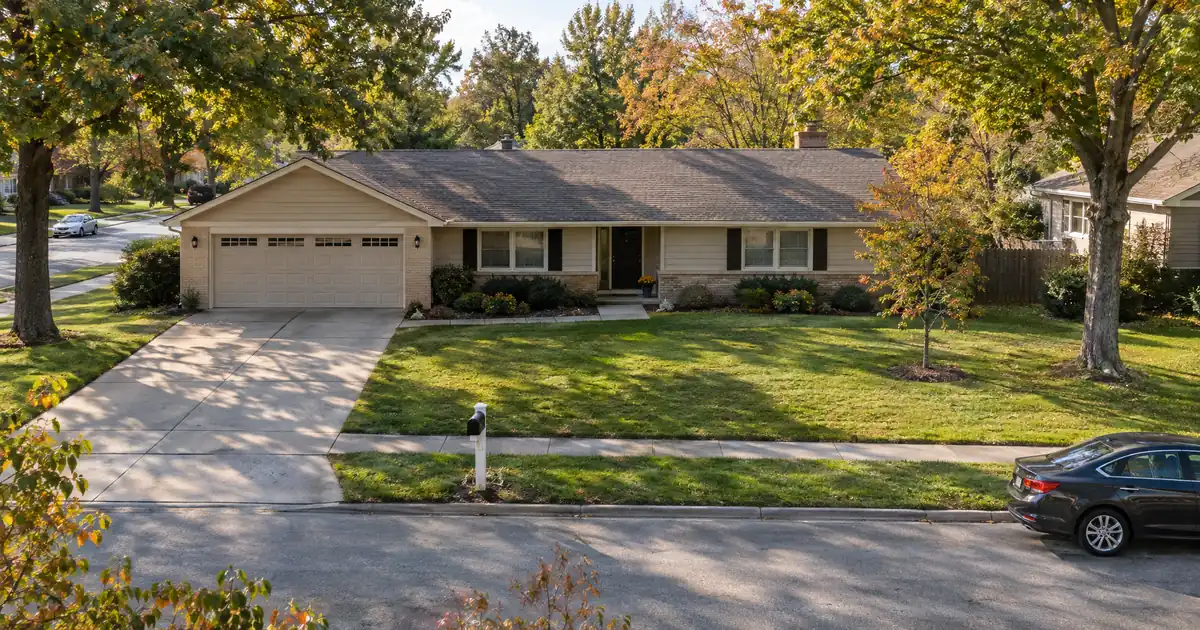
The Quick Read: A lender adds up every lien already recorded on the home and counts the first line at its full limit. It then tests that stack against a combined-leverage ceiling set by occupancy and credit. Whatever room is left, held to the program’s line maximum and a debt-to-income test, is the most the second line can be. All of this is subject to lender guidelines and full file review, and none of it is a commitment to lend.
- The first line counts at its limit, not its balance, so an undrawn line still uses up room.
- On an investment property, the ceiling on this network is 70% combined loan-to-value (CLTV). Primary residences and second homes can reach 90% CLTV, only at a 720-or-better credit profile.
- The programs Lendmire places are written for first or second lien position. A line behind both a mortgage and an existing line would be third, which is outside that structure.
- When the room is too small, the answer is a decline, not a smaller line. Replacing the first line, or a DSCR cash-out refinance, is often cleaner than stacking.
Where Does the Second Line Sit?
The new line sits behind everything already recorded against the property. Lien position follows recording order, not product type. Bills.com explains that a home equity line can be first in line when nothing is recorded ahead of it. It is second when a mortgage came first.
How large a line the equity supports.
An equity line is sized by combined loan-to-value, occupancy, and credit — not by rental coverage. Switch the occupancy or the credit band and the ceiling moves with it.
Investment-property lines require a 700 minimum credit score; second-home lines start at a 640 minimum and primary-residence lines at 600, and the combined-LTV ceiling steps down as the credit band drops on primary-residence and second-home lines and holds on investment-property lines; the line cap steps down on primary-residence lines and holds at every tier on investment-property and second-home lines.
A debt-to-income ratio above 45% requires 680+ credit. Profiles under 640 are limited to single-family homes. At least 75% of the approved line is drawn at closing. Ceilings, floors, and caps update from Lendmire’s centralized guideline source.
Line estimate
Illustrative estimate only — not a quote, Loan Estimate, approval, or commitment to lend. The rate is an editable assumption; equity-line pricing is variable through both the draw and repayment periods and never converts to fixed. Occupancy and credit drive the ceiling together: an investment property tops out at 70% combined LTV (minimum credit 700, line cap $500,000); a second home tops out at 90% combined LTV (minimum credit 640, line cap $500,000), with the ceiling stepping down as the credit band drops (the cap holds at every tier); a primary residence tops out at 90% combined LTV (minimum credit 600), and its $750,000 maximum line is available only at 75% combined LTV or below with a 700-or-better credit profile (720 on the longer-runway program) and a full appraisal. Lines above $500,000 require a full appraisal. Credit, debt-to-income, property type, and full underwriting review all affect the final line.
That order matters because it decides who gets paid first if the home is sold under pressure. Take a home with a mortgage and one closed HELOC. The first HELOC is second in line, so a new line would be third. Yahoo Finance’s explainer notes that lenders get nervous about third position. That nervousness often shows up as higher pricing, tighter underwriting, or a decline.
Nothing stops you from holding two lines. The obstacle is finding a lender that wants the third seat.
Across the wholesale network Lendmire places files with, the standalone equity line is written in first or second lien position. A third-position line is not the structure these programs are built for. Two situations still make sense for a second line. One is a home with no mortgage and a single closed HELOC. Another is a file where the first line gets replaced.
Lendmire’s HELOC placement also runs in 16 full-service states. That is narrower than the 41-market DSCR footprint, so confirm availability first.
The Sizing Walkthrough, Step by Step
Sizing is a stack of tests, and the tightest one controls the answer. Here is the sequence a lender runs.
1. Establish value. On lines at or below $500,000, the network ordinarily uses an automated valuation instead of a traditional appraisal. A higher CLTV may call for a second valuation. A full appraisal is required on every line above $500,000, and you can request one at any size. Value is the denominator for everything that follows.
2. Stack every recorded lien. Title work shows the first mortgage and the first HELOC. The lender lists them all.
3. Count the first line at its limit. A line with a zero balance but a large limit still takes up that much room.
4. Add the requested line. Lenders test the full limit you ask for, not the amount you plan to draw.
5. Divide by value. Experian defines CLTV as all loans secured by the home divided by its value. Unlike plain LTV, it counts every obligation on the property.
6. Apply the ceiling. The ceiling depends on occupancy and credit tier, and the occupancy table below shows the ranges.
7. Apply the dollar cap and the minimum. The lender takes the lower of the formula result and the program maximum. If what remains is below the $25,000 minimum line, the file is a decline.
Debt-to-income runs alongside these steps, and the section after the scenarios covers it. The shorthand is this: room equals value times the ceiling, minus the first mortgage, minus the first line’s limit, minus whatever the new line adds. When that number hits zero, the file stops.
Three Scenarios Side by Side
Run the numbers on a home valued at 100 units, with every lien shown as a percentage of value. These are modeled inputs, not market data, and they avoid dollar amounts so the math stays visible.
| Scenario | Liens ahead | Ceiling | Room left |
|---|---|---|---|
| Investment, first line undrawn | Mortgage 40% + line limit 20% | 70% | 10% of value |
| Investment, first line fully drawn | Mortgage 40% + line limit 20% | 70% | 10% of value |
| Investment, heavier mortgage | Mortgage 50% + line limit 20% | 70% | — |
| Primary residence, 680 score | Mortgage 40% + line limit 20% | 85% | 25% of value |
Rows one and two match on purpose. Under the full-limit convention, drawing the first line changes nothing, because the limit was already counted. A lender that counted only drawn balances would show more room in the first row. That is why you ask which convention applies before you apply.
Row three shows the zero outcome. The stack already sits at the ceiling, so no line exists to offer. Row four shows why occupancy matters. The same stack leaves far more room under a primary-residence ceiling, and only up to the $500,000 line size at that tier.
Then there is the minimum line. On a modest-value home, 10% of value can fall below the $25,000 program minimum. A thin sliver of room is not the same as a usable line.
Limit Versus Balance: The Question to Ask
Most lenders test the first line at its full limit. The logic is simple. An open line can be maxed out tomorrow, so underwriters protect themselves by assuming it will be.
Some lenders and some explainers distinguish CLTV, which uses drawn balances, from a version that uses full limits. In practice the full-limit version tends to govern when the first line is open. Because conventions differ, ask any lender one direct question: do you count the existing line at its limit or at its balance? Ask a second one too. If the first line is frozen or unused, does it still count?
A practical fix sometimes exists. If you never plan to use the first line, closing it or reducing its limit can free room before the new application. That depends on the first lender’s terms, so confirm it in writing.
How Credit and Debt-to-Income Shape the Result
Credit sets which row of the leverage ladder you stand on. On this network, the overall floor is 600 for a primary residence. Second homes floor at 640 and investment lines floor at 700. The lender reads a single-bureau score tied to the primary wage earner, and the report can be no more than 90 days old at closing.
Debt-to-income (DTI) compares your monthly debts to your income. The program caps it at 50%. It drops to 45% for credit profiles from 600 to 679. A ratio above 45% requires a 680 minimum. The qualifying payment is the interest-only payment calculated on the maximum draw.
That last detail catches people. The lender sizes the payment as if you drew the whole line. At least 75% of the line is also drawn at closing, so the payment is real from day one. Your existing mortgage and first line payments sit in the same ratio. A first line with a large limit can squeeze DTI even when its balance is small, depending on how that lender estimates its payment.
Draw structures vary too. On primary residences and second homes, one structure has a 3-year interest-only draw followed by a 17-year repayment. Another has a 5-year draw followed by a 25-year repayment. Investment lines run the 5-year draw and 25-year repayment structure only. Pricing floats through both periods and never converts to fixed.
What Changes by Occupancy
The ceiling is tiered by occupancy, and the investment tier is the lowest. Market surveys report that many lenders cap combined leverage on equity lines at 85% to 90%, per Yahoo Finance. The network figure for an investment property is 70% CLTV. Do not let a market-wide number fill in for it.
| Occupancy | Top ceiling | Credit floor | Max line |
|---|---|---|---|
| Primary residence | 90% CLTV at 720+ | 600 | $500,000 |
| Second home | 90% CLTV at 720+ | 640 | $500,000 |
| Investment property | 70% CLTV | 700 | $500,000 |
The 90% ceiling on primary residences and second homes exists only at a 720-or-better profile, and only up to $500,000. A line above $500,000 is primary-residence only. It caps at 75% CLTV and requires a full appraisal.
Property type matters as well. Single-family, 2-4 unit, PUD, townhome, and condominium properties, including non-warrantable condos, are eligible. Manufactured homes, co-ops, condotels, log homes, commercial, mixed-use, and agricultural-zoned properties are not offered.
Where the General Rule Breaks
A different property is a separate file. Each property is judged on its own stack. A second line on a rental does not create a third-lien problem on your primary home.
A paid-off home changes everything. If the first HELOC is the only lien, the new line takes second position. The lender gets a cleaner stack, and the full ceiling applies to a single recorded balance.
Replacement beats stacking. Instead of adding a line behind the first, a borrower can replace the first line with a larger one. The old limit leaves the stack, so the room is the ceiling minus the mortgage minus the new line. That route is worth pricing before you chase a third-position lender.
A later refinance needs consent. Lien position stays invisible until you refinance the first mortgage. Both lines must then be paid off or subordinated, meaning the junior lender agrees to stay behind the new loan. Each junior lender can refuse. Lendmire’s piece Second HELOC Requirements After Paying Off Your First HELOC covers that payoff and consent sequence in more depth.
Title can block the file. On this network the line must be held by you personally or by a revocable living trust. LLCs, corporations, partnerships, and irrevocable, blind, or land trusts cannot hold title. A rental already deeded to an LLC needs a vesting change first, or a DSCR cash-out instead. DSCR loans can be written to LLC borrowers, subject to lender program eligibility.
Rental use can be restricted. The CFPB’s HELOC booklet includes a tip that renting out your home may be prohibited under a line’s terms. Read your first line’s credit agreement before you count on rental income from that property.
Exposure limits apply. A borrower can hold three lines. Combined exposure caps at $2,000,000 on one program and $750,000 on the other. A borrower who owns more than 15 financed properties is not eligible.
A recent bankruptcy or foreclosure matters. A bankruptcy needs 4 years of seasoning from discharge or dismissal. Foreclosure-family history splits by program on primary residences and second homes. One program seasons it, and the other declines the history regardless of age.
Stack, Replace, or Cash Out?
For a rental, the real decision is rarely which lender will take third position. It is which structure leaves the most usable money with the least friction. The CFPB describes a HELOC as open-end credit you can borrow against repeatedly, and a second mortgage as a loan secured while another is still in place. Those two facts frame the choices.
| Route | What stays in place | Main tradeoff |
|---|---|---|
| Stack a second line | Mortgage and first line | Third position is hard to place |
| Replace the first line | Mortgage only | New terms on the whole line |
| Line on another property | Everything on this one | Separate file, separate stack |
| DSCR cash-out refinance | Nothing; one new loan | First mortgage’s terms are replaced |
A DSCR cash-out refinance replaces the whole stack with one loan. It tops out around 75% LTV across most of the network on a standard rental. About 6 months of seasoning is the common expectation. The loan is reviewed primarily on property-level rental income covering the payment, subject to lender guidelines. DSCR loans are designed for non-owner-occupied investment properties, so they are reviewed differently from a standard owner-occupied mortgage.
Coverage is the number to understand. DSCR divides monthly rent by the full monthly obligation: principal, interest, taxes, insurance, and any association dues. A ratio of 1.00 is where many select programs start. A separate select-lender path takes coverage below 1.00, with leverage and terms adjusted. Stronger ratios open better pricing and leverage.
Clearing 1.00 does not mean the property cash flows. Repairs, vacancy, management, utilities, and capital expenses sit outside the calculation. Credit matters as well. Most programs want around 660, and a 620 floor exists in parts of the network. A score of 700 or better unlocks the strongest leverage tiers. Loan sizes run up to $3,000,000 on standard programs (smaller balances available through select lenders), and reserves commonly sit around 6 months of PITIA. Those figures vary by lender, leverage, and loan size.
The tradeoff is that a cash-out removes the first mortgage’s terms. If the mortgage you hold is a keeper, a blended comparison of old and new debt matters more than the headline proceeds. Tax treatment can depend on how the funds are used and how the property is held; borrowers should keep clear records and speak with a qualified tax professional before relying on any deduction.
The mechanics of the cash-out path are laid out in the complete DSCR loans guide.
Honestly, this is a close call for many investors. If you hold a low-cost first mortgage and a modest first line, replacing the line often keeps your options open. If your traditional personal-income documentation shows rental losses that hurt personal DTI, the property-income route tends to fit better.
Key Terms Defined
CLTV (combined loan-to-value): All loans secured by the home, added together, divided by the home’s value.
Lien position: Your place in the payoff line, set by the order loans are recorded.
Credit limit versus balance: The limit is the most you may borrow on the line. The balance is what you actually owe today.
Subordination: A junior lender’s written agreement to stay behind a new loan.
Headroom: The room left under the ceiling after every lien is counted.
PITIA: Principal, interest, taxes, insurance, and any association dues, the full monthly obligation on a property.
DTI: Monthly debt payments divided by monthly income.
A Short Pre-Application Checklist
Gather these before you talk to any lender:
- A title report showing every recorded lien.
- The latest first-mortgage statement.
- The first line’s recent statement and credit agreement.
- Credit and income documents, depending on the program.
- The vesting on the deed, to confirm it is you or a revocable trust.
Then ask the lender three questions: how it counts the first line, which ceiling applies to your occupancy, and whether the new line fits above the program’s $25,000 minimum.
Frequently Asked Questions
Can I apply to several lenders at once?
You can, but each application is a credit inquiry and each lender runs its own stack and ceiling. Compare one lender’s treatment of the first line against another’s before you apply broadly. Because the first line’s treatment can differ, the room can change from lender to lender.
Does an unused first line still count against me?
Generally yes. Lenders test an open line at its full limit because it could be drawn at any time. If you never plan to use it, ask the first lender about reducing or closing it before the new application.
Do my first mortgage’s existing terms help the sizing?
No. CLTV counts the first lien’s balance, or its full limit if it is an open line, along with the new lien, so the terms on the first mortgage never enter the formula. They matter when you compare a replacement or a cash-out against what you already hold.
What if my home’s value rises?
A higher value raises room under the same ceiling, since room equals value times the ceiling minus the liens. The lender still needs a current valuation. Lines at or below $500,000 ordinarily use an automated valuation, and you can request a full appraisal in any case.
Can the first lender subordinate if I refinance the mortgage later?
It can, but it does not have to. Each junior lender decides whether to stay behind the new loan, and a refusal can stall the refinance. With two junior lines, each lender holds a veto.
Next Step
If you are considering a home equity line and want to see how the numbers work, Lendmire can help you compare HELOC options based on the property, the equity available, credit profile, combined leverage, and your goals. Reach the team at 828-256-2183 or request a quote through the Lendmire quote page.
About Lendmire
Lendmire, NMLS# 2371349, is a mortgage brokerage that arranges home equity lines of credit through wholesale lending partners in its 16 full-service states. Lines on primary residences, second homes and investment properties are each reviewed individually by the lender under the program’s occupancy, credit and combined-loan-to-value guidelines. Scotsman Guide named Lendmire a Top Mortgage Workplace in both 2025 and 2026.
Get Started
Ready to find the right loan for you?
In about two minutes you can review financing options available for your home or investment property. No commitment required.
Informational only. Not a Loan Estimate, approval, or commitment to lend. Program availability and eligibility are subject to lender guidelines, credit approval, property review, and underwriting.
References
1. Bills.com, HELOC as a subordinate lien
2. Yahoo Finance, Two HELOCs on the same property
5. CFPB, Ask CFPB HELOC tag page
This article is part of Lendmire’s HELOC & home equity loan program — full qualification details, guidelines, and scenarios live on the program page.
Related reading: How a Lender Sizes a HELOC by Combined Loan-to-Value · Can You Get a HELOC or Home Equity Loan on a Second Home? · 2nd Lien HELOC Rules When Your First Mortgage Is Large
Brandon Miller
Founder & CEO, Mortgage Loan Originator, Lendmire LLC
- Mortgage Loan Originator · NMLS# 1129696 · Verify on NMLS Consumer Access
- North Carolina Real Estate Broker · License# 343312 · Verify on NCREC
- North Carolina Insurance Producer · License# 19053198 · Property, Casualty, Life, Health · Verify on NAIC SBS
- Lendmire LLC · Firm NMLS# 2371349 · Verify firm licensure
Important disclosures. Lendmire (NMLS# 2371349) is a licensed mortgage brokerage. Lendmire is not a direct lender, depository institution, or financial advisor. All loan inquiries are subject to lender underwriting; this article does not constitute a commitment to lend. Rates, terms, and program guidelines are subject to change without notice and vary by borrower profile, property type, and state. Information in this article is general in nature and is not financial, legal, or tax advice. Equal Housing Opportunity. NMLS Consumer Access: nmlsconsumeraccess.org.