
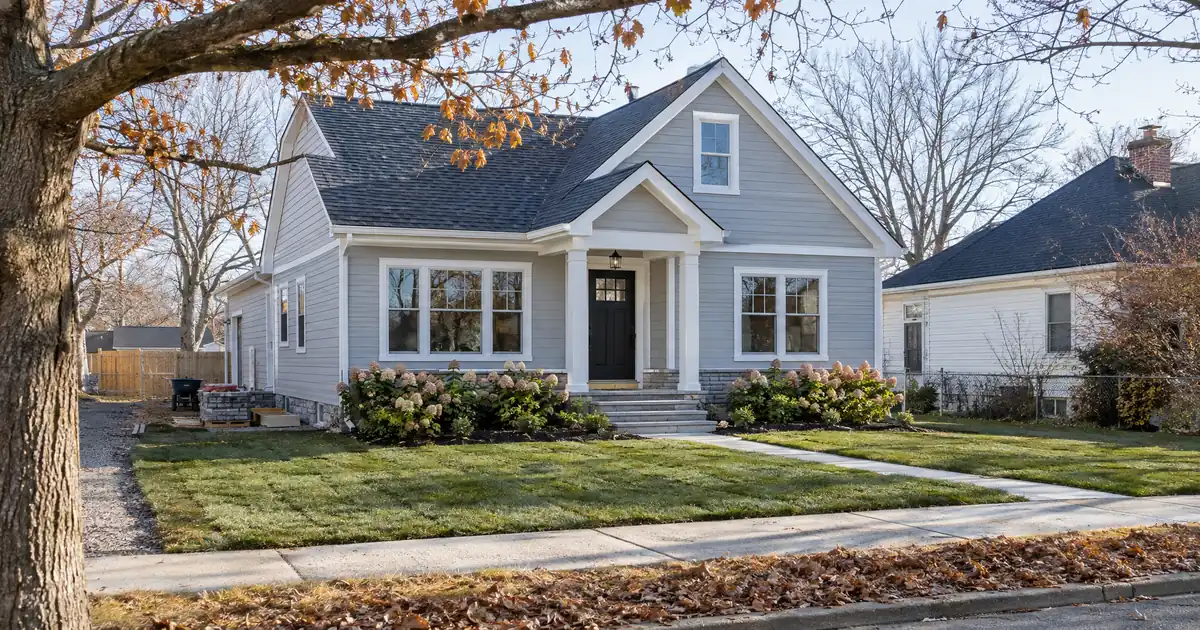
The Quick Read: Separate loans keep each flip on its own note, so one stalled house does not formally hold up the others. A blanket loan trades that independence for one approval and one document set across the whole pool. Many flippers do better with separate loans, while a blanket tends to suit experienced operators buying several similar houses together with a firm sale plan.
- Separate loans: each property is underwritten on its own plan, budget, and exit, and each pays off when that house sells.
- Blanket loan: one loan secured by several properties, with a release clause that sets what you repay to free each house.
- The core risk: a blanket ties every property to one loan’s fate, so a single problem house can affect the whole pool.
- The middle path: two or three smaller pools, or a mix of single loans and one small blanket, can split the difference.
This comparison describes Lendmire’s side from its wholesale lender network. The blanket column reflects published industry norms, which vary by lender. Both options are business-purpose financing, so everything below assumes non-owner-occupied investment property.
Side-by-Side
Here is how the two structures differ on the points that change a flipper’s day-to-day life. The first column reflects how fix-and-flip loans typically work across the network. The second reflects published industry norms for blanket structures. Terms vary by lender, property, and experience.
| Factor | Separate loan per flip | Blanket hard money (industry norms) |
|---|---|---|
| Review basis | Property, plan, exit, experience | Pool value, plan, borrower track record |
| Documentation | One file per property | One combined file for the pool |
| Property types | 1-4 units; ground-up to 10 units | Set by lender; often similar assets |
| Entity vesting | Usually an LLC, per lender terms | Often an entity, per lender terms |
| Collateral | Each house secures its own note | All pooled houses secure one loan |
| Sale of one property | Pays off that note only | Release clause sets the paydown |
| Default exposure | Contained, unless documents cross-link | Can reach every property in the pool |
| Rehab draws | Per property, against completed work | Pooled or per property, by lender terms |
| Loan term | 6-18 months, interest-only | Short term, often one shared maturity |
| Reserve expectations | Vary by lender and experience | Vary by lender and pool size |
Two rows deserve a second look: sale of one property and default exposure. They drive most of the real-world differences.
Key Terms Defined
Blanket loan: one loan secured by two or more properties under a single agreement. Investors also call this a cross-collateralized loan.
Cross-collateralization: every property in the pool backs the whole debt, not just its own share. Corporate Finance Institute describes how a default on one obligation can trigger default across linked loans.
Release clause: the contract term that lets you sell one property by paying down a set amount. Nav explains why this clause matters to investors who pledge several properties under one lien.
After-repair value (ARV): what the property should be worth once the rehab is finished.
Loan-to-cost: the loan as a share of total project cost, meaning purchase plus rehab.
Draw: a release of rehab money after a set stage of work is completed.
How a Blanket Actually Works
A blanket loan is one note, or one package of notes, with a lien on every property in the pool. The lender underwrites the borrower, the entity, and the combined collateral at once. That is the appeal: one application, one closing, one relationship.
The release clause is the feature that makes it workable for a flipper. An ordinary mortgage generally lets the lender call the whole balance when the property is sold, a due-on-sale clause that federal law broadly allows lenders to enforce, as Cornell Law School’s Legal Information Institute shows in the statute text. A blanket replaces that with an agreed paydown for each property you sell.
Here is the catch. Release prices commonly run above a simple pro-rata share of the loan. The lender wants the remaining pool to stay strong as the best houses sell off. So the clause is not a permission slip to sell on your schedule. It is a negotiated price, and you should read it before signing.
One more point about wording. A line of credit, a pre-approval, or a handful of loans closed in the same week is not a true blanket. If every house has its own note and its own lien, you have separate loans.
When Multiple Fix-and-Flip Loans Are the Better Fit
Separate loans fit most flippers, especially anyone whose projects will not finish at the same time. Each house keeps its own note, its own draw schedule, and its own exit. A slow sale or an over-budget rehab on one property stays a one-property problem, subject to what the documents say about cross-default.
Start with the leverage picture. Across Lendmire’s wholesale network, fix-and-flip loans are tiered by documented completed projects. Typically that runs up to 93% of project cost at five or more completed projects, up to 90% at two or more, and up to 85% below two. Every tier is capped at 75% of ARV. Up to 100% of the rehab budget can fund in draws against completed work. These are ceilings, not quotes, and they vary by lender, property, and experience.
A separate-loan structure also gives you independent paths when plans change:
- Extensions and exits: you can extend, refinance, or sell one property without touching the others.
- Loan terms: terms typically run 6 to 18 months, interest-only, with no prepayment penalty on the network’s program.
- Experience tiers: a flipper still building a track record can take the lower leverage tiers on one house at a time. First-time investors qualify at those lower tiers, with a credit floor of 620 and additional conditions below 660.
- Property fit: one rehab can be a duplex and the next a single-family house, with no need for the collateral to match.
Separate loans also fit the exit into rentals cleanly. Many investors refinance out of hard money into long-term DSCR financing once a property stabilizes, and Lendmire brokers that path. With a single note on one house, the DSCR refinance simply pays it off. Lendmire’s piece Sell vs. DSCR Hold on a Hard Money Flip for a High-Volume Flipper covers that decision in depth.
The cost is paperwork. Every property gets its own application, scope of work, budget, and closing. If you buy six houses in a month, that repetition is real. It is the main reason people look at a blanket in the first place.
When One Blanket Loan Is the Better Fit
A blanket works best when you are buying several similar properties at once, plan to rehab them on roughly the same schedule, and have a track record that lets a lender trust the pool. The pitch is simple: buy together, fix together, sell one at a time through the release clause. Industry explainers commonly cite flippers as a typical blanket user for exactly this reason.
The advantages are practical.
- One underwriting pass. The lender reviews you and the entity once instead of several times.
- One closing. You repeat fewer steps, though pooled loans can still call for separate appraisals on each property.
- Pooled strength. Stronger collateral can carry a house that would be harder to finance alone, because the lender looks at the pool.
- Simpler tracking. One loan, one maturity, one payoff conversation.
The tradeoffs are just as real. Cross-collateralization means a default can put every property at risk, and the same pooled structure can limit your ability to sell one house while the loan is in trouble. Grouping four houses under one loan also does not change the fact that you are carrying four financed properties.
Then there is the shared clock. A short-term loan with one maturity date has to work for your slowest property. Suppose two flips sell on time and a third stalls. The remaining pool may have less equity behind the loan than the lender wanted. That can mean a paydown, a refinance, or a hard conversation at maturity.
Release terms are where deals differ most, so negotiate them early. Ask what the paydown is for each house, how the lender allocates the loan across properties, and whether releasing the strongest house first changes the terms on the rest.
A Worked Scenario: Three Flips, Two Structures
Run the numbers on three houses bought together, at different stages. These are modeled assumptions, with no dollar figures, just to show how the structures behave.
House one is a cosmetic rehab that sells early. House two is on budget and on schedule. House three hits a permit problem and stalls.
With separate loans. House one pays off its own note at sale. House two does the same a bit later. House three keeps accruing interest on its own loan, and you can extend that single loan or refinance it without involving the other two. The stalled house costs you holding time, not the sale of the others.
With one blanket. House one sells and the release clause sets a paydown. If that price runs above its allocated share, the early sale returns less free cash than you hoped. House two sells and the same thing happens. Now the stalled house is the last asset standing behind a loan that still has one maturity date. Whether that is manageable depends on the release terms and how much equity remains.
Neither outcome is a disaster. The blanket works if all three houses sell as planned. The separate loans work whether they do or not. That is the tradeoff in one line: the blanket saves effort when the plan holds, and separate loans protect you when it does not.
If you want a closer look at how this plays out for flippers doing many projects, see Lendmire’s piece Blanket Hard Money vs Per-Rehab Loans for a High-Volume Flipper.
What a Practitioner Sees in These Files
Across the files that cross a broker’s desk, the blanket request usually comes from someone with plenty of momentum and a thin cushion. The borrower wants fewer closings. Meanwhile the lender wants stronger collateral and tighter control. The best outcomes tend to come from smaller pools of similar houses in the same stage of work, not one giant pool of everything the investor owns. Pool size and similarity matter more than most flippers expect.
Questions to Ask Before You Sign Either One
Whichever way you lean, these questions sort strong terms from weak ones:
- How are draws handled, and what proof of completed work does the lender require?
- What are the maximum loan-to-cost and ARV caps, and do they change as projects finish?
- What extension options exist, and are they per property or for the whole loan?
- On a blanket, what is the release price for each house, and who sets the allocation?
- Does a default on one property trigger a default on the rest?
- Is there a prepayment penalty if you refinance early?
- What reserves does the lender expect? They vary by lender and pool size.
Ask for the answers in writing. Release and cross-default language is where blankets hide their cost.
What About the Exit Into Rentals?
Flips that become rentals are a separate decision, and the structure you pick affects it. A single hard money note can be paid off by a DSCR refinance on that house alone. A blanket usually needs a release or paydown first, which adds a step.
On the long-term side, one note can also cover several rentals. Across the wholesale network, a 30-year portfolio DSCR loan can place 2 to 20 properties under one note, typically with leverage up to 80% of value on a purchase or rate-and-term refinance. Coverage is measured on the pool, with a 1.00 floor and a credit floor of 640, subject to lender guidelines. Loan sizes typically run from $300,000 to $5,000,000, with larger balances reviewed case by case. Eligible property types include single-family homes, 2-4 units, condos, and townhomes.
Remember what coverage does and does not measure. DSCR compares rent to the full monthly housing obligation (principal, interest, taxes, insurance, and any HOA dues). Clearing 1.00 does not mean positive cash flow. Repairs, vacancy, management, utilities, and capital expenses sit outside the calculation. The complete DSCR loans guide walks through how that ratio works.
The Balanced Verdict
Choose separate loans if your projects run on different timelines, you are still building experience, or you want each house to succeed or fail on its own. This is the right default for most flippers. It costs more paperwork and protects you from the pool.
Choose a blanket if you are buying a tight group of similar houses, your rehab plans are on the same track, and the release terms are written clearly in your favor. Expect a stricter review in return for the convenience.
If you cannot decide, split the difference. Two small pools of similar houses give you some of the paperwork savings with a smaller blast radius if one project goes sideways. In the end, the choice comes down to how much you trust your own timeline.
Frequently Asked Questions
Can I finance several flips with one hard money loan?
Yes, through a blanket structure, where one loan is secured by several properties. Lenders generally want a track record, and the structure is described in published industry norms rather than a single standard. The alternative is a separate loan for each house, which is the more common route.
Is a blanket loan the same as getting several loans at once?
No. Several loans closed together still have one note and one lien per property. A blanket has one loan secured by the whole pool, with a release clause governing sales. The difference matters most when something goes wrong, because cross-collateralized loans can pull every property into the same problem.
What happens if one flip stalls on a blanket loan?
The stalled house keeps backing the shared loan, and the loan still has one maturity. If the other houses have sold, the lender may ask for a paydown or refinance at maturity. The terms depend on your release clause and cross-default language, which is why you should read both before signing.
Does a blanket loan reduce the number of properties I have financed?
No. Grouping four houses under one loan does not change the count of financed properties. It only changes how they are documented.
Can I move a flip into a rental loan later?
Yes, many investors refinance from hard money into long-term DSCR financing once a property is stabilized. Eligibility review depends on the rental coverage, credit, reserves, and the property, subject to lender guidelines. It is typically simpler from a single note than from a blanket pool, since a blanket may need a release first.
Next Step
If you are buying, rehabbing or refinancing an investment property on a short timeline and want to see how the numbers work, Lendmire can help you compare hard money options based on the project, the exit plan, leverage, and your goals. Lendmire is a mortgage broker arranging financing through select lenders in its wholesale network, across 41 markets, including Washington, D.C. Nothing here is a commitment to lend, and every file is underwritten individually.
About Lendmire
Lendmire (NMLS# 2371349), a non-QM mortgage broker serving investors in 41 markets including Washington, D.C., helps structure DSCR scenarios commonly evaluated around a property’s rental income rather than personal income paperwork, subject to lender guidelines. A Scotsman Guide Top Mortgage Workplace in 2025 and 2026, Lendmire places loans through wholesale investor lenders and is not a direct lender.
Get Started
Ready to find the right loan for you?
In about 30 seconds you can review financing options available for your investment property. No commitment required.
Informational only. Not a Loan Estimate, approval, or commitment to lend. Program availability and eligibility are subject to lender guidelines, credit approval, property review, and underwriting.
References
1. Corporate Finance Institute: Cross Collateralization
2. Nav: Cross Collateralization
3. Cornell Law School Legal Information Institute: 12 U.S.C. 1701j-3
This article is part of Lendmire’s hard money loan program — full qualification details, guidelines, and scenarios live on the program page.
Related reading: Can an Investor Find a Hard Money Lender for a Fix and Flip? · Can You Get an Interest-Only Hard Money Loan for a Fix and Flip? · Can a 1099 Contractor Get a Hard Money Loan to Flip a House?
Brandon Miller
Founder & CEO, Mortgage Loan Originator, Lendmire LLC
- Mortgage Loan Originator · NMLS# 1129696 · Verify on NMLS Consumer Access
- North Carolina Real Estate Broker · License# 343312 · Verify on NCREC
- North Carolina Insurance Producer · License# 19053198 · Property, Casualty, Life, Health · Verify on NAIC SBS
- Lendmire LLC · Firm NMLS# 2371349 · Verify firm licensure
Required disclosures. Lendmire (NMLS# 2371349) operates as a licensed mortgage broker, not a direct lender or depository. The discussion in this article is general in nature and should not be relied upon as financial, legal, or tax advice — every investment scenario is unique and should be reviewed by a qualified professional. Any loan inquiry is subject to lender underwriting, and this article is not a commitment to lend or a guarantee of approval. Mortgage rates, loan terms, and program guidelines vary by borrower, property, and state, and may change without notice. Equal Housing Opportunity. Verify licensure at NMLS Consumer Access.