
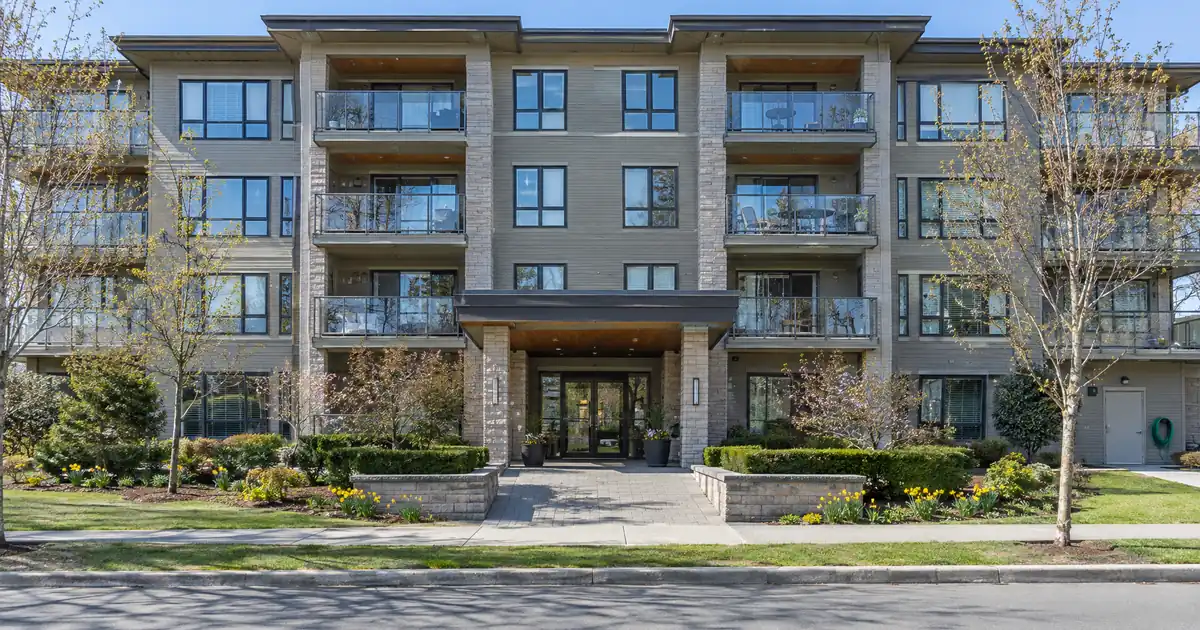
The Quick Read: You qualify by owning a leased rental you do not live in for at least six months, showing rent that covers a stress payment on the entire credit line at 1.10x or better, keeping combined leverage at or below 70% behind your first mortgage, and holding a 720 or better credit score, on a building the lender’s review accepts. All of this is subject to underwriting and lender guidelines.
- The rent qualifies the line. Your personal income is not calculated.
- The coverage test runs on the whole credit limit, not just the part you draw.
- HOA dues count against you in that test. A townhome without dues has an easier path than a condo with high dues.
- A second lien tops out at 70% combined loan-to-value. A first lien on a paid-off rental can reach 75% at the top tier.
- Condotels, row homes, leaseholds and rural property sit outside this program.
What a DSCR HELOC Actually Is
A DSCR HELOC is a revolving line of credit secured by a rental you own. It is written as a standalone second lien behind the first mortgage you keep, or as a standalone first lien on a rental with no mortgage. The rent decides whether you qualify, not your paycheck.
The label is a market habit, not a standardized product. Different lenders use “DSCR HELOC” for different things, and that confuses borrowers. Here is how the structures compare.
| Structure | What gets tested | Lien position |
|---|---|---|
| DSCR HELOC (this program) | Rent vs. stress payment on full line | Standalone second or first |
| Personal-income investment HELOC | Your credit, income, equity | Usually second |
| DSCR cash-out refinance | Property rent vs. its own payment | Replaces the first |
The personal-income version is a different animal. NerdWallet notes that HELOCs on investment property are not offered by every lender and that qualification is strict. That thin lender pool is why many landlords end up looking at rent-based options.
Lendmire is a mortgage broker. It places this line through a wholesale lender in its network. The program is offered in 15 of Lendmire’s 16 licensed states, every licensed state except Tennessee: Alabama, California, Colorado, Florida, Georgia, Indiana, Michigan, Montana, New Mexico, North Carolina, Ohio, Pennsylvania, Texas, Virginia and Washington. The line is for rentals only. It is never available on your own home or a second home.
Key Terms Defined
DSCR (debt service coverage ratio): Gross monthly rent divided by the monthly payment the lender tests. Above 1.00x, rent covers the payment.
Stress payment: A fully amortizing payment calculated on the entire credit limit at a rate set above the line’s starting rate. The lender tests this, not what you actually pay.
PITIA: Principal, interest, taxes, insurance and association dues. It is the full cost of carrying the property.
CLTV (combined loan-to-value): Your first mortgage balance plus the new line, divided by the property’s value. First liens use plain LTV.
Warrantable condo: A condo in a project that passes the standard project tests used in conventional lending. Non-warrantable means it fails at least one. That does not make it a bad building.
Draw period: The stretch when you can borrow from the line. On this program it is 5 years, interest-only on what you have drawn.
Seasoning: The waiting period after you buy or refinance before the lender will consider the property.
Why the Building Matters on a Line of Credit
A lender who takes a lien on a condo is relying on the whole project, not just your unit. If the association is broke, sued or dominated by one owner, resale gets harder, and the collateral is worth less. A townhome in a plain fee-simple lot carries none of that project risk.
The warrantable concept was built for conventional mortgage lending. As one example of the tests, Fannie Mae’s Selling Guide lists project characteristics that make a condo project ineligible, and caps commercial or mixed-use space at 35% of the project or building. Think of those tests as the yardstick, not the rule book for your line.
Here is the part that surprises people. On this program, both warrantable condos and non-warrantable condos are eligible, and the same leverage tiers below govern every property type. Building status rarely moves your ceiling. It moves how much scrutiny the file gets.
A condo project review typically covers a handful of topics:
- How many units are investor-owned
- Whether the budget funds reserves
- Whether the master insurance is adequate
- How many owners are behind on dues
- Whether the association is in litigation
An association representative usually completes the questionnaire. Ask for it early.
The Qualification Path, Step by Step
Run these in order. Each one can end the file, so cheap checks go first.
1. Confirm the property type. Eligible: single-family, PUD, townhome, two-to-four units and condos. Out: rural-designated property, row homes, condotels, commercial or agricultural property, leaseholds, land trusts, age-restricted communities, mixed-use and modular or log homes.
2. Confirm it is a rental. The property must be non-owner-occupied with a lease in place. A two-to-four-unit building may have at most one vacant unit.
3. Check your ownership clock. A rental bought or refinanced inside the last 6 months is not eligible (that clock runs from the last note date to the new note date), and the owner must have held title for 6 months (settlement date to note date). Not ideal if you just closed.
4. Check title. Your LLC can stay on title, subject to program terms. The members sign as guarantors. A title holder who is not a borrower signs an acknowledgment and the security instrument.
5. Check credit. A second lien needs 720. A first lien needs 700. The lender’s own credit report sets your tier. You also need no 30-day mortgage late in the last 12 months, and 48 months since any bankruptcy, foreclosure, short sale or deed-in-lieu.
6. Check the building (condos). Request the association’s questionnaire, budget and insurance details.
7. Set the valuation path. Lines up to $400,000 use an automated valuation plus a property inspection report, or a full interior appraisal. Larger lines take a full interior appraisal. Appraisal waivers are not accepted.
8. Run coverage. The lender tests rent against the stress payment on the whole line. The minimum is 1.10x.
9. Run combined leverage. The tiers come next.
Two lighter points. There are no reserve requirements. And the program caps you at five loans or $2,500,000 in total exposure with it. Final terms depend on lender guidelines, property type, leverage, and the borrower’s complete credit picture.
How Rent Gets Counted
Rent is the lesser of two numbers: the appraiser’s market rent on the Form 1007 rent schedule, or your lease. A lease above market can count only with three months of receipts. Your pro forma never counts. Neither does a listing you hope to achieve.
The condo itself is usually appraised on Form 1073, the unit-in-a-project report, and a two-to-four-unit gets Form 1025, both listed on Fannie Mae’s appraiser page. A townhome typically gets the standard single-family form. The rent schedule rides alongside. Each lender sets its own pairing, so treat that as typical.
Running the Coverage Math
HOA dues sit in the denominator, not netted from rent. So a condo with heavy dues needs more rent than a dues-free townhome to hit the same ratio. A dues increase hurts the way a tax increase would. Ask the association for current dues before you fall in love with a deal.
The stress payment makes this sharper. It is calculated on the full credit limit, even though you must draw at least 80% at closing and the rest sits available. Whether the first mortgage payment joins the test on a second lien depends on the lender’s own coverage calculation, which governs. Ask for that calculation in writing.
Run the numbers on a modeled condo. These are illustrative ratios, not quotes. Suppose rent covers the stress payment at about 1.22x. Dues rise and a special assessment hits, and coverage slides toward 1.12x. That is thin. One more dues bump and the file drops under 1.10x.
The cleanest fix is a smaller line. Because the test runs on the entire limit, trimming the limit trims the stress payment. Many investors ask for the line they need, not the line the equity allows.
Sub-1.00 coverage is a different conversation. Some DSCR first-lien programs in Lendmire’s network accept it through select lenders, with lower leverage and adjusted terms. This line does not. Its floor is 1.10x.
Leverage Tiers (Ceilings, Not Offers)
Second-lien figures are CLTV. First-lien figures are LTV. Everything here is subject to underwriting.
| Position | Credit score | Maximum | Line size |
|---|---|---|---|
| Second lien | 720 or better | 70% CLTV | $50,000–$500,000 |
| First lien | 740 or better | 75% LTV | Up to $500,000 |
| First lien | 700–739 | 70% LTV | Up to $500,000 |
| First lien | 720 or better | 65% LTV | $500,000–$1,000,000 |
Picture a condo with a first mortgage balance equal to 45% of its value. A 70% CLTV ceiling leaves room for a line up to 25% of value. Not a dollar more. The lender’s own calculation governs the final number.
A declining-market flag on the property lowers the ceiling by 5 points. Philadelphia lines run 10 points lower. Lines start at $50,000, and later draws must be at least $5,000 each.
Townhomes: Easy, With One Catch
A townhome usually has no condo-style project review. It is closer to a single-family house that shares walls. That is the good news.
The catch is the wrapper. Many townhomes sit inside a PUD or HOA, and dues go into the payment just as they do for a condo. Check them early.
The second catch is vocabulary. Row homes are excluded from this program. A townhome and a row home can look alike on a street, so confirm how the appraiser classifies the property before you apply. Property type can end a file by itself.
Where the Rule Breaks
Condotels and mixed-use buildings. Both are out on this program. Some DSCR first-lien programs accept condotels, but that is a different product.
Short-term rentals. The loan does not grant rental rights. Your HOA documents or the city can bar short stays, or set minimum lease terms, no matter what the lender allows. Short-term rental rules can vary by city, county, HOA, and property type, so investors should confirm local rules before relying on projected rental income. And the rent schedule covers monthly rent, not nightly rates.
A first lender that restricts second liens. If you keep your first mortgage, read its documents. Some first lenders want a say before a junior lien lands. Check this first.
Recent sale, listing or solar. A property listed for sale in the prior two months, or carrying a solar lien, is out.
Payment shock after the draw period. A home equity line has a draw period followed by a repayment period, and payments often rise significantly when repayment starts. On this program the 5-year interest-only draw gives way to a 25-year fully amortizing repayment period. The rate is variable. Plan for the step-up.
Borrower status. US citizens, permanent residents and non-permanent residents with a Social Security number are eligible. Foreign nationals and ITIN borrowers are not.
Why Files Stall, and the Fix
| Problem | Likely cause | Fix |
|---|---|---|
| Coverage under 1.10x | Heavy dues or low market rent | Request a smaller line |
| Building flagged | Litigation, delinquent dues | Get the questionnaire early |
| Not eligible yet | Under six months of ownership | Wait out the clock |
| Property type rejected | Row home or condotel | Look at another product |
| First lender objects | Lien restriction | Read the first mortgage terms |
Here is the practitioner view. On files like these, the building usually causes more trouble than the borrower does. Dues and association paperwork surprise people at the last minute. Investors who request the questionnaire and a dues statement before applying avoid most of that.
When a Different Product Fits Better
This line suits an owner with a low first mortgage worth keeping and a rental with enough rent to clear 1.10x on the full limit. If your first mortgage is expensive, a cash-out refinance can replace it. Lendmire’s piece How to Qualify for a DSCR HELOC on a Non-Warrantable Condo covers the harder-building version of this question.
For the broader picture, the complete DSCR loans guide covers how rent-based lending works.
Tax treatment varies; consult a qualified professional.
Frequently Asked Questions
Does a DSCR HELOC require a warrantable condo?
No. Through select programs in Lendmire’s network, both warrantable and non-warrantable condos are eligible, and the same leverage tiers apply to every property type. Building status mainly affects how closely the lender reviews the project.
Can a townhome qualify?
Usually, yes. A fee-simple townhome has no condo project to review. Dues in a PUD or HOA count in the payment, and row homes are excluded, so confirm the classification.
Can my LLC hold title?
Yes, subject to program terms. The members sign as guarantors, and the line is for investment property only. The borrowers on the line need not match the borrowers on your first mortgage.
Do HOA dues reduce my rent for the coverage test?
No. Dues sit in the payment side of the ratio. Higher dues need more rent to reach 1.10x.
How much can I borrow?
It depends on credit, lien position and value. A second lien runs up to 70% CLTV with lines from $50,000 to $500,000. First-lien ceilings run 65% to 75% LTV by tier. The lender’s own calculation governs. These specifics are subject to lender guidelines and a full review of property, leverage, and credit.
Next Step
If you are considering a home equity line on a rental property and want to see how the numbers work, Lendmire can help you compare DSCR HELOC options based on the property, the rent, the equity available, credit profile, combined leverage, and your goals. Reach the team at 828-256-2183 or request a quote.
Not a commitment to lend. Eligibility is reviewed subject to borrower, property and program guidelines.
About Lendmire
Lendmire (NMLS# 2371349) is a mortgage brokerage serving homeowners and real estate investors in its 16 licensed states. Home equity lines of credit are arranged through wholesale lending channels; Lendmire brokers the line and the lender underwrites each application under its occupancy-based guidelines. Scotsman Guide named Lendmire a Top Mortgage Workplace in both 2025 and 2026.
Get Started
Ready to find the right loan for you?
See your offer in seconds. No credit pull, no obligation.
Informational only. Not a Loan Estimate, approval, or commitment to lend. Program availability and eligibility are subject to lender guidelines, credit approval, property review, and underwriting.
References
1. NerdWallet – HELOC on investment property
2. Fannie Mae Selling Guide, B4-2.1-03 Ineligible Projects
This article is part of Lendmire’s DSCR HELOC program — full qualification details, guidelines, and scenarios live on the program page.
Related reading: How to Qualify for a DSCR HELOC When Heirs Will Not Sell · How to Qualify for a DSCR HELOC After the Draw Period Ends · How to Qualify for a DSCR HELOC Qualified on the Rent With a 1.10 DSCR
Brandon Miller
Founder & CEO, Mortgage Loan Originator, Lendmire LLC
- Mortgage Loan Originator · NMLS# 1129696 · Verify on NMLS Consumer Access
- North Carolina Real Estate Broker · License# 343312 · Verify on NCREC
- North Carolina Insurance Producer · License# 19053198 · Property, Casualty, Life, Health · Verify on NAIC SBS
- Lendmire LLC · Firm NMLS# 2371349 · Verify firm licensure
Legal disclosures. Lendmire (NMLS# 2371349) is a state-licensed mortgage brokerage that arranges financing through wholesale lender relationships. Lendmire is not a direct lender, depository institution, or registered financial advisor. The discussion above is general informational content about real estate financing — it is not financial, legal, or tax advice, and readers should consult licensed professionals for guidance on their individual circumstances. Loan inquiries are subject to lender underwriting; this article does not represent a commitment to lend. Loan terms, rates, and qualification standards vary by borrower, property, and state, and are subject to change at any time. Equal Housing Opportunity. NMLS Consumer Access: nmlsconsumeraccess.org.