
The Quick Read: A signed divorce decree does not make you a lendable owner, because lenders look at the recorded deed, not the court order. You qualify by getting title in your sole name, clearing or planning for the joint mortgage, and then passing a solo credit, debt-ratio and equity review. On Lendmire’s network an investment line caps at 70% CLTV.
- The decree allocates the rental between spouses. The recorded deed is what changes the county record.
- A quitclaim moves ownership. It leaves the existing mortgage untouched.
- On an investment property, the network ceiling is 70% CLTV, with a 700 minimum credit score and a $500,000 maximum line.
- The line must sit in your individual name or a revocable living trust. An LLC cannot hold title.
- Equity lines are available only in Lendmire’s 16 full-service states, subject to lender guidelines.
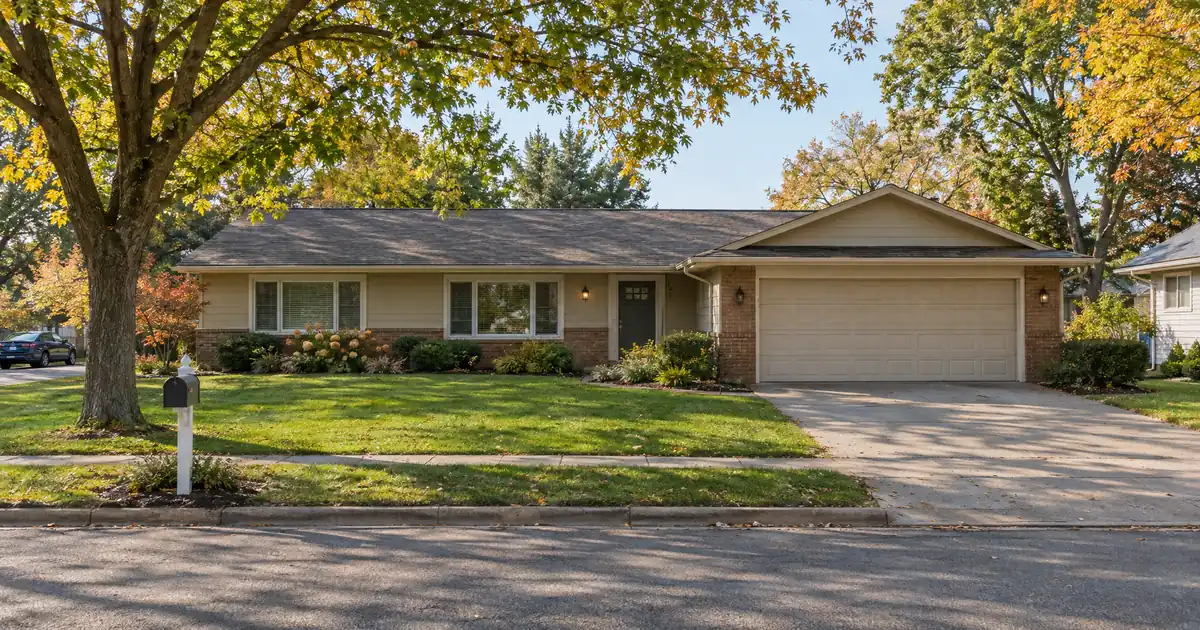
Picture a landlord who was awarded a duplex in the divorce. The judge signed the decree, but the county still shows two owners. She wants to pull equity before the quitclaim is recorded. That window is awkward, and it is where most of these files stall.
How large a line the equity supports.
An equity line is sized by combined loan-to-value, occupancy, and credit — not by rental coverage. Switch the occupancy or the credit band and the ceiling moves with it.
Investment-property lines require a 700 minimum credit score; second-home lines start at a 640 minimum and primary-residence lines at 600, and the combined-LTV ceiling steps down as the credit band drops on primary-residence and second-home lines and holds on investment-property lines; the line cap steps down on primary-residence lines and holds at every tier on investment-property and second-home lines.
A debt-to-income ratio above 45% requires 680+ credit. Profiles under 640 are limited to single-family homes. At least 75% of the approved line is drawn at closing. Ceilings, floors, and caps update from Lendmire’s centralized guideline source.
Rate assumption as of November 9, 2026.
Line estimate
Illustrative estimate only — not a quote, Loan Estimate, approval, or commitment to lend. The rate is an editable assumption; equity-line pricing is variable through both the draw and repayment periods and never converts to fixed. Occupancy and credit drive the ceiling together: an investment property tops out at 70% combined LTV (minimum credit 700, line cap $500,000); a second home tops out at 90% combined LTV (minimum credit 640, line cap $500,000), with the ceiling stepping down as the credit band drops (the cap holds at every tier); a primary residence tops out at 90% combined LTV (minimum credit 600), and its $750,000 maximum line is available only at 75% combined LTV or below with a 700-or-better credit profile (720 on the longer-runway program) and a full appraisal. Lines above $500,000 require a full appraisal. Credit, debt-to-income, property type, and full underwriting review all affect the final line.
Estimate only, not a loan offer or a commitment to lend. The rate is variable and can go up. The payment shown is interest only. Full calculator disclaimer.
Where You Stand After the Decree but Before the Deed
You hold a court award, not a clean title. The decree binds the two spouses. The lender was not a party to it, and the county recorder never sees it unless it is filed. Here is what is done and what is still open.
| Item | What the decree did | What is still undone |
|---|---|---|
| Ownership between spouses | Awarded the rental to you | Public record still shows both names |
| Title | Nothing automatic | Deed must be signed and recorded |
| First mortgage | Nothing | Ex-spouse stays on the note |
| Any joint credit line | Nothing | Stays joint until paid off or released |
A lender pulls a title search. If both names appear, the file stops until title is fixed. This is the first gate.
The Decree, the Deed and the Loan
A decree is a court order between the spouses. A deed is the recorded document that moves ownership. A loan is a separate contract with the lender. Each one changes only its own piece.
An attorney answer on Justia’s Ask a Lawyer describes the standard next step after a decree: the ex-spouse conveys his interest, most often by quitclaim deed, which takes effect once recorded with the county recorder. That same answer says a quitclaim does not affect the mortgage, and that many divorce agreements require one party to refinance by a set date.
So the three-part rule is simple. The decree does not move title. The quitclaim moves title but not the debt. Only a payoff, refinance, assumption or written lender release takes a name off the note.
Can You Apply Before the Quitclaim Is Recorded?
Technically you can start a conversation. In practice, a lender needs you on recorded title before a lien funds. Every titled owner must sign the new lien. If your ex is still on title, the ex has to sign too. That is why the recorded deed usually comes first.
Some borrowers sequence it differently. Each option has a tradeoff.
| Sequence | How it works | Risk | Best use |
|---|---|---|---|
| Deed first | Record quitclaim, then apply | Title insurance questions | Cleanest file |
| Refinance first | Replace the first mortgage in your name | Needs solo qualification | Decree orders a refinance |
| Line first, deed later | Ex signs the lien while still on title | Needs a cooperative ex | Rare |
| Concurrent closing | Deed records at the same closing | Coordination between title and lender | Tight timelines on the decree |
For most investors, deed first is the sequence that avoids surprises.
A quitclaim can affect an owner’s title insurance policy, so confirm with a title company before recording. If the ex stalls, your attorney can use the decree to compel the conveyance. That is a legal question, not a lending one.
Does Your Decree Allow a HELOC?
Read the decree wording before you apply. It decides whether a line is even permitted.
| Decree language | What it means for a line |
|---|---|
| Awards you the rental, silent on refinance | A line is generally workable once title is clean |
| Orders you to refinance by a date | A HELOC is not a refinance and may not satisfy it |
| Orders a buyout of the ex’s share | A line may fund the buyout if the decree allows a new lien |
| Restricts new liens | Get written consent or a court modification first |
If the decree requires a refinance, the answer is usually a different product, covered below.
What an Investment-Property Lender Checks
A HELOC is underwritten on you, not on the rent. NerdWallet notes that the lender pool for rental HELOCs is smaller than for a primary home, and that multiple appraisals may be required. Here is what the network’s investment line looks like, subject to lender guidelines.
- Combined leverage: 70% CLTV on an investment property, at both the 700 and 720 credit tiers. Credit above 700 buys eligibility, not extra leverage.
- Credit: 700 minimum on an investment line. There is no tier beneath it.
- Line size: $25,000 to $500,000 on an investment property. Larger lines are limited to primary residences.
- Debt-to-income: 50% maximum, qualified on the interest-only payment calculated on the maximum draw. Ratios above 45% need a 680 score, which an investment file already exceeds.
- Valuation: because the line caps at $500,000, it commonly runs on an automated valuation with no traditional appraisal. A borrower can still request a full appraisal.
- Structure: a 5-year draw followed by a 25-year repayment period, in first or second lien position. At least 75% of the line is drawn at closing.
- Property: single-family, 2-4 units, PUD, townhome and condominium, including non-warrantable condos. Manufactured homes, co-ops, condotels, log homes and mixed-use are not eligible.
- Exposure: up to three lines per borrower, and no more than 15 financed properties.
You are qualified alone after a divorce. Joint debt still counts against you while your name is on it. A payment assigned to the ex-spouse in the decree can sometimes be excluded, but that turns on paperwork and payment history, not the court order alone.
Run an illustrative example. Say the rental is worth $400,000 and the first mortgage sits at roughly half of value. At 70% CLTV, the combined debt ceiling leaves meaningful room for a line. The exact amount depends on the valuation and the final payoff figures, which the calculator can estimate for illustration only.
Title, Signatures and Spouse Consent
Three title questions come up on nearly every file in this window.
Who signs? Every owner on recorded title signs the lien. Until the deed records, that includes your ex.
Does the decree work as a deed? Sometimes. A decree with the full legal description can transfer title without a separate deed in some states, but some lenders and title companies still demand a deed. Treat it as an edge case.
Does the divorce exception to due-on-sale protect you? Don’t assume it does on a rental. Federal due-on-sale limits in 12 CFR 191.5 on eCFR apply to loans on a home occupied or to be occupied by the borrower. Cornell’s Legal Information Institute carries the same rule text and lists the divorce and spouse transfers under that occupancy framing. Practitioner commentary treats second homes as grayer ground. No regulator source tests the divorce exception directly on a pure rental, so confirm with counsel or the existing servicer before recording.
Community-property states add spouse-consent questions. Wait for the final decree before applying if ownership is contested.
Seasoning and Timing After Recording
No national seasoning rule governs a HELOC after a deed. It is the lender’s own policy. Some lenders look through a decree-driven transfer. Others want the deed on record for a period before they fund. Ask early, and bring the decree so the transfer reads as court-ordered rather than a purchase.
Worked Example: A Rental Awarded in the Divorce
Consider an investor awarded a fourplex. The decree is signed, the deed is not. Here is the file in order.
1. Confirm the decree does not order a refinance or restrict new liens.
2. Have the ex sign the quitclaim and record it with the county.
3. Order a title check and confirm the owner’s policy is intact.
4. Gather payoff statements and the decree’s debt assignments.
5. Confirm the property is titled in your name, not an LLC.
6. Apply with the full document packet.
At 70% CLTV on an investment line, the combined first mortgage plus new line cannot pass that ceiling. If the first mortgage already uses most of the equity, the line will be small or unavailable.
When a HELOC Is the Wrong Tool
Three situations push the file toward a different structure.
The decree orders a refinance. A HELOC leaves the ex on the first mortgage. A refinance or DSCR cash-out refinance can replace the whole debt in one name.
The rental sits in an LLC. An equity line cannot be written on LLC, corporation or partnership title, and irrevocable or land trusts are out too. Moving title into an entity mid-divorce also raises restraint and due-on-sale questions. A DSCR cash-out is the usual alternative.
Your personal income is thin. A line leans on your solo credit and debt ratio. A DSCR loan is reviewed primarily on property-level rental income covering the payment, subject to lender guidelines. Clearing a coverage ratio is not the same as positive cash flow, since repairs, vacancy and management sit outside the calculation. For the full picture, see the complete DSCR loans guide.
Document Checklist
- The decree or settlement agreement
- The recorded quitclaim, or title instructions
- Payoff statements for joint debt
- Income and tax documents, or bank statements for self-employed borrowers
- Lease agreements and proof of insurance
- Any court order or written consent covering a new lien
Common Mistakes
- Assuming the decree removes your ex from the loan. It does not.
- Assuming a quitclaim does the same. It changes title only.
- Applying before the deed is recorded, then stalling at the title search.
- Treating due-on-sale protection as automatic on a rental.
- Ignoring decree language that requires a refinance.
- Leaving the rental in an LLC and expecting a line to work.
This article is general information, not legal or tax advice. Divorce, title and tax questions depend on your state and your facts, so consult a qualified attorney or CPA about your own situation. Tax treatment can depend on how the funds are used and how the property is held; borrowers should keep clear records and speak with a qualified tax professional before relying on any deduction.
Frequently Asked Questions
Does the decree remove my ex from the mortgage?
No. The lender was not a party to the decree. Only a payoff, refinance, assumption or written release takes a name off the note.
Do I need the deed recorded before I apply?
In most cases, yes. Lenders need you on recorded title, and every titled owner signs the lien. An unrecorded deed does not change title for the lender’s purposes.
What credit score does an investment line need on Lendmire’s network?
700 is the minimum, and there is no tier below it. Both 700 and 720 reach 70% CLTV, so a higher score adds eligibility rather than leverage. Everything remains subject to lender guidelines.
Can I use an LLC on an equity line?
No. Title must sit with the individual borrower or a revocable living trust. A property already in an LLC needs a vesting change, or a DSCR cash-out instead.
What if my decree requires me to refinance?
A HELOC will not usually satisfy it, since the ex stays on the first mortgage. A refinance or DSCR cash-out refinance is the better fit.
If you are considering a home equity line and want to see how the numbers work, Lendmire can help you compare HELOC options based on the property, the equity available, credit profile, combined leverage, and your goals. Reach the team at 828-256-2183 or request a quote. Lendmire is a broker arranging financing through select lenders in its wholesale network, and equity lines are available only in its 16 full-service states.
About Lendmire
Lendmire, LLC (NMLS# 2371349) is a mortgage brokerage serving homeowners and real estate investors in its 16 full-service states. Home equity lines of credit are arranged through wholesale lending channels; Lendmire brokers the line and the lender underwrites each application under its occupancy-based guidelines. Scotsman Guide named Lendmire a Top Mortgage Workplace in both 2025 and 2026.
Get Started
Ready to find the right loan for you?
See your offer in seconds. No credit pull, no obligation.
Informational only. Not a Loan Estimate, approval, or commitment to lend. Program availability and eligibility are subject to lender guidelines, credit approval, property review, and underwriting.
References
1. Justia Ask a Lawyer, removing an ex-spouse after a decree
2. NerdWallet, HELOC on an investment property
This article is part of Lendmire’s investment property HELOC program — full qualification details, guidelines, and scenarios live on the program page.
Related reading: How Much Can You Borrow on an Investment Property HELOC With a Final Decree and Old Title? · How an Investment Property HELOC Works With a Final Decree and Old Title · How an Investment Property HELOC Works After the Decree Before the Quitclaim · How to Get a Rental HELOC After a Quitclaim Into Your LLC · How Much Can You Borrow on an Investment Property HELOC After a Quitclaim Into Your LLC?
Brandon Miller
Founder & CEO, Mortgage Loan Originator, Lendmire, LLC
- Mortgage Loan Originator · NMLS# 1129696 · Verify on NMLS Consumer Access
- North Carolina Real Estate Broker · License# 343312 · Verify on NCREC
- North Carolina Insurance Producer · License# 19053198 · Property, Casualty, Life, Health · Verify on NAIC SBS
- Lendmire, LLC · Firm NMLS# 2371349 · Verify firm licensure
Important disclosures. Lendmire, LLC (NMLS# 2371349) is a licensed mortgage brokerage. Lendmire is not a direct lender, depository institution, or financial advisor. All loan inquiries are subject to lender underwriting; this article does not constitute a commitment to lend. Rates, terms, and program guidelines are subject to change without notice and vary by borrower profile, property type, and state. Information in this article is general in nature and is not financial, legal, or tax advice. Equal Housing Opportunity. NMLS Consumer Access: nmlsconsumeraccess.org.