
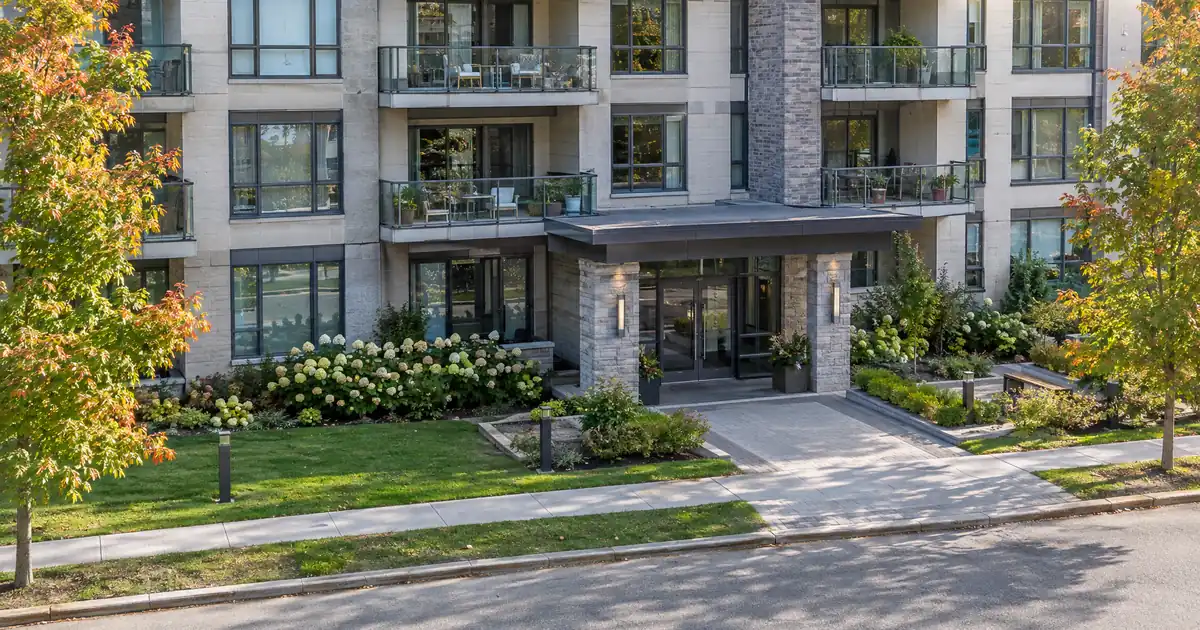
The Quick Read: A home equity line on a rental condo has to clear two separate tests. You must qualify as a borrower, and the building must pass a lender review built on the association’s completed questionnaire. Through Lendmire’s wholesale network, an investment line tops out at 70% CLTV and $500,000, with a 700 minimum credit score, subject to lender guidelines.
- Two gates, never one. Strong credit and equity do not rescue a building that fails review.
- Investment-property limits are firm. The ceiling is 70% CLTV, and credit above 700 buys eligibility, not extra leverage.
- The questionnaire is the usual stall. The association or its manager fills it out, not you, so request it first.
- Title matters. You or your revocable living trust must hold title. An LLC cannot.
- Non-warrantable condos can still work. The building review simply reads the same facts more closely.
What Is an Investment HELOC on a Condo?
An investment HELOC is a revolving credit line secured by a condo you rent out. You borrow against equity you already own. It cannot buy the condo.
How large a line the equity supports.
An equity line is sized by combined loan-to-value, occupancy, and credit — not by rental coverage. Switch the occupancy or the credit band and the ceiling moves with it.
Investment-property lines require a 700 minimum credit score; second-home lines start at a 640 minimum and primary-residence lines at 600, and the combined-LTV ceiling steps down as the credit band drops on primary-residence and second-home lines and holds on investment-property lines; the line cap steps down on primary-residence lines and holds at every tier on investment-property and second-home lines.
A debt-to-income ratio above 45% requires 680+ credit. Profiles under 640 are limited to single-family homes. At least 75% of the approved line is drawn at closing. Ceilings, floors, and caps update from Lendmire’s centralized guideline source.
Line estimate
Illustrative estimate only — not a quote, Loan Estimate, approval, or commitment to lend. The rate is an editable assumption; equity-line pricing is variable through both the draw and repayment periods and never converts to fixed. Occupancy and credit drive the ceiling together: an investment property tops out at 70% combined LTV (minimum credit 700, line cap $500,000); a second home tops out at 90% combined LTV (minimum credit 640, line cap $500,000), with the ceiling stepping down as the credit band drops (the cap holds at every tier); a primary residence tops out at 90% combined LTV (minimum credit 600), and its $750,000 maximum line is available only at 75% combined LTV or below with a 700-or-better credit profile (720 on the longer-runway program) and a full appraisal. Lines above $500,000 require a full appraisal. Credit, debt-to-income, property type, and full underwriting review all affect the final line.
NerdWallet notes that these lines exist but come with fewer lenders and lower limits than a line on your own home. Lenders see rentals as higher default risk, so they tighten the terms.
Across the wholesale network Lendmire works through, the line is a standalone loan. It sits in second position behind a first mortgage you keep, or in first position on a condo you have paid off. Investment lines run a 5-year draw period followed by a 25-year repayment period. At least 75% of the line is drawn at closing. There is no 3-year option on an investment property.
Lendmire is a broker, not the lender. It places these files with select wholesale partners, and every figure here is subject to lender guidelines and full file review.
Key Terms Defined
- HELOC: A home equity line of credit, a revolving loan you draw on as needed against property equity.
- CLTV: Combined loan-to-value, meaning all loans on the property added together and divided by its value.
- Draw period: The stretch when you can borrow from the line before it moves into repayment.
- Warrantable condo: A building that meets the standard rules for being sold into the secondary mortgage market.
- Non-warrantable condo: A building that fails those rules, often because of litigation, low reserves, or heavy investor ownership.
- Condo questionnaire: A form the lender sends the association to report project-level facts about the building.
- DSCR: Debt service coverage ratio, which compares a property’s rent with its monthly housing payment.
The Two Gates: You and the Building
You pass the borrower gate with credit, equity and a workable debt load. You pass the building gate when the association’s answers show a financially sound project. Neither gate substitutes for the other.
| Item | Gate One: You | Gate Two: The Building |
|---|---|---|
| What is checked | Credit, equity, debt load | Finances, litigation, ownership |
| Key document | Credit report, mortgage statement | Completed questionnaire |
| Who supplies it | You | HOA or management company |
| Typical failure | Over 70% CLTV, score under 700 | Unanswered or alarming answers |
Many first-time condo borrowers prepare only for Gate One. The building gate is where files stall, because it depends on a third party with no deadline of its own.
Gate One: How You and the Unit Are Underwritten
On an investment property, the network ceiling is 70% CLTV, and the line maxes out at $500,000. The credit floor is 700. Scores of 720 and 700 both reach the same 70% cap, so a higher score does not raise your leverage here.
Lenders also look at the person. The maximum debt-to-income ratio is 50%, and the lender reviews your file on the interest-only payment calculated at the maximum draw. Credit pulls come from a single-bureau score model, and the report cannot be more than 90 days old at closing. A bankruptcy needs 4 years of seasoning from discharge or dismissal. On investment files, a foreclosure needs 7 years, and a deed-in-lieu, pre-foreclosure or short sale needs 4.
The rental side matters too. The lender compares your rent with the line’s qualifying payment, and HOA dues sit on the payment side of that test. That means a condo needs more rent than a comparable house to show the same coverage.
Eligibility has hard edges. Residential condos qualify, warrantable or not. Condotels, co-ops, manufactured homes, log homes, commercial property, mixed-use property and agriculturally zoned land are not offered. A borrower can hold no more than three lines, and anyone owning more than 15 financed properties is not eligible.
On valuation, an investment line never exceeds $500,000, so it ordinarily runs on an automated valuation rather than a traditional appraisal. You can still request a full appraisal. A higher CLTV may call for a secondary valuation.
Lendmire’s HELOC placements cover 16 full-service states, narrower than its 41-market DSCR footprint.
What the Building Questionnaire Tests
The questionnaire asks the association for the facts that decide whether the project is a sound place to hold a lien. The standard version is Form 1076, which Freddie Mac issues as Form 476. Fannie Mae’s Selling Guide treats that form as optional and allows a substantially similar one. Lenders outside the agency system commonly use the agency form or their own equivalent.
That is the only agency contrast you need. The agency rules do not govern a HELOC on this network, though the building facts they surface are the same ones a non-agency reviewer reads.
Fannie Mae’s copy of the form even asks for the total commercial square footage in the building, including retail and public parking. Other sections cover basic project details, completion and phasing, and reserves.
| Topic | What the lender tests | Risky answer |
|---|---|---|
| Ownership mix | Dependence on investors | Few owner-occupants |
| Delinquent dues | Whether owners pay the association | High arrears |
| Litigation | Legal exposure of the project | Safety or financial suits |
| Reserves | Money set aside for repairs | Thin reserves, big deferred work |
| Insurance | Master policy coverage | Gaps or large deductibles |
| Commercial space | Share of non-residential use | Large retail footprint |
A risky answer does not always mean a decline. It can narrow the lender pool or change terms. On Lendmire’s network, the questionnaire’s completeness is the quiet failure point. A file with blank lines gets stuck before anyone reads the substance.
You do not fill the form out. The HOA Guide explains that the association or management company completes it, and no federal rule forces an association to answer. If the association refuses, the lender cannot finish its project review.
The same guide lists developer control, deferred maintenance and project completion among the topics the form reveals. Order the form, the budget and the declaration from the association before you pay for an application. Turnaround depends on the manager, and it often sets the pace for the whole file.
Warrantable vs. Non-Warrantable: Where the Rule Bends
A non-warrantable condo fails the secondary-market rules, so a conventional loan on it cannot be sold to Fannie Mae or Freddie Mac. A New York real estate law firm explains that portfolio and non-agency lenders do lend on these units, usually on different terms.
On Lendmire’s network, non-warrantable condos are eligible for these lines. The file still needs a clean questionnaire, and the project review still happens. Non-warrantable means ineligible for agency sale, nothing more.
Status can also change. Litigation resolves, reserves get rebuilt and arrears are collected, so a building that failed one year can pass later.
Litigation deserves a closer look. Effective Agents points out that reviewers weigh what a dispute is about. Safety, structural and association-finance suits are the serious ones. A minor dispute does not automatically sink a file.
One edge case catches people. A residential unit in a tower with a retail podium is an eligible property type, subject to project review. The line becomes ineligible when the collateral itself is a commercial or mixed-use unit.
Some lenders in the wider market advertise equity lines with no condo review at all. That is a different product, built differently. This network reviews the project.
A Worked Line-Sizing Example (With a Condo Twist)
Equity math comes first, and the building can still block it afterward. Use percentages, since the cap is a ratio.
Say your condo’s first mortgage equals 55% of its value. An investment line allows a combined 70%, so about 15 percentage points of value is open for the line. Stay under the $500,000 maximum, and the equity gate is clear.
Now picture a condo bought with 20% down, so the first mortgage sits near 80% of value. That is already over the 70% investment ceiling. No line is possible until paydown or appreciation brings the balance back under the cap. This is why a recently purchased rental often has no room to borrow.
Next, add the building. If the questionnaire shows heavy arrears, large deferred repairs and a pending structural suit, the equity math becomes irrelevant. A condo with enough equity and a failing building produces no line.
Clearing a rent test is also not the same as earning positive cash flow. Repairs, vacancy, management and utilities sit outside the lender’s calculation. If you use line proceeds for upgrades, tax treatment varies, so consult a qualified professional.
Title and Vesting: The LLC Problem
A HELOC on this network requires title held by you personally or by an inter vivos revocable living trust. LLCs, corporations, partnerships and irrevocable, blind or land trusts cannot hold title. Per program terms, that is the sharpest structural difference from a DSCR loan.
If your condo is already deeded to an LLC, you have two options. You can change the vesting, after thinking through the liability and title consequences. Or you can skip the HELOC and use a DSCR cash-out instead, which fits entity ownership better, subject to program terms.
HELOC or DSCR Cash-Out on a Condo?
The two products ask different questions. A HELOC looks at the person, while a DSCR loan is reviewed primarily on property-level rental income covering the payment, subject to lender guidelines. Many condo investors run both in parallel, and the complete DSCR loans guide covers the second path in depth.
| Factor | Investment HELOC | DSCR cash-out |
|---|---|---|
| Qualifies mainly on | Borrower profile | Property rent coverage |
| Max leverage | 70% CLTV, investment | Around 75% LTV, most programs |
| Title | Individual or revocable trust | Entity title often fits |
| Structure | Revolving line | One lump-sum loan |
| Seasoning | None stated | About 6 months common |
Choose the HELOC when you want flexible draws and personal title works for you. Choose the cash-out when the rent supports it and you want a fixed amount or entity ownership.
The Steps, in Order
1. Confirm eligibility. Check that the unit is a residential condo, not a condotel, and that you hold title personally or in a revocable trust.
2. Check your leverage. Add your first mortgage to the requested line and confirm the total stays at or under 70% CLTV on the investment property.
3. Order the building documents. Request the questionnaire, budget and declaration from the association before pricing the file.
4. Self-check the building. Look for high arrears, thin reserves, active suits, heavy investor ownership and large commercial space.
5. Check HOA leasing rules. A lender’s approval does not override association limits on leasing. Short-term rental rules can vary by city, county, HOA, and property type, so investors should confirm local rules before relying on projected rental income.
6. Submit the file. Include your credit report, mortgage statement and lease. The lender runs its borrower and project review in parallel.
When the Building Fails
You have three paths. You can wait for a cure if the problem is temporary, such as arrears being collected or a suit settling. You can borrow against a different property you own that does not have this problem. Or you can ask about a DSCR cash-out, which reads the same building but weighs the property’s income more heavily.
A failed review is information, not a verdict on you. Run the building self-check before paying for an application, and you avoid most of these surprises.
Frequently Asked Questions
Can I skip the condo questionnaire?
Not on this network. The lender reviews the project, and that review depends on the completed form. Some lenders elsewhere advertise no-questionnaire lines, but those are different programs with their own terms.
Who fills out the questionnaire?
The HOA or its management company completes it. You request it, pay any fee the association charges, and follow up. Turnaround depends on the manager.
Does a non-warrantable condo qualify?
A non-warrantable condo can qualify. Non-warrantable condos are eligible on this network, subject to a clean questionnaire and project review. They are not eligible for agency sale, which is a separate matter.
Can my LLC take out the line?
No. Title must be held by you or a revocable living trust. If the condo sits in an LLC, a vesting change or a DSCR cash-out are the usual alternatives, subject to program terms.
Can I use a HELOC to buy the condo?
No. A HELOC borrows against equity you already own. A condo bought with a small down payment may already have used up the 70% CLTV ceiling on an investment property.
Next Steps
If you are considering a home equity line and want to see how the numbers work, Lendmire can help you compare HELOC options based on the property, the equity available, credit profile, combined leverage, and your goals.
About Lendmire
Lendmire (NMLS# 2371349) is a mortgage broker that arranges financing through select lenders in its wholesale network. Its DSCR investor programs span 41 markets, including Washington, D.C. Lendmire is not a lender and does not make credit decisions. Nothing here is a commitment to lend. Scotsman Guide named Lendmire a Top Mortgage Workplace in both 2025 and 2026.
Investors who want the broader program framework can review how DSCR loans work.
Get Started
Ready to find the right loan for you?
See your offer in seconds. No credit pull, no obligation.
Informational only. Not a Loan Estimate, approval, or commitment to lend. Program availability and eligibility are subject to lender guidelines, credit approval, property review, and underwriting.
References
1. NerdWallet
2. Fannie Mae Selling Guide B4-2.1-01, General Information on Project Standards
3. Fannie Mae Form 1076 / Freddie Mac Form 476
4. The HOA Guide: Fannie Mae Condo Questionnaire
5. New York real estate law firm
6. Effective Agents: Selling a Condo, HOA Approval and Extra Paperwork
This article is part of Lendmire’s investment property HELOC program — full qualification details, guidelines, and scenarios live on the program page.
Related reading: Can You Get an Investment Property HELOC With W-2 and LLC Income? · How to Qualify for an Investment Property HELOC Before Your Return Is Filed · How to Qualify for an Investment Property HELOC or Home Equity Loan Online
Brandon Miller
Founder & CEO, Mortgage Loan Originator, Lendmire LLC
- Mortgage Loan Originator · NMLS# 1129696 · Verify on NMLS Consumer Access
- North Carolina Real Estate Broker · License# 343312 · Verify on NCREC
- North Carolina Insurance Producer · License# 19053198 · Property, Casualty, Life, Health · Verify on NAIC SBS
- Lendmire LLC · Firm NMLS# 2371349 · Verify firm licensure
Required disclosures. Lendmire (NMLS# 2371349) operates as a licensed mortgage broker, not a direct lender or depository. The discussion in this article is general in nature and should not be relied upon as financial, legal, or tax advice — every investment scenario is unique and should be reviewed by a qualified professional. Any loan inquiry is subject to lender underwriting, and this article is not a commitment to lend or a guarantee of approval. Mortgage rates, loan terms, and program guidelines vary by borrower, property, and state, and may change without notice. Equal Housing Opportunity. Verify licensure at NMLS Consumer Access.