
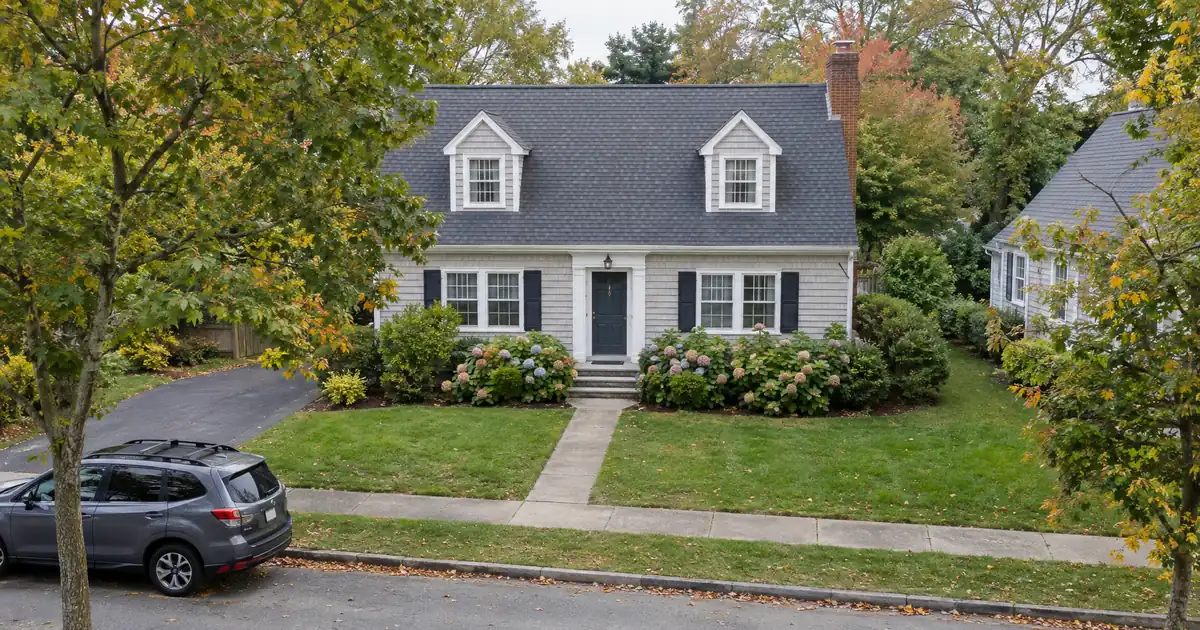
The Quick Read: A below-market lease hurts an investment property HELOC mainly through the rent figure, not the property value, so qualifying means knowing which test your lender runs, documenting the lease you actually have, and deciding whether to reset rent to market first, since lenders typically credit the lower of lease and market rent. Treatment varies by lender, and no single rule governs it.
- Across the wholesale network Lendmire works with, an investment-property line caps at 70% CLTV (combined loan-to-value) and $500,000, with a 700 minimum credit score, subject to lender guidelines.
- A lease above market rent rarely helps. A lease below market usually stays at the lease figure.
- A below-market lease does not normally lower appraised value, with one exception covered below.
- Title must sit with you personally or in a revocable living trust. An LLC cannot hold title on these lines.
- Resetting the lease to market and documenting on-time payments is often the cleanest fix.
What Is an Investment Property HELOC, Really?
An investment property HELOC is a revolving credit line secured by a rental you own. You draw against it as needed. It is harder to find than a HELOC on your own home, because lenders see higher default risk on rentals. Many banks simply don’t offer them.
How large a line the equity supports.
An equity line is sized by combined loan-to-value, occupancy, and credit — not by rental coverage. Switch the occupancy or the credit band and the ceiling moves with it.
Investment-property lines require a 700 minimum credit score; second-home lines start at a 640 minimum and primary-residence lines at 600, and the combined-LTV ceiling steps down as the credit band drops on primary-residence and second-home lines and holds on investment-property lines; the line cap steps down on primary-residence lines and holds at every tier on investment-property and second-home lines.
A debt-to-income ratio above 45% requires 680+ credit. Profiles under 640 are limited to single-family homes. At least 75% of the approved line is drawn at closing. Ceilings, floors, and caps update from Lendmire’s centralized guideline source.
Line estimate
Illustrative estimate only — not a quote, Loan Estimate, approval, or commitment to lend. The rate is an editable assumption; equity-line pricing is variable through both the draw and repayment periods and never converts to fixed. Occupancy and credit drive the ceiling together: an investment property tops out at 70% combined LTV (minimum credit 700, line cap $500,000); a second home tops out at 90% combined LTV (minimum credit 640, line cap $500,000), with the ceiling stepping down as the credit band drops (the cap holds at every tier); a primary residence tops out at 90% combined LTV (minimum credit 600), and its $750,000 maximum line is available only at 75% combined LTV or below with a 700-or-better credit profile (720 on the longer-runway program) and a full appraisal. Lines above $500,000 require a full appraisal. Credit, debt-to-income, property type, and full underwriting review all affect the final line.
Here is how the product works through the select wholesale lenders Lendmire places files with. The line sits in first or second lien position. Investment lines run a 5-year interest-only draw followed by a 25-year repayment period. At least 75% of the line is drawn at closing. Pricing floats and never converts to fixed. Line sizes on investment property run from $25,000 up to $500,000.
Credit sits at 700 or better. Debt-to-income tops out at 50%, and the lender calculates it on the interest-only payment at the maximum draw. Eligible collateral includes single-family homes, 2-4 unit buildings, townhomes, PUDs, and condominiums. Manufactured homes, co-ops, condotels, log homes, and mixed-use or agricultural properties are not offered.
These figures are typical guidelines, not promises. Every file gets individual review. Lendmire is a broker and arranges these lines through its partners. The equity-line programs reach a narrower set of 16 full-service states than the 41-market DSCR footprint.
Does a Below-Market Lease Actually Matter?
Yes, but in two places, and not equally. The lease is evidence of rent, so it feeds the income or coverage test. Value is a separate question that the appraiser answers from comparable sales, and a standard valuation does not shrink because your tenant pays less.
| Factor | Borrower-underwritten line | Rent-qualified line |
|---|---|---|
| Main test | Your income, credit, DTI, equity | Rent against the payment |
| Role of the lease | Proves part of your income | Sets the rent figure tested |
| Effect of a low lease | Smaller income credit | Directly lowers the ratio |
On a borrower-underwritten line, the lender counts only a portion of rent as income. A low lease means a smaller portion of a smaller number. Your other income and debts still carry most of the weight, so the hit is real but usually modest.
On a rent-qualified line, the lease can be the whole story. Rent against the payment is the main test, so every point of lease discount flows straight into the coverage ratio. The network’s investment HELOC runs on the borrower-underwritten side, with a 50% DTI cap. The rent-qualified path shows up in DSCR cash-out refinances, covered later.
Which Rent Does the Lender Count?
The lender typically counts the lower of your signed lease and the appraiser’s market rent. A lease below market stays at the lease figure. A lease above market gets trimmed down to market. Market rent comes from a rent schedule: Form 1007 on a single-family rental, and Form 1025 on a 2-4 unit building.
McKissock, an appraiser-education provider, explains that the 1007 estimates monthly market rent from comparable rentals. It also notes that the form documents rent while the lender makes the final income determination. Because the lender makes that final income determination, the appraiser’s number is an input, not a verdict.
| Your lease vs. market | Typical treatment |
|---|---|
| Below market | Lease figure usually governs |
| At market | Either figure, same result |
| Above market | Excess typically ignored |
Three assumptions trip investors up.
- A high lease helps. It usually doesn’t. Credit is capped at market.
- The appraiser will notice the tenant underpays and fix it. The appraiser reports market rent from comps. The lender then generally still uses the lower number.
- On a multi-unit file, an above-market unit offsets a below-market one. Generally it doesn’t. Each unit tends to be judged on its own.
Worked Example: Same Property, Two Leases
Run the numbers on one modeled rental with the same loan, same taxes, same insurance. These are illustrative assumptions, not market data. Suppose a rent-qualified test shows a coverage ratio around 1.20x when the lease sits at market rent.
Now drop the lease to 85% of market. Coverage falls to roughly 1.02x. At 75% of market, it lands near 0.90x. The ratio moves in lockstep with rent because the payment doesn’t change.
Notice what happens at the bottom of that range. A 15% rent discount takes a comfortable file to the edge of 1.00. A 25% discount puts it under. Select lenders in the network do take coverage below 1.00, with leverage and terms adjusted, but that path is a different program with different pricing, not a lower floor on the same one.
Cash flow tells a harsher story. Taxes, insurance, and maintenance don’t shrink with rent. A rent discount of 15% can erase far more than 15% of what you keep each month. Clearing a coverage ratio is also not the same as positive cash flow, because repairs, vacancy, management, and capital expenses sit outside the calculation.
Lease Situations That Change the Answer
Most files fit the basic lower-of rule. A few don’t.
| Situation | Typical treatment |
|---|---|
| Lease with term remaining | Lease figure used as signed |
| Expiring soon | Lender may want a renewal or new lease |
| Month-to-month or holdover | Market rent or renewal evidence may be requested |
| No written lease | Often a problem on rent-based tests |
| Fully vacant | Rent-qualified lines generally can’t work |
| Lease with a related party | Likely underwriting flag |
Leased-fee valuation. This is the one place a low lease can touch value. Appraisal theory separates fee-simple value from leased-fee value, meaning the worth of the landlord’s interest when a lease sits well below market. The Appraisal Institute’s Appraisal Journal walks through the concept using a commercial example. Most 12-month residential leases aren’t valued this way. The residential case worth flagging is a long-term lease set far below market. Because an investment line caps at $500,000 and full appraisals start above that, these lines usually run on an automated valuation that never sees the lease at all. A borrower can still request a full appraisal.
Related-party leases. Rent paid by someone you know at a steep discount tends to draw questions about whether it reflects real market terms. No universal rule exists here. Expect more documentation requests, and expect the lender to lean on market rent evidence and payment history.
Plans to raise rent. Lenders typically don’t credit rent increases that haven’t happened. Your plan helps only after the new lease is signed and payments are documented.
Low appraisal. If the valuation comes in low, you can ask for a reconsideration of value with better comps.
How to Qualify, Step by Step
Practitioners on this kind of file work in a set order. Do the same.
1. Check eligibility first. Confirm title is in your name or a revocable trust, credit is 700 or better, and the property type is on the eligible list. A property already deeded to an LLC needs a vesting change or a different product.
2. Pull the lease and the market rent side by side. Know the gap before the lender does.
3. Build proof of payment. Deposit records or a payment history show the rent is real. Income-based lines may also ask for rent rolls and rental income reported on tax returns.
4. Run CLTV. Add your first mortgage balance and the new line, then divide by value. Investment lines top out at 70% CLTV, and credit above 700 buys no extra leverage on investment property.
5. Check DTI. The lender counts only part of rent, then tests the interest-only payment at the maximum draw against a 50% cap.
6. Check exposure. A borrower can hold three lines, and owning more than 15 financed properties makes you ineligible.
A strong file clears both tests: enough equity and enough income. Equity alone doesn’t erase a thin income picture.
Fixes, Ranked
Reset the lease to market before you apply. This is usually the best move. A new lease at market rent, followed by a few documented on-time payments, replaces the weakest number in the file with a stronger one. Check local notice rules and any rent regulation before changing rent.
Time the application. If the lease expires soon, waiting for the renewal may beat applying with a stale number.
Ask for a smaller line. A smaller draw means a smaller payment in the DTI test, which can offset a thinner rent credit.
Switch products. Compare a borrower-underwritten line against a rent-qualified product and against a cash-out refinance.
Add strengths elsewhere. Lower combined leverage, stronger credit, and lower personal debt can offset a weaker rent figure, subject to lender guidelines.
Mistakes to Avoid
- Signing an inflated lease to win a bigger line. Credit is capped at market, and a lease that doesn’t match payment history invites scrutiny.
- Assuming market rent overrides the lease.
- Treating every rental HELOC as the same product. Lines differ by lender.
- Applying with a month-to-month tenant and no paper trail.
- Forgetting that a DSCR-style file still reviews credit, equity, title, and valuation.
When a HELOC Is the Wrong Tool
Two situations push investors elsewhere. The first is title. Because LLCs, corporations, and land trusts cannot hold title on these lines, a rental held in an entity points toward a DSCR cash-out refinance instead. The second is size or income. Lines top out at $500,000 on investment property and lean on your personal profile.
A DSCR cash-out refinance qualifies primarily on property-level rental income covering the payment, subject to lender guidelines. On most files it tops out around 75% LTV, with about 6 months of seasoning as the common expectation. Coverage of 1.00 is where many select programs start, and stronger ratios open better pricing and leverage. This is where a below-market lease hurts most, since the lower-of rule sets the rent figure directly. Entity titling is typically workable on DSCR loans, subject to lender program eligibility. For the full picture, see the complete DSCR loans guide.
Key Terms Defined
CLTV (combined loan-to-value): Your first mortgage plus the new line, divided by the property’s appraised value.
Market rent: The rent an appraiser estimates a property would earn from comparable rentals, shown on a rent schedule.
Lower-of rule: The common practice of crediting the smaller of the signed lease rent and the appraiser’s market rent.
Leased-fee value: The worth of a landlord’s interest when a lease sits well below market, which can differ from fee-simple value.
Borrower-underwritten line: A line approved mainly on your income, credit, and equity rather than on the property’s rent alone.
Frequently Asked Questions
Will a below-market lease disqualify me?
Rarely by itself. On a borrower-underwritten line, it shrinks the rent credit, but your credit, equity, and debts carry most of the weight. On a rent-qualified product, a deep discount can push coverage under the lender’s floor. Eligibility depends on the lender, the property, and the full file.
Can I use market rent instead of my lease?
Usually not when the lease is below market. The appraiser’s market rent informs the file, but the lender typically credits the lower figure. Resetting the lease and documenting payments is the dependable way to get market rent counted.
Does an above-market lease help?
No. Lenders generally cap the credit at market rent, so the excess is ignored. An inflated lease can also raise questions if payment history doesn’t match.
What if my tenant is month-to-month?
Treatment varies by program. A lender may use market rent, or ask for a renewal or other evidence the tenancy is stable. A signed lease with documented payments is a stronger file.
Should I raise rent before applying?
Often yes, if local rules and your tenant situation allow it. The lender credits rent that has actually been signed and paid. Check notice requirements and any rent regulation first.
If You Are Weighing Your Options
If you are considering a home equity line and want to see how the numbers work, Lendmire can help you compare HELOC options based on the property, the equity available, credit profile, combined leverage, and your goals. You can also read Lendmire’s look at the best investment property HELOC program with a below-market lease in place. Reach the team at 828-256-2183.
A lease is a document you control, which makes it the easiest weak spot to fix before an application.
About Lendmire
Lendmire (NMLS# 2371349) is a mortgage brokerage serving homeowners and real estate investors in its 16 full-service states. Home equity lines of credit are arranged through wholesale lending channels; Lendmire brokers the line and the lender underwrites each application under its occupancy-based guidelines. Scotsman Guide named Lendmire a Top Mortgage Workplace in both 2025 and 2026.
Get Started
Ready to find the right loan for you?
See your offer in seconds. No credit pull, no obligation.
Informational only. Not a Loan Estimate, approval, or commitment to lend. Program availability and eligibility are subject to lender guidelines, credit approval, property review, and underwriting.
References
1. NerdWallet
2. McKissock — Form 1007 and Rental Appraisals
3. Appraisal Institute — The Appraisal Journal, Leased Fee
This article is part of Lendmire’s investment property HELOC program — full qualification details, guidelines, and scenarios live on the program page.
Related reading: How to Use an Investment Property HELOC During and After a Divorce · How an Investment Property HELOC Works for Using Home Equity on an Investment Property · How to Qualify for an Investment Property HELOC Without Income Verification
Brandon Miller
Founder & CEO, Mortgage Loan Originator, Lendmire LLC
- Mortgage Loan Originator · NMLS# 1129696 · Verify on NMLS Consumer Access
- North Carolina Real Estate Broker · License# 343312 · Verify on NCREC
- North Carolina Insurance Producer · License# 19053198 · Property, Casualty, Life, Health · Verify on NAIC SBS
- Lendmire LLC · Firm NMLS# 2371349 · Verify firm licensure
Legal disclosures. Lendmire (NMLS# 2371349) is a state-licensed mortgage brokerage that arranges financing through wholesale lender relationships. Lendmire is not a direct lender, depository institution, or registered financial advisor. The discussion above is general informational content about real estate financing — it is not financial, legal, or tax advice, and readers should consult licensed professionals for guidance on their individual circumstances. Loan inquiries are subject to lender underwriting; this article does not represent a commitment to lend. Loan terms, rates, and qualification standards vary by borrower, property, and state, and are subject to change at any time. Equal Housing Opportunity. NMLS Consumer Access: nmlsconsumeraccess.org.