
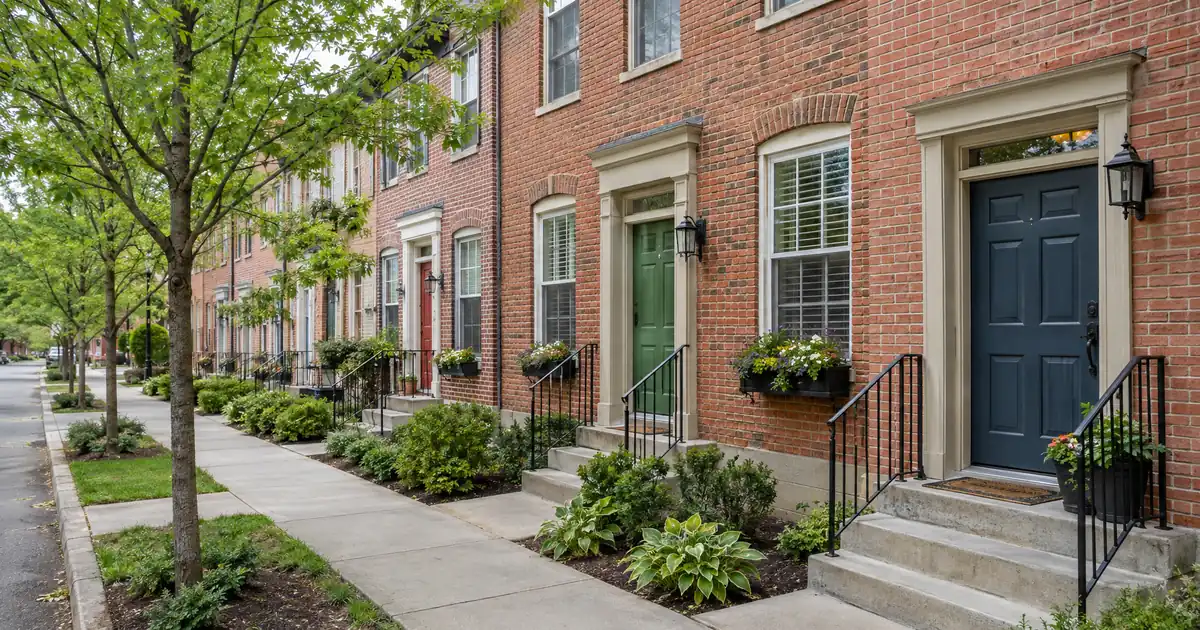
The Quick Read: A cash-out refinance replaces your whole first mortgage with a new, larger one, and that is the real cost for a lock-in homeowner. The new terms apply to the entire balance, not just the cash. To qualify, you need enough equity under a lower leverage cap, a first mortgage at least 12 months old, and time on title. Everything is subject to lender guidelines and full file review.
Key Takeaways
- Cash-out caps sit below rate-and-term caps: 80% LTV on a one-unit primary home, 75% on two- to four-unit homes, second homes and investment property.
- Two clocks run at once: 12 months on the loan being paid off and 6 months on title.
- Paying off a HELOC or a non-purchase second lien usually turns a “limited” refinance into a full cash-out.
- Keeping your first mortgage and adding a separate second lien is a real alternative, and sometimes the better one.
- Cash-out turns other debts into debt secured by your home. That is a risk, not a trick.
What “Lock-In” Means Here
“Lock-in” here means you hold a mortgage on terms you would rather not give up. It does not refer to the process of securing terms on a new loan. Those are different topics.
A cash-out refinance asks you to surrender that loan. The old balance, rate and term disappear. A new loan takes their place.
So the criteria come in two layers. The first is whether you qualify. The second is whether the loan you would give up is worth more to you than the cash.
What Counts as Cash-Out?
A refinance becomes cash-out when the new loan pays more than the first mortgage, closing costs and a purchase-money second lien. A “limited cash-out” refinance, also called rate-and-term, allows only incidental cash back. Across the wholesale programs Lendmire places files with, the line between the two decides almost everything: leverage, waiting periods and price.
Here is how the two structures compare.
| Factor | Rate-and-term (limited) | Cash-out |
|---|---|---|
| Cash to you | Incidental only | Meaningful amount |
| Max LTV, one-unit primary | 95% (97% in some cases) | 80% |
| First-loan age | No 12-month test | 12 months, note to note |
| Non-purchase second lien | Payoff converts it to cash-out | Can be paid off |
The 97% tier is narrow. The existing loan must be agency-owned, and the first-time-buyer program must allow it.
The details live in Fannie Mae’s limited cash-out rules. An owner must be on title when the application is taken. Only a second lien used to buy the home can be rolled in. A home listed for sale must come off the market by closing. The cash-back allowance has also been changed, so older articles may quote a stale cap.
Want a program overview first? Lendmire’s cash-out refinance programs page lays out the options.
How the Loan Is Underwritten, Step by Step
Underwriting follows a sequence. Knowing it tells you where a file can stall.
1. Classify the transaction. The lender asks what the new loan pays. A HELOC payoff or extra cash makes it cash-out.
2. Check the clocks. Title time and first-loan age are tested separately.
3. Order the appraisal. The LTV cap applies to appraised value, not your estimate.
4. Qualify you. Credit score, debt ratios, income and assets are reviewed.
5. Disclose and close. You get a Loan Estimate and a Closing Disclosure itemizing costs.
On score and ratios, the wholesale conventional programs start at a 620 decision score. The automated finding governs most files, with a total ratio ceiling of 50%. Manually underwritten loans run tighter, at 36% or 45%, depending on reserves and score. Waiting periods after credit events are agency rules: four years from a chapter 7 discharge, seven from a foreclosure, and four from a short sale or deed-in-lieu. Documented extenuating circumstances can shorten them.
The Two Clocks: Title and First Loan
Many owners think six months of ownership is the only wait. It is not. Two separate tests apply on a cash-out.
Title seasoning. At least one borrower must have been on title for six months. Exceptions exist for inheritance, a legal award such as a divorce decree, and delayed financing after a cash purchase. A home held in an LLC or revocable trust you control can also qualify, but title must move into your name at closing.
First-loan age. If the cash-out pays off your first mortgage, that mortgage must be at least 12 months old, counted from its note date to the new note date. Fannie Mae announced this first-lien seasoning rule as a separate test from title time.
Here is the catch. A subordinate lien being paid off does not trigger the 12-month test. Neither does a co-owner buyout under a legal agreement, per Fannie Mae’s cash-out rules. So a recent HELOC can be paid off even when a recent first loan could not be.
Leverage Depends on How You Use the Home
Occupancy sets the cap. The conventional cash-out figures are 80% LTV on a one-unit principal residence. Two- to four-unit principal residences, second homes and investment property all sit at 75%. The exact numbers vary by lender and program and follow a full review of property, leverage, and credit.
One wholesale lane stretches further. It reaches 89.99% LTV with no mortgage insurance on a thirty-year fixed. That needs a 680 score and a 50% ratio on a primary residence with a conforming balance. It carries its own six months of seasoning. Final terms depend on the lender’s guidelines, the property type, and the borrower’s complete credit picture.
Texas works differently. A cash-out on the homestead is capped by the state constitution at the agency figure, so that wholesale lane is not written there.
Mortgage insurance is a factor above 80% LTV. You can request cancellation at 80% of the original value, with good payment history, no subordinate liens and no decline in value. The servicer must end it automatically at 78%. Each figure is subject to lender guidelines and a complete review of property type, leverage, and credit.
The Lock-In Math
The math is simple, and no lender needs to run it for you. You compare two paths on one thing: total cost of borrowing for the same cash.
Path A, replace everything. One new loan covers the old balance plus the cash. The new terms apply to every dollar of it.
Path B, keep the first loan and add a second lien. Your old balance stays on its old terms. Only the new money carries new terms.
To compare them, work out a blended rate on Path B. Multiply each loan’s balance by its rate. Add the two results together. Then divide that sum by the total balance of both loans.
Compare that blend to the single new rate on Path A. The smaller your cash need is relative to your first balance, the more the old rate dominates the blend. Path B wins more often when the cash need is small. The larger the cash need, the more Path A starts to compete.
Then add closing costs. A common rule of thumb is to judge a refinance by how long its monthly savings take to repay what it cost. For a cash-out, savings may not exist at all. Then the question is what the cash is worth to you.
Three inputs drive the answer: the size of the cash need against your first balance, the gap between your old and new rates, and how long you will keep the home. A big gap and a small need point to keeping the loan. A small gap and a big need point the other way.
What You Give Up When You Replace the First Loan
Replacing a loan costs more than its rate. Check this list.
- Your rate and term. Years you have already paid down reset to a fresh term.
- A streamline path. An existing FHA loan can use the FHA Streamline, and an existing VA loan can use the VA IRRRL, with limited credit review and no appraisal on the FHA side. Taking cash out moves you into a full cash-out underwrite, and the streamline is gone.
- VA IRRRL timing. It needs seasoning of the later of 210 days and 6 payments, and carries a 0.5% funding fee unless exempt. Those are the benefits you walk away from.
- Your appraisal cushion. Cash-out means a full appraisal and a lower LTV cap.
- Closing costs. The Loan Estimate itemizes them. A “no-cost” refinance is not free. The cost moves into a higher rate or a larger balance.
Cash-Out vs. a Second Lien
For a lock-in homeowner, the main alternative is leaving the first mortgage alone and borrowing against equity separately. Lendmire’s piece Cash-Out Refinance vs Second Lien for a Lock-In Homeowner goes deeper, and its VA cash-out versus second lien criteria cover veteran borrowers. Here is the short version.
| Factor | Cash-out refinance | Second lien |
|---|---|---|
| First mortgage | Replaced | Stays in place |
| New terms apply to | Whole balance | Only the new money |
| Combined leverage | One cap, 80% for a one-unit primary | Set by the second-lien program |
| Best fit | Large need, one payment | Small to mid need, keep old terms |
Where it gets close: the second lien often carries its own terms and combined-leverage limits. A big cash need can blow through those limits. A tight debt ratio can block the second lien while a single refinance still fits.
Where the General Rule Breaks
- Title under six months. Inheritance, a legal award, delayed financing and a controlled LLC or trust are named exceptions.
- Delayed financing. If you paid cash for the home, the settlement statement must show no mortgage was used.
- An existing HELOC. If it was not used to buy the home, paying it off generally makes the deal cash-out. A purchase-money second can ride inside a limited cash-out. The obligation must be paid in full.
- Manufactured homes. Single-width homes are limited to principal-residence purchase and limited cash-out. Check before you assume anything.
- A rental or second home. Occupancy decides leverage. It is 75% on a cash-out, so a lower cap than your own residence.
- Jumbo balances. Above the conforming limit, jumbo programs take over with their own score and ratio floors.
Decision Scenarios
Here are five situations without dollar figures. Each gets a lean and a reason.
You need a modest sum for a roof. Lean: keep the first loan and add a second lien. The old terms dominate the blend, and the cash need is small.
You want to pay off a divorce buyout. Lean: cash-out may fit. A co-owner buyout under a legal agreement skips the 12-month first-loan test, and the title exception applies.
An adjustable loan is about to reset. Lean: refinance is already on the table. Compare a limited cash-out against a full one. Take only as much cash as the project needs.
You want to consolidate card debt. Lean: be careful. A CFPB paper on cash-out refinances and non-mortgage debt explains the logic: a defaulted mortgage can cost you the home, while a defaulted card or auto loan is unlikely to. Cash-out also draws down wealth that could fund future spending.
Your need is large and your debt ratio is tight. Lean: cash-out wins despite the old rate. A second lien may fail the combined-leverage or ratio limit, and one new loan may fit instead.
If the need is small, you can wait, or savings already cover it, you may be better off doing neither, because borrowing against a home with a low-rate loan buys little.
Pre-Application Self-Check
Answer yes or no.
1. Is my first mortgage at least 12 months old? 2. Have I been on title for six months, or does an exception apply? 3. Does my equity fit the 80% cap, or 75% for a multi-unit or non-primary home? 4. Is my score at or above 620? 5. Does my total debt ratio sit within 50%? 6. Is a HELOC being paid off, and does that convert the deal? 7. Have I compared a second lien on the same cash need? 8. Do I plan to stay long enough to recoup closing costs?
Tax treatment can depend on your situation; borrowers should speak with a qualified tax professional before relying on any deduction or credit.
Key Terms Defined
Cash-out refinance: A new first mortgage larger than the one it replaces, with the difference paid to you.
Limited cash-out refinance: A refinance that pays the old loan, costs and a purchase-money second, with only incidental cash back.
LTV (loan-to-value): The loan balance divided by the home’s appraised value.
Seasoning: The waiting period a lender requires on title or on the loan being paid off.
Note date: The date on the signed loan agreement, used to measure first-loan age.
Second lien: A separate loan secured by the home, ranking behind the first mortgage.
Delayed financing: A cash-out allowed soon after a cash purchase, with proof no mortgage was used.
Frequently Asked Questions
Does the new rate apply to my whole balance?
Yes. A cash-out replaces the old loan, so the new terms cover the full balance, not only the cash you take. That is the heart of the lock-in tradeoff, and a second lien is how some owners avoid it.
Can I take cash out and keep my old rate?
Not through a cash-out refinance, because it replaces the first loan. Some owners keep the first mortgage and add a separate second lien. Whether that works depends on combined-leverage limits and your debt ratio.
How long do I have to wait before a cash-out?
Two clocks apply on conventional loans: 12 months on the first mortgage being paid off and six months on title. Exceptions include inheritance, legal awards and delayed financing. Paying off a second lien does not trigger the 12-month test.
Can an FHA Streamline or VA IRRRL give me cash?
Not in a meaningful amount. Both are streamlines for existing government loans. A borrower who wants real cash needs a full cash-out, which is underwritten as a different product and gives up the streamline’s lighter review.
Do I have time to change my mind?
On a refinance of your primary residence, a three-day right to rescind generally applies, running from when you receive the proper notice of that right. Your closing papers show the exact dates. It applies to a refinance, not to a purchase.
If you are weighing a cash-out refinance against keeping the loan you have, Lendmire can help you compare the programs and the equity each one reaches. Program figures here are subject to lender guidelines and full file review, and nothing here is a commitment to lend.
For current guidelines and terms, see Lendmire’s refinance programs page.
About Lendmire
Lendmire (NMLS# 2371349) is a mortgage brokerage serving homeowners and home buyers in 16 states. FHA, VA, conventional and jumbo purchase and refinance loans are arranged through wholesale lending channels; Lendmire brokers the financing and the lender underwrites each application. Scotsman Guide named Lendmire a Top Mortgage Workplace in both 2025 and 2026.
For your own numbers, request a scenario review with Lendmire.
Get Started
Ready to find the right loan for you?
In about 30 seconds you can review financing options available for your home or investment property. No commitment required.
Informational only. Not a Loan Estimate, approval, or commitment to lend. Program availability and eligibility are subject to lender guidelines, credit approval, property review, and underwriting.
References
1. Fannie Mae Selling Guide B2-1.3-02, Limited Cash-Out Refinance Transactions
2. Fannie Mae Capital Markets, Updates to Cash-Out Refinance Eligibility
3. Fannie Mae Selling Guide B2-1.3-03, Cash-Out Refinance Transactions
4. CFPB, Cash-Out Refinances and Paydown Behavior of Non-Mortgage Debt Balances
This article is part of Lendmire’s Refinance series — every loan program’s qualification details, guidelines, and scenarios live on the loan options page.
Related reading: How Much More a Cash-Out Refinance Costs on a Condo · How Much a Cash-Out Refinance Releases for an Equity-Rich Homeowner · Is a Cash-Out Refinance Worth It for a Small Sum?
Brandon Miller
Founder & CEO, Mortgage Loan Originator, Lendmire LLC
- Mortgage Loan Originator · NMLS# 1129696 · Verify on NMLS Consumer Access
- North Carolina Real Estate Broker · License# 343312 · Verify on NCREC
- North Carolina Insurance Producer · License# 19053198 · Property, Casualty, Life, Health · Verify on NAIC SBS
- Lendmire LLC · Firm NMLS# 2371349 · Verify firm licensure
Disclosure information. Lendmire is a state-licensed mortgage brokerage under NMLS# 2371349. Lendmire is not a depository institution, direct lender, or financial advisor — all loans referenced are placed through wholesale lender partners and are subject to each lender's underwriting standards. This article is provided for general informational purposes and is not a commitment to lend, nor does it constitute financial, legal, or tax advice. Loan programs, terms, rates, and qualification standards change without notice and depend on borrower profile, property type, and the state in which the subject property is located. Equal Housing Opportunity provider. NMLS Consumer Access: nmlsconsumeraccess.org.