
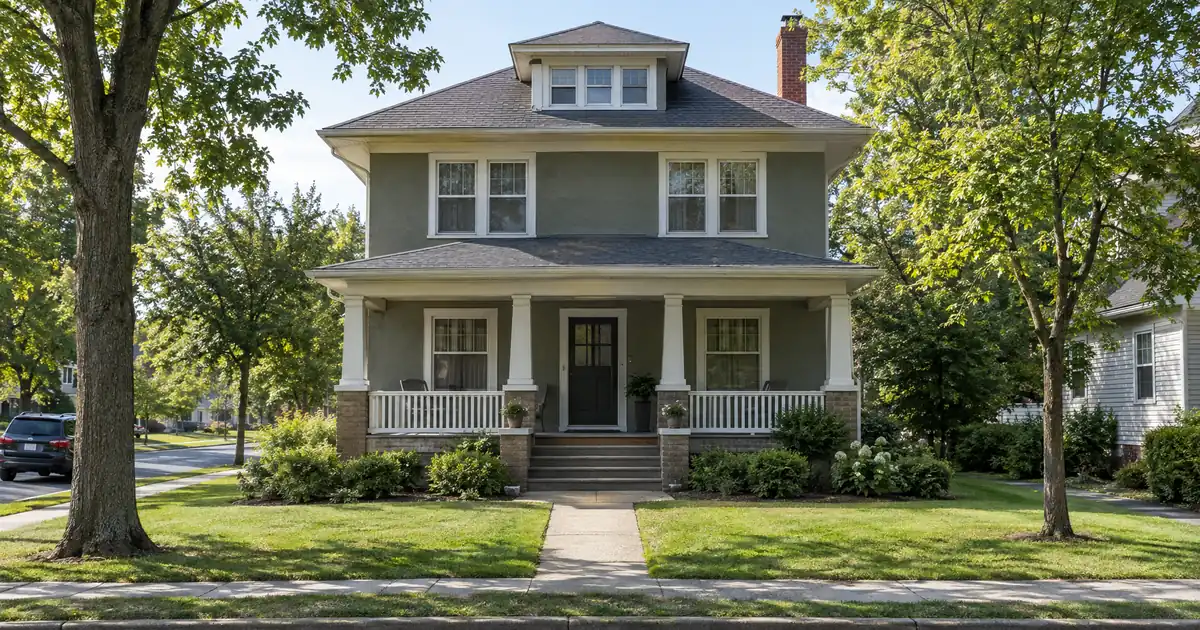
The Quick Read: A true zero-wait cash-out is mostly a myth, because lenders still look at three separate clocks: how long you’ve held title, whether they size the loan off today’s appraisal or your cost basis, and how old the loan you’re paying off is. Paths that move early do exist. They include delayed financing after an all-cash purchase, rate-and-term refinances, and cost-basis-sized cash-outs. Each one limits how much you can pull out.
Key Takeaways
- “No seasoning” usually means the loan is sized off cost basis, not the new appraised value.
- Rate-and-term refinances, where no cash leaves the table, generally face the lightest waiting rules.
- Delayed financing needs an all-cash, arm’s-length purchase with documented funds, and it usually fails if any financing was placed on the property.
- Across the wholesale network, cash-out tops out around 75% LTV, and about 6 months of seasoning is the common expectation.
- Exceptions exist, but they are discretionary. Don’t build a plan around one.
What Does “Seasoning” Actually Mean?
Seasoning is the waiting period a lender wants before it treats a recent purchase as a refinance candidate. It exists to screen for flip-and-inflated-appraisal patterns, and it comes in three flavors that get mixed up constantly.
DSCR Calculator
Run the numbers in your market
Rate source: Freddie Mac 30-yr average via FRED® — Federal Reserve Bank of St. Louis · effective Sep 24, 2026
Prefilled with starting assumptions — enter your own rent or nightly figures, taxes, insurance, and HOA for a more accurate picture.
Program parameters update from Lendmire’s centralized guideline source. Taxes and insurance are editable estimates.
As of Sep 24, 2026 · General Freddie Mac market benchmark, not a Lendmire loan offer. Rent, nightly rate, occupancy, taxes, and insurance are editable estimates. Short-term rental figures are estimates only and vary significantly by season, property type, management approach, and local short-term-rental rules — confirm local regulations before relying on them. Qualifying income for short-term rentals varies by program — some use appraisal market rent, others use documented STR history or projections — and is confirmed in underwriting. Not a Loan Estimate, approval, or commitment to lend. Program availability and eligibility are subject to lender guidelines, credit approval, property review, and underwriting.
Title seasoning is how long you’ve been on the deed. Value seasoning is whether the lender sizes proceeds off the current appraisal or off the purchase price plus documented improvements. Existing-loan seasoning is how old the loan being paid off is.
Most investors fixate on title seasoning. Value treatment, though, often matters more to your proceeds than the calendar does, and a closer look at refinancing rental property seasoning makes the distinction clear. You can be allowed to refinance early and still walk away with far less cash than the appraisal implied.
For the broader program picture, Lendmire’s complete DSCR loans guide covers how these investor loans are built. DSCR loans are designed for non-owner-occupied investment properties. Because they are business-purpose investor loans, they are reviewed differently from a standard owner-occupied mortgage.
How Does Underwriting Treat an Early Refinance, Step by Step?
Underwriting follows a consistent sequence. Here is how a typical early-refinance file moves through it.
1. Acquisition path. Was the property bought with cash, a bridge loan, hard money, or seller financing? Any financing secured by the property after purchase typically removes the delayed-financing route.
2. Refinance type. Delayed financing is technically still a cash-out, but the seasoning clock is waived. A rate-and-term refinance commonly carries shorter or no seasoning. A standard cash-out needs the lender’s full title-seasoning period.
3. Documents. Expect the recorded deed, the settlement statement (HUD or ALTA, since business-purpose files may lack a consumer-style closing disclosure), proof of the funds used to buy, a current title report, lease or rent support, and any LLC transfer records.
4. Valuation and rent. An appraisal is still ordered. It confirms value and establishes market rent for the coverage calculation.
5. Loan sizing. This is where early refinances get decided. A fast refinance generally gets cost-basis sizing. Appraisal-based sizing, the BRRRR payoff, arrives after the lender’s value-seasoning window.
6. Coverage test. Monthly rent is divided by the full monthly obligation: principal, interest, taxes, insurance, and any association dues. Select programs start at 1.00. Stronger ratios open better pricing and leverage.
One thing to keep straight. Clearing that coverage test is not the same as positive cash flow. Repairs, vacancy, management, utilities, and capex all sit outside the calculation.
Which Structures Let You Refinance Early?
Four routes account for nearly every early refinance. The table lays them side by side.
| Route | Clock waived? | How proceeds are sized | Main catch |
|---|---|---|---|
| Delayed financing | Yes | Lower of appraisal or cost basis | All-cash, arm’s-length purchase only |
| Rate-and-term | Usually shorter | Payoff plus costs | No cash out |
| Early cash-out | Partly | Cost basis, not appraisal | Smaller proceeds |
| Documented exception | Case by case | Varies | Discretionary |
Delayed financing after an all-cash purchase
This is the cleanest early path. Securitization due-diligence filings show how programs actually write it. One DSCR program’s exception log records a path where the property was bought for cash shortly before application, the purchase was arm’s-length, and the funds were documented with a settlement statement. Timing varies by file and lender. Maximum leverage was based on the lower of current appraised value or purchase price plus documented improvements.
Another filing spells out the trap. If any financing secured by the property was used or obtained since purchase, delayed financing is ineligible. The loan gets treated as a cash-out and must meet cash-out seasoning, or as a rate-and-term if it qualifies.
Look-back windows differ by program. One filing shows a 12-month window, another 180 days. That variance is exactly why a single “rule” doesn’t exist.
Rate-and-term refinances
If you’re not taking cash out, the waiting rules generally ease. This is the overlooked option. An investor paying off a short-term bridge loan who only needs to clear the payoff, and doesn’t need extra proceeds, may find rate-and-term far easier to place than a cash-out.
The catch is sizing. The new loan has to be large enough to clear the old one. Which brings up the worst early-refinance failure.
The payoff trap
Picture an investor who buys a distressed property on a bridge loan, rehabs it, and sees an appraisal well above the purchase price. They assume the refinance will be sized to the new value. But the lender, still inside the value-seasoning window, sizes to cost basis plus documented improvements. If that figure doesn’t cover the bridge payoff, the refinance fails, or the investor has to bring cash to the table.
Planning the exit before signing the purchase contract is the fix. Know which clock applies and what basis the lender will use before the bridge loan is ever drawn.
Early cash-out and documented exceptions
Some programs allow cash-out at short ownership periods using the lower of appraised value or cost basis, sometimes with a higher credit-score requirement. Market surveys report tiered leverage by ownership length, with early tiers sized off cost basis. Across the wholesale network, the ceiling for standard-rental cash-out is about 75% LTV, with about 6 months of seasoning the common expectation. Programs vary, and every file is underwritten individually, subject to lender guidelines.
Exceptions are real, too. The due-diligence logs show an originator allowing a cash-out with under six months of seasoning, and another waiving title seasoning with an experienced investor and strong coverage. Compensating factors usually include a credit score well above the minimum, strong coverage, and investor experience.
Here’s the honest read. Exceptions are discretionary. They show seasoning is a written guideline with documented flexibility, not a law of physics. Use them as a backstop, never as the plan.
Where Does the General Rule Break?
Several named edge cases catch investors off guard.
Hard-money or bridge payoff. Because financing was secured on the property, this is treated as a standard cash-out, not delayed financing. Seasoning applies.
Land bought long before a cash-funded build. One filing shows a borrower who paid cash for a new build, but the original lot had been acquired outside the program’s 12-month window. Delayed financing wasn’t available, and an exception was needed to close it as a cash-out.
Guidelines that defer to another rulebook. One log records an investor confirming its guidelines follow the agency delayed-financing concept, allowing a purchase under six months with the settlement statement and bank statements sourcing the funds. That’s a program-by-program choice. DSCR programs aren’t agency products, and each sets its own rules. The agency contrast is useful only as background. Fannie Mae’s Selling Guide has its own delayed-financing exception that caps the new loan at the documented investment, but it doesn’t govern these files.
Coverage below 1.00. Programs below 1.00 coverage are available through select lenders in the network, with leverage and terms adjusted. If a file only works at lower coverage, expect less leverage and tighter terms. That’s a signal to revisit the numbers before you reach for the loan.
Ineligible property types. Manufactured homes (single- and double-wide), log homes, and barndominiums are not offered in these DSCR programs, no matter how long you’ve owned them.
What Does the Decision Look Like in Practice?
The real fork is speed to recoup cash versus maximum proceeds. Those two goals pull in opposite directions.
Say you bought a rental for cash and want your capital back fast to fund the next deal. Delayed financing may fit. You recover up to your cost basis, quickly relative to waiting out a full seasoning window, but you leave any forced appreciation on the table until value seasoning passes.
Now consider an investor who bought well below market and renovated. Waiting until the lender will use the appraisal could unlock meaningfully more cash than refinancing early at cost basis. The discount isn’t captured until the value clock clears. For this investor, patience usually pays.
Then there’s the investor who just wants out of a bridge loan. Rate-and-term, sized to the payoff, may be the cleaner path, provided the payoff fits inside cost basis.
A few practical points on the file itself:
- Leverage. Purchase leverage typically lands at 75%-80% LTV, and cash-out tops out around 75%. Short-term-rental collateral runs lower: cash-out around 70%, with about 12 months of hosting history and a 640+ score expected.
- Credit. A 620 floor exists in parts of the network. Most programs want around 660, and 700+ unlocks the strongest leverage tiers.
- Reserves. Commonly around 6 months of PITIA, stepping up to about 9 months on loans above $1,500,000. Conservative rate-and-term files at modest leverage can see reserves waived, depending on the lender.
- Loan size. Standard programs run up to $3,000,000, with smaller balances routed through select lenders.
These are typical ranges, subject to lender guidelines, credit approval, and property review. They are not commitments to lend.
Here’s the point worth stressing. A bigger equity cushion or a stronger coverage ratio helps, but neither erases leverage caps, credit floors, reserve rules, or property eligibility. The strongest files clear both tests: enough equity and enough rental coverage.
On the money side, tax treatment can depend on how the funds are used and how the property is held; investors should keep clear records and speak with a qualified tax professional before relying on any deduction. For a related angle, Lendmire’s piece on whether to sell or cash-out refinance a rental walks through that choice.
A practitioner’s note
Across the wholesale network, the single most common early-refinance surprise isn’t the waiting period. It’s the sizing basis. Investors hear “no seasoning” and assume appraisal-based proceeds, then discover the loan is capped at cost basis plus documented improvements. Pulling the settlement statement and renovation receipts together before applying, and asking each lender which value it will use, avoids most of it. Guidelines differ lender to lender, which is the advantage of comparing several.
Key Terms Defined
Seasoning: The waiting period a lender requires before treating a recent purchase as a refinance candidate.
Title seasoning: How long the borrower has been on the property’s deed.
Value seasoning: Whether a lender sizes proceeds off the current appraisal or off cost basis.
Delayed financing: A cash-out-style refinance of a recent all-cash purchase where the seasoning clock is waived and proceeds are limited to documented cost.
Rate-and-term refinance: A refinance that replaces the existing loan without taking cash out.
Cost basis: The purchase price plus documented eligible costs and improvements.
DSCR: Debt service coverage ratio, meaning monthly rent divided by the full monthly obligation of principal, interest, taxes, insurance, and any association dues.
For deeper background on the underwriting concepts discussed here, see the Fannie Mae Selling Guide.
Frequently Asked Questions
Can I use my new appraised value if I refinance right after buying?
Usually not. Early refinances are commonly sized off the lower of appraisal or cost basis, so the appraisal only drives proceeds once the lender’s value-seasoning window has passed. Ask each lender which value it uses before you apply.
Does buying with a hard-money or bridge loan rule out delayed financing?
In most cases, yes. Financing secured by the property typically removes the delayed-financing route, and the loan is treated as a standard cash-out with seasoning applied. Rate-and-term, sized to the payoff, may still work.
Is there one DSCR seasoning rule across lenders?
No. Seasoning, valuation, and exception rules are lender-specific, and the due-diligence filings show look-back windows ranging from 180 days to 12 months. Comparing several programs matters more here than almost anywhere else in the file.
Do I need a tenant in place to refinance?
It depends on the program and property. The appraisal establishes market rent for the coverage calculation, and lease or rent support is typically requested. If you’re between tenants or doing a rate-and-term, ask the lender what rent documentation it wants.
What if I’m refinancing without steady traditional employment income?
DSCR qualifies primarily on property-level rental income covering the payment, subject to lender guidelines. Lendmire’s article on refinancing a rental without a job covers that angle.
If you are buying or refinancing a rental property and want to see how the numbers work, Lendmire, a broker arranging financing through select lenders across 41 markets including Washington, D.C., can help you compare DSCR loan options based on the property income, credit profile, leverage, and investor goals. Call 828-256-2183 or request a quote.
For current guidelines and terms, see Lendmire’s DSCR loan programs page.
About Lendmire
Lendmire, NMLS# 2371349, is a non-QM mortgage broker serving real estate investors in 41 markets, including Washington, D.C., through DSCR investor loan programs. Qualification is generally reviewed around the subject property’s rental income, not the borrower’s W-2 history — a practical fit for LLC-titled portfolios and self-employed investors. All scenarios remain subject to lender review and program guidelines. Lendmire has earned two consecutive Scotsman Guide Top Mortgage Workplace recognitions (2025, 2026).
Scotsman Guide’s Top Mortgage Workplace lists for 2025 and 2026 document Lendmire’s recognition.
Get Started
Ready to find the right loan for you?
In about 30 seconds you can review financing options available for your investment property. No commitment required.
Informational only. Not a Loan Estimate, approval, or commitment to lend. Program availability and eligibility are subject to lender guidelines, credit approval, property review, and underwriting.
References
1. Fannie Mae
This article is part of Lendmire’s DSCR loan program — full qualification details, guidelines, and scenarios live on the program page.
Related reading: Luxury Rental DSCR Loans In New Jersey · Jersey Shore Vacation Rental Loans: DSCR Financing In Ocean City, Cape May And Long Beach Island · DSCR Cash-out Refinance In New Jersey: Pulling Equity From A Rental
Brandon Miller
Founder & CEO, Mortgage Loan Originator, Lendmire LLC
- Mortgage Loan Originator · NMLS# 1129696 · Verify on NMLS Consumer Access
- North Carolina Real Estate Broker · License# 343312 · Verify on NCREC
- North Carolina Insurance Producer · License# 19053198 · Property, Casualty, Life, Health · Verify on NAIC SBS
- Lendmire LLC · Firm NMLS# 2371349 · Verify firm licensure
Required disclosures. Lendmire (NMLS# 2371349) operates as a licensed mortgage broker, not a direct lender or depository. The discussion in this article is general in nature and should not be relied upon as financial, legal, or tax advice — every investment scenario is unique and should be reviewed by a qualified professional. Any loan inquiry is subject to lender underwriting, and this article is not a commitment to lend or a guarantee of approval. Mortgage rates, loan terms, and program guidelines vary by borrower, property, and state, and may change without notice. Equal Housing Opportunity. Verify licensure at NMLS Consumer Access.