
The Quick Read: An auction house qualifies for a rental HELOC on the same terms as any other investment property, but title and vesting come first, then borrower credit and DTI, then valuation. A clean, insurable deed in the right name matters more than any ratio, and everything here stays subject to lender guidelines.
- Investment-property lines cap at 70% CLTV, with a 700 minimum credit score and a $500,000 maximum line.
- Title must sit in your personal name or a revocable living trust. An LLC cannot hold title on the line.
- Auction deeds are often limited-warranty or quitclaim deeds, so insurable title is the first gate.
- Lines at or below $500,000 ordinarily run on an automated valuation with no traditional appraisal, which may not reflect a fresh rehab.
- A DSCR cash-out refinance is the usual route when the house sits in an LLC.
What a Rental HELOC Actually Is
A HELOC is a revolving line secured by the property. You draw against equity, which is value minus what you owe. It is not a purchase loan, and it does not read the property’s rent the way a DSCR loan does.
How large a line the equity supports.
An equity line is sized by combined loan-to-value, occupancy, and credit — not by rental coverage. Switch the occupancy or the credit band and the ceiling moves with it.
Investment-property lines require a 700 minimum credit score; second-home lines start at a 640 minimum and primary-residence lines at 600, and the combined-LTV ceiling steps down as the credit band drops on primary-residence and second-home lines and holds on investment-property lines; the line cap steps down on primary-residence lines and holds at every tier on investment-property and second-home lines.
A debt-to-income ratio above 45% requires 680+ credit. Profiles under 640 are limited to single-family homes. At least 75% of the approved line is drawn at closing. Ceilings, floors, and caps update from Lendmire’s centralized guideline source.
Line estimate
Illustrative estimate only — not a quote, Loan Estimate, approval, or commitment to lend. The rate is an editable assumption; equity-line pricing is variable through both the draw and repayment periods and never converts to fixed. Occupancy and credit drive the ceiling together: an investment property tops out at 70% combined LTV (minimum credit 700, line cap $500,000); a second home tops out at 90% combined LTV (minimum credit 640, line cap $500,000), with the ceiling stepping down as the credit band drops (the cap holds at every tier); a primary residence tops out at 90% combined LTV (minimum credit 600), and its $750,000 maximum line is available only at 75% combined LTV or below with a 700-or-better credit profile (720 on the longer-runway program) and a full appraisal. Lines above $500,000 require a full appraisal. Credit, debt-to-income, property type, and full underwriting review all affect the final line.
Across the wholesale network Lendmire brokers through, an investment-property line is a standalone first or second lien. It runs a 5-year interest-only draw followed by a 25-year repayment. The price floats through both periods and never converts to fixed. At least 75% of the line is drawn at closing, so size it to the need.
Availability is narrower than the DSCR footprint. These lines are offered only in Lendmire’s 16 full-service states. The wider 41-market footprint covers DSCR loans, not HELOCs.
How a Lender Sees an Auction Purchase
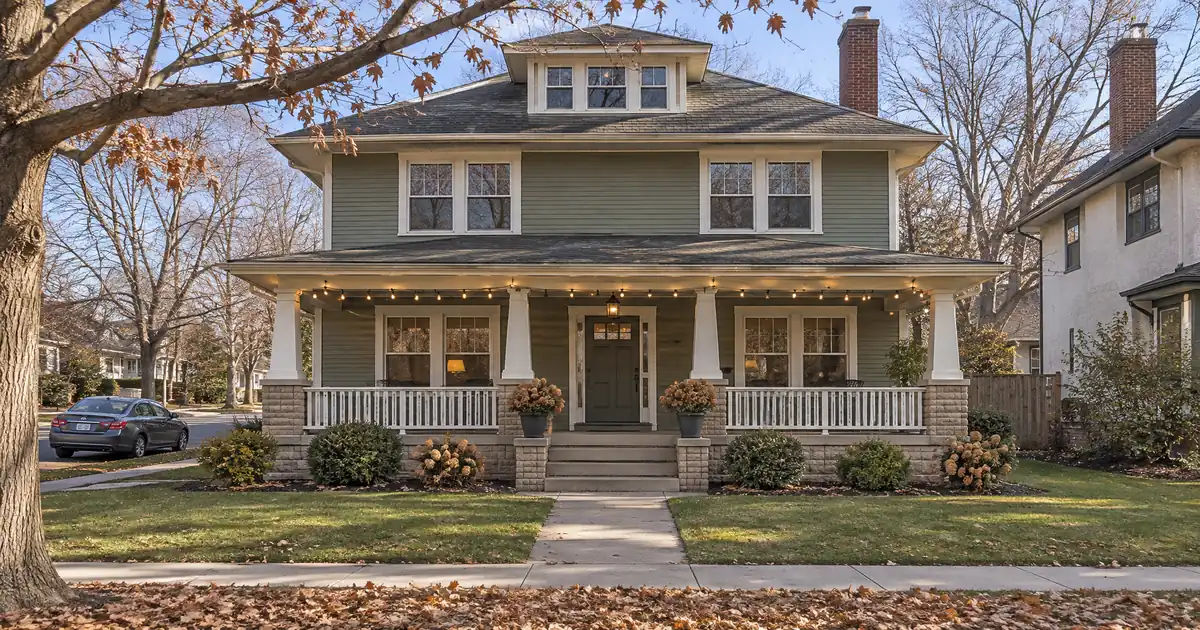
An auction house reaches a HELOC underwriter as a recently acquired, often cash-bought, often distressed asset. Foreclosure sales typically require cash or certified funds soon after the sale, so there is usually no purchase mortgage in the picture. With no first mortgage, the new line is the only lien, which lightens the CLTV math.
The file still runs the standard tests. Underwriters check four things, roughly in this order: title and vesting, borrower credit and DTI, value, and property type.
The network does not publish a general ownership waiting period for the investment line, which is not the same as no review. Credit, equity, title, and valuation all still apply. Individual lenders may set their own seasoning, so treat any rule you hear secondhand as one lender’s rule.
Title Is the First Gate
Auction deeds are not always clean. Deeds.com notes that foreclosure buyers often receive a quitclaim or special warranty deed rather than a general warranty deed. It also says a bank-owned (REO) sale is generally easier to insure than a courthouse sale. The deed type alone does not settle whether title is clean, so check each file.
A quitclaim deed gives less assurance than a general warranty deed. Some jurisdictions also give the prior owner a redemption right under certain conditions.
Lenders on this product want insurable title. Where an auction deed cannot get an owner’s policy at first, a quiet title action is the usual fix. PropertyOnion covers how county auctions are paid for and why cash buyers end up with title questions. Quiet title costs time and money, so count it as a financing variable, not a footnote.
The file-level catch is that a line cannot close on a house nobody will insure. Order the title commitment before you apply, not after.
The Vesting Problem (LLC Buyers)
Many investors buy at auction through an LLC. On this product that creates the sharpest friction point. Title must be held by the individual borrower or a revocable living trust. LLCs, corporations, partnerships, and irrevocable, blind, or land trusts cannot hold title, subject to lender program eligibility.
You have two options:
1. Deed the property out of the LLC into your name or a revocable trust, then apply for the line.
2. Leave it in the LLC and use a DSCR cash-out refinance instead.
The two products look at different things. A HELOC reviews your credit and DTI. A DSCR cash-out refinance reviews the property’s rental income against the full payment. Before you move a deed, think about why you put the house in an LLC in the first place.
Credit, DTI, and Exposure Requirements
For an investment property on this network:
- Credit: 700 minimum, with no tier beneath it. Scores of 720 and of 700 both reach the same 70% CLTV, so a higher score buys eligibility, not extra leverage.
- Score model: single-bureau, keyed to the primary wage earner, with a report no more than 90 days old at closing.
- DTI: 50% maximum, qualified on the interest-only payment calculated on the maximum draw. That is the full line, not just what you plan to use.
- Line size: $25,000 to $500,000. Lines above $500,000 are primary-residence only.
- Exposure: a borrower owning more than 15 financed properties is not eligible. Borrowers are limited to three lines.
Derogatory history runs on its own clock, separate from how long you have owned the house. A bankruptcy needs 4 years from discharge or dismissal. On investment files, a foreclosure needs 7 years. A deed-in-lieu, pre-foreclosure, or short sale needs 4. Buying a foreclosed house at auction does not put a foreclosure on your credit. Those clocks attach to your own history, not to the property you bought.
Valuation Right After an Auction
Lines at or below $500,000 ordinarily run an automated valuation with no traditional appraisal. Because an investment line caps at $500,000, it sits in that lane by structure. You can request a full appraisal in any case, and a higher CLTV may trigger a secondary valuation.
This is where auction buyers get tripped up. An automated number built from public data may not capture a rehab you just finished. If the work moved the value, ask for the full appraisal and bring your scope of work and receipts. A rehab may support a higher appraised value, depending on comps and underwriter review.
The CLTV test is simple. First mortgage plus new line, divided by value, must stay at or under 70% on an investment property. Run it with a realistic value, not your hoped-for after-repair number.
Property Types and Status Screens
Two screens matter for auction buyers who plan to flip:
- A property listed for sale, or listed within the past 60 days, is ineligible in Indiana, North Carolina, Pennsylvania, Tennessee, Texas, and Washington. Relist quickly and the line is off the table in those states.
- Texas homestead rules (12-day wait, one lien at a time, 12-month seasoning) bind primary residences only. Texas investment properties are non-homestead, and Texas properties are limited to 10 acres.
Occupants are a separate issue. An auction buyer may inherit people who still live there. The line itself does not turn on a lease, but an occupied or unsettled property complicates title and valuation.
Where the General Rule Breaks
Delayed financing is not a HELOC rule. Fannie Mae’s Selling Guide lists delayed financing as an exception inside its first-mortgage cash-out rules, and agency rules govern agency loans only. That exception does not carry over to a line of credit.
Title defects can override everything. A tax-deed or quitclaim purchase may not be insurable until you clear it. No amount of equity fixes that.
Cash-out beats a HELOC in some files. If you want to recycle auction capital and the house is in an LLC, a DSCR cash-out refinance may fit better, since it reviews the property’s rental income rather than your DTI. A property already deeded to an LLC needs either a vesting change or that DSCR route, because an LLC cannot hold title on the HELOC.
Reading the Payment Risk
The CFPB describes the draw period and the repayment period that follows. Payments are often significantly higher once repayment begins. For a buy-rehab-rent investor, the line should be paid down or refinanced before the interest-only draw ends. Don’t let the draw period carry a hold strategy that depends on low payments.
Because the line is qualified on the interest-only payment on the full line, drawing less than the maximum does not shrink your DTI test.
Auction Day Liquidity
A HELOC on the auction house usually funds the next purchase, not the auction itself. Auction sales typically require cash or certified funds soon after the sale, and a line against a house you do not own yet does not exist.
Key Terms Defined
CLTV (combined loan-to-value): all liens on the property, including the new line, divided by the property’s value.
Seasoning: the time a lender wants to pass, from your ownership date or from a derogatory event, before it will lend.
Vesting: the name or entity that holds legal title, which must match what the lender allows.
Quiet title: a court action that resolves competing claims to a property so the title becomes insurable.
Automated valuation: a model-based value estimate used in place of a traditional appraisal.
What the Decision Looks Like
The investor decision comes down to a short list.
1. Check vesting. If the house is in an LLC, decide between a deed transfer and a DSCR cash-out.
2. Clear title. Get an owner’s title commitment and resolve defects first.
3. Check credit. Confirm a 700 score, DTI under 50%, and no recent derogatory events.
4. Pressure-test value. If the automated figure is light, request a full appraisal.
5. Size the line. Remember 75% is drawn at closing, and the DTI test uses the full line.
Both tests need to clear. You need enough equity and enough borrower strength, and neither makes up for the other. For the broader financing picture, see Lendmire’s complete DSCR loans guide.
If you are considering a home equity line and want to see how the numbers work, Lendmire can help you compare HELOC options based on the property, the equity available, credit profile, combined leverage, and your goals.
Frequently Asked Questions
Can I open a HELOC right after I buy a house at auction?
Possibly, subject to lender guidelines. The network does not publish a general ownership waiting period for the investment line, but title, valuation, credit, and vesting all have to clear first. Lenders may impose their own seasoning periods.
What is the maximum CLTV on an investment-property HELOC?
70% CLTV on an investment property, with a 700 minimum credit score and a $500,000 maximum line. Primary-residence and second-home lines follow different, higher tiers, so those do not apply to a rental.
Can my LLC take out the line?
No. LLCs cannot hold title on this product. The house needs to be in your name or a revocable living trust, or you can use a DSCR cash-out refinance, which can work with an LLC subject to program terms.
Does an auction deed affect my approval?
It can, because quitclaim and limited-warranty deeds are common at foreclosure and tax sales, and lenders need insurable title. A quiet title action may be required before the file can move forward.
Will the lender order an appraisal?
Usually not on a line at or below $500,000, since an automated valuation is the norm. You may request a full appraisal, which can help if you have rehabbed the house.
About Lendmire
Lendmire, NMLS# 2371349, is a mortgage brokerage that arranges home equity lines of credit through wholesale lending partners in its 16 full-service states. Lines on primary residences, second homes and investment properties are each reviewed individually by the lender under the program’s occupancy, credit and combined-loan-to-value guidelines. Scotsman Guide named Lendmire a Top Mortgage Workplace in both 2025 and 2026.
Get Started
Ready to find the right loan for you?
See your offer in seconds. No credit pull, no obligation.
Informational only. Not a Loan Estimate, approval, or commitment to lend. Program availability and eligibility are subject to lender guidelines, credit approval, property review, and underwriting.
References
1. Deeds.com – Title problems after foreclosure
2. PropertyOnion – Cash at county auctions
3. Fannie Mae Selling Guide B2-1.3-03
This article is part of Lendmire’s investment property HELOC program — full qualification details, guidelines, and scenarios live on the program page.
Related reading: How Much Can You Borrow on a DSCR HELOC on a Mortgaged Rental? · How Much Can You Borrow on a DSCR HELOC for Investors Buying Their Next Rental? · Investment Property HELOC vs Cash-Out Refinance for a Mortgaged Rental With a Fixed First
Brandon Miller
Founder & CEO, Mortgage Loan Originator, Lendmire LLC
- Mortgage Loan Originator · NMLS# 1129696 · Verify on NMLS Consumer Access
- North Carolina Real Estate Broker · License# 343312 · Verify on NCREC
- North Carolina Insurance Producer · License# 19053198 · Property, Casualty, Life, Health · Verify on NAIC SBS
- Lendmire LLC · Firm NMLS# 2371349 · Verify firm licensure
Important disclosures. Lendmire (NMLS# 2371349) is a licensed mortgage brokerage. Lendmire is not a direct lender, depository institution, or financial advisor. All loan inquiries are subject to lender underwriting; this article does not constitute a commitment to lend. Rates, terms, and program guidelines are subject to change without notice and vary by borrower profile, property type, and state. Information in this article is general in nature and is not financial, legal, or tax advice. Equal Housing Opportunity. NMLS Consumer Access: nmlsconsumeraccess.org.