
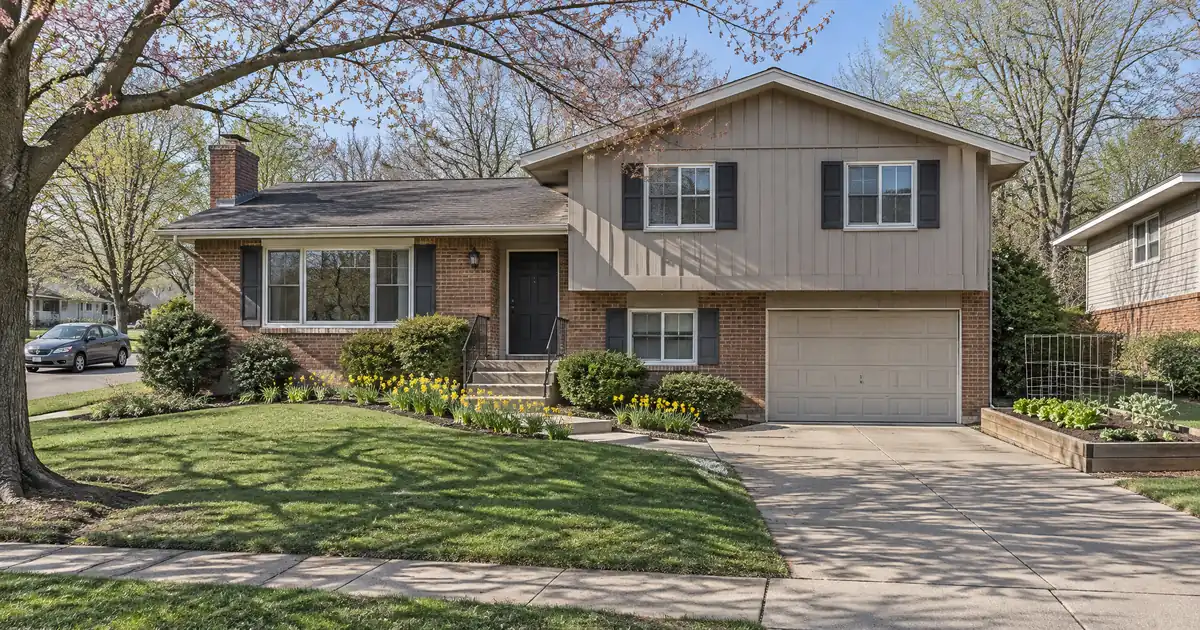
The Quick Read: Building a portfolio with a rental HELOC adds steps because every financed property and every new line counts against your personal debt capacity, and each new line needs its own collateral, title, and equity check. The added steps are sizing the line on combined leverage, documenting where the down payment came from, and planning how the line gets paid down.
- On an investment property, the network ceiling is 70% CLTV, with a 700 minimum credit score and a $500,000 maximum line, subject to lender guidelines.
- Qualification runs on personal credit and DTI, not on rent.
- A borrower is limited to three lines, and owning more than 15 financed properties makes a borrower ineligible.
- Title must sit with an individual or a revocable living trust, not an LLC.
- A DSCR loan is reviewed primarily on property-level rental income covering the payment, subject to lender guidelines, so it picks up where HELOC capacity runs out.
A rental HELOC is a tool for the first few doors. It stops fitting at the point where personal debt ratios, not property equity, become the limit. Knowing where that point sits is the whole job.
How large a line the equity supports.
An equity line is sized by combined loan-to-value, occupancy, and credit — not by rental coverage. Switch the occupancy or the credit band and the ceiling moves with it.
Investment-property lines require a 700 minimum credit score; second-home lines start at a 640 minimum and primary-residence lines at 600, and the combined-LTV ceiling steps down as the credit band drops on primary-residence and second-home lines and holds on investment-property lines; the line cap steps down on primary-residence lines and holds at every tier on investment-property and second-home lines.
A debt-to-income ratio above 45% requires 680+ credit. Profiles under 640 are limited to single-family homes. At least 75% of the approved line is drawn at closing. Ceilings, floors, and caps update from Lendmire’s centralized guideline source.
Rate assumption as of November 9, 2026.
Line estimate
Illustrative estimate only — not a quote, Loan Estimate, approval, or commitment to lend. The rate is an editable assumption; equity-line pricing is variable through both the draw and repayment periods and never converts to fixed. Occupancy and credit drive the ceiling together: an investment property tops out at 70% combined LTV (minimum credit 700, line cap $500,000); a second home tops out at 90% combined LTV (minimum credit 640, line cap $500,000), with the ceiling stepping down as the credit band drops (the cap holds at every tier); a primary residence tops out at 90% combined LTV (minimum credit 600), and its $750,000 maximum line is available only at 75% combined LTV or below with a 700-or-better credit profile (720 on the longer-runway program) and a full appraisal. Lines above $500,000 require a full appraisal. Credit, debt-to-income, property type, and full underwriting review all affect the final line.
Estimate only, not a loan offer or a commitment to lend. The rate is variable and can go up. The payment shown is interest only. Full calculator disclaimer.
What Is a Rental HELOC, Really?
A rental HELOC is a revolving line secured by an investment property you already own. A HELOC is an open-end line of credit with a draw period followed by a repayment period, and the federal consumer-finance regulator’s explanation of a HELOC describes equity as the home’s value minus what you owe on the mortgage.
Two different things get called a rental HELOC, and the portfolio steps differ between them.
1. A line on a rental you own. The rental is the collateral. Fewer lenders offer this, and it carries stricter terms than a line on a primary home.
2. A line on your primary home, with the funds used for a rental. The collateral is the owner-occupied house. The federal consumer-finance regulator’s HELOC booklet notes that some lines may require the home to be your primary residence, and that a sale generally triggers full payoff.
Consumer HELOC material was written for owner-occupied homes. It does not set investment-property rules. Those come from the lender and the investor behind it.
How Underwriting Treats a Rental Line, Step by Step
Underwriting on a rental line is a personal-credit exercise. Rent is not the qualifier.
1. Occupancy coding. The property is coded primary, second home, or investment before anything else. That code sets the leverage ceiling. On an investment property the ceiling is 70% CLTV. Primary residences and second homes can reach higher ceilings, and the 90% CLTV top tier exists only at a 720-or-better credit profile.
2. Combined leverage math. Every recorded lien counts toward CLTV, not just the first mortgage. Maximum line equals value times the CLTV cap, minus existing liens. An old second mortgage or a tax lien shrinks the room, and some lenders want those paid off or combined first.
3. Personal qualification. Credit, DTI, and housing history drive the decision. DTI maxes at 50%, and a ratio above 45% requires a 680 minimum. The payment is sized on the interest-only payment at the maximum draw, so the full limit counts, not just what you plan to use. That detail matters for portfolio builders.
4. Valuation. Because an investment line caps at $500,000, it sits in the automated-valuation lane and commonly closes without a traditional appraisal. A higher CLTV may call for a secondary valuation, and a borrower can request a full appraisal.
5. Structure. The line sits in first or second lien position. Investment lines use a 5-year interest-only draw followed by a 25-year fully amortizing repayment. Pricing floats through both periods and never converts to fixed. At least 75% of the line is drawn at closing.
6. Credit and title. The score floor on an investment line is 700. Title must be held by an individual or a revocable living trust.
Credit above 700 buys eligibility, not leverage. Both the 720 and 700 tiers reach the same 70% CLTV on investment property, and there is no tier beneath 700.
The Steps That Get Added as the Portfolio Grows
Each financed door adds work in the same few places. Here is where the added steps land at each stage.
| Portfolio stage | What gets added | What to watch |
|---|---|---|
| First rental | Collateral choice, equity check | Home line or rental line |
| Several rentals | Full-limit DTI on each line | Line limit counts, not draw |
| Near the cap | Exposure limits | Three lines, 15 financed properties |
| LLC-held doors | Title and vesting review | Vesting change or DSCR cash-out |
Stage one: the first rental. The decision is which property carries the lien. A line on a primary home keeps investment-property overlays out of the picture. A line on the rental uses the investment ceiling of 70% CLTV and the 700 credit floor.
Stage two: the next few rentals. The new line’s full limit enters the DTI for the next mortgage. An investor who opens a large line “just in case” has already spent debt capacity before drawing a dollar. This is the quiet step many first-time scalers miss.
Stage three: nearing exposure limits. A borrower is limited to three lines. Combined exposure caps at $2,000,000 on the higher-leverage program (the 3-year interest-only draw with a 17-year repayment) and $750,000 on the longer-runway program (the 5-year draw with a 25-year repayment). A borrower with more than 15 financed properties is not eligible. Network programs differ here, so each figure applies only inside its own program.
Stage four: entities. An LLC cannot hold title on these lines. LLCs, corporations, partnerships, and irrevocable, blind, or land trusts are out. A property already deeded to an LLC needs a vesting change, or a DSCR cash-out refinance instead, subject to lender program eligibility.
Using the Line as the Next Down Payment
The portfolio loop is simple on paper: draw on the line, put the draw into the next purchase, then pay the line down from cash flow so it can be used again. The friction is documentation.
Purchase lenders want the source of funds known. A HELOC draw is borrowed money, and the payment on that line goes into the DTI for the new loan. Using the draw for the down payment is the easier case. Using fresh draw proceeds to satisfy reserves is the harder one. The file should show a clean paper trail from the line to the closing statement.
Run the loop through both tests. A DSCR purchase typically lands at 75%-80% LTV, with select programs reaching 85% LTV at roughly a 700+ score. If the down payment itself is borrowed, the investor is effectively financing close to the full property value, with a variable payment on one side and a fixed payment on the other. Rent has to cover both. Coverage on the new loan is measured only against its own principal, interest, taxes, insurance, and HOA dues, so clearing 1.00x does not show that the line’s payment is covered. That second check is yours to run.
Where the General Rule Breaks
The standard rule says a HELOC can fund the next down payment and a DSCR loan can then carry the property. A handful of edge cases bend that rule.
Lien order. A DSCR loan generally wants first position. A HELOC behind a DSCR loan on the same property is rare and lender-dependent. The cleaner sequence puts the DSCR loan in first and the HELOC, if a lender allows it, afterward.
LLC-held property. The HELOC fits personally held property with strong DTI. A DSCR cash-out refinance fits property in an LLC or a borrower with tight DTI. They are different tools for different title situations.
Property type. On the HELOC side, single-family, 2-4 units, PUD, townhome, and condominium (including non-warrantable) are eligible. Manufactured homes, co-ops, condotels, log homes, commercial, mixed-use, and agricultural zoning are not. A 2-4 unit property needs a 640 minimum on the longer-runway program. On the DSCR side, manufactured homes, log homes, and barndominiums are not offered.
Vacant or tenanted. Vacancy does not change the HELOC math the way it would on an income-qualified loan, because rent is not what qualifies the line.
Geography. Rental HELOC availability is limited to Lendmire’s 16 full-service states: AL, CA, CO, FL, GA, IN, MI, MT, NM, NC, OH, PA, TN, TX, VA, and WA. That is narrower than the 41-market DSCR footprint. An investor with rentals in two states may get a line option on one and only a DSCR cash-out refinance on the other.
State overlays. Texas properties are limited to 10 acres. A Texas primary residence is a homestead and caps at 80% combined loan-to-value, while Texas second homes and investment properties follow the standard tables. New Mexico and Ohio apply a CLTV cap that depends on the credit profile. A property listed for sale, or listed in the past 60 days, is ineligible in IN, NC, PA, TN, TX, and WA.
Derogatory history. A bankruptcy needs 4 years of seasoning from discharge or dismissal. Investment files follow the 7-year foreclosure and 4-year deed-in-lieu, pre-foreclosure, or short-sale path.
When the HELOC Stops Fitting
The turning point comes when personal DTI is the limit, not equity. Each added line, and the full limit on each one, uses up capacity. A DSCR loan is reviewed primarily on property-level rental income covering the payment, subject to lender guidelines, so it scales past personal DTI limits. The complete DSCR loans guide covers that side in full.
| Factor | Rental HELOC | DSCR cash-out refinance |
|---|---|---|
| Reviewed on | Personal credit and DTI | Property rental income |
| Title | Individual or revocable trust | LLC allowed, per program terms |
| First loan | Left in place | Replaced |
| Leverage | 70% CLTV on investment | About 75% LTV on standard rentals |
| Structure | Variable, floats throughout | 30-year fixed is the spine |
A cash-out refinance on a standard rental tops out around 75% LTV across most of the network, with about 6 months of seasoning as the common expectation. On a short-term rental, cash-out sits at 70%. Coverage of 1.00 is where select programs start, and stronger ratios open better leverage. A separate select-lender path takes coverage below 1.00 with leverage and terms adjusted. Final terms depend on lender guidelines, property type, leverage, and the borrower’s complete credit picture.
Keeping the first mortgage in place is the real advantage of a HELOC. A cash-out refinance replaces that loan. If the existing loan is a low-cost one, that is a genuine cost of switching. If the first loan is no longer worth protecting, or the property sits in an LLC, the cash-out path simplifies the file.
Key Terms Defined
CLTV: Combined loan-to-value, which counts every recorded lien against the property’s value, not just the first mortgage.
Draw period: The stretch when the line can be borrowed against, with interest-only payments on the structures described above.
DTI: Debt-to-income ratio, which compares monthly debt payments to income; it drives HELOC approval, not DSCR approval.
DSCR: Debt service coverage ratio, which compares rent to principal, interest, taxes, insurance, and HOA dues.
Seasoning: The period an owner must hold a property or a loan before the next transaction is available.
What the Decision Looks Like in Practice
Picture an investor with two rentals who wants a third. The primary home carries the equity. A line on the primary home keeps the investment overlays out of the file. The investor sizes the line on CLTV, checks that the line’s full limit still leaves DTI room for the new loan, and draws only the down payment needed. Then the investor documents the draw, buys the property on a DSCR loan, and sends cash flow back to the line.
Now picture a different investor with five financed properties, two in an LLC. HELOC capacity is already thin, since each line counted its full limit toward DTI. The DSCR cash-out refinance on the LLC-held property is the cleaner route.
The strongest files clear both tests: enough equity and enough rental coverage. A larger down payment lowers the payment and can lift DSCR, but it never erases leverage caps, credit floors, reserve rules, or property eligibility. Reserves vary by lender, leverage, loan size, and transaction type, and commonly run around 6 months of PITIA on DSCR files.
If you are considering a home equity line and want to see how the numbers work, Lendmire can help you compare HELOC options based on the property, the equity available, credit profile, combined leverage, and your goals. Reach the team at 828-256-2183 or request a quote. Lendmire is a DSCR-focused mortgage broker arranging financing through select lenders in its wholesale network, and every figure here is subject to lender guidelines and is not a commitment to lend.
Frequently Asked Questions
Can I get a HELOC on a rental property or only on my home?
Both exist, but they work differently. A line on a rental you own carries investment overlays: a 700 minimum credit score and a 70% CLTV ceiling on an investment property. A line on your primary home reaches higher ceilings, with 90% CLTV available only at 720 or better. Availability depends on state and lender guidelines.
Does rental income help me qualify for a rental HELOC?
No. Across the network, a rental HELOC is reviewed on personal credit, DTI, and housing history. A DSCR loan reverses that, qualifying primarily on property-level rental income covering the payment, subject to lender guidelines.
Does the unused part of my line count against me?
Yes. DTI is sized on the interest-only payment at the maximum draw, so the full approved limit counts, not just what you have borrowed. That is why a large line opened early can limit the next loan.
Can an LLC hold a rental HELOC?
No. Title must be held by an individual or an inter vivos revocable living trust. LLCs, corporations, partnerships, and irrevocable, blind, or land trusts cannot hold title. A property already in an LLC needs a vesting change or a DSCR cash-out refinance instead, subject to lender program eligibility.
How many lines can one borrower have?
A borrower is limited to three lines. Combined exposure caps at $2,000,000 on the higher-leverage program and $750,000 on the longer-runway program, and a borrower with more than 15 financed properties is not eligible.
About Lendmire
Lendmire, LLC (NMLS# 2371349) is a mortgage broker. Home equity lines of credit — on a primary residence, a second home or an investment property — are arranged through wholesale lenders in Lendmire’s 16 full-service states, and every line is underwritten by the lender under its program guidelines. Scotsman Guide named Lendmire a Top Mortgage Workplace in both 2025 and 2026.
Get Started
Ready to find the right loan for you?
See your offer in seconds. No credit pull, no obligation.
Informational only. Not a Loan Estimate, approval, or commitment to lend. Program availability and eligibility are subject to lender guidelines, credit approval, property review, and underwriting.
References
This article is part of Lendmire’s investment property HELOC program — full qualification details, guidelines, and scenarios live on the program page.
Related reading: Investment Property HELOC Electronic Verification Steps · Best Investment Property HELOC Program for Investors Building a Portfolio · Top Investment Property HELOC Providers for Investors Building a Portfolio · Banks That Offer an Investment Property HELOC for Investors Building a Portfolio · Can You Get an Investment Property HELOC for Investors Building a Portfolio?
Brandon Miller
Founder & CEO, Mortgage Loan Originator, Lendmire, LLC
- Mortgage Loan Originator · NMLS# 1129696 · Verify on NMLS Consumer Access
- North Carolina Real Estate Broker · License# 343312 · Verify on NCREC
- North Carolina Insurance Producer · License# 19053198 · Property, Casualty, Life, Health · Verify on NAIC SBS
- Lendmire, LLC · Firm NMLS# 2371349 · Verify firm licensure
Compliance and disclosures. Lendmire, LLC (NMLS# 2371349) is a licensed mortgage broker and is not a direct lender, depository institution, financial advisor, or tax professional. Content in this article is general market analysis and educational information — not financial, legal, or tax advice for any specific situation. Lendmire does not guarantee loan approval; every transaction is subject to underwriting by the funding lender. Mortgage pricing and loan program guidelines are subject to change at any time without notice and vary by borrower characteristics, property type, and state regulations. Lendmire complies with Equal Housing Opportunity. Licensure verification: NMLS Consumer Access.