
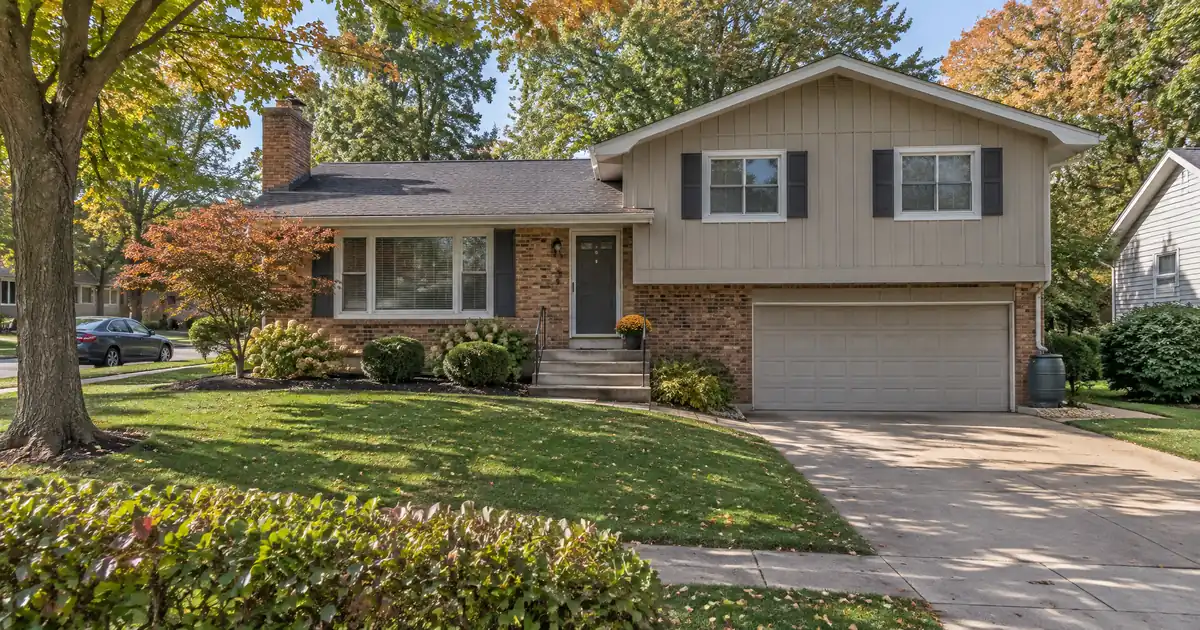
The Quick Read: Eligibility for this situation turns on the property’s listing status and each lender’s guideline, not on a brand name, so this post compares the factors that decide approval instead of ranking providers. A HELOC is generally a lien the lender expects to hold for years, and a listed home signals a payoff within months. That is why the line usually has to be opened before the home goes on the market.
- Many lenders decline a home that is listed or was recently listed.
- On Lendmire’s network, a property listed for sale, or listed within the past 60 days, is ineligible in NC, PA, TN, TX, and WA.
- The line is repaid from sale proceeds at closing, and it is tied to the property being sold.
- Investment-property lines top out at 70% CLTV on this network, and LLC-titled rentals are not eligible.
- The right provider depends on occupancy, credit profile, vesting, and state, so a broker that shops several wholesale lenders matters more than any single name.
Why Is a Listed Home Hard to Finance with a HELOC?
A lender writing a HELOC expects the loan to sit for years. A home on the market tells the lender the opposite: the line will be paid off and closed within months. That mismatch is the whole problem.
How large a line the equity supports.
An equity line is sized by combined loan-to-value, occupancy, and credit — not by rental coverage. Switch the occupancy or the credit band and the ceiling moves with it.
Investment-property lines require a 700 minimum credit score; second-home lines start at a 640 minimum and primary-residence lines at 600, and the combined-LTV ceiling steps down as the credit band drops on primary-residence and second-home lines and holds on investment-property lines; the line cap steps down on primary-residence lines and holds at every tier on investment-property and second-home lines.
A debt-to-income ratio above 45% requires 680+ credit. Profiles under 640 are limited to single-family homes. At least 75% of the approved line is drawn at closing. Ceilings, floors, and caps update from Lendmire’s centralized guideline source.
Line estimate
Illustrative estimate only — not a quote, Loan Estimate, approval, or commitment to lend. The rate is an editable assumption; equity-line pricing is variable through both the draw and repayment periods and never converts to fixed. Occupancy and credit drive the ceiling together: an investment property tops out at 70% combined LTV (minimum credit 700, line cap $500,000); a second home tops out at 90% combined LTV (minimum credit 640, line cap $500,000), with the ceiling stepping down as the credit band drops (the cap holds at every tier); a primary residence tops out at 90% combined LTV (minimum credit 600), and its $750,000 maximum line is available only at 75% combined LTV or below with a 700-or-better credit profile (720 on the longer-runway program) and a full appraisal. Lines above $500,000 require a full appraisal. Credit, debt-to-income, property type, and full underwriting review all affect the final line.
No federal rule bars it, as far as the available sources show. The barrier is lender guideline and risk appetite. Some lenders decline anything listed or recently listed. Others look back a set number of days. A few specialty programs write lines against listed homes, but they carry different terms and a narrower footprint.
That is why this article does not hand you a ranked brand list. Any list would be stale or misleading, since the answer changes with the property, the state, and the borrower. What can be explained is how these lenders think, what the programs look like, and how to find the one that fits.
How Does a HELOC Actually Work When You Sell?
The mechanics run in a fixed order. Here is the sequence from application to payoff.
1. Application and screen. The lender checks title, occupancy, credit, combined loan-to-value (CLTV), and valuation. Listing status or recent listing history is checked too.
2. Approval. Approval takes time, so applying early matters. A line opened before listing avoids the listing screen entirely.
3. Listing. Some lenders freeze or restrict draws once they learn of a listing or an escrow. That is common practice, not a rule. The CFPB HELOC booklet says lenders can generally freeze or reduce a line if the home’s value falls or your finances worsen.
4. Sale. The title company finds the HELOC in its search, requests a payoff, and pays it from proceeds. Effective Agents explains that both liens are paid before the seller receives cash.
5. Release. A zero balance does not erase the lien. You need a written closure request and a recorded release.
Two details catch sellers off guard. Further draws raise the payoff, and the payoff runs above the statement balance because it includes interest accrued through payoff day plus unpaid fees. Per the same Effective Agents explainer, that is normal.
Most HELOCs are second liens paid after the first mortgage. I Will Teach You To Be Rich notes the lien stays until the debt is fully paid, whether or not the line is used, and that you owe only what you borrowed, not the full limit.
What Do the HELOC Programs Look Like on Lendmire’s Network?
Lendmire is a mortgage broker, not a lender. It places standalone home equity lines through select wholesale lenders, and every figure below is subject to lender guidelines and full file review. The leverage ceiling depends on occupancy.
| Occupancy | Typical ceiling | Credit tier | Max line |
|---|---|---|---|
| Primary residence | Up to 90% CLTV | 720+ only | $500,000 at that tier |
| Primary residence (larger line) | Up to 75% CLTV | 700+ (720 on the longer-runway program) only | $750,000 at that tier |
| Second home | Up to 90% CLTV | 720+ only | $500,000 |
| Investment property | 70% CLTV | 700+ | $500,000 |
Lower credit tiers sit lower on the ladder. On a primary residence, for example, 640+ typically supports up to 80% CLTV, and the program floor is 600. Second homes floor at 640. Investment lines floor at 700. Lines run $25,000 to $750,000. Anything above $500,000 is primary-residence only, requires a 700 credit profile or better (720 on the longer-runway structure described below), and needs a full appraisal. Those larger lines cap at 75% CLTV, so the 90% tier applies only to lines of $500,000 or less.
Two draw structures exist on primary residences and second homes. One is a 3-year interest-only draw followed by a 17-year repayment. The other, the longer-runway structure, is a 5-year interest-only draw followed by a 25-year repayment. Investment lines run the 5-year structure only. At least 75% of the line is drawn at closing on both, and pricing floats on both rather than converting to a fixed figure.
Valuation is usually automated at or below $500,000. A full appraisal is required above that, and a borrower may request one at any size.
Market surveys report that lenders often want roughly 10% to 20% equity and sometimes a 6-to-12-month wait after purchase, per I Will Teach You To Be Rich. Those are market-wide figures. On this network, the CLTV tiers above are what apply.
Which State and Listing Rules Matter Most?
Availability is the first filter. Lendmire’s HELOC placement runs in 16 full-service states (AL, CA, CO, FL, GA, IN, MI, MT, NM, NC, OH, PA, TN, TX, VA, WA). That is narrower than its 41-market DSCR footprint, so a seller outside those states needs a different route.
Listing status is the second filter. A property listed for sale, or listed within the past 60 days, is ineligible in NC, PA, TN, TX, and WA. Even where it is not an outright state-level bar, an individual lender may still decline a listed home, so treat the listing date as the clock that matters.
Texas adds another layer for homes that are not listed, or were last listed more than 60 days ago. The 12-day waiting period, the one-lien-at-a-time rule, and 12-month seasoning bind primary residences only. A Texas primary residence is a homestead and caps at 80% CLTV. Second homes and investment properties follow their standard tables. New Mexico and Ohio apply a CLTV cap that depends on the credit profile.
Where Does the General Rule Break?
Four edge cases come up often for sellers who own rentals.
Investment property. Investment lines are thinner than primary-residence lines. On this network they cap at 70% CLTV, need a 700 score, and run the 5-year draw structure only. A rental you plan to sell soon is a poor candidate unless the line is in place well before listing.
Entity title. LLCs, corporations, partnerships, and irrevocable, blind, or land trusts cannot hold title on these lines. Title must sit with the individual borrower or a revocable living trust. A rental already deeded to an LLC needs a vesting change first, or a DSCR cash-out refinance instead, subject to program eligibility.
Property type. Single-family, 2-4 units, PUD, townhome, and condominium (including non-warrantable) can qualify, with 2-4 units needing a 640 minimum on the longer-runway structure. Manufactured homes, co-ops, condotels, log homes, commercial, mixed-use, and agricultural zoning are not offered.
Bridge loans. A bridge loan is short-term, interest-only financing against a home already on the market. That is the reverse of a HELOC, which you open before listing. Terms vary widely by lender, and stacking it with other debt can complicate the next purchase.
Is a Short-Lived HELOC Worth the Cost?
Often not. The CFPB booklet advises that if a sale is likely soon, you should weigh whether the up-front costs of setting up a line are worth it. It also warns about annual maintenance or other fees even when the line is unused. If you sell, the line is generally due in full right away.
That mandatory draw matters. Because at least 75% of the line is drawn at closing on this network’s programs, these lines are poorly suited to a borrower who wants an unused standby line.
What About Selling a Rental to Fund the Next Deal?
An investor recycling equity should not count on a HELOC against the property being sold. Equity has to be arranged before listing, or drawn from a different, unlisted property.
If the rental is staying in the portfolio, a DSCR cash-out refinance is the more common tool. A DSCR loan is reviewed primarily on property-level rental income covering the payment, subject to lender guidelines. On the network, cash-out refinances top out around 75% LTV, with about 6 months of seasoning as the common expectation. If a HELOC balance remains, the DSCR analysis has to carry both the new payment and that balance.
Lendmire’s complete DSCR loans guide covers the mechanics.
Selling an appreciated rental will likely involve capital gains. Tax treatment varies; consult a qualified professional.
Questions to Ask Any Provider Before You Apply
Because this niche turns on guideline details, the questions matter more than the brand.
- Do you decline listed or recently listed homes, and how far back does the look-back run?
- Do you freeze draws if the home is listed or goes into escrow?
- What is the minimum draw at closing, and is there an early-closure fee?
- Is the line first or second lien, and what CLTV applies to my occupancy and credit tier?
- Can the property be titled in a trust or LLC?
- Is valuation automated, or will a full appraisal be required?
A broker can put these questions to several wholesale lenders at once and match the scenario to the program that fits. The best program for your situation depends on property type, credit profile, leverage need, and documentation.
Key Terms Defined
CLTV: Combined loan-to-value, the total of all liens on the home divided by its value.
Second lien: A loan that is repaid after the first mortgage if the home sells.
Draw period: The stretch when you can borrow from the line, usually interest-only here.
Lien release: The recorded document proving a lender no longer has a claim on the property.
Payoff statement: The figure a lender requires at closing, which includes accrued interest and fees.
Freeze: A lender’s decision to stop new draws on an open line.
Frequently Asked Questions
Can I get a HELOC while my home is listed?
Rarely. Many lenders decline listed or recently listed homes, and on Lendmire’s network a property listed for sale, or listed within the past 60 days, is ineligible in NC, PA, TN, TX, and WA. Specialty programs for listed homes exist elsewhere but carry different terms.
Can I sell my house if I already have a HELOC?
Yes. CBS News reports that a lender will not stop you from selling. The line is repaid in full from proceeds before you receive any profit, and an unused line has no effect on your profit.
Does a zero-balance HELOC still count as a lien?
Yes. The lien stays recorded until a release is filed. Send a written closure request so the title company does not find an open line at sale.
What if the sale does not cover the payoff?
The seller brings cash to closing or negotiates with the lenders. This is a reason to avoid drawing heavily against a home you plan to sell.
Can I use a HELOC on a rental held in an LLC?
No. These lines require title in the individual borrower’s name or a revocable living trust. An LLC-held rental needs a vesting change or a DSCR cash-out instead, subject to program eligibility.
If you are considering a home equity line and want to see how the numbers work, Lendmire can help you compare HELOC options based on the property, the equity available, credit profile, combined leverage, and your goals. Reach the team at 828-256-2183 or request a quote through the Lendmire quote page.
About Lendmire
Lendmire, NMLS# 2371349, is a mortgage brokerage that arranges home equity lines of credit through wholesale lending partners in its 16 full-service states. Lines on primary residences, second homes and investment properties are each reviewed individually by the lender under the program’s occupancy, credit and combined-loan-to-value guidelines. Scotsman Guide named Lendmire a Top Mortgage Workplace in both 2025 and 2026.
Get Started
Ready to find the right loan for you?
See your offer in seconds. No credit pull, no obligation.
Informational only. Not a Loan Estimate, approval, or commitment to lend. Program availability and eligibility are subject to lender guidelines, credit approval, property review, and underwriting.
References
2. Effective Agents: HELOC payoff at closing
3. I Will Teach You To Be Rich: What happens to a HELOC when you sell your house
4. CBS News
This article is part of Lendmire’s HELOC & home equity loan program — full qualification details, guidelines, and scenarios live on the program page.
Related reading: Top Investment Property HELOC Providers Without Your Spouse on the Loan · Top DSCR HELOC Providers Alongside Your Current First Mortgage · Top DSCR HELOC Providers on a Rental Held in an LLC
Brandon Miller
Founder & CEO, Mortgage Loan Originator, Lendmire LLC
- Mortgage Loan Originator · NMLS# 1129696 · Verify on NMLS Consumer Access
- North Carolina Real Estate Broker · License# 343312 · Verify on NCREC
- North Carolina Insurance Producer · License# 19053198 · Property, Casualty, Life, Health · Verify on NAIC SBS
- Lendmire LLC · Firm NMLS# 2371349 · Verify firm licensure
Disclosures. The information presented in this article is general market commentary, not financial, legal, or tax advice. Lendmire is a mortgage brokerage (NMLS# 2371349) — not a direct lender or depository institution — and loan placement is subject to lender underwriting. Nothing in this content represents a commitment to lend. Loan terms, pricing, and program availability vary based on borrower qualifications, property characteristics, and state of subject property, and are subject to change at any time. Lendmire complies with Equal Housing Opportunity requirements. Consumer access: nmlsconsumeraccess.org.