
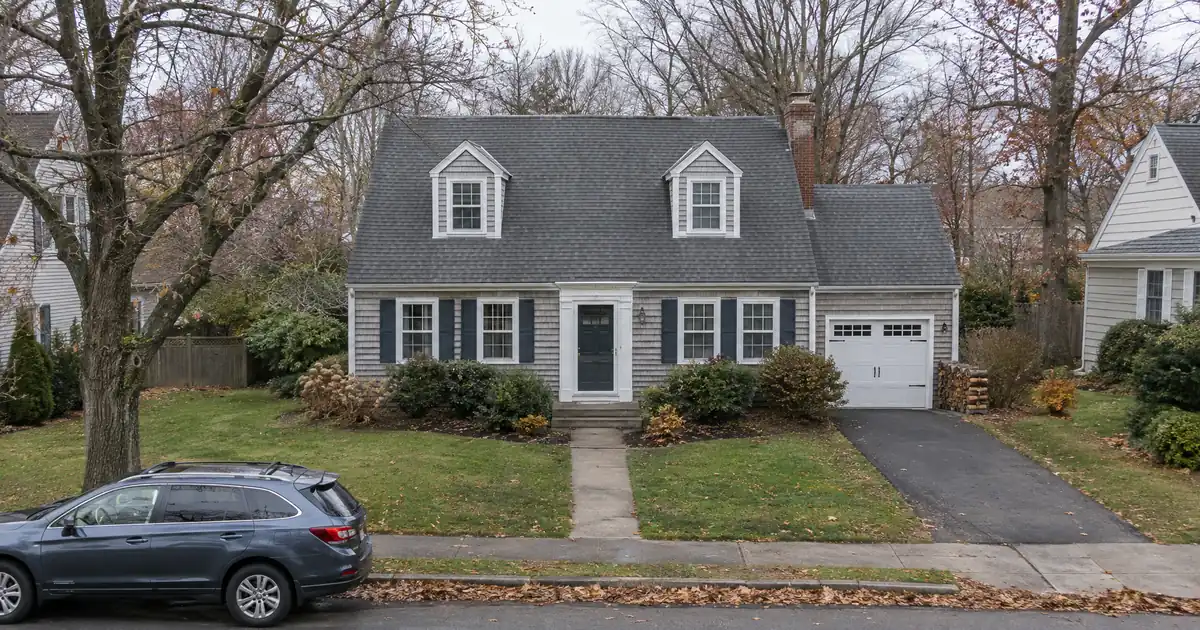
The Quick Read: A DSCR HELOC is a revolving line on a rental, qualified on the property’s rent instead of your personal income, and you can spend the cash on repairs, turnover and vacancy gaps if you treat it as a planned bridge, size it against real cash flow, and never mistake it for reserves. The coverage test decides whether the line gets approved. It does not budget your operations. Most of the work in this strategy is the budget you build around the line.
Key Takeaways
- The line is a standalone second lien behind the first mortgage you keep, or a standalone first lien on a rental with no mortgage. It is never a line on your own home.
- The rent qualifies the line, subject to lender guidelines. Repairs, vacancy, management and utilities are not part of that test.
- At least 80% of the line is drawn at closing, so it works as a funded loan from day one, not a dormant standby.
- A 5-year interest-only draw period is followed by a 25-year amortizing repayment period, and the rate is variable. Plan for the payment to change.
- Use it for lumpy, one-time costs. Using it for chronic shortfalls compounds leverage.
What a DSCR HELOC Actually Is
A DSCR HELOC is a home equity line of credit on a non-owner-occupied one-to-four-unit rental, qualified on the property’s rent. DSCR stands for debt service coverage ratio, which is monthly rent divided by the monthly payment the lender tests. HELOC stands for home equity line of credit, a revolving loan secured by the property.
In practice, you keep your first mortgage and the lender records a second lien behind it. Or, if the rental is paid off, the line sits in first position. Across the wholesale network Lendmire works with, the line is never closed together with a purchase, never sits in third position, and never attaches to your primary residence or a second home. Through select programs, the rental can be titled in your LLC, with the members signing as guarantors, subject to program terms.
That structure is the appeal for an operator. You reach equity in one rental without refinancing the first mortgage, and your personal tax returns and pay stubs stay out of the file. Qualification runs primarily on property-level rental income covering the payment, subject to lender guidelines. The credit report, the lease and the valuation are all still documented.
The label also needs a caution. “DSCR HELOC” is shorthand, not a standardized product. Programs sold under that name can follow different rules, so confirm which one you are looking at.
How Underwriting Treats the Line, Step by Step
The underwriting runs in a sequence, and each step shapes how much operating cash you can realistically get.
Step 1: The collateral and lien position. A second lien needs a 720 credit score or better. A first lien needs 700 or better. Lender-reported credit sets your tier. Subject to underwriting, the file also looks for no 30-day mortgage late in the last 12 months and 48 months since a bankruptcy, foreclosure, short sale or deed-in-lieu. These specifics are subject to lender guidelines and a full review of property, leverage, and credit.
Step 2: The coverage test. The minimum is typically 1.10x. The lender divides gross monthly rent by a stress payment, which is a fully amortizing payment on the entire credit limit at a higher test rate. The test runs on the whole line, not just what you draw. Rent counts as the lesser of the appraiser’s market rent (Form 1007) or your lease, and a lease in place is required. A two-to-four-unit building can have at most one vacant unit. Whether the first mortgage payment joins the test on a second lien depends on the lender’s own calculation, so ask before you size the line.
Step 3: Leverage. A second lien tops out at 70% combined loan-to-value (CLTV, meaning the first mortgage balance plus the new line, divided by value) on lines from $50,000 up to $500,000. A first lien reaches 75% loan-to-value (LTV) at 740 or better. It sits at 70% from 700 to 739, and a first-lien line above $500,000, up to $1,000,000, carries a 65% ceiling. These are ceilings, not offers, and a declining-market flag can lower them.
Step 4: Valuation. Lines to $400,000 use an automated valuation with a property inspection report, or a full interior appraisal. Larger lines take a full interior appraisal. Appraisal waivers are not accepted.
Step 5: Seasoning. A rental bought or refinanced inside the last 6 months is not eligible (that clock runs from the last note date to the new note date), and the owner must have held title for 6 months (settlement date to note date). Seasoning is the waiting period a lender requires between a purchase or refinance and the new line.
Step 6: The draw. At least 80% of the line, and never less than $50,000, is drawn at closing. Later draws are at least $5,000 each.
What the Ratio Counts and What It Ignores
Residential DSCR is rent divided by the housing payment: principal, interest, taxes, insurance and any HOA dues. Commercial lenders often use a different version, built on net operating income. Residential programs do not, so a building can clear the test and still lose money.
| Cost | In the DSCR test? | In real cash flow? |
|---|---|---|
| Principal and interest | Yes | Yes |
| Taxes and insurance | Yes | Yes |
| HOA dues | Yes | Yes |
| Vacancy and turnover | No | Yes |
| Repairs and capex | No | Yes |
| Management fees | No | Yes |
| Utilities you cover | No | Yes |
A ratio of 1.10x means rent covers the tested payment with room to spare. It does not mean the property is cash-flow positive after the costs in the bottom four rows. This is why the line cannot be your operating plan. It can only fund the gap while your plan works.
Which Operating Costs Should the Line Fund?
Fund the lumpy, one-time costs and avoid the recurring ones. Borrowing for a roof is a timing decision. Borrowing for monthly shortfalls is a structural problem.
| Use | Verdict | Why |
|---|---|---|
| Roof, HVAC, major repair | Green | One-time, protects rent |
| Turnover make-ready before re-leasing | Green | Cost returns as rent |
| Vacancy gap with a lease-up plan | Yellow | Needs a repayment date |
| Several months of covering the first mortgage | Red | Masks negative cash flow |
| Personal spending | Red | Muddies the books |
An investor can use a line as a hedge alongside savings, as long as the line sits behind a cash cushion and does not replace it. A line is liquidity, not verified reserves. This program does not require reserves, but that is an underwriting convenience, not a financial plan.
Second Lien, First Lien and LLC Title
Which structure fits depends on what you own. If you hold a rental with a first mortgage you like, the second lien keeps that mortgage in place. Your combined leverage is the first balance plus the line, so the 70% CLTV ceiling can leave little room on a recently financed property.
A paid-off rental can take a first lien at higher leverage, with a 700 credit floor and the top 75% LTV tier at 740 or better. For lines above $500,000, remember the 65% LTV ceiling. A larger line also means a larger stress payment in the coverage test, so rent has to carry more. Terms depend on the lender’s guidelines, the property type, the leverage, and a full review of the credit profile.
On title, an LLC is allowed on investment property, subject to program terms. The borrowers on the line need not be the borrowers on the first mortgage. A title holder who is not a borrower signs a non-borrowing owner acknowledgment and the security instrument. How personal, LLC or other ownership choices change your legal exposure is beyond what a loan structure can answer, so take it to your attorney.
Exposure is capped at 5 loans or $2,500,000 per borrower with the program. Rural property, condotels, row homes, leaseholds, land trusts, mixed-use and a property listed for sale in the prior 2 months fall outside it. Borrowers must be US citizens, permanent residents or non-permanent residents with a Social Security number. Foreign nationals and ITIN borrowers are not eligible. The program is offered in 15 of Lendmire’s 16 licensed states, every licensed state except Tennessee.
Where the General Rule Breaks
The line is not a standby reserve. Because most of the line is drawn at closing, you hold borrowed cash from day one and the draw-period payment starts on that balance. Park the unspent money in a separate account earmarked for expenses, and count the interest as a carrying cost.
Lenders can freeze lines. The CFPB notes that a lender may stop further advances if the property’s value falls significantly. The trouble is that a freeze tends to land when you most need cash. Never plan a future vacancy around money you have not yet drawn.
Payments move. The rate is variable, and the CFPB’s HELOC brochure explains that with a variable rate your payment can change even if you borrow nothing more. After the 5-year draw period ends, the 25-year repayment period begins, and the payment steps up because principal starts amortizing. Model that step-up before you draw.
Passing the test is not the same as breaking even. A property can clear 1.10x and still bleed cash after vacancy, repairs and management. If your portfolio only works when the line keeps feeding it, the line is hiding a pricing or expense problem.
Seasoning and property rules can block a file. A rental you refinanced 4 months ago is not eligible yet, and a condotel never will be. Check seasoning and property type before you build a plan around the line.
Sub-1.00 deals. Select lenders in the network review coverage below the standard test on other loan types, but leverage and terms adjust. This HELOC lane is built around the 1.10x test, so do not count on the exception.
A Four-Property Portfolio Walk-Through
Consider an investor with four rentals: two single-family homes, a duplex and a fourplex. Each has solid equity and a lease in place. One house has no mortgage. The others carry first mortgages the investor wants to keep.
The paid-off house can take a first lien. The other three can take second liens, each qualified separately on its own rent against its own stress payment. Run the numbers per property, not as a blended average, because one weak building does not borrow against its neighbor’s rent.
Say the investor targets the fourplex, where a roof is due. The fourplex clears the coverage test, but its combined leverage is already near 70% once the first mortgage is counted. That limits the line to a size that covers the roof and little else. Meanwhile, the duplex has a vacant unit and a pending turnover.
The disciplined play is to draw only for the roof and the make-ready, keep the remainder in the expense account, and schedule paydown from the added rent. The undisciplined play is spreading the cash across all four properties’ monthly shortfalls. After a year, the investor holds more debt and the same underlying cash-flow problem.
In files like this, the strongest ones keep a cash cushion beside the line. The line smooths the timing of one big expense, and the cash covers the ordinary bad month.
Stress Test Before You Sign
Run five tests on paper before you close on a line. If any one of them breaks the plan, shrink the line or skip it.
1. A vacant month. Does the portfolio cover every mortgage and line payment with one unit empty?
2. A repair hit. Can you absorb a surprise repair on top of the vacancy without drawing again?
3. Payment drift. If the variable rate moves up, does the portfolio still carry the payment?
4. End of the draw period. When interest-only gives way to amortization, does rent still cover the higher payment?
5. A frozen line. If advances stop, where does the next expense come from?
Pick the line size from this test, not from the maximum the lender offers. The eligibility ceiling tells you what is possible. Your stress test tells you what is sensible.
Draw Discipline
A short set of rules keeps a line from becoming a crutch.
- Draw for a named expense with an invoice. Every draw maps to a property and a cost category.
- Use a dedicated account. Keep line money separate from personal funds and from rent collections.
- Set a paydown trigger. Decide in advance which rent increase or cash event retires the draw.
- Set a stop rule. If you draw for ordinary operating shortfalls two months running, pause and fix the property’s income or costs.
- Plan the exit before the draw period ends. Options include paying down from cash flow or refinancing the property.
On records: tax treatment can depend on how the funds are used and how the property is held; borrowers should keep clear records and speak with a qualified tax professional before relying on any deduction.
Bridge or Crutch? Comparing the Tools
A DSCR HELOC is one of several ways to fund operating costs. The right choice depends on how large and how regular the need is.
| Tool | Best for | Main catch |
|---|---|---|
| Cash reserve | Ordinary bad months | Ties up capital |
| Business line of credit | Short-term working capital | Often personal-credit based |
| DSCR cash-out refinance | Large, one-time needs | Replaces the first mortgage |
| DSCR HELOC | Lumpy costs on one rental | Variable payment, freeze risk |
The line fits best when you want to keep your existing first mortgage and need a defined amount for a defined project. A cash-out refinance fits better when the first mortgage itself is the problem. A cash reserve beats both for the routine items, since it cannot be frozen or repriced.
This is a genuine judgment call. A line gives you flexibility at the cost of a variable payment, and some investors would rather hold more cash and borrow less. The question to settle first is whether the expense will pay for itself in added rent.
Key Terms Defined
DSCR (debt service coverage ratio): Gross monthly rent divided by the payment the lender tests, used to size and qualify the line.
PITIA: Principal, interest, taxes, insurance and association dues, the monthly housing obligation in the residential ratio.
CLTV (combined loan-to-value): The first mortgage balance plus the new line, divided by the property’s value.
Draw period: On this program, the first 5 years, when you pay interest only on the drawn balance.
Repayment period: On this program, the following 25 years, when the balance amortizes and payments rise.
Lien: A lender’s legal claim on the property. A second lien is paid after the first mortgage if the property is sold or foreclosed.
Seasoning: The waiting period a lender requires between buying or refinancing a rental and opening the new line.
Frequently Asked Questions
Can I use a DSCR HELOC to cover a vacancy?
Yes, as a bridge, but only with a plan to refill the unit and repay the draw. Rent qualifies the line, yet the test ignores vacancy. If you routinely need the line to cover empty months, the property needs a better rent or a lower cost base, not more debt.
Does a DSCR HELOC count as reserves?
No. The program does not require reserves, but a borrowed line is liquidity, not verified cash. It can also be frozen if values fall. Hold cash for ordinary shortfalls and treat the line as backup.
Can I put the line on my own home to fund rentals?
Not with this program. It attaches only to a non-owner-occupied rental, and it is never written on your own home or a second home. A primary-residence HELOC is a different, owner-occupied product, and it puts your residence behind rental losses.
What happens when the draw period ends?
The interest-only draw period runs 5 years, then a 25-year repayment period begins and principal amortizes, so the payment rises. Plan the exit before that point: pay it down from cash flow or refinance, subject to the lender’s guidelines at that time.
Can I draw more later?
Yes. At least 80% of the line is drawn at closing, and later draws must be at least $5,000 each. The line is revolving, but a lender can stop advances if a property’s value falls significantly, so do not rely on future draws.
Next Step
If you are considering a home equity line on a rental property and want to see how the numbers work, Lendmire can help you compare DSCR HELOC options based on the property, the rent, the equity available, credit profile, combined leverage, and your goals. Lendmire is a broker that arranges financing through select lenders in its wholesale network. Programs change, and every file is underwritten individually, subject to lender guidelines. This is not a commitment to lend. For the full picture of how these loans fit together, read the complete DSCR loans guide.
About Lendmire
Lendmire, NMLS# 2371349, is a mortgage brokerage that arranges home equity lines of credit through wholesale lending partners in its 16 licensed states. The DSCR HELOC described here is offered in 15 of those states. Each file is reviewed individually by the lender under the program’s occupancy, credit and combined-loan-to-value guidelines. Scotsman Guide named Lendmire a Top Mortgage Workplace in both 2025 and 2026.
Investors who want the broader program framework can review how DSCR loans work.
Get Started
Ready to find the right loan for you?
See your offer in seconds. No credit pull, no obligation.
Informational only. Not a Loan Estimate, approval, or commitment to lend. Program availability and eligibility are subject to lender guidelines, credit approval, property review, and underwriting.
References
This article is part of Lendmire’s DSCR HELOC program — full qualification details, guidelines, and scenarios live on the program page.
Related reading: How to Qualify for a DSCR HELOC After a Business Loss · How to Qualify for a DSCR HELOC on Rental Cash Flow · How to Use a DSCR HELOC During and After a Divorce
Brandon Miller
Founder & CEO, Mortgage Loan Originator, Lendmire LLC
- Mortgage Loan Originator · NMLS# 1129696 · Verify on NMLS Consumer Access
- North Carolina Real Estate Broker · License# 343312 · Verify on NCREC
- North Carolina Insurance Producer · License# 19053198 · Property, Casualty, Life, Health · Verify on NAIC SBS
- Lendmire LLC · Firm NMLS# 2371349 · Verify firm licensure
Compliance and disclosures. Lendmire (NMLS# 2371349) is a licensed mortgage broker and is not a direct lender, depository institution, financial advisor, or tax professional. Content in this article is general market analysis and educational information — not financial, legal, or tax advice for any specific situation. Lendmire does not guarantee loan approval; every transaction is subject to underwriting by the funding lender. Mortgage pricing and loan program guidelines are subject to change at any time without notice and vary by borrower characteristics, property type, and state regulations. Lendmire complies with Equal Housing Opportunity. Licensure verification: NMLS Consumer Access.