
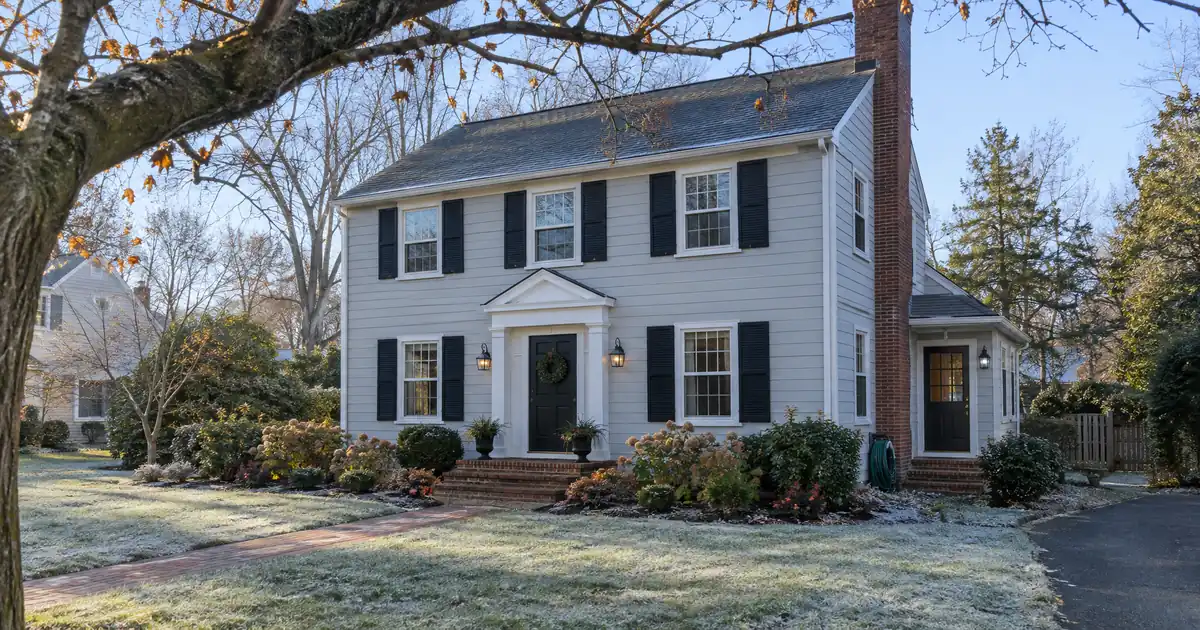
The Quick Read: A VA appraiser does two separate jobs on one visit. The appraiser estimates what the home is worth, and the appraiser checks whether the home looks safe, sound, and sanitary under VA’s minimum property requirements. Anything that looks like a problem becomes a repair the appraiser writes into the report as a condition. The appraisal is not a home inspection, and the home is not graded pass or fail.
What the Appraiser Is Actually Doing
The appraiser is a VA-approved fee appraiser who does two things at once. One is a value opinion built from comparable sales. The other is a visual check of the property against VA’s standards.
VA payment estimate
Starting assumptions reflect an example price with no down payment and a first-use funding fee. Replace them with your own figures.
Editable benchmark: 7.32% as of October 22, 2026 · Freddie Mac 30-year average via FRED®. A conventional market reference, not a VA loan quote.
Illustrative starting assumptions: a $350,000 price, no down payment with full entitlement, a first-use funding fee financed into the loan, a thirty-year term at the current Freddie Mac benchmark, and property taxes and insurance estimated at typical national rates. Every field is editable.
Illustrative estimate only — not a Loan Estimate, approval, quote, or commitment to lend. The rate field carries the weekly Freddie Mac thirty-year conventional benchmark, a market reference and not a VA loan quote; your rate is set by the lender at lock. The funding fee follows VA’s published table for the use and down payment entered; the residual-income figure is VA’s guideline for the region and family size, and the rough residual shown subtracts only the housing payment and the debts entered, while VA also deducts taxes, maintenance and utilities. Taxes, insurance and dues are editable estimates; closing costs are not included. Licensed in sixteen states for consumer mortgages. Lendmire is not affiliated with or acting on behalf of the Department of Veterans Affairs.
Those two tracks run side by side. A house can have a fine value and still need a repair. Or it can be in great shape and still come in under the contract price. Mixing the two up causes most of the confusion buyers have.
A minimum property requirement is a basic condition the home must meet so it is adequate security for a VA-guaranteed loan. The rule sits in 38 CFR 36.4351: a home that does not meet VA’s standards is not eligible for the guaranty. The lender, not the appraiser, carries the responsibility of confirming the property meets the standards, per 38 CFR Part 36.
If you are earlier in the process, Lendmire’s VA loan programs page covers how the loan itself works. The rest of this piece stays on the property side.
Key Terms Defined
- Minimum property requirements: VA’s baseline standards for safety, structural soundness, and sanitation.
- Fee appraiser: an independent appraiser approved by VA to do VA appraisals.
- “Subject to” appraisal: a value opinion that assumes listed repairs get completed.
- Notice of Value (NOV): the document that reports the value and lists any required repairs.
- Tidewater: an early alert from the appraiser to the lender that the value may come in below the price.
- Reconsideration of Value (ROV): a request to review the value after the NOV is issued.
How the Appraiser Decides: Three Bins
Every observation lands in one of three bins. Understanding the bins lets you predict most outcomes.
1. No action. Cosmetic wear, a dated kitchen, a scuffed floor. VA’s standards address safety, soundness, and sanitation, not style.
2. Value factor only. A smaller condition that affects what buyers would pay but does not threaten safety or soundness. It shows up in the condition rating and the value, not as a required repair.
3. Repair condition. Something that appears to violate an MPR. The appraiser makes the appraisal “subject to” the repair.
The appraiser reports what is readily observable. A visible leak stain, a missing handrail, or peeling paint on an older home gets noted. The appraiser does not strip walls, run every appliance, or test the furnace.
Here is where the practitioner view helps. Across the VA files we arrange through wholesale lenders, borderline items are where outcomes differ. Two appraisers can treat the same worn roof differently, because “apparent” is a judgment call. That is normal, and it is why the report’s wording matters.
The Site Visit, Step by Step
1. Order. After your contract and application, the lender verifies eligibility and orders the appraisal. You pay the appraisal fee at that stage, per VA’s Buyer’s Guide.
2. Exterior. The appraiser looks at the roof covering, drainage, access, and any detached structures. A hazardous detached building may need removal.
3. Interior. The appraiser walks the living space, noting visible defects, working utilities, hot water, and sanitary facilities.
4. Attic, crawl space, basement. These are checked where accessible for moisture, damage, and signs of wood-destroying insects, fungus, or dry rot.
5. Site and legal. The appraiser reviews zoning, flood zone status, and whether the home sits on one marketable parcel.
6. Report. The appraiser writes the value opinion and a list of any repairs needed to meet the MPRs.
What Gets Looked At
The checklist is longer than most buyers expect. VA’s Chapter 12 of the Lenders Handbook (VA Pamphlet 26-7) lists topics including roof covering, attics, crawl spaces, basements, swimming pools, burglar bars, lead-based paint, and wood-destroying insects. The VA-hosted Chapter 12 overview is the current official text, and an older benefits.va.gov copy is still online. Where the two differ, the KnowVA version controls.
| Category | What the appraiser notes | Why it matters |
|---|---|---|
| Water supply | Continuous, safe, potable, with hot water | Basic habitability |
| Roof and attic | Covering condition, visible damage | Protects the structure |
| Flood zone | Special Flood Hazard Area, regular flooding | Insurability and safety |
| Zoning | Legal use, legal non-conforming status | Marketability and rebuild risk |
| Hazards | Sinkholes, subsidence, unsafe structures | Safety and soundness |
| Pests and rot | Wood-destroying insects, fungus, dry rot | Structural soundness |
Two details surprise people. VA sets no acreage limit. And the property must be a single, readily marketable real estate entity, though multiple contiguous parcels are allowed.
What the Appraiser Does Not Do
The appraiser does not perform a home inspection. The appraiser does not run through mechanical systems or appliances, and an inspection is not required. The Notice of Value does include a recommendation that you consider getting one.
| Item | VA Appraisal | Home Inspection |
|---|---|---|
| Purpose | Value plus MPR check | Detailed condition review |
| Who hires | Lender orders it | You choose the inspector |
| Tests systems | No | Yes |
| Required | Yes, on a purchase | No, but advised |
If you skip the inspection, an MPR-clean report is not a clean bill of health. A furnace can be near the end of its life and never appear in the appraisal.
How a Finding Travels Into the Notice of Value
The appraisal is written “subject to” completion of any repairs that appear needed. The value opinion includes the contributory value of those repairs once done. The lender’s staff appraisal reviewer then issues the Notice of Value, which carries the estimated value, comparable sales, photos, and the repair list.
Not every problem is a repair. A non-compliant improvement can be excluded from value instead. A property on several parcels may need them placed on one deed. A dangerous sinkhole condition can make the home ineligible altogether, and the appraiser must alert the lender promptly.
Three Worked Scenarios
Peeling paint on an older home. The appraiser sees deteriorating paint on a home of that age. Lead-based paint is a listed MPR topic, so the appraiser writes it as a repair condition. Clearing it means the surface is properly addressed and the repair is verified.
A missing stair handrail. This is a safety issue and a plain repair condition. A handrail is a small fix. It still has to be completed and confirmed before closing.
A dated kitchen with worn counters. Nothing is flagged. It may nudge the condition rating, but it never becomes a required repair.
After a Condition Is Issued
Required repairs generally have to be finished and verified before closing. Who pays is a negotiation between you and the seller. No federal rule says the seller must always pay. Some lenders allow money to be held back in escrow for repairs, and that varies by lender.
You can also see the report. Under the CFPB’s ECOA valuations rule, the lender must notify you of your right to a copy, and for first-lien home loans must promptly provide a copy of each appraisal at no charge. The lender may still charge you for the appraisal itself.
Repair Problem vs. Price Problem
These are different failures with different fixes. A repair problem is a condition on the house. You cure it, or the seller does, and the loan moves ahead.
A price problem means the appraised value is below the contract price. Part of the answer is process. The appraiser may send a Tidewater alert early, and after the NOV, a Reconsideration of Value is available.
Part of the answer is money. If the price exceeds the value VA establishes, you must show adequate cash to cover the difference, on top of closing costs, under 38 CFR Part 36, Subpart B. The no-down-payment feature on a VA purchase assumes the price does not exceed the appraised value. Subject to lender guidelines and full file review.
Where the General Rule Bends
- Multi-unit homes (2-4 units). Utilities generally need to be independent for each unit, though shared services can work with separate shut-offs.
- Wells, cisterns, holding tanks. The appraiser must comment, and you acknowledge it in writing.
- Manufactured homes. Separate standards apply. A single-wide must be at least 10 feet wide with at least 400 square feet of floor area.
- Condos, PUDs, leaseholds. These must be acceptable to VA before the loan can use them.
- Business use. It must be secondary to residential use, and the appraiser excludes a business unit’s value. A VA loan is for a primary residence.
- VA-owned homes. Liquidation appraisals are written “as-is,” not “subject to.”
- IRRRL refinances. The streamline refinance generally needs no VA appraisal. Cash-out refinances do.
- Lender overlays. A lender can add requirements on top of VA’s.
What Your Decision Looks Like in Practice
Pick the home with the MPRs in mind, not just the paint colors. Walk the roof line, the stairs, and the crawl space entrance yourself. A seller who has fixed obvious problems before listing saves everyone a round of repairs.
Then pay for a real inspection. The appraisal protects the loan’s collateral, and the inspection protects you. If a condition shows up, decide early whether you will negotiate the repair or walk. Your contract’s timing matters here, and a deficiency can reshape a closing.
On the loan side, the verified envelope is simple. A VA purchase offers 100% financing with no mortgage insurance, and no VA loan limit with full entitlement. Wholesale programs Lendmire places files with start at a 580 decision score, and VA’s residual income test controls underwriting. Everything is subject to lender guidelines and full file review, and nothing here is a commitment to lend.
If you are buying a home and want to see whether a VA loan fits your file, Lendmire can help you compare the options and what each one asks of the file.
Frequently Asked Questions
Does the VA appraiser test the furnace, plumbing, and appliances?
No. The appraiser reports readily apparent conditions and does not operationally test mechanical systems or appliances. That is why an independent home inspection is worth the cost, even though VA does not require one.
Can a home fail a VA appraisal?
Not in the pass-or-fail sense. The appraisal is made “subject to” repairs, and the loan can proceed once they are cured and verified. A few conditions, like a dangerous sinkhole, can make a property ineligible.
Do cosmetic problems matter?
Generally not as required repairs. MPRs address safety, soundness, and sanitation. Cosmetic wear can still influence the condition rating and value.
Who pays for the required repairs?
It is negotiable between you and the seller. No primary source sets a universal rule. Some lenders may let repair money be escrowed, and that varies by lender.
Does every VA loan need an appraisal?
No. Purchases and cash-out refinances do. An IRRRL, the streamline refinance of an existing VA loan, generally does not.
For your own numbers, request a scenario review with Lendmire.
About Lendmire
Lendmire, NMLS# 2371349, is a mortgage brokerage with consumer lending licenses in 16 states. FHA, VA, conventional and jumbo purchase and refinance loans are arranged through wholesale lending partners, and each application is reviewed individually by the lender. Scotsman Guide named Lendmire a Top Mortgage Workplace in both 2025 and 2026.
Get Started
Ready to find the right loan for you?
In about two minutes you can review financing options available for your home or investment property. No commitment required.
Informational only. Not a Loan Estimate, approval, or commitment to lend. Program availability and eligibility are subject to lender guidelines, credit approval, property review, and underwriting.
References
3. VA Home Loan Guaranty Buyer’s Guide
4. VA Lenders Handbook Chapter 12 overview
5. VA Lenders Handbook Ch. 12 (benefits.va.gov PDF)
6. CFPB’s ECOA valuations rule
7. 38 CFR Part 36, Subpart B (eCFR)
This article is part of Lendmire’s VA loan program — full qualification details, guidelines, and scenarios live on the program page.
Related reading: Can a VA Loan Finance a Second Home or Investment Property? · Can You Use a VA Loan to Buy a Condo Without VA Approval? · VA Loan Residence Requirements for Acreage and Farm Homes
Brandon Miller
Founder & CEO, Mortgage Loan Originator, Lendmire LLC
- Mortgage Loan Originator · NMLS# 1129696 · Verify on NMLS Consumer Access
- North Carolina Real Estate Broker · License# 343312 · Verify on NCREC
- North Carolina Insurance Producer · License# 19053198 · Property, Casualty, Life, Health · Verify on NAIC SBS
- Lendmire LLC · Firm NMLS# 2371349 · Verify firm licensure
Important disclosures. Lendmire (NMLS# 2371349) is a licensed mortgage brokerage. Lendmire is not a direct lender, depository institution, or financial advisor. All loan inquiries are subject to lender underwriting; this article does not constitute a commitment to lend. Rates, terms, and program guidelines are subject to change without notice and vary by borrower profile, property type, and state. Information in this article is general in nature and is not financial, legal, or tax advice. Equal Housing Opportunity. NMLS Consumer Access: nmlsconsumeraccess.org.