
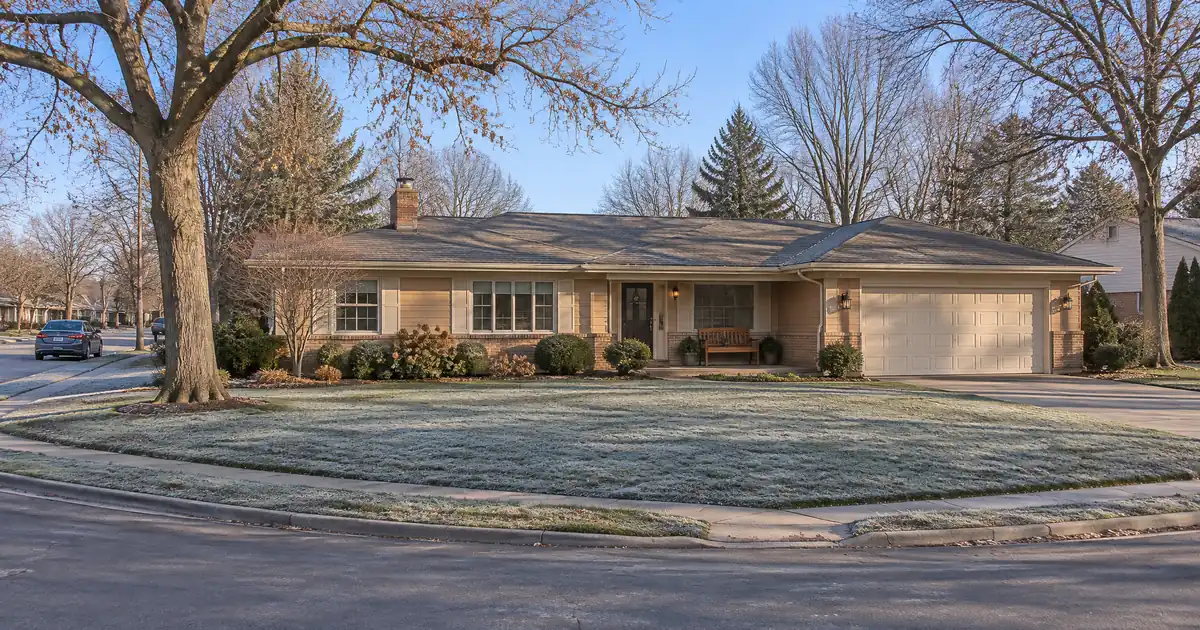
The Quick Read: The appraiser does not approve or deny the line. The report gives a condition rating from C1 to C6, says whether the value is as is or subject to repairs, and states a market rent. The lender’s guidelines then decide whether the rental fits, how big the line can be, or whether repairs come first. The line is a standalone second lien (or a first lien on a paid-off rental) qualified on the rent, so every flag matters through value, rent, or eligibility.
- Safety, soundness and habitability items, such as roof leaks, water intrusion, failed systems and structural movement, usually push a report to a subject-to value.
- A subject-to value is what the rental is worth if the repairs get finished, not what it is worth today.
- The appraiser’s rent opinion, not your pro forma, feeds the 1.10x coverage test.
- Lines up to $400,000 can run on an automated valuation with a property inspection report. Larger lines take a full interior appraisal.
- The line is sized on the property as it stands, so major repairs usually come first, not second.
Key Terms Defined
Condition rating: the appraiser’s C1-to-C6 score for the physical state of the property. C1 is new. C6 is the worst.
As is value: what the property is worth in its current condition, repairs not done.
Subject-to value: what the property would be worth after named repairs are finished. The repairs are treated as complete even though they are not.
Market rent: the appraiser’s opinion of what the unit would rent for today, drawn from comparable rentals and reported on Form 1007 (the rent schedule).
DSCR (debt service coverage ratio): gross monthly rent divided by the qualifying payment. This program wants at least 1.10x.
CLTV (combined loan-to-value): the first mortgage balance plus the new line, divided by the property’s value.
Second lien: a loan that sits behind the first mortgage you keep.
Seasoning: the waiting period a lender wants after a purchase or refinance before it will lend again on the property.
What Does the Appraiser Actually Report?
The appraiser reports facts and opinions: condition, value and rent. Nothing in that report is a loan decision. A property can fail the lender’s guidelines even when the value looks fine, and a property with a flag can still work if the lender’s cutoffs allow it.
Start with the scale. McKissock, an appraiser-education provider, describes C5 as noticeable deferred maintenance and significant repair needs. It describes C6 as major damage or serious deferred maintenance. Those two ratings are where “major repairs” usually lands.
Next comes the value basis. The appraiser states either an as is value or a subject-to value. Cosmetic wear and ordinary deferred maintenance get priced into the as is number. Safety, soundness and structural problems tend to push the report to subject-to. Unknowns, like a roof or mechanical system the appraiser cannot verify, can trigger a subject-to-inspection requirement.
Then comes the rent. The appraiser picks comparable rentals, adjusts for size, condition, bedrooms and location, and lands on a market rent. That number matters as much as the condition rating, and it is the one most owners forget about.
The report form depends on the property. Fannie Mae’s Selling Guide lists Form 1004 for one-unit properties and Form 1025 for two- to four-unit properties. It lists Form 1007 for the rent schedule. This is a rent-qualified line, not an agency loan, so the guide is cited only for the form names.
Which DSCR HELOC Appraiser Flags Hurt Most?
The flags that hurt most are the ones touching safety, soundness or habitability, because they change the value basis and can end eligibility. Cosmetic items are the least likely to do either. The itemized list below is illustrative, and each lender’s guidelines set their own.
| Flag | What the appraiser sees | Typical effect | Usual cure |
|---|---|---|---|
| Worn paint, flooring, fixtures | Cosmetic wear | Priced into as is value | None needed |
| Aging roof covering | Deferred maintenance | Lower value; lender review | Replace, document |
| Active leak or water intrusion | Stains, mold, damage | Subject-to value likely | Repair, re-inspect |
| Dead HVAC, electrical or plumbing | Non-functional system | Subject-to value likely | Repair, certify |
| Missing handrails, safety devices | Safety hazard | Subject-to value likely | Install, photograph |
| Foundation or structural movement | Soundness concern | May be ineligible | Engineer, major repair |
Think of it as three tiers. Cosmetic items are noise. Curable items, like a failed water heater, cost money but clear with proof of repair. Disqualifying items are the ones a lender’s guidelines will not accept at all, at least until the property is fixed.
The tiers also depend on the lender. Condition ratings run from C1 to C6, but each program sets its own cutoff for what it accepts. Whether a given program takes an as is C5 is a guideline question to settle on the file before you pay for a valuation.
How the Flags Change the Line
A flag changes the line through three doors: value, rent, and eligibility. Each door moves a different number, so the damage often stacks.
Door one is value. On a second lien, the ceiling is 70% CLTV at a 720 credit score or better on a non-owner-occupied rental, on lines from $50,000 to $500,000, subject to underwriting. The first mortgage eats part of that room. A lower appraised value shrinks what is left. Leverage, reserves, and pricing vary by lender and program; the final terms follow the full file review.
Run the numbers on a duplex where your first mortgage sits at 50% of your own estimate of the value. This is illustrative, not a program offer. At your estimate, the room under a 70% ceiling is 20% of that value. Now the appraisal comes in 10% under your estimate. The room under the same ceiling drops to 13% of your original estimate.
Say the market also gets a declining-market flag, which lowers the ceiling by 5 percentage points. The ceiling becomes 65% CLTV, and the room shrinks to about 8.5% of your estimate. Lines start at $50,000, so thin room can end the file outright.
For a paid-off rental, the first-lien tiers apply. They run 75% LTV at 740 or better and 70% LTV from 700 to 739 on lines up to $500,000. Lines above $500,000, to $1,000,000, cap at 65% LTV at 720 or better. The same logic applies: a lower appraised value cuts the dollars available. Terms vary by lender guidelines, property type, leverage, credit profile, and full file review.
Door two is rent. Here is the single rent rule: rent is the lesser of the appraisal’s market rent and the lease, unless three months of receipts support a lease above market. Say your lease supports roughly 1.20x coverage. The appraiser’s market rent comes in 10% lower. Coverage drops to about 1.08x, under the 1.10x minimum.
A smaller line lowers the qualifying payment, which is a stress payment built on the whole credit limit. Depending on how the lender’s calculation treats the first-mortgage payment on a second lien, a smaller line can lift coverage back over the minimum. Confirm on the file how the lender treats it. Illustrative arithmetic like this never replaces the lender’s own calculation.
Door three is eligibility. A lease in place is required, and a two- to four-unit property may have at most one vacant unit. A unit torn up for major work often has no lease and no tenant. That can sink the file before the appraiser’s condition rating even matters.
Does the Valuation Path Change What Gets Flagged?
Yes, because the valuation type decides how closely anyone looks at the inside of the house. Lines up to $400,000 use an automated valuation (confidence score of 85 or better) paired with a property inspection report. Those lines can also use a full interior appraisal. Lines above $400,000 require a full interior appraisal on Form 1004, 1073 or 1025.
Appraisal waivers are not accepted. The automated path is still a valuation, and condition findings still surface through the inspection report. A smaller line does not mean a blind file.
Can the Line Fund the Repairs?
Not in the order investors might hope. The line is sized on the property’s as is value and the rent, so the repairs that make the rental eligible have to happen before the line closes. Drawing on the line to fix the problem that blocks the line is a loop.
Here is the sequence that follows from that:
1. Light work, near rent-ready. Do the work, document it, and let the appraiser see a finished unit. Market rent can support the file if a lease is in place.
2. Heavy work, such as a roof, a system or a gut rehab. Repair first, using cash or a short-term bridge or rehab loan. Then return for the line, or refinance into long-term DSCR financing.
3. Subject-to finding on a property that is otherwise fine. Complete the named repairs and clear the lender’s completion requirement. Then proceed.
Your own after-repair estimate does not count, because the appraiser determines value.
Once the property is clean, draw rules apply. At least 80% of the line is drawn at closing, and the closing draw is never less than $50,000. Later draws are at least $5,000 each. The draw period is five years interest-only on the drawn balance. A 25-year repayment period follows, inside a 30-year maturity, and the rate is variable. Lendmire’s piece Top DSCR HELOC Providers for Rental Repairs With Draws as Needed covers how those draws behave on a rental in active repair.
What Does “Subject To” Really Mean?
It means the value rests on something that is not true. WorkingRE explains the appraisal profession’s concepts. An extraordinary assumption is one that, if false, could change the appraiser’s conclusions. A subject-to-completion value rests on a hypothetical condition: the repairs are treated as done when they are not.
The practical result is simple. The report must disclose these assumptions, which are covered by USPAP, the appraisal profession’s standards. The number you see is the value after the repairs, not the value today. A lender sizing a second lien cares what is there now.
When a lender sees a subject-to report, the usual next step is evidence of completion. That often means a re-inspection on Form 1004D or a similar certification, with photos and invoices. This is general practice, not a rule of any one program.
If the report comes in lower than expected, ask the lender whether it entertains a reconsideration of value. Bring comparable sales and proof of completed work. Whether that door exists depends on the lender.
Where the General Rule Bends
These are the edge cases that change the answer.
One bad component can sink the whole rating. Fannie Mae’s appraiser update says the scale is absolute, not relative to neighboring homes. If any component meets the C6 definition, the whole dwelling is rated C6. One failed roof can outweigh an otherwise sound house. The same update says appraisers rate condition and quality separately for each exterior and interior. They also give an as is overall rating when the report is subject to repairs.
Agency contrast, briefly. McKissock reports that Fannie Mae will not take a C6 until repairs lift it above C6, and Freddie Mac wants C5 and C6 properties repaired to at least C4. None of that governs this line. It only explains where the vocabulary comes from.
Vacant property. The rent opinion comes from market comparables, not an in-place lease. The program still requires a lease, so a vacant unit remains a hurdle regardless of what the appraiser says.
Seasoning on a recent purchase. A rental bought or refinanced inside the last 6 months is not eligible (that clock runs from the last note date to the new note date), and the owner must have held title for 6 months (settlement date to note date). A buyer who just bought a wreck cannot draw on it immediately.
Property types outside the lane. Rural-designated property, row homes, condotels and leaseholds are outside the program regardless of condition. Condition never rescues an ineligible property type.
LLC ownership. Holding the rental in an LLC is allowed, subject to lender program eligibility. The members sign as guarantors, and the condition review is the same either way.
What Should You Do Before the Appraiser Arrives?
A walk-through before you order is cheap compared with a valuation fee spent on a property that was never eligible. Check these:
- Roof and gutters: look for active leaks, ceiling stains and failing covering.
- HVAC, electrical and plumbing: confirm each works, and note any repairs already done.
- Safety items: handrails, smoke detectors and exposed wiring.
- Water and moisture: under sinks, in basements, around windows.
- Paperwork: invoices, photos and permits for completed work, plus the lease and three months of rent receipts.
- Unit status: every unit leased, or at most one vacant unit in a two- to four-unit property.
Thinking out loud for a moment: the more interesting choice is often a smaller line on a clean property over a larger line on a flagged one. The smaller line closes on sturdier ground, even though it taps less equity.
Frequently Asked Questions
Can the appraiser reject my rental?
No. The appraiser describes condition, value and rent. The lender decides eligibility under its guidelines, which is why the same report can fit one program and fail another. Qualification is subject to lender guidelines, credit approval and property review.
Does my own after-repair value count?
No. The appraiser determines value, and the lender does not take the borrower’s estimate of what the property will be worth after work. If the report is subject to repairs, it reflects the appraiser’s own view of the finished property.
What if the report comes back subject to repairs?
You have three paths. Complete the named repairs and provide evidence, such as a re-inspection, photos and invoices. Fund the repair another way and come back for the line later. Or choose a smaller, cleaner property for the line. The lender’s guidelines govern which path works.
Does the appraiser’s rent figure matter if I have a lease?
Yes. Rent is the lesser of the appraisal’s market rent and the lease, unless three months of receipts support a lease above market. A market rent below your lease can pull coverage under the 1.10x minimum.
Can a vacant unit on a duplex hurt the file?
It can. Lenders want a lease in place and no more than one vacant unit in a two- to four-unit property, and a unit torn up for repairs often fails that test no matter how the appraisal reads.
Next Step
If you are considering a home equity line on a rental property and want to see how the numbers work, Lendmire can help you compare DSCR HELOC options based on the property, the rent, the equity available, credit profile, combined leverage, and your goals. Lendmire is a broker that arranges these lines through a wholesale lender in its network, offered in 15 of Lendmire’s 16 licensed states, every licensed state except Tennessee. For the wider picture on how rent-qualified loans work, read Lendmire’s complete DSCR loans guide. Reach the team at 828-256-2183.
For current guidelines and terms, see Lendmire’s DSCR HELOC programs page.
About Lendmire
Lendmire, LLC (NMLS# 2371349) is a mortgage brokerage serving landlords and real estate investors in 16 licensed states. DSCR home equity lines of credit on non-owner-occupied one-to-four-unit rentals are arranged through wholesale lending channels in 15 of those states (every licensed state except Tennessee); Lendmire brokers the line and the lender underwrites each application on the property’s rent, credit and leverage. Scotsman Guide named Lendmire a Top Mortgage Workplace in both 2025 and 2026.
Get Started
Ready to find the right loan for you?
See your offer in seconds. No credit pull, no obligation.
Informational only. Not a Loan Estimate, approval, or commitment to lend. Program availability and eligibility are subject to lender guidelines, credit approval, property review, and underwriting.
References
1. McKissock: Understanding Appraisal Condition Ratings C1 to C6
3. WorkingRE: Extraordinary Assumption or Hypothetical Condition
4. Fannie Mae Appraiser Update (UAD 3.6)
This article is part of Lendmire’s DSCR HELOC program — full qualification details, guidelines, and scenarios live on the program page.
Related reading: DSCR HELOC Requirements for a Major Repair · How to Qualify for a DSCR HELOC for a Major Repair · Best DSCR HELOC Program for Borrowers Needing Cash Without Refinancing · Can You Get a DSCR HELOC for a Major Repair? · How a DSCR HELOC Works for a Major Repair
Brandon Miller
Founder & CEO, Mortgage Loan Originator, Lendmire, LLC
- Mortgage Loan Originator · NMLS# 1129696 · Verify on NMLS Consumer Access
- North Carolina Real Estate Broker · License# 343312 · Verify on NCREC
- North Carolina Insurance Producer · License# 19053198 · Property, Casualty, Life, Health · Verify on NAIC SBS
- Lendmire, LLC · Firm NMLS# 2371349 · Verify firm licensure
Compliance and disclosures. Lendmire, LLC (NMLS# 2371349) is a licensed mortgage broker and is not a direct lender, depository institution, financial advisor, or tax professional. Content in this article is general market analysis and educational information — not financial, legal, or tax advice for any specific situation. Lendmire does not guarantee loan approval; every transaction is subject to underwriting by the funding lender. Mortgage pricing and loan program guidelines are subject to change at any time without notice and vary by borrower characteristics, property type, and state regulations. Lendmire complies with Equal Housing Opportunity. Licensure verification: NMLS Consumer Access.