
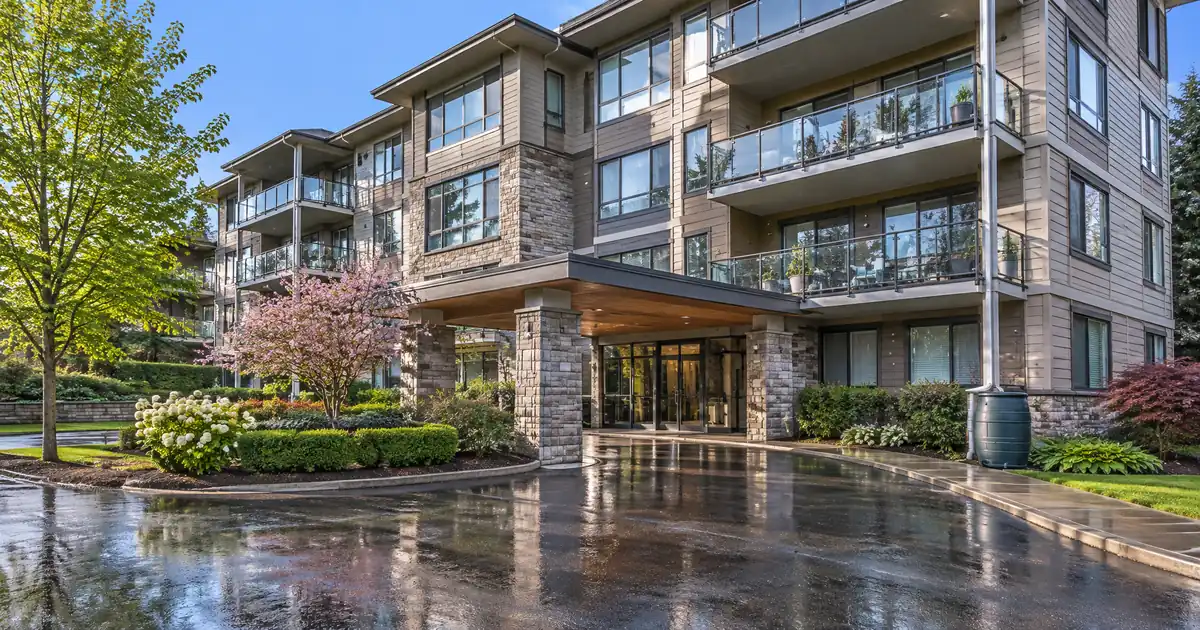
The Quick Read: It depends on how the lender classifies the charge: a one-time assessment usually counts as a cash and building-review issue, while monthly installments may be added to the payment and lower coverage, and the lender weighs the building’s health either way. No federal rule fixes one treatment, so each program follows its own guidelines. A DSCR HELOC is a line of credit on a rental that is reviewed on the property’s rent instead of your personal income, subject to lender guidelines.
- A one-time lump sum usually stays out of the coverage ratio but still hits cash and building review.
- Installments that bill monthly behave like higher dues and may lower coverage.
- A large assessment tied to structural work can change how the building is classified.
- A passing ratio does not mean the unit cash flows after repairs, vacancy and capital costs.
- Treatment is confirmed in underwriting, file by file.
What Is a Special Assessment, and Why Do Lenders Care?
A special assessment is a one-time or temporary charge on unit owners, separate from regular dues. It pays for a project or a shortfall the reserve fund cannot cover, such as a facade restoration, an elevator modernization, a boiler replacement or an insurance gap. Reinvent NY describes it the same way.
Lenders care for two reasons. First, the charge reduces what the unit earns for you. Second, the reason behind it says something about the building. A cosmetic upgrade tells a lender little. A roof, a structural repair or a reserve fund that ran dry tells it a lot.
These charges are not rare. Platform data from HOA software vendor Vantaca reports a record median special assessment of $1,100 per door. Its state-of-the-industry report puts the average at $1,450 per condo and $514 per single-family home. Its older-condo data shows nearly 12% of condos built before 2000 levied one in the last year, with a median bill of $2,041. Vantaca sells to HOA managers, so treat these as platform data, not a national census.
Does a Special Assessment Count in the Coverage Ratio?
Sometimes. The coverage ratio is monthly rent divided by the monthly obligation. Whether an assessment enters that obligation is a lender-by-lender choice. Across the wholesale network Lendmire works with, programs generally land in one of four treatments.
| Treatment | Effect on ratio | Effect on cash and approval |
|---|---|---|
| Excluded as one-time | None | Counts as a cash need |
| Converted to monthly | Lowers coverage | Smaller line may be needed |
| Paid off or escrowed at closing | None after payoff | Cash due up front |
| Raises building risk | None directly | Lower leverage or narrower options |
These four treatments are not mutually exclusive. A lender can leave a lump sum out of the ratio and still ask for a payoff, and it can still review the building more closely because of it. Pending assessments, not yet voted or priced, get the most variable treatment. Some lenders ignore them. Others count them or ask for escrow.
The DSCR HELOC adds a wrinkle. On the programs described here, the rental must reach 1.10x, and the qualifying payment is principal and interest on the entire credit limit at a stressed rate. Taxes and insurance are not part of that payment. Because the stress payment is built from the line itself, an assessment does not automatically join the formula. Confirm on the file how the lender treats it, and how it treats the first-mortgage payment on a second lien. The lender’s own coverage calculation governs.
What the Underwriter Does, Step by Step
1. The assessment surfaces in the building documents. Lenders typically request the budget, financial statements, reserve study, master insurance, meeting minutes, litigation disclosures, assessment notices, engineering reports and delinquency records. A condo questionnaire usually asks directly whether any special assessment is proposed or levied.
2. The lender classifies it. The questions are simple. What does it fund? How much is owed, and is it a lump sum or installments? Is it paid, escrowed or ongoing? Is the work finished? Critical or structural repairs raise the risk.
3. The ratio is run. If the charge converts to a monthly figure and the lender counts it, coverage falls. If it is excluded, the ratio holds, but the charge still shows in project review and cash needs.
4. Overlay and collateral checks. Active assessments tied to unfinished structural work, high delinquencies or likely further charges can change the building’s classification. A non-warrantable classification narrows the lender pool and can lower leverage. It is not an automatic denial, and non-warrantable condos are eligible property types on this program, subject to underwriting.
5. Payoff and closing conditions. Lenders commonly ask for a documented balance from the association. BoardDeadline notes that a balance may need to be paid or disclosed at closing.
A line adds one more layer on top. The lender tests combined leverage and orders a valuation of the unit, so the building review and the equity test run side by side.
A Worked Example With and Without the Assessment
Here is an illustration, not a quote. Say a condo rental clears the 1.10x floor at roughly 1.25x before any assessment. These are modeled assumptions, and the lender’s own calculation governs.
If the lender treats the assessment as a one-time cash item, coverage stays near 1.25x. The ratio is still reviewed as usual. Separately, you plan for the cash and for the building review.
If the lender converts an installment plan to a monthly figure and adds it to the obligation, coverage might slide to roughly 1.12x. That still clears 1.10x, but with almost no cushion.
Now push it further. If the converted figure drops coverage to about 1.05x, the file falls short. A few paths may exist, all subject to lender review:
- Request a smaller line. The stress payment is calculated on the entire limit, so a lower limit lowers the payment.
- Pay down or pay off the assessment balance, if the association allows it.
- Wait until the installment plan ends and the charge drops off.
- Ask the lender whether it treats the charge differently, since another program may classify it another way.
The exact path depends on the lender and the file. A broker that shops several wholesale lenders can match the scenario to the program whose treatment fits, which is the main reason to compare.
What Changes on a Second-Lien Line
A DSCR HELOC here is a standalone second lien behind the first mortgage you keep, or a standalone first lien on a rental with no mortgage. Through select programs, a second lien reaches up to 70% combined loan-to-value (CLTV) at a 720 credit score or better, on lines from $50,000 to $500,000, subject to underwriting. CLTV means the first mortgage balance plus the new line, divided by value. Guidelines, property type, leverage, and credit profile all apply to every figure here.
For comparison, NerdWallet reports that many lenders cap investment-property HELOCs below 70%, with the highest market limits reaching 80%. Those are market-wide figures for lenders’ products. On this network’s second-lien lane, the ceiling is 70% CLTV.
A first-lien line on a rental with no mortgage reaches 75% loan-to-value (LTV) at 740 or better and 70% LTV from 700 to 739, on lines to $500,000. Lines above $500,000 run to $1,000,000, and the ceiling for those larger first-lien lines is 65% LTV at 720 or better. Final terms depend on lender guidelines, property type, leverage, and the borrower’s complete credit picture.
Leverage matters here because an assessment can weaken the valuation story. A building with heavy pending repairs can draw a more cautious valuation, and thin equity leaves less room for that. A larger equity cushion absorbs the surprise.
Draw rules matter too. At least 80% of the line is drawn at closing, and later draws are at least $5,000. The draw period is five years interest-only on the drawn balance, followed by a 25-year repayment period and a 30-year maturity. The rate is variable. If you are drawing partly to pay the assessment, that structure is built in.
Building Flags and Likely Lender Responses
Lenders do not publish one scorecard, but the pattern is consistent enough to map.
| Building flag | Typical lender response |
|---|---|
| Assessment for structural or safety work | Closer project review, possible leverage cut |
| Work unfinished, more charges likely | Condition, escrow or pause |
| High delinquency on dues | Narrower lender pool |
| Reserve fund far below the study | Added scrutiny of future charges |
| Assessment paid, work complete | Often little more than a paid ledger |
| Litigation tied to the charge | Possible ineligibility on some programs |
Four Scenarios: Announced, Active, Paid, Levied Later
Announced but not yet voted. The amount is unknown, so lenders improvise. Some ignore it. Others ask for the board’s estimate or require escrow. Get the minutes and any engineering report in hand before you apply.
Active, with installments. This is the case most likely to hit the ratio. Ask whether the installments are monthly, how many remain and whether the association offers a payoff figure. BoardDeadline also explains that some associations finance the project themselves, which changes how owners are billed.
Already paid. A paid charge ends the ratio question, but the reason behind it can still matter. If the seller paid it before you bought, responsibility is negotiable between buyer and seller under the contract and association documents, as Premier Listings explains.
Levied after the line closes. The coverage ratio never sees it. It is a cash and capital cost outside the test. Because most of the line is drawn at closing on this program, undrawn room is limited by design, so plan to pay from cash flow or savings.
What the File Needs From You
Gather these before you apply:
- Assessment notices, including the amount, schedule and purpose
- Association ledger or payoff balance
- Recent board minutes, which show what repairs are being discussed
- The budget, reserve study and any engineering report
- The signed lease and recent rent receipts
- The master insurance certificate and any litigation disclosure
On the rent side, the qualifying figure is the lesser of the appraisal’s market rent and the lease, unless three months of receipts support a lease above market. A lease in place is required, and a two-to-four-unit property may have at most one vacant unit.
On the valuation side, lines up to $400,000 use an automated valuation with a property inspection report, or a full interior appraisal. Larger lines need the full appraisal. Appraisal waivers are not accepted.
A rental bought or refinanced inside the last 6 months is not eligible (that clock runs from the last note date to the new note date), and the owner must have held title for 6 months (settlement date to note date). Reserves are not required on this program, but your cash still matters if an assessment is due.
Eligibility limits apply. Condotels, row homes, rural-designated property and leaseholds are outside this lane. The program also caps exposure at five loans or $2,500,000 per borrower, and your LLC can hold title, subject to program terms.
Passing the Ratio Is Not the Same as Cash Flow
A coverage ratio counts the monthly obligation and nothing else. Repairs, vacancy, management and capital items sit outside it. A unit can clear 1.10x and still lose money in a year with a big assessment.
So treat the ratio as a gate, not a forecast. Before you commit, ask for the assessment history, negotiate a price reduction or seller credit, ask the association about a payment plan and compare the unit against a house with no dues. Also remember that dues themselves can rise. Regular assessments have climbed sharply in recent years, which is a separate risk from any single special charge.
The Decision Path: Pay, Keep the Plan, Wait or Switch
Most investors end up choosing among four moves.
- Pay it off. This ends the monthly obligation and the building question for that charge. It costs cash now.
- Keep the plan. This preserves cash but may lower coverage while installments run.
- Wait. If the plan ends soon, waiting may restore the ratio. The cost is time, and the purchase or the line has to be put off until then.
- Switch the program. Treatment differs across lenders, so another program may read the same charge more kindly.
Whichever move you pick, a lender can approve as is, add a condition, reduce leverage, hold the file or decline. The outcome depends on the building, the charge and the program. Lendmire’s complete DSCR loans guide covers the wider qualification picture.
Key Terms Defined
Special assessment: A one-time or temporary charge on unit owners for a project or shortfall, separate from regular dues.
PITIA: Principal, interest, taxes, insurance and association dues, the monthly obligation in standard DSCR math.
Project review: The lender’s check of the whole condo building, covering finances, insurance, litigation and delinquencies.
DSCR HELOC: A revolving line of credit on a non-owner-occupied rental, qualified on the property’s rent instead of personal income.
Non-warrantable condo: A building that falls outside standard agency project rules, which narrows lender options but does not bar every program.
CLTV: Combined loan-to-value, the first mortgage plus the new line, divided by property value.
Frequently Asked Questions
Does a one-time special assessment lower my DSCR?
Usually not on its own. Many programs treat a one-time charge as a cash or reserves item and leave it out of the ratio. It can still appear in project review and cash needs, and a program that spreads it over time will lower coverage. Confirm the treatment on your file.
Can an assessment keep me from getting a DSCR HELOC on a condo?
It can, though it is not automatic. A charge tied to unfinished structural work, heavy delinquencies or litigation can narrow the options or lower leverage. Non-warrantable condos are eligible property types on this program, subject to underwriting. Condotels are not eligible.
What if the assessment is announced after my line closes?
The coverage test is already done, so the ratio never sees it. You pay it from cash flow, savings or another source. This is why a larger equity cushion and a look at the building’s reserve study matter before you apply.
Is a DSCR HELOC different from a bank HELOC on a rental?
Yes. NerdWallet notes that not every lender offers a HELOC on an investment property and that requirements are strict, with traditional lines looking at personal credit and income. A DSCR HELOC qualifies primarily on property-level rental income covering the payment, subject to lender guidelines.
Where is this program offered?
In 15 of Lendmire’s 16 licensed states, every licensed state except Tennessee. Lendmire is a broker that works with wholesale lenders. Programs change, and every file is underwritten individually.
Next Step
If you are considering a home equity line on a rental property and want to see how the numbers work, Lendmire can help you compare DSCR HELOC options based on the property, the rent, the equity available, credit profile, combined leverage and your goals. Call 828-256-2183 or request a quote through Lendmire’s site.
Buildings with a clean assessment history and a funded reserve study give a line the simplest file, and that is worth checking before you ever make an offer.
About Lendmire
Lendmire (NMLS# 2371349) is a mortgage brokerage serving landlords and real estate investors in 16 licensed states. DSCR home equity lines of credit on non-owner-occupied one-to-four-unit rentals are arranged through wholesale lending channels in 15 of those states (every licensed state except Tennessee); Lendmire brokers the line and the lender underwrites each application on the property’s rent, credit and leverage. Scotsman Guide named Lendmire a Top Mortgage Workplace in both 2025 and 2026.
Get Started
Ready to find the right loan for you?
See your offer in seconds. No credit pull, no obligation.
Informational only. Not a Loan Estimate, approval, or commitment to lend. Program availability and eligibility are subject to lender guidelines, credit approval, property review, and underwriting.
References
1. Reinvent NY – Condo Special Assessments
2. Vantaca – Forbes feature summary
3. Vantaca – State of the Industry / Yahoo Finance
4. Vantaca – Older condos data
5. BoardDeadline – Condo special assessment financing options
6. NerdWallet
7. Premier Listings – Selling a condo with a special assessment
This article is part of Lendmire’s DSCR HELOC program — full qualification details, guidelines, and scenarios live on the program page.
Related reading: DSCR HELOC Requirements in Second Position · DSCR HELOC Requirements for a Lender on a Primary or Investment Home · DSCR HELOC Requirements With Irregular Deposits
Brandon Miller
Founder & CEO, Mortgage Loan Originator, Lendmire LLC
- Mortgage Loan Originator · NMLS# 1129696 · Verify on NMLS Consumer Access
- North Carolina Real Estate Broker · License# 343312 · Verify on NCREC
- North Carolina Insurance Producer · License# 19053198 · Property, Casualty, Life, Health · Verify on NAIC SBS
- Lendmire LLC · Firm NMLS# 2371349 · Verify firm licensure
Disclosure information. Lendmire is a state-licensed mortgage brokerage under NMLS# 2371349. Lendmire is not a depository institution, direct lender, or financial advisor — all loans referenced are placed through wholesale lender partners and are subject to each lender's underwriting standards. This article is provided for general informational purposes and is not a commitment to lend, nor does it constitute financial, legal, or tax advice. Loan programs, terms, rates, and qualification standards change without notice and depend on borrower profile, property type, and the state in which the subject property is located. Equal Housing Opportunity provider. NMLS Consumer Access: nmlsconsumeraccess.org.