
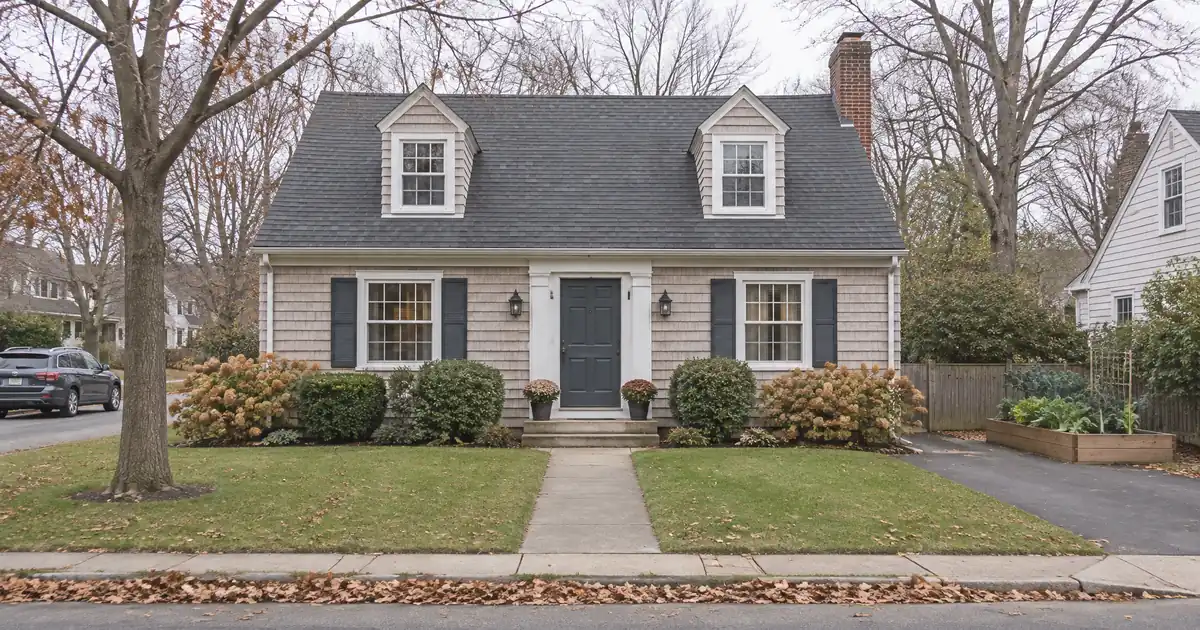
The Quick Read: Usually the lender looks at the rental, not the co-signer: a DSCR HELOC qualifies primarily on property-level rental income covering a stress payment on the full line, subject to lender guidelines. A co-signer on your existing first mortgage typically does not add income or credit to the new file, because the line is not underwritten to anyone’s paycheck. The co-signer still matters in three ways: the first mortgage balance sets your combined leverage, the first mortgage documents must allow a second lien, and anyone on title may have to sign the new lien.
- The lease and the valuation carry the file alongside the rent.
- Combined loan-to-value (CLTV) counts the full first mortgage balance, whoever signed that note.
- A second lien leaves the old loan’s signers exactly where they were.
- Title holders sign the security instrument. Note-only co-signers generally do not.
- If the co-signer must come off the debt, a refinance is the usual route.
Plenty of rental owners have a parent, partner or friend on the first mortgage. They want to tap equity without dragging that person through a new application. Sometimes that works cleanly. Sometimes it hits a wall nobody mentioned. This page walks through what the lender reads, where the co-signer shows up, and how to decide between a line and a refinance.
Key Terms Defined
Co-signer: a person who signs the note, the promise to repay, without necessarily owning the property.
Co-owner: a person whose name is on the deed or title. A co-owner may or may not be on the note.
Guarantor: a person, often an LLC member, who signs a separate promise to pay if the borrower does not.
Note: the signed promise to repay the loan.
Lien: the lender’s legal claim on the property, recorded through the mortgage or deed of trust (the security instrument).
CLTV: combined loan-to-value, meaning the first mortgage balance plus the new line, divided by the property’s value.
DSCR: debt-service coverage ratio, meaning gross monthly rent divided by the lender’s qualifying payment.
Which Loan Is the Co-Signer On?
Start here, because the answer changes everything. There are two different loans in this picture, and “co-signer” can attach to either one.
Case A: the co-signer is on your existing first mortgage. This is the usual reading of the question. Your rental already has a loan, someone co-signed it, and now you want a line behind it.
Case B: the co-signer or guarantor would sign the new line. This is a different question about who is on the new file.
Across Lendmire’s wholesale network, the DSCR HELOC is a standalone second lien behind the first mortgage you keep, or a standalone first lien on a rental with no mortgage. The borrowers on the line need not be the borrowers on the first mortgage. That single fact is why Case A is usually simpler than people fear.
One more wrinkle. “Co-signer” is a consumer-lending word, and it shifts meaning on business-purpose investor loans. When an LLC owns the rental, the real-world equivalent is usually a guarantor. A co-signer sits on the note, a co-owner sits on the deed, and a guarantor signs a separate promise. Keep those three straight and most of the confusion disappears.
What the Lender Reads When the Co-Signer Is on Your First Mortgage
The lender reads the property first. The rent qualifies the line. There is no traditional personal-income documentation: no W-2s, pay stubs or personal debt-to-income calculation, subject to lender guidelines. So a co-signer’s salary has nothing to attach to.
Here is what the file does contain:
- Coverage. The minimum DSCR on this program is 1.10x. That is gross monthly rent divided by a fully amortizing payment on the entire credit limit at a stress rate, not on what you draw. Taxes and insurance are not part of that qualifying payment. Rent is the lesser of the appraisal’s market rent and the lease, unless three months of receipts support a lease above market. A lease in place is required.
- Leverage. On a second lien, combined loan-to-value runs up to 70% at a 720 credit score or better, on lines from $50,000 to $500,000, subject to underwriting. Your first mortgage balance is part of that math.
- Your credit. The borrower’s own credit report sets the tier. The lender uses the borrowers on the new line.
- The first mortgage itself. The lender reviews the note and the deed of trust.
Does the Co-Signer Have to Sign the New Line?
A co-signer signs the new line only if they are on title or become a borrower on it. Signing a note and signing a lien are different acts, and lenders treat them differently.
Everyone with an ownership interest typically signs the mortgage or deed of trust, because the lender needs the whole property available if the line defaults. A title holder who is not a borrower signs a non-borrowing owner acknowledgment and the security instrument. A co-signer who sits on the old note but not on title is not automatically on the new lien.
Federal credit rules back up that split. Regulation B, at 12 CFR 1002.7, generally bars a creditor from requiring someone else’s signature on a credit instrument when the applicant is creditworthy alone. The same rule lets a lender require a signature on the instrument needed to make the collateral available if you default, which the eCFR text of that section spells out. The Bureau’s official interpretation, reproduced by Cornell’s Legal Information Institute, adds that this signature is generally needed only on the security agreement. Business credit has its own scope and exceptions, so treat this as context rather than a flat rule for investor loans.
The practical read: a lender can ask a title holder to sign the lien. It generally cannot use the line as a reason to demand an extra person’s signature on the debt. Voluntary signers are another matter. Anyone may sign by choice.
Who Signs, and What Gets Reviewed
| Person | Signs the new lien? | Credit reviewed? | Liable on the new line? |
|---|---|---|---|
| On old note only | Generally no | Typically no | No |
| On title only | Yes, as non-borrowing owner | Not as a borrower | No |
| On title and old note | Yes | Typically no, unless a borrower | Only if a borrower or guarantor |
| LLC member | Yes, as guarantor | Yes | Yes, as guarantor |
| Added to the new line | Yes | Yes | Yes |
Treat that table as the usual pattern. Lender guidelines and your state’s property law decide the exact result.
Five Situations, Side by Side
The co-signer is on the old first mortgage only. The file looks like a standard second lien. The first mortgage balance counts in CLTV, and the lender reads your documents. The co-signer typically does not need to participate in the new line.
The co-signer is on title but not the note. They sign the security instrument as a non-borrowing owner. Their credit is not the qualifier.
The rental sits in an LLC. The program allows vesting in your LLC on an investment property, with members signing as guarantors, subject to lender guidelines. Behind an LLC, the person who co-signed personally still carries personal liability on the old loan.
The co-signer is hard to reach. An ex-spouse, an heir or a relative who has stopped answering is a real problem only if they hold title. If they are on title, their signature on the lien is likely needed, and the line cannot proceed without it. If they are on the note alone, the new line may not need them.
Weak coverage. A co-signer cannot repair a property whose rent does not cover the stress payment. The rent has to carry the line.
What Can Block the Line, Even With a Clean File
A first mortgage that forbids a junior lien. Read the covenants in your note and deed of trust. If they prohibit a second lien, the line is off the table until the first loan changes.
Not enough room under the cap. The line limit is value times the CLTV cap, minus everything already recorded. A large first mortgage can use the room before ownership percentages ever come up.
Seasoning. A rental bought or refinanced inside the last 6 months is not eligible (that clock runs from the last note date to the new note date), and the owner must have held title for 6 months (settlement date to note date).
Property type. Rural-designated property, condotels, row homes and leaseholds sit outside this program. Eligible types include single-family, townhome, PUD, two-to-four units and condominiums, with at most one vacant unit in a multi-unit building.
Exposure and credit. The program caps exposure at five loans or $2,500,000 per borrower. Mortgage history needs no 30-day late in the last 12 months.
What a HELOC Won’t Do: Remove the Co-Signer
This is the misconception that costs people the most time. A second lien never removes a departing owner from the old first loan. The first mortgage stays in place, with its original signers, until it is refinanced, assumed or paid off.
Removing a co-signer generally takes one of three paths. A lender can agree to a liability release, though release clauses are uncommon and the lender may say no. Another person can assume the loan, with lender approval. Or you can refinance, replacing the first mortgage with a new loan that you qualify for without the co-signer. A deed transfer does not do the job. Changing title does not change who owes on the note, and a transfer can raise lender-consent questions, so check your loan documents before moving anyone off the deed.
Of the three, a cash-out refinance is the route most within your own control, since it does not depend on the old lender’s consent. It also replaces your existing first mortgage terms, which is the tradeoff. A line lets you keep that first loan intact. A refinance does not.
HELOC or Refinance: The Decision
| Your goal | Better fit |
|---|---|
| Keep the first mortgage as is | DSCR HELOC (second lien) |
| Take the co-signer off the debt | Cash-out refinance |
| Draw equity in stages | DSCR HELOC |
| Replace the whole first loan | Cash-out refinance |
If the co-signer is happy to stay put, the line is usually the lighter lift. If they need out, the line does not solve that, and you should look at a refinance instead. Lendmire’s piece What a DSCR HELOC Lender Looks At When You Just Refinanced the Rental covers the seasoning side of that path.
Terms to Know Before You Draw
The structure is the same whoever co-signed. The draw period is 5 years interest-only on the drawn balance, then a 25-year fully amortizing repayment period, with a 30-year maturity and a variable rate. At least 80% of the line is drawn at closing, and later draws are at least $5,000 each. Lines to $400,000 use an automated valuation with a property inspection report, or a full interior appraisal. Larger lines take a full interior appraisal. Appraisal waivers are not accepted.
Rent-qualified lines also skip the stacked personal-income tests that bank investment HELOCs typically apply. That difference is why many owners with a co-signer on the first loan look at this structure first. A lender can generally freeze or reduce an undrawn line under a typical HELOC agreement, so do not build a plan that depends on a balance you have not drawn.
Lendmire’s complete DSCR loans guide covers the wider program family.
Before You Apply
Gather these items and ask these questions:
1. The first mortgage note and deed of trust, plus any junior-lien language.
2. The current lease and, if the lease exceeds market rent, three months of rent receipts.
3. The deed or title report showing everyone on title.
4. Entity papers, if an LLC holds the property.
5. A clear answer to this: who needs to sign the lien, and who needs to sign nothing?
6. A first mortgage balance and a rough value, so you can test CLTV against the 70% second-lien ceiling.
Not every lender in the network treats borderline files the same way. A broker that places files across multiple wholesale lenders can match the property, the title and the co-signer situation to the program that fits. The best program for your situation depends on property type, credit, leverage need and who is on title. Programs change, and every file is underwritten individually.
Frequently Asked Questions
Will a DSCR HELOC lender check my co-signer’s credit?
Typically not, if the co-signer is only on your existing first mortgage. The line qualifies primarily on rental income, and the lender uses the borrowers on the new line. If that person is added as a borrower or guarantor, their credit is reviewed. Program guidelines decide the details.
Does my co-signer need to be on title to sign the new line?
No, but anyone who is on title typically signs the security instrument. A person on the old note alone is not automatically on the new lien. Title holders who are not borrowers sign a non-borrowing owner acknowledgment.
Can a DSCR HELOC take my co-signer off the first mortgage?
No. A second lien leaves the old loan untouched, including everyone who signed it. Getting a co-signer off generally takes a lender-approved release, an assumption or a refinance. A cash-out refinance replaces the first mortgage, but you must qualify without the co-signer.
How many months of ownership does the rental need before a line is possible?
Two six-month clocks apply: the line is not available on a rental bought or refinanced in the last 6 months (last note date to new note date), and title must have been held for 6 months (settlement date to note date). Both are subject to underwriting.
Where is this program offered?
It is offered in 15 of Lendmire’s 16 licensed states, every licensed state except Tennessee, through select programs and subject to lender guidelines. It applies to non-owner-occupied one-to-four-unit rentals, not to your own home.
If you are considering a home equity line on a rental property and want to see how the numbers work, Lendmire can help you compare DSCR HELOC options based on the property, the rent, the equity available, credit profile, combined leverage, and your goals. Reach the team at 828-256-2183 or request a quote.
About Lendmire
Lendmire — NMLS# 2371349 — is a mortgage broker that arranges DSCR home equity lines of credit on rental property in 15 of its 16 licensed states (every licensed state except Tennessee) through wholesale lenders. The line is qualified on the rental’s rent rather than the owner’s personal income, and every line is subject to the lender’s guidelines and full underwriting. Scotsman Guide named Lendmire a Top Mortgage Workplace in both 2025 and 2026.
Get Started
Ready to find the right loan for you?
See your offer in seconds. No credit pull, no obligation.
Informational only. Not a Loan Estimate, approval, or commitment to lend. Program availability and eligibility are subject to lender guidelines, credit approval, property review, and underwriting.
References
1. CFPB – Regulation B, 12 CFR 1002.7
3. Cornell LII – Regulation B, Supplement I
This article is part of Lendmire’s DSCR HELOC program — full qualification details, guidelines, and scenarios live on the program page.
Related reading: Where to Get a DSCR HELOC When the Rental Property Value Is Small · DSCR HELOC When Comparing Lenders for a Rental Property Loan: The 2026 Guide · DSCR HELOC Without Holding the Rental in an LLC
Brandon Miller
Founder & CEO, Mortgage Loan Originator, Lendmire LLC
- Mortgage Loan Originator · NMLS# 1129696 · Verify on NMLS Consumer Access
- North Carolina Real Estate Broker · License# 343312 · Verify on NCREC
- North Carolina Insurance Producer · License# 19053198 · Property, Casualty, Life, Health · Verify on NAIC SBS
- Lendmire LLC · Firm NMLS# 2371349 · Verify firm licensure
Disclosure information. Lendmire is a state-licensed mortgage brokerage under NMLS# 2371349. Lendmire is not a depository institution, direct lender, or financial advisor — all loans referenced are placed through wholesale lender partners and are subject to each lender's underwriting standards. This article is provided for general informational purposes and is not a commitment to lend, nor does it constitute financial, legal, or tax advice. Loan programs, terms, rates, and qualification standards change without notice and depend on borrower profile, property type, and the state in which the subject property is located. Equal Housing Opportunity provider. NMLS Consumer Access: nmlsconsumeraccess.org.