
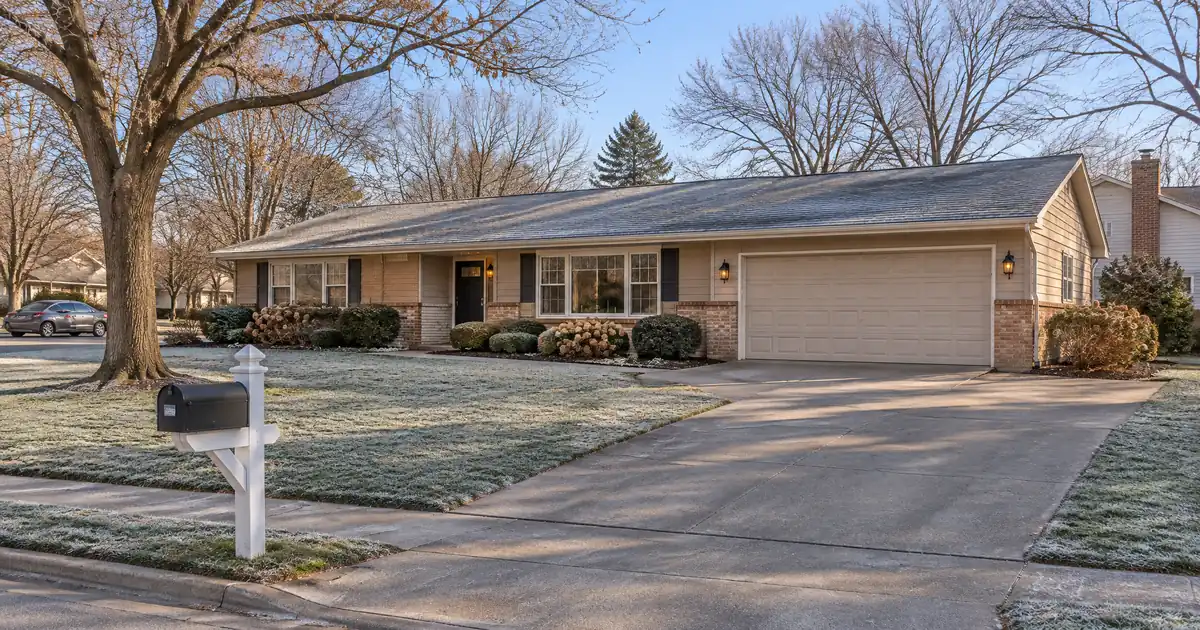
The Quick Read: Usually the HELOC stays exactly what it was, a separate lien on the title that sits behind the reverse mortgage, and it must be paid, settled in a sale, or released before an heir can clear the home for a new loan. The reverse mortgage, almost always an HECM (Home Equity Conversion Mortgage), becomes due when the last eligible borrower dies. The HELOC does not get erased, and it does not get folded into the HECM.
- The HECM and the HELOC are two different debts with two different servicers and two different sets of rules.
- The HECM is the senior lien. The HELOC is junior and is paid only from what is left.
- Heirs generally inherit the house and the decision, not an automatic personal bill for the full reverse mortgage.
- Keeping the home means paying off both liens, usually with cash or a new loan. Selling means both liens are settled from the proceeds.
- How a junior HELOC fares in a shortfall depends on its own note and state law, so an attorney and the title company should confirm it.
Does the HELOC Disappear When the Borrower Dies?
No. A HELOC (home equity line of credit) is a recorded lien, which is a legal claim against the house. A lien stays on the title until someone pays it off or the lender releases it. Death does not remove it.
How large a line the equity supports.
An equity line is sized by combined loan-to-value, occupancy, and credit — not by rental coverage. Switch the occupancy or the credit band and the ceiling moves with it.
Investment-property lines require a 700 minimum credit score; second-home lines start at a 640 minimum and primary-residence lines at 600, and the combined-LTV ceiling steps down as the credit band drops on primary-residence and second-home lines and holds on investment-property lines; the line cap steps down on primary-residence lines and holds at every tier on investment-property and second-home lines.
A debt-to-income ratio above 45% requires 680+ credit. Profiles under 640 are limited to single-family homes. At least 75% of the approved line is drawn at closing. Ceilings, floors, and caps update from Lendmire’s centralized guideline source.
Line estimate
Illustrative estimate only — not a quote, Loan Estimate, approval, or commitment to lend. The rate is an editable assumption; equity-line pricing is variable through both the draw and repayment periods and never converts to fixed. Occupancy and credit drive the ceiling together: an investment property tops out at 70% combined LTV (minimum credit 700, line cap $500,000); a second home tops out at 90% combined LTV (minimum credit 640, line cap $500,000), with the ceiling stepping down as the credit band drops (the cap holds at every tier); a primary residence tops out at 90% combined LTV (minimum credit 600), and its $750,000 maximum line is available only at 75% combined LTV or below with a 700-or-better credit profile (720 on the longer-runway program) and a full appraisal. Lines above $500,000 require a full appraisal. Credit, debt-to-income, property type, and full underwriting review all affect the final line.
The line itself usually stops working as a credit line. Line agreements commonly let the lender freeze draws once it learns of the death. Read the agreement and ask the servicer in writing what status the account is in.
Standard HECM origination generally requires existing HELOCs to be paid off and closed, because the HECM needs first-lien position. So a HELOC sitting behind an HECM at death usually means one of three things. It was opened after the HECM as a junior lien, the reverse loan is a proprietary or second-lien product, or the line is secured by a different property. Find out which situation applies before you plan anything else.
Here is how the three liens compare when the borrower has died:
| Lien | Position | What happens at death | Heir’s exposure |
|---|---|---|---|
| HECM reverse mortgage | Senior | Becomes due and payable | Capped at home value (nonrecourse) |
| HELOC behind it | Junior | Stays on title; draws usually freeze | Depends on the note and state law |
| Ordinary first mortgage | Senior | Stays on title; servicing continues | Keep paying, refinance, or sell |
An heir who never signed the line is generally not personally on that note. The estate is, and the lien stays attached to the house. Whether the estate owes any shortfall after a sale depends on state law, which is a question for a probate attorney.
Key Terms Defined
HECM: The most common reverse mortgage, which lets an older owner draw on home equity without monthly payments, with the balance due when the last eligible borrower dies or leaves.
Due and payable: The point at which a loan must be settled, which for a reverse mortgage is triggered by death of the last eligible borrower.
Junior lien: A loan that sits behind another one and gets paid only after the senior lien is satisfied.
Nonrecourse: A loan where the lender can collect only from the house, not from the heirs’ other assets.
CLTV: Combined loan-to-value, which adds every loan on the property together and divides by its value.
Probate: The court-supervised process that moves a deceased owner’s property to heirs.
DSCR: Debt service coverage ratio, which compares a rental’s income to its full monthly obligation of principal, interest, taxes, insurance, and any HOA dues.
What Clock Is the Heir On?
The heir has a short clock on the reverse mortgage, though extensions exist. The CFPB explains that a reverse mortgage becomes due after the death of the borrower, any coborrowers, or an eligible nonborrowing spouse. Heirs generally have 30 days from the lender’s due-and-payable notice to buy, sell, or turn the home over to the lender. HousingWire reports that HECM heirs get 30 days, extendable up to six months, to buy, sell, or surrender the home.
Those are deadlines for the heir, not for any new loan. Do not confuse the two.
The more useful rule is the 95% rule. HUD Mortgagee Letter 2015-10 sets out due-and-payable policies under which an HECM can be satisfied at the lesser of the outstanding balance or 95% of the appraised value.
One caution on the keep-the-home option. The CFPB wording says heirs who keep the home must pay the full balance when there is no coborrower or eligible nonborrowing spouse. HUD’s servicing policy, in the letter above, is where the 95% satisfaction option comes from. Ask the servicer which option applies to your file, and get it in writing.
Which Lien Gets Paid First?
The HECM gets paid first because it holds the senior position. The HELOC is paid from whatever remains. When the home is worth more than the HECM balance, the HELOC usually has room to be paid in full. When the home is underwater against the HECM, the junior lender may recover little.
Insurance on the reverse mortgage covers the HECM’s shortfall. As far as the published HECM rules go, it does not cover a junior lender’s shortfall. That lender may look to the estate under its own note, subject to state law.
For the heir, the practical point is simple: both liens must be dealt with at the same closing. A buyer, or a new lender, will not take title with a junior lien still attached. That affects net proceeds on a sale and the cash needed on a keep.
A worked example in percentages
Say the appraisal sets the home’s value, and the HECM balance sits at 120% of that value. A HELOC of modest size sits behind it. The heir has three paths:
- Sell. A sale at 95% of appraised value or better can satisfy the HECM. Nothing is left for the junior lien from those proceeds, so its holder must agree to release or settle for whatever is available.
- Keep with cash. The heir can satisfy the HECM at 95% of appraised value, but the HELOC still needs its own payoff or release.
- Keep with a new loan. A new first-lien loan must cover the 95% payoff plus the HELOC. A DSCR cash-out refinance on a standard rental caps at roughly 75% LTV across most of the network. That leaves a gap of more than 20 points of appraised value, since the HELOC balance adds to the 95% payoff, and the heir covers that gap with cash. Terms depend on the lender’s guidelines, the property type, the leverage, and a full review of the credit profile.
The 95% option can look like instant equity, but the new loan’s leverage cap decides how much cash you bring. Treat it as a possibility to test, not a promise.
Edge Cases That Change the Answer
Several situations flip the usual outcome:
- An eligible non-borrowing spouse. The reverse mortgage is generally not due while that spouse qualifies. The HELOC is a separate question, because the spouse may not be on that note.
- Proprietary reverse mortgages. These private products may not follow the HECM rules. The 95% rule and the insurance backstop do not automatically apply.
- Second-lien reverse products. Some are structured so a traditional loan stays as the first lien. That reverses the usual order, so read the actual documents.
- A HECM already in default. Unpaid taxes or insurance can put the loan under different default rules before the death even happens.
- Several heirs. Everyone on title generally has to agree to sell or refinance, and nothing can be recorded until probate or another transfer clears the title.
Keep, Refinance, Sell, or Walk Away?
| Path | When it fits | What it requires |
|---|---|---|
| Sell | Equity is thin or heirs disagree | Both liens settled at closing |
| Keep with cash | Heir has liquid funds and wants the asset | Payoff of HECM and HELOC |
| Keep with a new loan | Heir wants a rental and has equity | New first lien covers both payoffs |
| Hand over to the lender | Balance far exceeds value | Deed in lieu on the HECM; HELOC handled separately |
Handing the keys back is a real option because the HECM is nonrecourse. It still leaves the junior lien unresolved, so talk to an attorney before choosing it.
When the Plan Is to Keep It as a Rental
Keeping the home as a rental means paying off the HECM and the HELOC. You cannot take over the HECM’s terms. A DSCR refinance is one route when the property qualifies as a rental and title is clear. Lendmire’s complete DSCR loans guide walks through the basics.
Here is what most programs across the wholesale network look for on that kind of file:
- Leverage. A cash-out refinance on a standard rental tops out around 75% LTV across most of the network.
- Seasoning. About six months of ownership is the common expectation. How a lender counts an inherited property varies by program, so ask before assuming.
- Coverage. 1.00 is where select programs start, and stronger ratios open better terms and leverage. A separate select-lender path takes coverage below 1.00, with leverage and terms adjusted.
- Credit. A 620 floor exists in parts of the network, most programs want around 660, and 700+ unlocks the strongest leverage tiers.
- Loan size. Loans of up to $3,000,000 are available on standard programs, with smaller balances available through select lenders.
- Reserves. These vary by lender, leverage, and loan size, and are commonly around six months of PITIA, meaning principal, interest, taxes, insurance, and any HOA dues.
Two cautions apply. DSCR compares rent to PITIA only, so clearing 1.00 does not mean the property produces positive cash flow, because repairs, vacancy, management, and utilities sit outside the calculation. And manufactured homes, log homes, and barndominiums are not offered in the network’s DSCR programs.
Cash-out proceeds from a paid-off inherited property are treated as cash-out. Tax treatment varies; consult a qualified professional.
Can an Heir Get a New HELOC Instead?
Sometimes, but the numbers are tight. Lendmire’s piece How to Get a HELOC After Inheriting a Home With a Reverse Mortgage covers the sequencing in more depth. The core limits are below, subject to lender guidelines and full file review.
| Occupancy | Max CLTV | Credit and line size |
|---|---|---|
| Investment property | 70% | 700+ credit; line up to $500,000 |
| Second home | Up to 90% | 90% only at 720+; line up to $500,000 |
| Primary residence | Up to 90% | 90% only at 720+, up to $500,000; larger lines cap at 75% |
Those ceilings count every loan on the property. An HECM payoff near 95% of appraised value does not fit under a 70% investment cap, and the 90% tiers apply only to owner-occupied or second-home use at 720 or better.
Title is the other gate. Title must be held by the individual borrower or a revocable living trust. An LLC cannot hold title on a HELOC, though a DSCR loan can accommodate one, depending on program guidelines. An heir who plans to move the house into an LLC would therefore need to look at the DSCR route instead.
Home equity line programs through the network are available in 16 states, which is narrower than the DSCR footprint.
Mistakes to Avoid
- Assuming the HELOC died with the borrower. It did not. It stays on title.
- Ignoring the notice. The 30-day clock starts from the servicer’s due-and-payable notice, so respond in writing and ask about extensions.
- Skipping the payoff statements. Request them for both liens before choosing a path.
- Letting the appraisal drift. The appraised value sets the 95% benchmark, so a stale or aggressive number changes the payoff.
- Trusting one source. Confirm the liens with the title company and the rules with a probate attorney before you sign anything.
Frequently Asked Questions
Am I personally liable for my parent’s HELOC after inheriting the home?
Generally not if you never signed the line. The estate is the borrower, and the lien stays attached to the house. If the sale does not cover everything, whether the estate owes a shortfall depends on state law. A probate attorney can confirm how it works where the property sits.
Does the HELOC get paid before the reverse mortgage?
No. The reverse mortgage holds the senior position and is paid first. The HELOC is paid from what remains. When the home is worth less than the HECM balance, the junior lender may recover little or nothing from the sale.
Does the HELOC stay open for draws after the borrower dies?
Usually not. Line agreements commonly let the lender freeze or close the line once it learns of the death. Request the account status in writing, and never draw on the line without confirming authority.
How long do I have to decide on the reverse mortgage?
Heirs generally have 30 days from the due-and-payable notice, and extensions of up to six months are reported when the heir is actively working to sell or pay off the loan. Ask the servicer for the extension terms on your file.
Can I sell the home if the balance is more than it is worth?
Often yes. For an HECM, a sale at 95% of appraised value or better can satisfy the loan, with the insurance covering the rest. The junior HELOC lender must separately agree to release or settle, so line up that conversation before listing.
Next Step
If you are considering a home equity line and want to see how the numbers work, Lendmire can help you compare HELOC options based on the property, the equity available, credit profile, combined leverage, and your goals. For heirs who plan to hold the house as a rental, Lendmire also arranges DSCR investor loans across 41 markets, including Washington, D.C., through select lenders in its wholesale network. Qualification is subject to lender guidelines and is not a commitment to lend.
A home that comes with two liens is rarely one decision: the strongest outcomes start by pulling both payoff statements, then testing whether the new loan’s leverage cap, not the inheritance itself, leaves a cash gap.
About Lendmire
Lendmire — NMLS# 2371349 — is a mortgage broker that arranges home equity lines of credit in its 16 full-service states through wholesale lenders, on primary residences, second homes and investment properties. Every line is subject to the lender’s guidelines and full underwriting. Scotsman Guide named Lendmire a Top Mortgage Workplace in both 2025 and 2026.
Get Started
Ready to find the right loan for you?
See your offer in seconds. No credit pull, no obligation.
Informational only. Not a Loan Estimate, approval, or commitment to lend. Program availability and eligibility are subject to lender guidelines, credit approval, property review, and underwriting.
References
1. CFPB
2. HousingWire: When a reverse mortgage comes due, heirs face a clock
3. HUD Mortgagee Letter 2015-10: HECM Due and Payable Policies
This article is part of Lendmire’s HELOC & home equity loan program — full qualification details, guidelines, and scenarios live on the program page.
Related reading: DSCR Cash-Out Refinance Checklist When Choosing Between DSCR and Conventional on a Rental · Where to Get a DSCR HELOC on a Short-Term Vacation Rental · DSCR Cash-Out Refinance When a VA Loan Home Has Become a Rental: The 2026 Guide
Brandon Miller
Founder & CEO, Mortgage Loan Originator, Lendmire LLC
- Mortgage Loan Originator · NMLS# 1129696 · Verify on NMLS Consumer Access
- North Carolina Real Estate Broker · License# 343312 · Verify on NCREC
- North Carolina Insurance Producer · License# 19053198 · Property, Casualty, Life, Health · Verify on NAIC SBS
- Lendmire LLC · Firm NMLS# 2371349 · Verify firm licensure
Legal disclosures. Lendmire (NMLS# 2371349) is a state-licensed mortgage brokerage that arranges financing through wholesale lender relationships. Lendmire is not a direct lender, depository institution, or registered financial advisor. The discussion above is general informational content about real estate financing — it is not financial, legal, or tax advice, and readers should consult licensed professionals for guidance on their individual circumstances. Loan inquiries are subject to lender underwriting; this article does not represent a commitment to lend. Loan terms, rates, and qualification standards vary by borrower, property, and state, and are subject to change at any time. Equal Housing Opportunity. NMLS Consumer Access: nmlsconsumeraccess.org.