
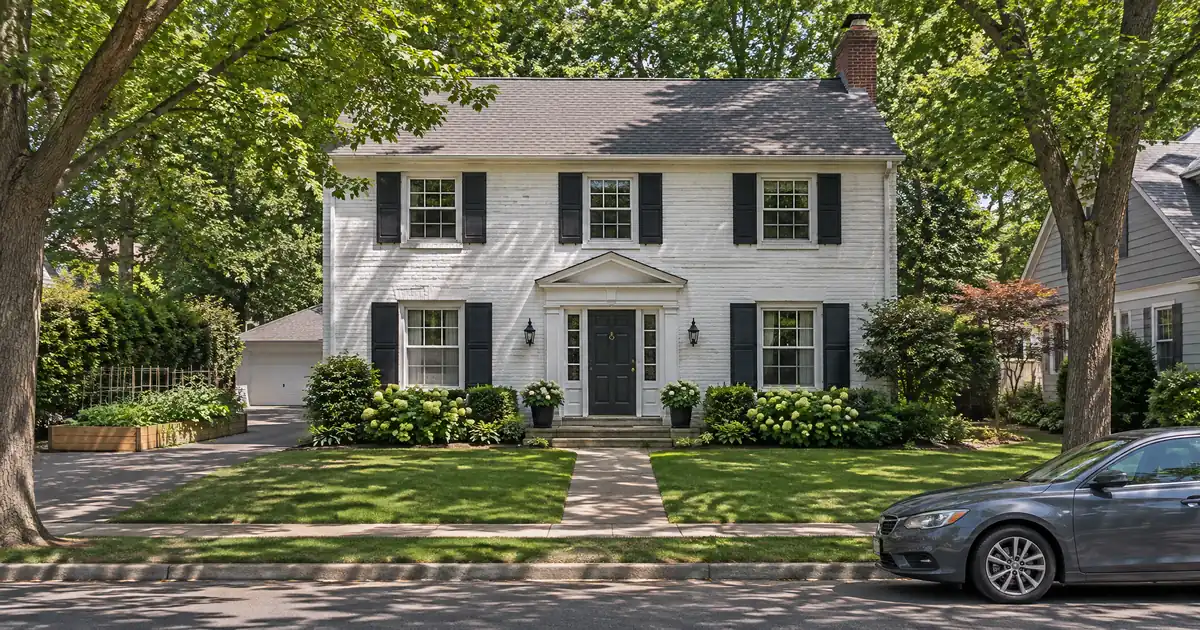
The Quick Read: Usually, nothing happens automatically, but the deed gives your lenders a reason to act, and the federal protections most investors assume they have do not cover a transfer into an LLC. The deed moves ownership of the property, not your personal obligation on the debt, so you stay liable on both loans.
- Two lenders can be affected: the first-mortgage lender and the HELOC lender.
- A deed to an LLC is not on the federal list of transfers a lender must tolerate.
- Silence from a lender is not a waiver. It can act later.
- On Lendmire’s network, an equity line must be titled to the individual borrower or a revocable living trust, so an LLC-titled rental needs a vesting change or a DSCR cash-out refinance instead.
- The safest order is to get written consent before you record anything.
Why the Deed Does Not Move the Debt
A deed changes who owns the collateral. It does not change who signed the note. After a quitclaim or grant deed to your LLC, the recorded loans still carry your name and signature. The LLC owns the house, and you remain the obligor.
How large a line the equity supports.
An equity line is sized by combined loan-to-value, occupancy, and credit — not by rental coverage. Switch the occupancy or the credit band and the ceiling moves with it.
Investment-property lines require a 700 minimum credit score; second-home lines start at a 640 minimum and primary-residence lines at 600, and the combined-LTV ceiling steps down as the credit band drops on primary-residence and second-home lines and holds on investment-property lines; the line cap steps down on primary-residence lines and holds at every tier on investment-property and second-home lines.
A debt-to-income ratio above 45% requires 680+ credit. Profiles under 640 are limited to single-family homes. At least 75% of the approved line is drawn at closing. Ceilings, floors, and caps update from Lendmire’s centralized guideline source.
Line estimate
Illustrative estimate only — not a quote, Loan Estimate, approval, or commitment to lend. The rate is an editable assumption; equity-line pricing is variable through both the draw and repayment periods and never converts to fixed. Occupancy and credit drive the ceiling together: an investment property tops out at 70% combined LTV (minimum credit 700, line cap $500,000); a second home tops out at 90% combined LTV (minimum credit 640, line cap $500,000), with the ceiling stepping down as the credit band drops (the cap holds at every tier); a primary residence tops out at 90% combined LTV (minimum credit 600), and its $750,000 maximum line is available only at 75% combined LTV or below with a 700-or-better credit profile (720 on the longer-runway program) and a full appraisal. Lines above $500,000 require a full appraisal. Credit, debt-to-income, property type, and full underwriting review all affect the final line.
That split is the root of the problem. Your lenders lent to you, against a property you owned. Now they hold a lien on property owned by a separate legal entity, even if you own 100% of it. A single-member LLC is still a different owner in the eyes of the law.
Does the Transfer Trigger the First Mortgage’s Due-on-Sale Clause?
It can. Most mortgages include a transfer clause that lets the lender demand full repayment if the property changes hands without consent. Federal law protects some transfers from that clause. A deed to an LLC is not one of them.
The implementing rule, 12 CFR 191.5, preempts state limits on due-on-sale enforcement. Cornell’s Legal Information Institute copy of the rule lists the transfers a lender may not act on:
- creating a junior lien that does not transfer occupancy rights;
- a lease of three years or less without a purchase option;
- a transfer to a relative on the borrower’s death;
- a transfer where a spouse or children become an owner;
- a transfer under a divorce or separation decree.
An LLC deed appears nowhere in that list. A related carve-out covers transfers into a revocable living trust where the borrower stays a beneficiary. Investors often confuse it with an LLC exemption. It is not one.
Scope is also narrower than most landlords think. The protections are written around homes the borrower occupies, so a non-owner-occupied rental has weaker footing still. Commercial and five-plus-unit properties generally fall outside the exceptions altogether.
What Can the HELOC Lender Do?
The HELOC lender’s options depend on the line’s own agreement, and federal rules limit what that agreement can say. For consumer home-equity plans, Regulation Z at 12 CFR 1026.40 allows termination and acceleration only in specified circumstances. They include fraud or material misrepresentation, failure to pay, and a borrower action or inaction that adversely affects the lender’s security.
Whether a deed to an LLC counts as impairing the lender’s security is a question for the agreement and for counsel. Treat it as unresolved. Two points are clear, though:
- A lender that does not act right away may act later, so long as a qualifying condition exists at that time.
- A freeze or reduction follows a separate, narrower list of grounds, such as a significant decline in property value or a significant change in the borrower’s finances. The lender must reinstate the line once the condition ends.
Here is the catch. Those consumer protections apply to consumer home-equity plans. A business-purpose line made to an LLC may sit outside them, so the safeguards can shrink once an entity enters the picture.
Why Lendmire’s Network Treats This as a Vesting Problem
Across Lendmire’s wholesale network, the equity-line programs lend against property held by an individual borrower or an inter vivos revocable living trust. LLCs, corporations, partnerships, and irrevocable, blind, or land trusts cannot hold title. That is the sharpest structural difference between a HELOC and a DSCR loan.
So if the property is already deeded to your LLC, a HELOC through these programs generally needs a vesting change back to you, or you skip the line and use a DSCR cash-out refinance. Lendmire’s complete DSCR loans guide explains how business-purpose investor loans are reviewed for entity borrowers, subject to program terms.
Some further network facts matter if you are planning the order of operations:
| Factor | Equity line on an investment property |
|---|---|
| Maximum CLTV | 70% |
| Minimum credit | 700 |
| Line size | $25,000 to $500,000 |
| Draw structure | 5-year draw, 25-year repayment |
| Valuation | Usually automated, no traditional appraisal |
| Who can hold title | Individual or revocable living trust |
All figures are subject to lender guidelines and full file review, and Lendmire arranges these loans through select wholesale partners rather than lending directly. Availability for equity lines is limited to Lendmire’s 16 full-service states, which is narrower than its DSCR footprint of 41 markets, including Washington, D.C.
Also note the 15-financed-property ceiling: a borrower with more than 15 financed properties is not eligible for these lines.
The Safe Sequence
The order you do things in matters more than any single clause. A sequence that protects your liquidity looks like this:
1. Pull the documents. Gather the first-mortgage note and deed of trust, the HELOC agreement, and your owner’s title policy. Find the transfer clause, the events-of-default list, and any covenant requiring you to keep title in your own name.
2. Draw or open lines while title is personal. A line you rely on for down payments or rehab can be frozen or called at the moment you restructure. Take the liquidity you need first.
3. Request written consent from both lenders. The first-mortgage lender holds a due-on-sale right. The HELOC lender holds rights under its agreement. Consent from one does not bind the other.
4. Decide the line’s fate. Keep it with consent, pay it off and close it before the deed, or replace the debt with a refinance.
5. Record the deed only after consent is in hand. Recording is not the same as having permission.
6. Fix title insurance and hazard coverage. More on that below.
Title and Insurance Gaps Can Cost More Than the LLC Saves
Lenders often learn of a transfer when you update your hazard insurance, and your title insurance is affected by the deed itself, so handle both policies deliberately.
Title policies vary more than hazard policies do, because the answer depends on the policy form and the state. A Porter Simon analysis describes a California appellate holding that a grant deed was an act not covered by the policy, and recommends an endorsement. The Brammer Firm says a standard owner’s policy generally does not extend to a newly formed LLC and suggests a new policy, often at a reissue rate. A state-specific First Integrity Title guide says coverage continues for a wholly owned LLC, with an endorsement needed otherwise. Because those answers differ, get written confirmation from your title company.
Scenarios: What Changes Under Each Path
| Path | What it means for the HELOC |
|---|---|
| Deed with written consent | Line can stay, on the lender’s terms |
| Deed without consent | Both lenders gain a reason to act |
| Pay off and close line first | Removes the HELOC risk; first mortgage remains |
| Already deeded, lender notices | Expect a demand for consent, payoff, or reversal |
| Free and clear, no first lender | Only the HELOC agreement matters |
| Buy in the LLC from day one | Avoids the transfer question entirely |
Reversing a transfer is not automatically safe either. A deed out of an LLC back to you is also not on the statutory list.
Picture a landlord with a duplex held personally, a first mortgage, and an open line she uses for the next down payment. If she deeds the duplex to her LLC before touching the line, she may lose access just when she needs it. If she draws first, secures consent from both lenders, then records, she keeps her options open.
Now consider an investor who already deeded a rental to an LLC and wants cash from it. On Lendmire’s network, a DSCR cash-out refinance in the LLC’s name is usually the cleaner route than unwinding the deed. Cash-out tops out around 75% LTV on a standard rental, with about 6 months of seasoning as the common expectation, subject to lender guidelines. Most programs want a score around 660, and 700+ opens the strongest leverage. DSCR qualifies primarily on property-level rental income covering the payment, subject to lender guidelines, and 1.00 is where select programs start, not a universal standard. Coverage below 1.00 is available through select lenders in the network, with leverage and terms adjusted. Clearing the ratio also does not mean positive cash flow, since repairs, vacancy, and management sit outside the calculation.
The lender-call checklist is short. Ask for the transfer clause language, whether consent is needed for a single-member LLC, whether the line can remain open after the transfer, and what the lender requires in writing.
The Trade-Off: Protection Versus Flexibility
The LLC adds a liability layer, but your personal note remains, and a deed made without consent can give your lenders grounds to act against you. Silence from a lender is not a waiver, so a quiet transfer, where the borrower keeps paying and hopes nobody notices, leaves the lender free to act later. That discretion is one lenders hold, not a right you hold.
If you rely on equity lines for acquisitions, keep personal title until the line is no longer needed. If you are a larger operator who already finances through entity-level business loans, the LLC makes more sense, and a DSCR structure fits that profile better than an equity line does. The article What Happens to an Investment Property HELOC if the Deed Is in Your Aunt’s Name? covers the adjacent title mismatch.
Key Terms Defined
Due-on-sale clause: A mortgage provision letting the lender demand full repayment if the property is transferred without its consent.
Second lien: A loan, such as a HELOC, that sits behind the first mortgage in repayment priority.
Personal guarantee: Your promise to repay a loan personally, even when an entity owns the collateral.
Vesting: The legal form in which title to the property is held.
Impairment of security: A borrower action or inaction that reduces the value or protection of the lender’s collateral.
This article is general information, not legal or tax advice. Rules and clauses vary by loan and state, so consult a qualified attorney or CPA about your own situation before recording any deed.
Frequently Asked Questions
Will my HELOC be automatically cancelled when I deed the rental to my LLC?
No. Nothing cancels automatically. But the transfer can give the first-mortgage lender a due-on-sale right and can give the HELOC lender grounds under its agreement, so the line is at risk if either lender objects.
Do I stay personally liable after the deed?
Yes. The note stays in your name. The LLC owns the collateral, and you remain the obligor on both loans.
Does Garn–St Germain protect a transfer to my own single-member LLC?
Not on the face of the rule. The listed exceptions cover items like relatives, spouses, divorce, and revocable trusts, and an LLC is not among them. Rental properties have weaker protection than owner-occupied homes.
Can I get a HELOC on a rental that is already titled to an LLC?
On Lendmire’s network, no. Title must be held by an individual or a revocable living trust, so the property needs a vesting change, or a DSCR cash-out refinance can serve instead, subject to program terms.
What if the lender notices after the fact?
Expect a request for consent, payoff, or reversal. A lender that did not act immediately can still act later, so a missed trigger is not a waiver.
If you are weighing a home equity line against a DSCR cash-out refinance on an LLC-titled rental, Lendmire can help you compare options based on the property, the equity available, credit profile, combined leverage, and your goals. Reach the team at 828-256-2183.
About Lendmire
Lendmire — NMLS# 2371349 — is a mortgage broker that arranges home equity lines of credit in its 16 full-service states through wholesale lenders, on primary residences, second homes and investment properties. Every line is subject to the lender’s guidelines and full underwriting. Scotsman Guide named Lendmire a Top Mortgage Workplace in both 2025 and 2026.
Get Started
Ready to find the right loan for you?
See your offer in seconds. No credit pull, no obligation.
Informational only. Not a Loan Estimate, approval, or commitment to lend. Program availability and eligibility are subject to lender guidelines, credit approval, property review, and underwriting.
References
3. CFPB – Regulation Z, 12 CFR 1026.40
4. Porter Simon – Title policy after transfer
5. Brammer Firm – Insurance and LLC transfers
6. First Integrity Title guide
This article is part of Lendmire’s investment property HELOC program — full qualification details, guidelines, and scenarios live on the program page.
Related reading: How Much Can You Borrow With an Investment Property HELOC on a Duplex or Triplex Rental? · Where to Get a Portfolio DSCR Cash-Out Refinance With a Fixed Term on a Rental Property · DSCR Cash-Out Refinance Checklist When Considering Private Money for a Rental Property
Brandon Miller
Founder & CEO, Mortgage Loan Originator, Lendmire LLC
- Mortgage Loan Originator · NMLS# 1129696 · Verify on NMLS Consumer Access
- North Carolina Real Estate Broker · License# 343312 · Verify on NCREC
- North Carolina Insurance Producer · License# 19053198 · Property, Casualty, Life, Health · Verify on NAIC SBS
- Lendmire LLC · Firm NMLS# 2371349 · Verify firm licensure
Disclosures. The information presented in this article is general market commentary, not financial, legal, or tax advice. Lendmire is a mortgage brokerage (NMLS# 2371349) — not a direct lender or depository institution — and loan placement is subject to lender underwriting. Nothing in this content represents a commitment to lend. Loan terms, pricing, and program availability vary based on borrower qualifications, property characteristics, and state of subject property, and are subject to change at any time. Lendmire complies with Equal Housing Opportunity requirements. Consumer access: nmlsconsumeraccess.org.