
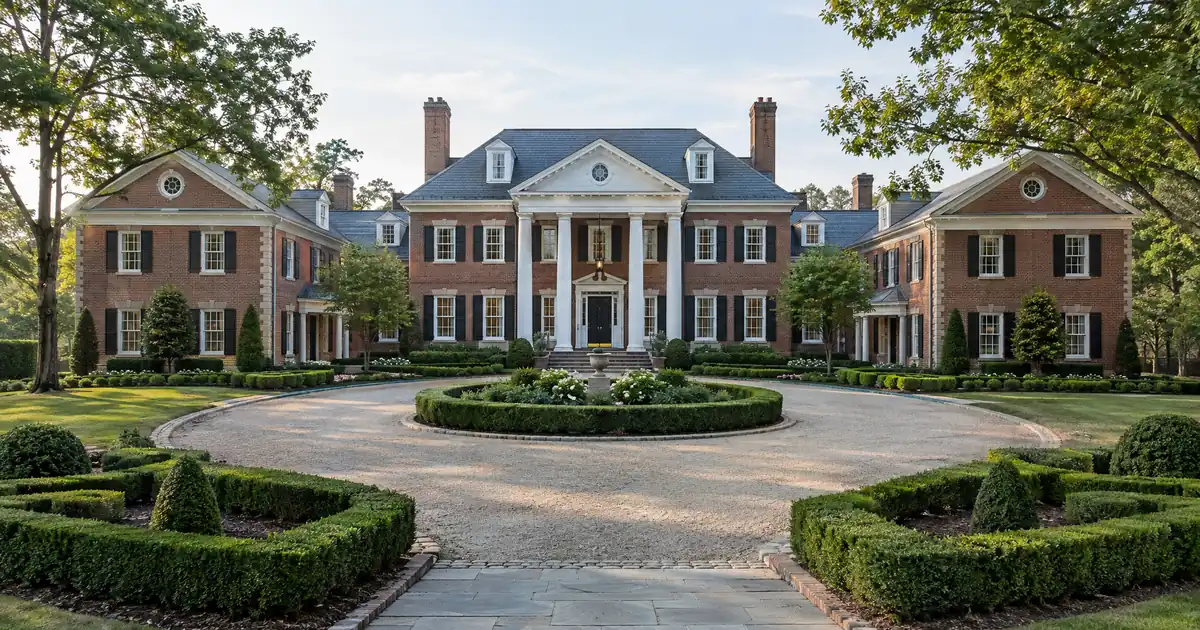
Can a founder keep a second-home loan after renting the house? Usually not without a problem. Second-home loans carry an occupancy promise baked into the note. Renting the house full-time breaks that promise unless the lender agrees in writing or the loan gets refinanced into a business-purpose product like a DSCR loan.
Can A Founder Keep A Second-home Loan After Renting The House — The Quick Read: Most second-home mortgages include an occupancy rider requiring the borrower to keep the home available primarily for personal use for at least a year. Renting it out full-time without lender consent puts the loan at risk of default classification. Occasional short-term rental in year one is generally tolerated; a founder who wants the house to be a real rental should plan on refinancing into a DSCR loan rather than quietly converting the existing one.
DSCR Calculator
Run the numbers in your market
Rate source: Freddie Mac 30-yr average via FRED® — Federal Reserve Bank of St. Louis · effective Sep 17, 2026
Prefilled with local estimates — enter your own rent or nightly figures, taxes, insurance, and HOA for a more accurate picture.
Program parameters update from Lendmire’s centralized guideline source. Taxes and insurance are editable estimates.
As of Sep 17, 2026 · General Freddie Mac market benchmark, not a Lendmire loan offer. Rent, nightly rate, occupancy, taxes, and insurance are editable estimates. Short-term rental figures are estimates only and vary significantly by season, property type, management approach, and local short-term-rental rules — confirm local regulations before relying on them. Qualifying income for short-term rentals varies by program — some use appraisal market rent, others use documented STR history or projections — and is confirmed in underwriting. Not a Loan Estimate, approval, or commitment to lend. Program availability and eligibility are subject to lender guidelines, credit approval, property review, and underwriting.
What Does the Second-Home Rider Actually Say?
The rider requires personal use, not zero rental income. The Freddie Mac Uniform Instrument – Second Home Rider (Form 3890) requires the borrower to keep the property available mainly as a residence for personal use and enjoyment for at least one year after closing. This doesn’t apply if the lender agrees otherwise in writing, or if extenuating circumstances apply. The same document treats occupancy misstatements as a material default. That means a lender can call the loan if it decides the borrower misrepresented their intent.
This is narrower than most people assume. The rider bans handing over exclusive control — no full-time lease, no rental pool, no timeshare arrangement. It doesn’t ban every rental night. A founder who lets friends stay for cash a few times a year, while still treating the home as their own most of the year, is on different footing than one who lists the house on a booking platform full-time the week after closing.
The lender-consent clause matters here too. The rider says consent “shall not be unreasonably withheld” — but on agency-backed paper, servicers rarely have a mechanism to grant a one-off waiver for full-time rental use. That’s the practical reason most founders end up refinancing rather than negotiating.
Can a Founder Rent the House During Year One?
Short bursts of rental activity in the first twelve months are generally tolerated, as long as personal use remains the primary pattern. Turning the property into a full-time rental — even informally — during that first year is the exact scenario the rider is written to catch.
After the first year of ownership, longer-term rentals become more workable under most agency guidance. Even so, the loan documents still assume the property works mainly as the owner’s second home, not as an income property. A founder who wants to lease the house on an annual basis, rather than occasionally, is really describing an investment property. That’s a different classification than what the loan was written against.
What Happens If the Founder Just Starts Renting Without Telling Anyone?
Nothing happens immediately — that’s the trap. Lenders and investors do check occupancy after closing through address verification, insurance changes, and follow-up contact. A mismatch between what was certified and how the home is actually used can surface months or years later. At that point, the loan is exposed to default classification for material misrepresentation — not just a request to fix the paperwork.
This is different from honest conversion. A founder who bought the house intending genuine personal use, then later decided to rent it out as circumstances changed, is in a cleaner position than someone who checked the second-home box while planning a rental from day one. The first is a conversion question. The second edges toward occupancy fraud, which carries far more serious exposure.
Why Refinancing Into a DSCR Loan Is the Practical Fix
A DSCR loan is reviewed on the property’s own rental income instead of the founder’s traditional personal-income documentation. This solves the mismatch cleanly. Once the refinance closes, the new loan is written as business-purpose from the start. There’s no rider promising personal use to violate, because the loan was never meant to assume personal use in the first place.
For founders specifically, this often solves a second problem beyond occupancy: qualification. Founder income is frequently K-1-driven, tied up in equity comp, or otherwise messy on paper, even when cash flow is strong. A DSCR loan is reviewed mainly on whether the property’s rental income covers the payment, subject to lender guidelines. This sidesteps the personal-income documentation fight altogether. Lendmire’s complete DSCR loans guide covers how that qualification process works in more depth.
Across the wholesale network Lendmire works with, business-purpose investment loans on this kind of file typically run from $150,000 up to $10,000,000 on the portfolio program (Lendmire’s standard DSCR program stops at $3,000,000), with short-term-rental and no-ratio files capped at $2,000,000. Leverage steps down as loan size grows: purchase and rate-term run around 80% up to roughly $1,000,000 at a 660 credit floor, stepping to about 75% through the $1,000,000-$2,000,000 band at higher credit tiers, and down to roughly 65% and then 60% in the $3,000,000-$10,000,000 range, where every file is reviewed case by case before submission. Cash-out on standard rental collateral typically tops out near 75% at smaller balances and steps down at higher loan sizes; cash-out on short-term-rental collateral is capped lower, around 70%, in that same range — and cash-out disappears above roughly $3,000,000 entirely.
Coverage of 1.00 or better typically earns full leverage on these programs. Sub-1.00 coverage — including no-ratio files — is a real path through select lenders in the network up to $2,000,000, but LTV and terms adjust downward to compensate, subject to underwriting. None of this is a promise; every file gets underwritten on its own merits.
What About the Founder’s Original Home, Now Sitting Empty of Personal Use?
This is where DSCR programs flip the logic entirely. Once a property is financed with a DSCR loan, the borrower and their immediate family generally can’t live in it at all — not part-time, not in one unit of a multi-family property, not as an occasional stay. That rule holds even on multi-unit buildings; the owner typically can’t reside in any specific unit under the loan’s terms. A founder who wants occasional personal use of the house alongside investment-style qualification is asking for something that doesn’t exist as a single product. It’s one or the other.
Short-term rental conversions get extra scrutiny in this world. Programs generally want to see a documented operating history. On a refinance, that typically means twelve months of income. On a purchase, it means an appraisal-based short-term rent analysis, discounted to roughly 80% of gross. Programs also usually require the borrower to already have experience owning income property. Rules on whether short-term rentals are even allowed vary by city, county, and HOA. That permission has to be documented at the property level — it’s never assumed.
Entity vesting is available on these files too — many founders prefer titling the rental in an LLC for liability separation, subject to program eligibility. That’s a meaningful shift from the personal-name titling that most second-home riders assume.
A Practical Sequencing Example
Consider a founder who bought a coastal second home two years ago, used it personally for several weeks a year, and now wants to lease it full-time to a long-term tenant while buying a primary residence elsewhere. The existing second-home loan wasn’t written for that use. Rather than quietly listing the property and hoping nobody notices, the cleaner path is refinancing into a DSCR loan sized to the property’s rental income, with leverage and coverage set by the ladder above rather than the founder’s W-2 or K-1.
If the founder instead wants to pull cash out at the same time — say, to fund the next acquisition — that changes the math further. Cash-out proceeds are unlimited at or below 60% LTV, but capped at $1,500,000 above that threshold. Cash-out disappears entirely above roughly $3,000,000 in loan size. Seasoning also enters the picture on a cash-out: rate-term refinances typically carry no seasoning restriction, while cash-out refinances commonly ask for several months of ownership first before proceeds become available. Anyone weighing that decision might find Lendmire’s piece on timing a second-home bank-statement cash-out after purchase useful for sequencing the timeline.
Does Renting to a Founder’s Own Business Create a Loophole?
No — and this trips people up more than almost anything else. Titling the property in an LLC or renting it to the founder’s own company doesn’t change the occupancy analysis under the loan, and it doesn’t turn a personal-use property into a business asset for mortgage purposes. Separately, on the tax side, IRS Topic No. 415 treats a property as a personal residence for the year if personal use exceeds 14 days or 10% of the days it’s rented at fair value, whichever is greater — a completely separate test from what the mortgage rider requires. A founder renting the house to their own business for a short retreat may also brush up against the narrow exemption under §280A, sometimes called the Augusta Rule, which caps that untaxed rental window at fourteen days a year — nowhere close to a year-round rental strategy.
Tax treatment can depend on how the funds are used and how the property is held; investors should keep clear records and speak with a qualified tax professional before relying on any deduction.
Key Terms Defined
Second-home rider — a standard addendum attached to many second-home mortgages requiring the borrower to keep the property available primarily for personal use for at least a year.
DSCR (debt-service coverage ratio) — a ratio comparing a property’s monthly rental income to its full monthly payment (principal, interest, taxes, insurance, and any HOA dues); it measures whether rent covers the payment, not the borrower’s personal income.
Business-purpose loan — a mortgage made for investment or income-generating purposes rather than personal occupancy; DSCR loans are business-purpose by design and are non-owner-occupied.
Seasoning — the length of time a property must be owned (or income documented) before certain refinance options, especially cash-out, become available.
No-ratio loan — a program that doesn’t rely on a minimum coverage number to qualify, available through select lenders in the network at reduced leverage, subject to underwriting.
Frequently Asked Questions
Can a founder just tell the lender they changed their mind about renting?
Not automatically. The rider allows the lender to consent in writing, and consent isn’t supposed to be unreasonably withheld. In practice, most agency servicers aren’t set up to approve full-time rental conversions on the spot, which is why a refinance into a business-purpose loan is usually the more workable route.
Does a DSCR loan let the founder still stay at the property occasionally?
No. DSCR loans are built for non-owner-occupied investment properties, and living in the property — even part-time or in one unit of a multi-unit building — conflicts with the loan’s terms. A founder wanting flexibility to stay occasionally needs a different loan structure entirely, not a DSCR loan.
What if the founder’s rental income is inconsistent, like a short-term rental?
Short-term rental income typically is reviewed on twelve months of documented operating history on a refinance, or an appraisal-based rent analysis on a purchase, generally counted at a discount to gross rent. Programs usually want the borrower to already have experience owning income property, and local short-term rental rules can vary by city, county, HOA, and property type, so investors should confirm those rules before relying on projected income.
Is it better to refinance now or wait until the rider’s first year is over?
It depends on intent and timing. If the founder genuinely used the home personally and circumstances changed, waiting out the first year may reduce friction. If full-time rental was always the plan, waiting doesn’t fix the underlying occupancy mismatch — a refinance into a business-purpose loan addresses that directly regardless of timing.
Can the founder vest the refinanced property in an LLC?
Entity vesting is generally welcomed on DSCR programs, subject to lender program eligibility, and many founders prefer it for liability separation. That’s a different setup from the personal-name titling most second-home riders assume, and it typically needs to be arranged as part of the refinance rather than added after the fact.
If a founder is weighing whether to keep, renegotiate, or refinance a second-home loan after renting the house, Lendmire can help compare DSCR loan options based on the property’s income, credit profile, leverage, and investor goals. Reach the team at 828-256-2183 or through Lendmire’s quote request page to walk through the numbers.
For current guidelines and terms, see Lendmire’s super jumbo DSCR loan programs page.
Self-employed borrowers can compare both super jumbo programs on Lendmire’s self-employed mortgages page.
About Lendmire
As a non-QM mortgage broker (NMLS# 2371349), Lendmire facilitates DSCR investor loans across 40 markets, including Washington, D.C. DSCR eligibility is generally reviewed around property-level rental income instead of personal income documentation, subject to lender guidelines, serving LLC-structured portfolios and self-employed borrowers who don’t fit conventional boxes. A two-time Scotsman Guide Top Mortgage Workplace (2025, 2026).
Lendmire’s Top Mortgage Workplace recognition is documented by Scotsman Guide 2025 Top Mortgage Workplace and Scotsman Guide 2026 Top Mortgage Workplace.
Get Started
Ready to find the right loan for you?
In about 30 seconds you can review financing options available for your home or investment property. No commitment required.
Informational only. Not a Loan Estimate, approval, or commitment to lend. Program availability and eligibility are subject to lender guidelines, credit approval, property review, and underwriting.
References
1. Freddie Mac Uniform Instrument – Second Home Rider (Form 3890)
2. IRS Topic No. 415 – Renting Residential and Vacation Property
3. Illinois Tax School – Tax Rules for Rentals and Vacation Homes
Brandon Miller
Founder & CEO, Mortgage Loan Originator, Lendmire LLC
- Mortgage Loan Originator · NMLS# 1129696 · Verify on NMLS Consumer Access
- North Carolina Real Estate Broker · License# 343312 · Verify on NCREC
- North Carolina Insurance Producer · License# 19053198 · Property, Casualty, Life, Health · Verify on NAIC SBS
- Lendmire LLC · Firm NMLS# 2371349 · Verify firm licensure
Legal disclosures. Lendmire (NMLS# 2371349) is a state-licensed mortgage brokerage that arranges financing through wholesale lender relationships. Lendmire is not a direct lender, depository institution, or registered financial advisor. The discussion above is general informational content about real estate financing — it is not financial, legal, or tax advice, and readers should consult licensed professionals for guidance on their individual circumstances. Loan inquiries are subject to lender underwriting; this article does not represent a commitment to lend. Loan terms, rates, and qualification standards vary by borrower, property, and state, and are subject to change at any time. Equal Housing Opportunity. NMLS Consumer Access: nmlsconsumeraccess.org.


