
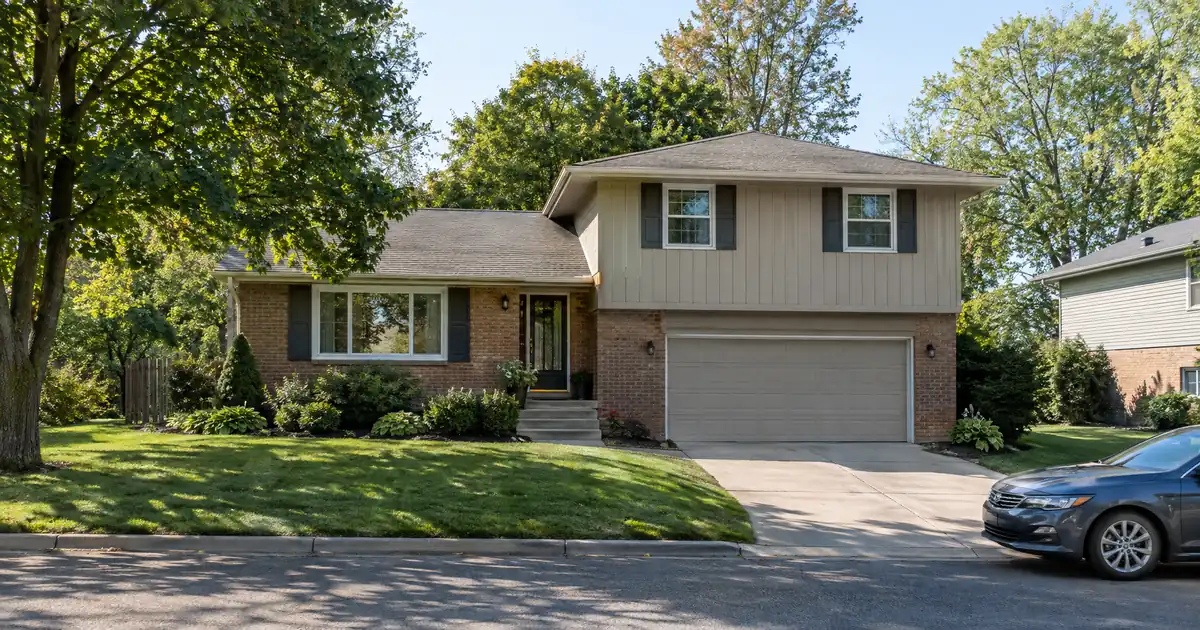
The Quick Read: A cash-out refinance on a Houston rental replaces the current mortgage with a larger one, and the investor keeps the difference after payoff and closing costs. Texas’ home-equity limits, including the 12-day notice and the constitutional cap, apply to homestead property, not to a pure rental. Across most of the wholesale network, leverage tops out around 75% LTV, with about 6 months of seasoning and a 1.00 coverage floor on select programs, all subject to lender guidelines.
Key Takeaways
- Cash-out on a rental is governed by the lender’s DSCR guidelines. Texas’s homestead rules are a contrast, not a constraint.
- Three tests run side by side: LTV, seasoning, and rental coverage. Credit and reserves sit on top.
- Clearing 1.00 is not the same as positive cash flow.
- Sub-1.00 coverage is available through select lenders in the network, with leverage and terms adjusted.
- Most problems on these files come from the appraisal, the prepayment terms on the old loan, and title, not from the ratio itself.
What Is a Cash-Out Refinance on a Rental Property?
A cash-out refinance pays off the existing mortgage with a new, larger loan. The borrower receives whatever is left after payoff, closing costs, and prepaids. That classification comes first in underwriting. It decides which LTV grid, seasoning clock, and reserve expectation apply.
DSCR Cash-Out Calculator
Run the cash-out numbers in your market
Rate source: Freddie Mac 30-yr average via FRED® — Federal Reserve Bank of St. Louis · effective Sep 24, 2026
Prefilled with starting assumptions — enter your property’s value, balance, taxes, and insurance for a more accurate picture.
Program parameters update from Lendmire’s centralized guideline source. Taxes and insurance are editable estimates.
As of Sep 24, 2026 · General Freddie Mac market benchmark, not a Lendmire loan offer. Property value, balance, taxes, and insurance are editable estimates. Maximum loan-to-value varies by lender, program, property type, and seasoning. Not a Loan Estimate, approval, or commitment to lend. Program availability and eligibility are subject to lender guidelines, credit approval, property review, and underwriting.
Because the property is non-owner-occupied, FHA and VA cash-out are off the table. The file goes one of two ways: conventional non-owner-occupied guidelines, which lean on traditional personal-income documentation, or a DSCR program. DSCR qualifies primarily on property-level rental income covering the payment, subject to lender guidelines. The ratio is monthly rent divided by PITIA: principal, interest, taxes, insurance, and any association dues.
DSCR loans are designed for non-owner-occupied investment properties. Because they are business-purpose investor loans, they are reviewed differently from a standard owner-occupied mortgage. The complete DSCR loans guide covers the product end to end. This article stays on the cash-out mechanics.
Does Texas Law Limit a Houston Rental Cash-Out?
Not the way most people assume. Texas’ home-equity framework sits in Article XVI, Section 50 of the state constitution, and the (a)(6) cash-out provisions govern homestead property. A rental is not a homestead. The well-known 12-day notice before closing, described in the FindLaw text of Section 50, belongs to that homestead product. So does the commonly quoted 80% cap.
The practical result: a Houston landlord refinancing a true rental does not sit through the 12-day wait and does not face the constitutional cap. The lender’s DSCR guidelines set the terms instead. Across the network, that means a cash-out ceiling of 75% LTV, no state-specific LTV overlay, and the same standard tiers as every other state. Final terms depend on lender guidelines, property type, leverage, and the borrower’s complete credit picture.
One flag. If the borrower ever lived in the property as a homestead, title may want a homestead review before the deal works. That is a question for the title company and counsel, not a rule to assume either way.
How Underwriting Treats the File, Step by Step
Every cash-out file runs the same sequence. Here is where the friction lives.
1. Classify the file. Cash-out versus rate-and-term. If the borrower walks away with more than payoff, costs, and prepaids, it is cash-out, and the tighter grid applies.
2. Check seasoning. Seasoning is how long the borrower has held title. It is a clock, not a credit check. About 6 months is the common expectation across the network, measured from the recording date of the deed. Inherited property generally becomes eligible once the deed is recorded. Cash buyers can often use delayed financing to skip the standard wait. Confirm the structure with the lender before assuming it.
3. Order the appraisal. Value comes from a full appraisal, not the purchase price, and that value is the LTV denominator. Rent comes from a Form 1007 on a single-family property, or Form 1025 on a small multi-unit. Lenders commonly use the lower of the lease and the appraiser’s market-rent figure. The 1007 or 1025 is an input, not the last word.
4. Run the coverage. Monthly rent over PITIA. If the new, larger balance raises the payment, or taxes and insurance reset higher, the ratio falls. This is the main brake on how much cash comes out.
5. Size the loan. The lender may cap the loan below the maximum LTV to bring coverage up to the required level. Cash to the borrower is roughly the new loan minus payoff minus costs. Equity is never a guaranteed cash figure. It depends on rent used for lender review, PITIA, reserves, and the LTV ceiling together.
6. Clear title and condition. Title, property condition, insurance, and credit are all reviewed. Insurance binders and entity documents are the usual holdups. Stale quotes change PITIA and therefore the ratio.
7. Review the prepayment structure. DSCR loans are outside the Qualified Mortgage framework, and most carry a prepayment structure: a declining step-down, a flat percentage, or months of interest. Read the penalty on the loan being paid off and on the new one.
What the Network Typically Looks For
Program parameters below are typical ranges from select lenders in Lendmire’s wholesale network, subject to lender guidelines and not a commitment to lend.
| Factor | Typical cash-out range |
|---|---|
| Max LTV, standard rental | About 75% |
| Seasoning | About 6 months from title recording |
| Coverage | 1.00 is where select programs start |
| Credit | 620 floor in parts; most want about 660; 700+ for strongest tiers |
| Reserves | Commonly about 6 months PITIA; about 9 above $1,500,000 |
| Loan size | Up to $3,000,000 on standard programs |
Coverage of 1.00 is a floor for specific programs, not the standard. Stronger ratios open better pricing and leverage. Coverage below 1.00 is available through select lenders in the network, with leverage and terms adjusted. No-ratio structures exist only through select lenders, generally for borrowers who already own a primary residence.
Credit moves leverage more than investors expect. OfferMarket’s commentary on credit and LTV describes how a mid-600s score can cut the maximum LTV even when cash flow supports more, and notes that guidelines vary by lender. That matches what shows up across the network: a borrower at 700+ and a borrower at 660 can own the same property and see different cash-out ceilings.
Structures and Variations
The spine is the 30-year fixed. Extended terms such as 40-year and interest-only periods are available through select lenders in the network, and ARM structures exist for investors who want them. Above $2,500,000, the network generally holds to 30-year fixed structures.
Short-term rentals run a separate grid. Cash-out on STR collateral tops out at 70% LTV, versus 75% on a standard rental. Expect a 640+ score and about 12 months of hosting history. Form 1007 was built for monthly leases, so lenders use platform statements or STR data tools for income. Short-term rental rules can vary by city, county, HOA, and property type, so investors should confirm local rules before relying on projected rental income. These specifics are subject to lender guidelines and a full review of property, leverage, and credit.
LLC titling is common. Many programs lend to entities, subject to program eligibility and documentation. Operating agreement, EIN letter, and good standing certificate should be in the file before submission.
An investment-property HELOC is a different tool. Those lines cap at $500,000 total, and there is no higher tier.
Where the General Rule Breaks
Vacant unit. A vacancy does not disqualify the file. The lender leans harder on the appraiser’s market-rent opinion and comps. A tenant on a lease is not required.
Below-market lease. Rents have risen but the tenant is on an old lease. The appraiser may use the lower lease figure, and coverage drops with it.
BRRRR exit from hard money or bridge. Three clocks run at once: seasoning, the appraisal timeline, and the prepayment terms on the loan being paid off. Post-rehab reassessment can raise taxes and pull the ratio down. Investors who model coverage on pre-rehab taxes get surprised here.
Cash purchase. Delayed financing can shorten or remove the seasoning wait.
Ineligible property types. Manufactured homes (single- and double-wide), log homes, and barndominiums are not offered in the network’s DSCR programs. Houston investors buying outside the city on acreage run into this more than they expect.
Homestead history. Covered above. A past owner-occupancy can pull a rental file into a homestead question at title.
What 1.00 Does and Does Not Mean
DSCR compares rent to PITIA only. Repairs, vacancy, management, utilities, and capex sit outside the calculation. A file that clears 1.00 can still lose money in a bad month. Investors who treat the ratio as a cash-flow forecast end up over-pulling equity.
A larger down payment on a purchase lowers the payment and can lift the ratio, but it never erases leverage caps, credit floors, reserve rules, or property eligibility. The strongest cash-out files clear both tests: enough equity and enough rental coverage.
The Investor Decision in Practice
Picture an investor with a seasoned Houston-area rental who wants to redeploy equity into a second property. The questions run in this order. Does the appraised value support 75% LTV after payoff? Does rent cover the new, larger PITIA at a ratio the lender will price? Is the prepayment penalty on the existing loan expired or affordable? And does the pulled cash have a deployment plan? Every borrowed dollar carries interest cost, so pull what has a job. Terms vary by lender guidelines, property type, leverage, credit profile, and full file review.
Consider a second scenario: a rental that clears the LTV test but lands just under 1.00 after the balance goes up. Options a lender may review include a lower loan amount, a select-lender sub-1.00 program with adjusted leverage and terms, or an interest-only structure. Qualification stays subject to lender guidelines, credit approval, and property review.
Match the prepayment term to the hold horizon. A penalty on the new loan matters if a sale or another refinance is coming soon. Comparing selling with doing a cash-out refinance can help with that decision. For proceeds, tax treatment can depend on how the funds are used and how the property is held; investors should keep clear records and speak with a qualified tax professional before relying on any deduction. The tax implications of a rental cash-out refinance are a larger topic that is worth reviewing in full.
Here is what a broker sees across comparable deal flow. Files stall less on the ratio than on paperwork: an appraisal with a thin rent opinion, an insurance quote that expired mid-review, entity documents that don’t match the title vesting. Refreshing the insurance quote and confirming vesting before submission removes most of the preventable gaps.
Key Terms Defined
Seasoning: The length of time the borrower has held title, counted from deed recording.
LTV: Loan-to-value, the new loan balance divided by the appraised value.
DSCR: Debt service coverage ratio, monthly rent divided by PITIA.
PITIA: Principal, interest, taxes, insurance, and association dues, the full monthly obligation.
Form 1007 / Form 1025: The appraiser’s rent schedule for single-family and small multi-unit properties.
Delayed financing: A structure that lets a recent cash buyer refinance without the full seasoning wait.
Prepayment penalty: A fee for paying off or refinancing the loan early, common on DSCR loans.
Frequently Asked Questions
Does Texas’ 80% cap and 12-day wait apply to my Houston rental?
No. Those are homestead rules under the (a)(6) home-equity framework. A true rental follows the lender’s DSCR guidelines, which in the network cap cash-out at about 75% LTV. If the property was ever your homestead, ask title and counsel whether a review is needed. Exact terms depend on the lender’s guidelines, property type, leverage, and a full review of the borrower’s file.
How long do I have to own the property before cashing out?
About 6 months is the common expectation across the network, counted from the deed recording date. Cash buyers may shorten or skip the wait through delayed financing, and inherited property generally becomes eligible once the deed is recorded. Confirm with the lender before relying on either.
Does the rental need a tenant or a lease?
Neither is required. A vacant unit leans on the appraiser’s market-rent opinion and comps. If a lease exists and sits below market, the lender may use the lower figure.
Can I cash out if coverage is under 1.00?
Select lenders in the network offer sub-1.00 programs, with leverage and terms adjusted. Expect a lower LTV and different terms than a file with stronger coverage. Qualification stays subject to lender guidelines and credit review.
Can I cash out on a short-term rental?
Yes, through programs built for it. Cash-out on STR collateral tops out around 70% LTV, with a 640+ score and about 12 months of hosting history typical. Income is documented with platform statements or STR data tools rather than a standard rent schedule. Every figure here varies by lender and program — guidelines, property type, leverage, and credit profile all apply.
If you are buying or refinancing a rental property and want to see how the numbers work, Lendmire can help you compare DSCR loan options based on the property income, credit profile, leverage, and investor goals. Call 828-256-2183 or request a quote.
For the mechanics of pulling equity out of a rental property, see cash-out refinance on an investment property.
For current guidelines and terms, see Lendmire’s DSCR loan programs page.
About Lendmire
Lendmire (NMLS# 2371349), a non-QM mortgage broker serving investors in 41 markets including Washington, D.C., helps structure DSCR scenarios commonly evaluated around a property’s rental income rather than personal income paperwork, subject to lender guidelines. A Scotsman Guide Top Mortgage Workplace in 2025 and 2026, Lendmire places loans through wholesale investor lenders and is not a direct lender.
A deeper walk-through of investment-property equity extraction lives in cash-out refinance on an investment property.
Get Started
Ready to find the right loan for you?
In about 30 seconds you can review financing options available for your investment property. No commitment required.
Informational only. Not a Loan Estimate, approval, or commitment to lend. Program availability and eligibility are subject to lender guidelines, credit approval, property review, and underwriting.
References
1. Texas Constitution Art. XVI §50
3. OfferMarket: How Credit Score Affects LTV for DSCR Rental Loans
This article is part of Lendmire’s investment property cash-out refinance program — full qualification details, guidelines, and scenarios live on the program page.
Related reading: Luxury Rental DSCR Loans In New Jersey · Jersey Shore Vacation Rental Loans: DSCR Financing In Ocean City, Cape May And Long Beach Island · DSCR Cash-out Refinance In New Jersey: Pulling Equity From A Rental
Guides: Investment Property Cash-Out Refinance in Houston, TX · Investment Property Cash-Out Refinance in Texas
Brandon Miller
Founder & CEO, Mortgage Loan Originator, Lendmire LLC
- Mortgage Loan Originator · NMLS# 1129696 · Verify on NMLS Consumer Access
- North Carolina Real Estate Broker · License# 343312 · Verify on NCREC
- North Carolina Insurance Producer · License# 19053198 · Property, Casualty, Life, Health · Verify on NAIC SBS
- Lendmire LLC · Firm NMLS# 2371349 · Verify firm licensure
Compliance and disclosures. Lendmire (NMLS# 2371349) is a licensed mortgage broker and is not a direct lender, depository institution, financial advisor, or tax professional. Content in this article is general market analysis and educational information — not financial, legal, or tax advice for any specific situation. Lendmire does not guarantee loan approval; every transaction is subject to underwriting by the funding lender. Mortgage pricing and loan program guidelines are subject to change at any time without notice and vary by borrower characteristics, property type, and state regulations. Lendmire complies with Equal Housing Opportunity. Licensure verification: NMLS Consumer Access.