
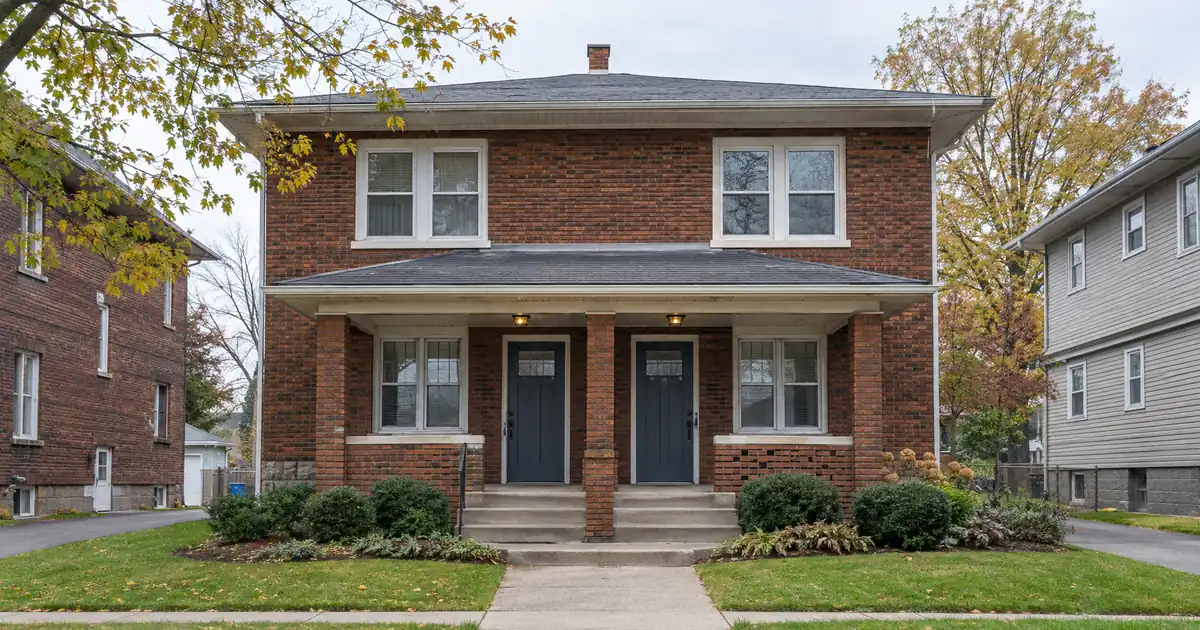
In Fairfield, Butler County, Ohio, a cash-out refinance on a rental is decided by the rent line, not the value line. Homes here sold at a median of $299,500, so equity is rarely the problem. The problem is whether a 3-bedroom house or a small building carries its full monthly obligation once the loan is sized at 75% LTV. Fairfield, Ohio rental property investors can tap DSCR programs that Lendmire arranges, available across 41 markets, including Washington, D.C. Lendmire (NMLS# 2371349) is a non-QM mortgage broker, so lenders in its network do the eligibility review and approval. These specifics are subject to lender guidelines and a full review of property, leverage, and credit.
This article covers the equity-extraction side only: a rental you already own, the seasoning clock, and what the appraisal and the rent schedule have to show. Purchase mechanics are a separate topic.
DSCR Cash-Out Calculator
Run the cash-out numbers in Fairfield, OH
Rate source: Freddie Mac 30-yr average via FRED® — Federal Reserve Bank of St. Louis · effective Sep 24, 2026
Prefilled with starting assumptions — enter your property’s value, balance, taxes, and insurance for a more accurate picture.
Program parameters update from Lendmire’s centralized guideline source. Taxes and insurance are editable estimates.
As of Sep 24, 2026 · General Freddie Mac market benchmark, not a Lendmire loan offer. Property value, balance, taxes, and insurance are editable estimates. Maximum loan-to-value varies by lender, program, property type, and seasoning. Not a Loan Estimate, approval, or commitment to lend. Program availability and eligibility are subject to lender guidelines, credit approval, property review, and underwriting.
The Quick Read:
A cash-out refinance on an investment property in Fairfield, Ohio is a loan against equity in a rental you already own, underwritten primarily on the property’s rental income measured against its full monthly obligation, with leverage capped by an LTV ceiling and a seasoning period measured from title recording.
- Median sale price sits at $299,500 while rent readings differ widely by source and bedroom count.
- Cash-out LTV tops out at 75%, and ownership seasons for about 6 months from recording.
- Rents are flat to soft, so coverage, not equity, usually caps the proceeds.
- A two-door building can cover its obligation with more cushion than a single-family house.
- Cincinnati Financial’s headquarters gives Fairfield a corporate-payroll renter base, not just an industrial one.
Pleasant Avenue and the Village Green Side
The Pleasant Avenue and Village Green pocket is the most useful place to start, because it shows the tenant mix that makes Fairfield different. U.S. 127 is a main commercial corridor. Townhome and single-family rentals sit near the community green, which hosts a farmers market, concerts, and a fine art fair. Apartments.com shows 126 single-family rentals in the broader Village Green search area. That is a search radius, not a mapped neighborhood, so treat it as a rough indicator of depth.
Who rents here? Mostly people who work close by. The City of Fairfield’s economic development page lists Cincinnati Financial’s corporate headquarters, Skyline Chili, Jungle Jim’s International Market, and manufacturers such as Pacific Manufacturing and Koch Foods. Add Mercy Health – Fairfield Hospital, which has served Butler County and northern Cincinnati for nearly 50 years. Nurses, techs, and allied-health staff are steady mid-income renters, and claims and finance staff round out the white-collar side.
That matters for a cash-out file. Employment-linked demand supports lease renewals, and renewals are what an appraiser’s rent schedule and a lender’s lease review both want to see.
Winton–Nilles, Mack Road, and the Industrial Belt
The Winton–Nilles corridor is rental-house territory near shopping, with Jungle Jim’s as the regional anchor. Demand comes from retail and service workers, plus some Cincinnati Financial and Mercy staff. Rent data at this level is thin. A rental portal describes the area qualitatively, and no source publishes a corridor-level rent or price band. So the file has to carry its own evidence: leases, a rent schedule, and comps from the appraiser.
The Mack Road, Route 4, and I-275 corner runs to condos and townhomes. One listing describes a 2 BR/1.5 BA condo near I-275 and Route 4, and demand leans on commuters and industrial-zone workers. Condos bring the HOA questionnaire and condo certification into the file. Ask for those documents at the start, not mid-review. Incomplete questionnaires are a common reason a file stalls.
The industrial and logistics belt along Bohlke Boulevard, Route 4, and Dixie Highway houses Koch Foods, Pacific Manufacturing, Martin Brower, and Fischer Group. The city notes the location next to I-75 and I-275, which is why logistics keeps clustering here. Workforce single-family and small-unit rentals nearby suit that tenant base. Skip the assumption that a planned expansion means rent growth, though. One expansion plan in the research was never confirmed as completed.
How Big Is the Employment Base Behind the Rents?
The base is concentrated, and one employer dominates. The State of Ohio’s Major Employers report lists Cincinnati Financial at 3,389 Ohio employees with headquarters in Fairfield, ranked #91 statewide. An older Journal-News ranking put it at roughly 3,250, followed by Mercy Health – Fairfield Hospital and Liberty Mutual at about 1,400 each and Koch Foods near 1,250. That list is dated, so use it for ordering, not for current headcounts. The city’s Community Statistics page carries the current employer list.
Mercy is bigger than the local hospital. Its careers page describes it as the fourth largest employer in Ohio, with more than 34,000 employees.
There is no four-year university inside the city, so student demand is not part of the thesis. This is a payroll market with about 44,828 residents, per CensusFlow’s ACS summary, and a median household income of $77,937. Renter households number 6,784, or 37% of the total, per RentCafe. Public transit is limited, so proximity to I-75, I-275, and the commercial corridors matters more than a bus line.
Prices Up, Rents Flat: The Real Tension
The tension in Fairfield is between value and rent. Redfin reported a median sale price of $277K, up 15.1% year over year, but price per square foot rose only 2.6%. Read that gap as mix: larger or newer homes closing, not broad like-for-like appreciation. Movoto’s later median of $299,500 sits above it. NeighborhoodScout shows 113.24% cumulative appreciation over ten years, which is why long-time owners often hold real equity.
Rents tell a different story. Apartment List shows a $1,307 median, down 0.4% year over year. Zillow shows a $1,375 average, down $125 from the prior year. RentCafe runs higher. Both sources show rents slipping, so call rents roughly flat at best.
Here’s the catch. A cash-out refinance sizes to the lower of two constraints: the 75% LTV ceiling on appraised value, and the loan amount the rent can support at a 1.00 baseline. In a market where price outran rent, the second one usually binds first. Equity available depends on rent used for lender review, the full monthly obligation, reserves, and that LTV ceiling. It is not a guaranteed cash figure. Qualification stays subject to lender guidelines, credit review, and property review.
Modeled Coverage: A House Versus a Duplex
Take the house first. Rent data for single-family is scattered. ForRent puts a 3-bedroom at $1,640 and a 4-bedroom at $1,931. Zillow shows 3-bedrooms near $2,000, and Homes.com shows a $2,395 median off only seven listings. Run the numbers on a modeled house with a $299,500 purchase price, financed at 75% LTV, with coverage measured against principal, interest, taxes, and insurance together. These rents are modeled assumptions, not a promise of what your unit will lease for: Terms vary by lender guidelines, property type, leverage, credit profile, and full file review.
- At $1,640 rent, coverage lands in the low 0.8s. That is below the standard 1.00 benchmark.
- At $2,000 rent, coverage sits right around 1.00.
- At $2,395 rent, coverage runs about 1.2x, and that is on a seven-listing sample.
The $1,640 case is where the file gets interesting. Below 1.00, a lender may review a sub-1.00 program, an interest-only structure, or a lower LTV with more cash left in the deal. Each carries different pricing and leverage limits, and eligibility depends on credit profile, reserves, and the lender’s overlays. Some lenders review lower-ratio files only with stronger compensating factors. It is a real option, not a default.
Now the small building. NeighborhoodScout shows the housing stock as 56.19% single-family detached, 27.15% large apartment complexes, and 7.41% duplexes, converted homes, or small buildings. That last slice is thin. Realmo shows two-family listings starting near $180,000 and averaging about $291,605, but active inventory is only a couple of listings, so the average is soft. RentCafe’s 2-bedroom average is $1,415, and Zillow’s is $1,352. Model two doors at that range on roughly a $291K basis at 75% LTV, and coverage including taxes and insurance comes out around 1.3x or a little better. Per-door rents are lower than a house, but the price is not double, so the ratio improves. Exact terms depend on the lender’s guidelines, property type, leverage, and a full review of the borrower’s file.
(That’s a modeled figure on thin inventory, not a market average.)
One more property type deserves a line. A four-unit listing showed three units occupied and one ready to lease, with below-market rents and separately metered units. Below-market rents are the value-add angle, but day-one coverage uses in-place leases unless the lender allows a market-rent appraisal. The cash-out may make more sense after the lease-up, not before. For the general comparison, conventional vs DSCR on investor loans lays out why property-rent-based lender review suits small buildings held in an LLC, subject to lender program eligibility.
Seasoning, Appraisal Access, and the Documents That Stall Files
Seasoning is mechanical. Cash-out generally requires about 6 months of ownership, measured from title recording, and the settlement statement documents it. Files that assume this away get kicked back. If the purchase was recent and the rehab is still in progress, count the months from recording, not from closing the rehab.
Then comes the appraisal. Fairfield is a modest-volume market. Movoto shows 91 homes sold in one recent month versus 86 a year earlier, with days on market at 25 versus 10 a year earlier. Redfin’s monthly count was only 36 sales in its latest read, so its numbers swing. The appraiser may lean on a small comp set or pull from adjacent areas. Plan for a conservative value. If it comes in light, an appraisal reconsideration request with recent in-city sales and condition adjustments is a routine step, not an emergency.
Stock age is the other friction point. RentCafe reports apartment buildings averaging about 42 years old, with 99% of communities low-rise and garden-style. Homes.com describes single-family stock as Cape Cods, ranches, and split-levels from the 1980s through late 1990s. Older garden complexes compete for the same renters and, in at least one listing, advertise a 19-month lease promotion. Small owners should expect concessions on lease-up and capex on older systems. Document both.
On files from markets built like this one, suburban, older stock, flat rents, and a corporate-payroll base, Lendmire’s deal desk tends to see the same friction: the rent schedule and the lease evidence disagree, or the entity documents lag behind the deed. The cleaner files have signed leases matching the rent used in the ratio, a current insurance quote, LLC operating agreements and good-standing certificates ready, and a reserves statement showing about 6 months of the full obligation. Unlike balance-sheet lenders that treat investor files as portfolio-risk exercises, the non-QM wholesale channel reviews these as property-level files, which puts the weight on that documentation. Reach the team at 828-256-2183 or talk to Lendmire to pressure-test a file before submitting.
Where the Proceeds Go
The proceeds are only useful if they redeploy at a better coverage ratio than the property you pulled them from. That is the discipline. A house at 1.00x coverage that sponsors a down payment on a duplex at 1.3x improves the portfolio. A house at 1.00x that funds another house at 1.00x just adds risk. For how the mechanics work, see pulling equity with a DSCR cash-out and the broader refi programs. For the baseline definition, Lendmire’s primer on DSCR loans covers it, and the state hub, Ohio DSCR financing, covers the wider footprint. Program details are guidance and can change, so confirm current terms on your own file.
Verify current local rental rules, taxes, and insurance with qualified local professionals before you underwrite.
What Could Break the Pattern?
Three indicators will decide whether Fairfield’s equity keeps converting into loan proceeds over the next 6 to 24 months.
Rent direction. If Apartment List and Zillow keep printing flat-to-down while sale prices hold, coverage stays the binding constraint. If rents catch up, the constraint loosens and proceeds grow without any price move.
Days on market. A move from 25 days toward the 48 Redfin showed would signal softer bidding and lower appraisals. That hits cash-out value directly.
Employer stability. The demand story leans on one headquarters. Cincinnati Financial’s headcount, plus Mercy’s, is the thing to watch. A single-employer shock would show up in lease renewals before it shows up in prices.
This one is a genuine toss-up on direction. Price signals are strong, but the per-square-foot and rent data say the market is plateauing, not accelerating. Investors with real equity but thin rent coverage might reasonably wait for a lease-up or a rent reset before pulling cash. Those with duplex-scale coverage have less reason to wait.
DSCR vs. conventional financing
Two common ways to finance an investment property in Fairfield, OH. They qualify you differently — here’s how investors weigh them.
Why investors choose it
- Qualifies on the property’s rental income — no personal tax returns, W-2s, or pay stubs needed to document income.
- No personal debt-to-income ceiling to clear, so existing mortgages and obligations don’t cap your borrowing the same way.
- Can be closed in an LLC, keeping the property inside a business entity.
- Built for scaling — not held to the limit on number of financed properties that conventional financing applies.
- Underwriting centers on the deal: generally qualifies when the rent covers the payment, a 1.00x coverage ratio being a common baseline (confirmed in underwriting).
- Designed specifically for investment property, including long-term and, where the program allows, short-term rentals.
Where it’s strong
- Often the lowest ongoing financing cost for a buyer who fully qualifies on personal income — a fit for a first property or a cost-first purchase.
Trade-offs for investors
- Requires full personal income documentation and must fit within a debt-to-income limit — salary, existing debts, and other mortgages all count.
- Typically held in your personal name rather than a business entity.
- Caps how many financed properties you can carry, which can become a ceiling as a portfolio grows.
- Evaluates you as a borrower as much as the property, which usually means more paperwork.
How investors usually choose: a first or single property often optimizes for the lowest financing cost; portfolio builders often optimize for leverage, vesting in an LLC, and scaling past conventional caps. The right answer depends on your goals, the property, and current guidelines — both paths run through select lenders in Lendmire’s wholesale network, with eligibility and terms confirmed in underwriting.
Frequently Asked Questions
Is Fairfield, Ohio the same market as Fairfield County, Ohio?
No. Fairfield here is a Cincinnati suburb in Butler County, about 20 miles north of downtown along the I-275 loop. Fairfield County is around Lancaster in the Columbus metro, with a different employer base and different rent data. Check that any comps and rent figures on your file are from the Butler County city.
How long do I have to own a Fairfield rental before a cash-out refinance?
About 6 months, counted from title recording and documented by the settlement statement. Cash-out LTV is capped at 75%, so a recent purchase with a thin down payment may not leave much to extract.
Why would coverage limit my proceeds more than the value does?
Because prices moved faster than rents. Redfin shows a median sale price up 15.1% year over year, while Apartment List shows median rent down 0.4%. The 75% LTV ceiling may allow a certain loan, but the rent has to cover the full monthly obligation at roughly 1.00x as a common baseline. Where rent falls short, sub-1.00 structures may be reviewed, subject to lender guidelines.
Do duplexes work better than houses for cash-out here?
Often, on modeled numbers. Two 2-bedroom doors at around $1,350–$1,415 each on a roughly $291K basis run near 1.3x including taxes and insurance, while a house at $1,640 rent sits in the low 0.8s. The catch is supply. Small-building inventory is thin, and average values come from very few listings, so underwrite the actual rent roll.
Which documents most often stall a Fairfield file?
Lease evidence that doesn’t match the rent used in the ratio, and incomplete HOA questionnaires on condos and townhomes near Mack Road and I-275. Entity documents for LLC-held properties, subject to lender program eligibility, and reserves statements come next. Getting these together before submission removes most preventable gaps.
For current guidelines and terms, see Lendmire’s DSCR loan programs page.
The Call for Fairfield
Fairfield’s equity is real, but the next stretch will reward owners whose rent catches up to their value. Expect flat rents and a slower sales pace to hold appraisals in check over the next 6 to 24 months, with small multi-unit buildings near the I-75 and I-275 corridors keeping the strongest coverage, while a single headquarters payroll continues to carry the tenant base.
About Lendmire
As a non-QM mortgage broker (NMLS# 2371349), Lendmire arranges DSCR investor loans across 41 markets, including Washington, D.C. DSCR eligibility is generally reviewed around a property’s rental income rather than personal income documentation, subject to lender guidelines, which suits LLC-structured portfolios and self-employed borrowers who don’t fit conventional boxes. Lendmire has been recognized as a 2025 Scotsman Guide Top Workplace and a 2026 Scotsman Guide Top Workplace.
Get Started
Ready to find the right loan for you?
In about 30 seconds you can review financing options available for your investment property. No commitment required.
Informational only. Not a Loan Estimate, approval, or commitment to lend. Program availability and eligibility are subject to lender guidelines, credit approval, property review, and underwriting.
References
1. $299,500
2. Apartments.com — Rent Market Trends Fairfield OH
3. City of Fairfield’s economic development page
4. Mercy Health – Fairfield Hospital
10. RentCafe
11. $277K, up 15.1% year over year
13. Apartment List
14. Zillow
15. ForRent.com — Fairfield Extras House
16. Homes.com
17. Realmo
18. RentCafe — Apartments for Rent Fairfield Butler County OH
19. a 2025 Scotsman Guide Top Workplace
20. a 2026 Scotsman Guide Top Workplace
This article is part of Lendmire’s investment property cash-out refinance program — full qualification details, guidelines, and scenarios live on the program page.
Related reading: Luxury Rental DSCR Loans In New Jersey · Jersey Shore Vacation Rental Loans: DSCR Financing In Ocean City, Cape May And Long Beach Island · DSCR Cash-out Refinance In New Jersey: Pulling Equity From A Rental
Guides: Investment Property Cash-Out Refinance in Ohio
Brandon Miller
Founder & CEO, Mortgage Loan Originator, Lendmire LLC
- Mortgage Loan Originator · NMLS# 1129696 · Verify on NMLS Consumer Access
- North Carolina Real Estate Broker · License# 343312 · Verify on NCREC
- North Carolina Insurance Producer · License# 19053198 · Property, Casualty, Life, Health · Verify on NAIC SBS
- Lendmire LLC · Firm NMLS# 2371349 · Verify firm licensure
Disclosure information. Lendmire is a state-licensed mortgage brokerage under NMLS# 2371349. Lendmire is not a depository institution, direct lender, or financial advisor — all loans referenced are placed through wholesale lender partners and are subject to each lender's underwriting standards. This article is provided for general informational purposes and is not a commitment to lend, nor does it constitute financial, legal, or tax advice. Loan programs, terms, rates, and qualification standards change without notice and depend on borrower profile, property type, and the state in which the subject property is located. Equal Housing Opportunity provider. NMLS Consumer Access: nmlsconsumeraccess.org.