
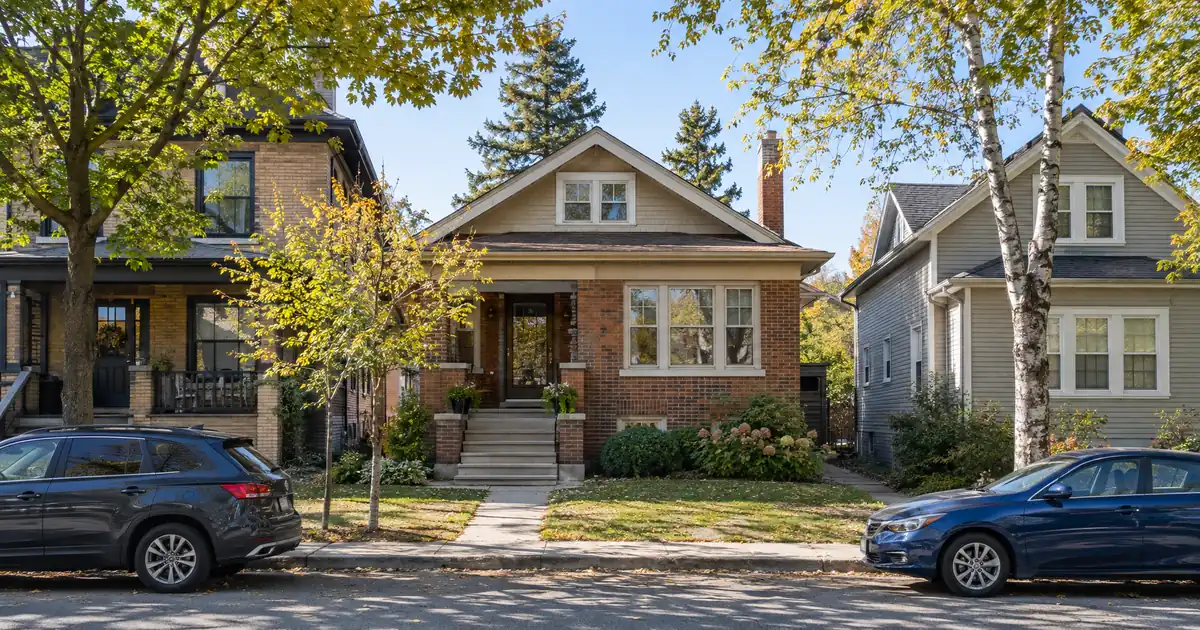
The surest way to wreck a cash-out refinance is to size it off the wrong comps. In Beloit, that mistake is easy to make, because city-wide price figures swing from the mid-$150Ks to more than $300K depending on the source and the neighborhood. A DSCR cash out refinance in Beloit, Wisconsin works best when the proceeds are sized from recent sold comps in the same submarket, not from a city median. The best place to start is the older west side, where entry prices are lowest and equity is already showing.
DSCR Cash-Out Calculator
Run the cash-out numbers in Beloit, WI
Rate source: Freddie Mac 30-yr average via FRED® — Federal Reserve Bank of St. Louis · effective Sep 24, 2026
Prefilled with starting assumptions — enter your property’s value, balance, taxes, and insurance for a more accurate picture.
Program parameters update from Lendmire’s centralized guideline source. Taxes and insurance are editable estimates.
As of Sep 24, 2026 · General Freddie Mac market benchmark, not a Lendmire loan offer. Property value, balance, taxes, and insurance are editable estimates. Maximum loan-to-value varies by lender, program, property type, and seasoning. Not a Loan Estimate, approval, or commitment to lend. Program availability and eligibility are subject to lender guidelines, credit approval, property review, and underwriting.
Key Takeaways:
A DSCR cash-out refinance on a Beloit, Wisconsin rental is underwritten primarily on the property’s rental income measured against its full monthly obligation, with leverage capped at 75 percent of appraised value and about six months of ownership typically required before equity can be tapped, all subject to lender guidelines, credit review, and appraisal.
- Near Westside–Hackett shows a $150,000 twelve-month median, up 25 percent. Merrill sits at a $158,000 median, roughly flat year over year.
- Beloit Northeast’s modeled $305,964 price against $1,459 rent strains coverage at full leverage.
- Duplexes and triplexes carry coverage that single houses at the same price struggle to match.
Beloit Market Snapshot
A quick read on the Beloit investor landscape — figures come from the cited sources below. Confirm current property-level numbers before underwriting.
| Metric | Detail |
|---|---|
| Typical rents | $1,263 average (Apartments.com Beloit) |
| Employment | 1,500 jobs (MyStateline Ho-Chunk) |
Start on the West Side, Where Equity Is Already Showing
The Near Westside–Hackett neighborhood and Merrill are the most cash-flow-friendly submarkets in Beloit, and they are where most cash-out candidates will sit. Both price near $150K–$160K, which keeps the rent-to-price ratio highest in the city.
Homes.com puts the Near Westside–Hackett twelve-month median sale price at $150,000, up 25 percent from the prior twelve months, with homes selling after about 35 days on market. It’s a small-sample figure, so read it as directional. The housing is a mix of Farmhouse, Victorian, Cape Cod, and Craftsman styles, some needing light renovation. Tenant pull comes from downtown proximity, refurbished buildings, and the riverside minor league stadium.
Houzeo shows Merrill at a $158,000 median, up just 0.14 percent year over year. Older housing, lower prices, and a fit for workforce single-family and small multi-unit. That last part is an inference from the price level, not a sourced statement.
Here’s the appreciation-versus-cash-flow tension in one paragraph. Near Westside–Hackett has momentum, which helps an owner whose basis is well below today’s value. Merrill is flat, so its cash-out case rests on rent coverage and on whatever the owner originally paid. Neither submarket has a sourced neighborhood rent figure, so coverage has to be modeled from city-wide rents.
What Does the Coverage Math Look Like at 75 Percent?
At the 75 percent cash-out ceiling, a single-family rental near $158K lands right around the 1.00 baseline once taxes and insurance are included. A small multifamily building clears it with room to spare. The inputs below are modeled assumptions, not sourced market facts.
Rent figures differ by source. Zumper reports a median of $1,112 (down 13 percent over twelve months), while Zillow Rental Manager shows an average of $1,155, with a range of $700 to $2,350 and rents up $150 on the year. Treat rent as a range. Underwrite toward the low end.
Run the numbers on a Merrill-type house valued near $158,000, assuming $1,100 in monthly rent. Coverage is monthly rent divided by the full monthly obligation: principal, interest, taxes, and insurance. At 75 percent leverage, that comes to roughly 1.00 to 1.05 including taxes and insurance. Workable, but no cushion. The number is thin enough that a weak appraisal or an insurance bump can tip the file below 1.00.
Now picture a duplex valued near $200,000 with two units at an assumed $1,100 each. Same 75 percent leverage, and coverage models comfortably above 1.30 including taxes and insurance. Income stacking does the work. Most standard DSCR programs are built around a 1.00 benchmark. Some lenders will review lower ratios, but usually with stronger compensating factors, lower leverage, or more cash in.
| Submarket | Price signal | Modeled cash-out read |
|---|---|---|
| Near Westside–Hackett | $150,000 median | Near 1.00 single-family |
| Merrill | $158,000 median | Near 1.00 single-family |
| Duplex, sub-$200K | Assumed basis | Above 1.30 |
| Beloit Northeast | $305,964 modeled | Below 1.00 |
The Northeast Side Looks Great Until You Run It
Beloit Northeast has the newest stock and the most suburban feel, near the I-90 and Gateway corridor, but its coverage is the weakest in the city at full leverage. NeighborhoodScout models a median price of $305,964 and an average rent of $1,459, in an area where most residential property is owner-occupied. Those are modeled numbers, so don’t underwrite them without real comps.
The gross rent-to-price ratio is about 0.48 percent per month, versus roughly 0.65–0.75 percent in Merrill on the assumed $1,030–$1,155 rents. At 75 percent leverage including taxes and insurance, Northeast models below 1.00.
Sub-1.00 doesn’t end the conversation. A lender may consider a sub-1.00 program, an interest-only structure, or lower leverage with added reserves. Any of those is subject to lender guidelines, credit approval, and property review. Honestly, though, the stronger play for most owners is using this area’s equity as a source of down payment for older-core deals, not as a cash-out target at maximum leverage.
Why Tenants Keep Showing Up
Beloit’s rental demand rests on a large in-commuter pool and a pipeline of new employment, not on a campus. A housing study cited by Greater Beloit Economic Development found 14,445 people who work in the Beloit area live elsewhere, against only 6,206 who both live and work there. That is a big pool of workers who could rent locally.
The same organization’s housing update says the area needs about 250 new units a year, and cites median rent rising from $825 to $985 over a few years, about 19 percent. That is a city-side view, so pair it with actual comps.
The employer base is broad. Per the Rock County major employers list, which is undated, Beloit Health System employs 1,250, Frito-Lay 850, and Beloit School District 844. An online fulfillment operation that matches the Gateway facility also lists 1,250. Beloit Health System anchors healthcare around Beloit Memorial Hospital and a Level III trauma center.
Then there’s the Ho-Chunk resort. Beloit Daily News calls it the largest single building project in city history, and MyStateline reports it is expected to bring 1,500 jobs, with $13 million in federal funding for surrounding infrastructure. Hiring at that scale adds demand at the margin. It is a catalyst, not a guarantee.
One soft spot on the tenant side: Beloit College enrolls about 997 undergraduates, and US News reports 86 percent live in college housing and only 8 percent off campus. Student demand around the Near East Side is limited. Underwrite to faculty, staff, and workforce tenants instead.
Duplexes Are the Quiet Fix
Small multifamily is where the coverage math is strongest, but the inventory is thin. NeighborhoodScout puts the housing mix at 73.15 percent single-family detached and 9.54 percent duplexes and small buildings, so a duplex or triplex is a scarce asset. RentCafe shows 41 percent of residents renting, with rentals split 45 percent single-family, 45 percent small complexes, and 10 percent buildings over 50 units. A workforce rental competes with the typical local product, and rent comps will mostly come from small landlords.
The catch is the same scarcity. Few sales means few appraisal comps. For a duplex with separately metered utilities, the owner doesn’t carry tenant utilities, which helps underwriting, but the appraiser still needs close sold comps. An owner holding a small multi-unit with documented leases is in a better position than one relying on a lone appraisal.
Where Appraisal Risk Hides
Beloit’s price sources disagree, and that disagreement is the main cash-out risk. This article uses Redfin for the city-wide median: $203K, down 4.5 percent year over year, with 42 days on market. Zillow’s index for ZIP 53512 shows a higher $211,287, up 7.7 percent, reflecting a different methodology and geography. Listing-price medians run much higher and skew toward premium inventory, so they don’t belong in a sold-comp discussion.
Older, lower-priced properties can appraise well below any of those numbers. Size proceeds from close, recent sold comps in the same submarket. Proceeds also depend on rent used for lender review, the full monthly obligation, reserves, and the 75 percent cap, so they are never a guaranteed figure.
Working DSCR brokers see a recurring pattern in small Rust Belt markets like this one: the equity looks large on a city-wide median, then shrinks once the appraiser pulls neighborhood comps. Files that pair the appraisal with a lease history and a conservative rent figure tend to hold together better in lender review.
On the program side, typical guidance includes about six months of ownership measured from title recording, credit tiers from 620 up with a 620 floor, and reserves around six months of the full monthly obligation, all subject to lender guidelines. The standard-program loan amount guide runs up to $3,000,000, but many Beloit balances are small, and smaller balances route through select lenders in the network. Entity-owned properties may be eligible, subject to lender program eligibility. For background, see Lendmire’s primer on DSCR loans and the program-to-program comparison against conventional financing.
One localized risk: the city awarded $3 million toward a 94-unit Gateway multifamily project, with 84 units at lower rents, but the tax-credit funding wasn’t awarded, so it may not be built as planned (GBEDC). If it is, it would compete mostly with Class B and C units near Gateway, not the older core. Modest against a 250-unit annual need. Investors should still verify current local rental rules, taxes, and insurance with qualified local professionals.
Where the Proceeds Go
The logic of a cash-out here is recycling. Pull equity from a west-side property that has appreciated, then buy the next older-core duplex. Lendmire’s DSCR cash-out refinance page covers the mechanics, and a separate overview of investor refinance options compares the paths. For a statewide view, see DSCR loans in Wisconsin. To talk through a specific file, connect with Lendmire or call 828-256-2183.
Frequently Asked Questions
Which Beloit neighborhoods give the best coverage on a cash-out?
The older west side. Near Westside–Hackett and Merrill price around $150K–$160K, so modeled coverage lands near 1.00 on a single-family and higher on a duplex. Beloit Northeast prices far higher against its rent and models below 1.00 at full leverage.
DSCR vs. conventional financing
Two common ways to finance an investment property in Beloit, WI. They qualify you differently — here’s how investors weigh them.
Why investors choose it
- Qualifies on the property’s rental income — no personal tax returns, W-2s, or pay stubs needed to document income.
- No personal debt-to-income ceiling to clear, so existing mortgages and obligations don’t cap your borrowing the same way.
- Can be closed in an LLC, keeping the property inside a business entity.
- Built for scaling — not held to the limit on number of financed properties that conventional financing applies.
- Underwriting centers on the deal: generally qualifies when the rent covers the payment, a 1.00x coverage ratio being a common baseline (confirmed in underwriting).
- Designed specifically for investment property, including long-term and, where the program allows, short-term rentals.
Where it’s strong
- Often the lowest ongoing financing cost for a buyer who fully qualifies on personal income — a fit for a first property or a cost-first purchase.
Trade-offs for investors
- Requires full personal income documentation and must fit within a debt-to-income limit — salary, existing debts, and other mortgages all count.
- Typically held in your personal name rather than a business entity.
- Caps how many financed properties you can carry, which can become a ceiling as a portfolio grows.
- Evaluates you as a borrower as much as the property, which usually means more paperwork.
How investors usually choose: a first or single property often optimizes for the lowest financing cost; portfolio builders often optimize for leverage, vesting in an LLC, and scaling past conventional caps. The right answer depends on your goals, the property, and current guidelines — both paths run through select lenders in Lendmire’s wholesale network, with eligibility and terms confirmed in underwriting.
How long do I have to own a Beloit rental before cashing out?
Typically about six months, measured from title recording. Some buyers who purchased below market value and renovated lean on that window. Lender guidelines, appraisal results, and the 75 percent LTV cap still decide what equity is available.
Which rent number should I use for a Beloit property?
Use a range, and lean low. Zumper shows $1,112 and Zillow shows $1,155 citywide, while Apartments.com and Rent.com figures differ. Actual leases and close comps carry more weight with a lender than any aggregator average.
Does the Ho-Chunk casino help a cash-out appraisal?
Not directly. It adds jobs, about 1,500 expected, and infrastructure spending, which supports long-term tenant demand. But appraisers price off sold comps in the immediate neighborhood, and the west-side figures don’t yet show a casino effect beyond what sources report.
Can a small Beloit balance still get a DSCR cash-out?
Often yes. Smaller balances typically route through select lenders in the network rather than standard programs, subject to lender guidelines and credit review.
Beloit Versus Rockford
Rockford’s Hard Rock casino sits roughly 19 miles south of Beloit’s Ho-Chunk site, and both cities draw on the same two-state labor pool. Still, Beloit’s $150K–$160K west-side entry prices are what make the coverage math work for owners pulling equity out now. On the numbers available, the edge goes to Beloit, specifically the older core and small multifamily, not the pricier northeast side.
For current guidelines and terms, see Lendmire’s DSCR loan programs page.
About Lendmire
A non-QM mortgage broker (NMLS# 2371349), Lendmire arranges DSCR financing for real estate investors across 41 markets: 40 states plus Washington, D.C. Because loans are underwritten primarily on property cash flow rather than personal income documentation, the structure suits self-employed buyers and entity-owned portfolios. Lendmire places loans through wholesale investor lenders and is not a direct lender. It has been recognized as a 2026 Scotsman Guide Top Mortgage Workplace and a 2025 Scotsman Guide Top Mortgage Workplace.
Get Started
Ready to find the right loan for you?
In about 30 seconds you can review financing options available for your investment property. No commitment required.
Informational only. Not a Loan Estimate, approval, or commitment to lend. Program availability and eligibility are subject to lender guidelines, credit approval, property review, and underwriting.
References
1. Homes.com, Near Westside–Hackett
4. MyStateline
5. Zumper, Beloit rent research
6. Zillow Rental Manager, Beloit
7. NeighborhoodScout, Beloit Northeast
8. Greater Beloit Economic Development, housing
9. greaterbeloitworks.com — City Programs Helped Boost Home Construction in 2024
10. Rock County Major Employers List
12. Beloit Daily News, Ho-Chunk construction
13. NeighborhoodScout, Beloit real estate
14. RentCafe
15. Redfin, Beloit housing market
16. a 2026 Scotsman Guide Top Mortgage Workplace
17. a 2025 Scotsman Guide Top Mortgage Workplace
This article is part of Lendmire’s investment property cash-out refinance program — full qualification details, guidelines, and scenarios live on the program page.
Related reading: Cash Out Refinance Investment Property Beloit Wisconsin · DSCR Cash Out Refinance in West Bend, Wisconsin: Can Your West Bend Rent Cover a Cash-Out Loan? · Cash Out Refinance Investment Property in West Bend, Wisconsin: How Much Equity Can My Rent Unlock?
Guides: Investment Property Cash-Out Refinance in Beloit, WI · Investment Property Cash-Out Refinance in Wisconsin
Brandon Miller
Founder & CEO, Mortgage Loan Originator, Lendmire LLC
- Mortgage Loan Originator · NMLS# 1129696 · Verify on NMLS Consumer Access
- North Carolina Real Estate Broker · License# 343312 · Verify on NCREC
- North Carolina Insurance Producer · License# 19053198 · Property, Casualty, Life, Health · Verify on NAIC SBS
- Lendmire LLC · Firm NMLS# 2371349 · Verify firm licensure
Legal disclosures. Lendmire (NMLS# 2371349) is a state-licensed mortgage brokerage that arranges financing through wholesale lender relationships. Lendmire is not a direct lender, depository institution, or registered financial advisor. The discussion above is general informational content about real estate financing — it is not financial, legal, or tax advice, and readers should consult licensed professionals for guidance on their individual circumstances. Loan inquiries are subject to lender underwriting; this article does not represent a commitment to lend. Loan terms, rates, and qualification standards vary by borrower, property, and state, and are subject to change at any time. Equal Housing Opportunity. NMLS Consumer Access: nmlsconsumeraccess.org.