
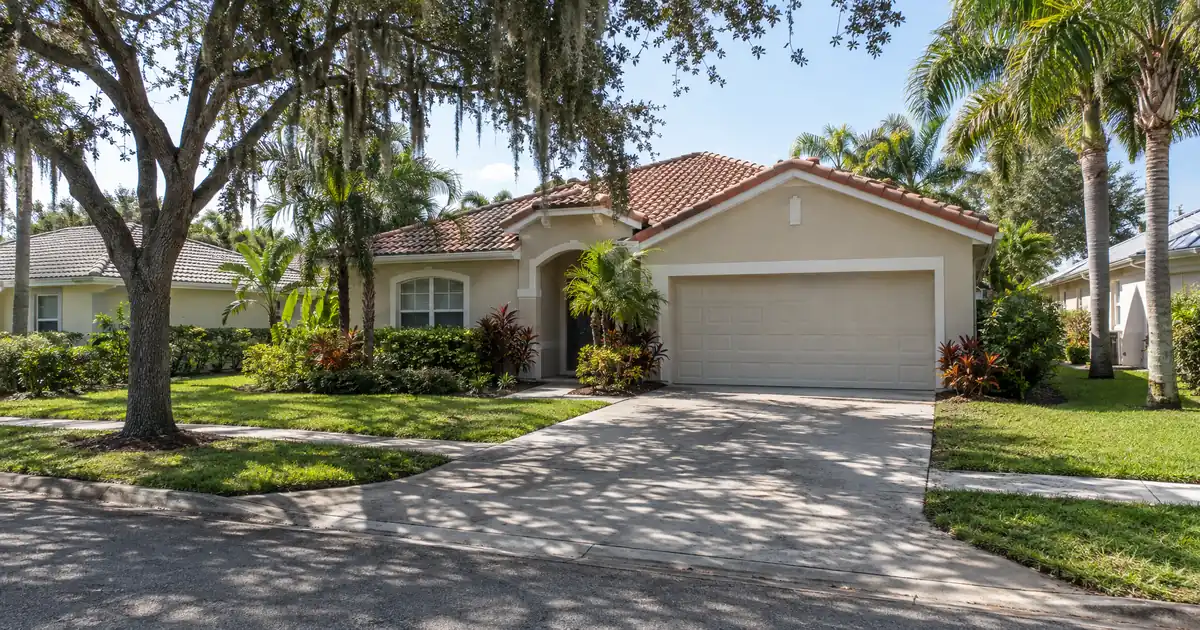
A Davie owner running a DSCR cash-out refinance has to clear the coverage test at a 75% loan-to-value ceiling with taxes and insurance loaded in, and that is where many single-family files get tight. Redfin puts the median sale price in Davie near $520K, while Zumper shows a median rent of $2,515 across all property types. Run those two numbers against full monthly obligations and the ratio lands under 1.00. That is not a reason to skip the refinance. It tells you which properties in this town can carry the loan and which ones need a different structure.
DSCR Cash-Out Calculator
Run the cash-out numbers in Davie, FL
Rate source: Freddie Mac 30-yr average via FRED® — Federal Reserve Bank of St. Louis · effective Sep 24, 2026
Prefilled with starting assumptions — enter your property’s value, balance, taxes, and insurance for a more accurate picture.
Program parameters update from Lendmire’s centralized guideline source. Taxes and insurance are editable estimates.
As of Sep 24, 2026 · General Freddie Mac market benchmark, not a Lendmire loan offer. Property value, balance, taxes, and insurance are editable estimates. Maximum loan-to-value varies by lender, program, property type, and seasoning. Not a Loan Estimate, approval, or commitment to lend. Program availability and eligibility are subject to lender guidelines, credit approval, property review, and underwriting.
The Quick Read:
A DSCR cash-out refinance on an investment property in Davie, Florida is underwritten primarily on the rental income the property produces measured against its full monthly obligation, with the borrower’s existing equity, the seasoning period, and a capped loan-to-value ratio setting how much can be pulled out.
- Typical cash-out files cap at 75% LTV, with about 6 months of ownership from title recording.
- Single-family homes near the citywide median tend to model below 1.00 with taxes and insurance included.
- Small multifamily near NSU and University Drive carries the strongest coverage cushion in town.
- Davie’s housing vacancy of 6.5% sits well under the Florida average of 15.2%.
- Equity available depends on rent, reserves, and the LTV ceiling, not on appreciation alone.
Davie Market Snapshot
A quick read on the Davie investor landscape — figures come from the cited sources below. Confirm current property-level numbers before underwriting.
| Metric | Detail |
|---|---|
| Home prices | $520K median (Redfin) |
| Typical rents | $2,515 median (Zumper) |
| University enrollment | 20,877 students total (Nova Southeastern University) |
| Population | 112,040 population (Census Reporter (ACS 2024 1-yr)) |
| Employment | 15,000+ HCA East Florida employees (NSU Newsroom) |
| Vacancy | 6.9% fl May 2025 (Hampton REA Florida Rental) |
The Coverage Math at Davie’s Median
Single-family rentals priced near Davie’s median generally model under 1.00 once taxes and insurance are counted, and that changes how the refinance should be built. The coverage ratio divides monthly rent by the full monthly obligation (principal, interest, taxes, insurance, and any HOA dues). Here is how DSCR coverage is calculated if you want the mechanics.
Run the numbers on a modeled case. Assume a $510,140 home (Zillow’s typical home value for Davie, which sits a bit below Redfin’s sale-price median because the two use different methods), rented at the $2,515 citywide median, refinanced at 75% LTV. Using a 30-year amortization at an assumed high-6s rate, plus Florida-average tax and insurance loads, coverage comes out around 0.75 including taxes and insurance. Those inputs are modeled assumptions, not quotes. Terms vary by lender guidelines, property type, leverage, credit profile, and full file review.
Now the same exercise in ZIP 33314, where one local scorecard shows a typical home value of about $397,846 and a gross rent yield near 7.23%. At that yield, the modeled ratio improves to the low 0.9s, still short of 1.00 but close. Rent-to-value in the western and southern parts of town matters more than the headline median.
Below 1.00 is not a dead end, but it isn’t a green light either. A lender may review a sub-1.00 program, an interest-only structure, or a lower LTV that trims the obligation. Each comes with tradeoffs: less cash out, stronger credit and reserves, or different pricing. Qualification stays subject to lender guidelines, credit approval, and property review.
Consider the flip point. If the borrower is a W-2 earner with a strong personal file and one or two rentals, conventional financing may fit better, because personal income rather than property income carries the test. If the borrower holds properties in an LLC, is self-employed, or is stacking past four financed properties, DSCR becomes the more practical route, subject to lender program eligibility.
Where the Number Clears: Small Multifamily Near the Corridor
Duplexes through fourplexes near NSU and South University Drive produce the widest coverage cushion in Davie, and they are scarce enough that owners who hold one have something unusual. Multi-family listings in the city have been priced between $279,900 and $689,000, with only a handful active at a time. Neighborhood data shows single-family detached homes at about 40.6% of housing units and large apartment complexes at 28.8%, so true 2-4 unit stock is a thin slice.
One value-add fourplex listing near NSU and Broward College illustrates the pattern. Three occupied units were renting at $800, $1,100, and $1,175, with the fourth vacant, and the listing pegged market-rate potential at $75,000 in gross annual income against a materially lower in-place figure. That gap is the cash-out thesis in one property. Buy on in-place income, bring rents toward market, and a refinance appraisal reflects the stabilized property rather than the purchase price.
Model it conservatively. Assume an illustrative $400,000 appraised value at 75% LTV and stabilized rents matching that $75,000 gross. Coverage runs well above 2x including taxes and insurance. Haircut rents by 30% and the ratio still holds comfortably above 1.5x. The assumption that deserves the most scrutiny is the appraised value itself, since multifamily appraisals lean on income and comparable sales, and comps are thin here. Treat those inputs as modeled, not promised. Exact terms depend on the lender’s guidelines, property type, leverage, and a full review of the borrower’s file.
The honest limitation: there are few of these, and pulling equity out of one only helps if you can find the next one to buy. A refinance that funds another single-family purchase at median pricing may put you back in sub-1.00 territory.
Seasoning, Appraisals, and the Soft-Index Problem
Expect to wait about six months from title recording before a cash-out refinance, and expect the appraisal to be the most variable input in the file. Davie’s price data doesn’t tell one story. Redfin’s median sale price is up 2.0% with price per square foot at $328, up 6.1%, while Zillow’s index has shown softness over the same stretch. That looks like a split market, where the size and condition tier that actually closes is holding up better than the broad index.
For underwriting, lean toward the flat-to-soft read. Long-run appreciation is strong, about 127% over ten years, or 8.56% a year, which gives appraisers deep comp history. But homes are sitting 77 to 109 days on market depending on the source. Slower absorption means a refinance appraisal may reflect list-to-sale friction rather than the best recent comp. Owners near the seasoning threshold sometimes do better waiting an extra stretch so trailing sales support the value.
The equity math is simple to state and easy to misjudge. Value multiplied by the 75% ceiling, minus the existing payoff, gives the ceiling on proceeds, but rent used for lender review, reserves, and the coverage ratio can bind first. The equity-extraction mechanics cover the sequence in detail, including how it differs from a rate-and-term refi.
Why Davie Tenants Stay Put
Davie’s rental demand rests on a healthcare and education base that doesn’t swing with the tourism cycle. Nova Southeastern University enrolled about 20,877 students in the most recent fall count per its fact book, a flat-to-slightly-up trend rather than a boom, and NSU’s roughly 4,000 faculty and staff make it the largest private employer in Broward County. HCA Florida University Hospital sits adjacent to campus, and the two are planned as a linked academic and medical hub.
Among Davie residents, Data USA counts 6,796 workers in health care and social assistance, 6,779 in retail, and 4,915 in educational services. The town has 112,040 residents per Census Reporter and is the largest town in Florida by population. Housing vacancy is 6.5%, while statewide multifamily vacancy rose to 6.9% and Miami-area vacancy climbed to 7.8% amid new apartment supply. Davie’s existing single-family and small multi-unit stock competes against less new construction than metro Miami does.
Stable enrollment matters for a five-to-seven year hold. Underwriting to a growing university is one thing. Underwriting to a steady one is more defensible.
Which Davie Pockets Suit a Cash-Out
Not every Davie neighborhood is a DSCR candidate, and the research doesn’t support per-neighborhood rent or price tables, so this is a qualitative read.
University and medical corridor. Graduate students, residents, and hospital shift workers drive demand. A luxury 2-bedroom near the South Florida Education Center averages about $2,650 a month, so a stabilized unit here can carry more debt than the same money spent elsewhere. This is where small multifamily earns its keep.
Orange Brook, Twin Lakes, University Estates, and Country Hills. These are the single-family rental core, with steady demand from the healthcare, education, and Broward commuter workforce. Coverage at current pricing runs near the 33314 read above, close to 1.00 but not reliably over it. Owners who bought earlier and have built equity are the natural cash-out candidates.
Shenandoah and Pine Island Ridge. Shenandoah mixes single-family and townhouses near major highways and shopping. Pine Island Ridge adds condos and golf-course or lake settings. Townhouse and condo files add an HOA line to the obligation, so run that number before assuming coverage.
Forest Ridge, Playland Village, and Arrowhead. Forest Ridge holds value well and tends to carry higher price points, which can stretch rent-to-value. Playland Village and Arrowhead Golf and Tennis Club offer the most affordable entry among the neighborhoods listed, with older homes and newer developments. Coverage tends to look better on lower basis, though older housing stock carries its own maintenance risk.
Long Lake Ranches and Stonebrook Estates. Skip them for DSCR. Equestrian and estate properties fit owner-occupants or high-end leases, and rents rarely cover obligations at those values. Also note that manufactured homes, log homes, and barndominiums fall outside these DSCR programs entirely.
Which is better for equity extraction, the corridor or the workforce single-family belt? It’s a genuine toss-up. The corridor has the stronger coverage, but the workforce belt has the deeper pool of properties and comps. Investors who already own in the belt probably shouldn’t rush to rotate.
What Happens to the Proceeds?
The cash-out thesis depends on what the money does next. Pulling equity to buy another rental where coverage clears 1.00 is straightforward. Pulling it to fund a property in a market where the ratio sits at 0.75 is a different decision, and one worth stress-testing before committing.
On program terms, DSCR cash-outs typically run to a 75% LTV ceiling, and the standard 1.00 coverage benchmark exists because rent covers the obligation at that level. Some lenders review lower scenarios, but usually with more reserves, lower leverage, or different pricing. Credit floors typically start near 620, with better tiers at 660, 680, and 700, and reserves generally run about six months of PITIA (higher on balances above $1.5 million). Loan sizes go up to $3 million on standard programs. Exact eligibility depends on lender guidelines, credit profile, property review, and state overlays. Confirm current program details before relying on any figure here.
Reserves matter more than most owners expect. Proceeds that get spent on the next down payment don’t count toward reserves in a way that helps the new file, so plan the sequence: refinance, hold reserves, then buy.
Here is a pattern the deal desk at Lendmire tends to see in markets structurally like this one. The cleaner files usually arrive with a current lease, a fresh insurance quote already in hand, and a clear plan for the proceeds. The common friction point is a rent assumption built on citywide medians when the actual unit rents below them, which sends the coverage ratio lower than the borrower expected. Getting the real lease numbers in front of the lender early tends to prevent surprises.
When would you skip a DSCR cash-out entirely? If the property models near 0.75 and there’s no path to raise rent or lower leverage, a conventional cash-out or a home equity line on a primary residence may cost less, provided the borrower’s personal file supports it. DSCR is the better lane when the file is entity-owned, personal income is hard to document, or the portfolio has outgrown conventional limits.
Where Most Owners Misjudge Davie
The common mistake is anchoring to the citywide median rent. Zumper’s $2,515 is a listings-based figure across all property types, while U.S. News cites a much lower $1,932 median rent on a different basis. Don’t average them. Use the actual lease on the actual unit.
A second mistake is treating Davie like coastal Broward. The town’s identity is closer to a western-themed, park-rich place with 165 miles of trail, the Miami Dolphins practicing daily at NSU, and an education-and-healthcare economy. Demand follows the campus and hospital corridor, not beachfront tourism. Investors who model it like a resort market end up misreading tenant behavior.
Third, owners sometimes assume appreciation alone justifies a cash-out. It helps the LTV side, but the coverage ratio decides how much of that equity is actually accessible. Verify current local rental rules, taxes, and insurance with qualified local professionals before underwriting; those inputs vary by property and change over time.
DSCR vs. conventional financing
Two common ways to finance an investment property in Davie, FL. They qualify you differently — here’s how investors weigh them.
Why investors choose it
- Qualifies on the property’s rental income — no personal tax returns, W-2s, or pay stubs needed to document income.
- No personal debt-to-income ceiling to clear, so existing mortgages and obligations don’t cap your borrowing the same way.
- Can be closed in an LLC, keeping the property inside a business entity.
- Built for scaling — not held to the limit on number of financed properties that conventional financing applies.
- Underwriting centers on the deal: generally qualifies when the rent covers the payment, a 1.00x coverage ratio being a common baseline (confirmed in underwriting).
- Designed specifically for investment property, including long-term and, where the program allows, short-term rentals.
Where it’s strong
- Often the lowest ongoing financing cost for a buyer who fully qualifies on personal income — a fit for a first property or a cost-first purchase.
Trade-offs for investors
- Requires full personal income documentation and must fit within a debt-to-income limit — salary, existing debts, and other mortgages all count.
- Typically held in your personal name rather than a business entity.
- Caps how many financed properties you can carry, which can become a ceiling as a portfolio grows.
- Evaluates you as a borrower as much as the property, which usually means more paperwork.
How investors usually choose: a first or single property often optimizes for the lowest financing cost; portfolio builders often optimize for leverage, vesting in an LLC, and scaling past conventional caps. The right answer depends on your goals, the property, and current guidelines — both paths run through select lenders in Lendmire’s wholesale network, with eligibility and terms confirmed in underwriting.
Ready to run a specific property? Investors can get a DSCR quote or call 828-256-2183 to walk through the scenario. For the broader statewide picture, see Florida DSCR financing.
Frequently Asked Questions
Can a single-family rental in Davie qualify for a DSCR cash-out at typical rents?
It depends on the property, and many near the citywide median model below 1.00 once taxes and insurance are counted. Homes in lower-basis pockets like Playland Village or ZIP 33314 sit closer to the line. Options a lender may review include a sub-1.00 program, interest-only structuring, or reduced leverage, all subject to guidelines and credit approval.
How long do I need to own a Davie property before pulling equity?
About six months from title recording is the typical seasoning window for cash-out on most programs. Given Davie’s 77-109 day sale times, owners near that threshold sometimes wait longer so trailing comps support the appraisal. Exact requirements vary by lender.
Is a fourplex near NSU a better cash-out candidate than a single-family home?
Usually, on coverage alone. Combined unit rents can clear 1.00 with a cushion, and the scarcity of true 2-4 unit stock supports value. The catch is thin comps, which can make appraisals less predictable. It also depends on what you do with the proceeds, since the next single-family purchase may not carry itself.
Does the 75% LTV cap apply to LLC-owned Davie rentals?
The same ceiling applies to cash-out refinances on entity-owned investment property, subject to lender program eligibility. Coverage, reserves, and credit are still reviewed. Reserves of about six months of PITIA are typical, with higher requirements on balances above $1.5 million. Every figure here varies by lender and program — guidelines, property type, leverage, and credit profile all apply.
Should I refinance if Davie prices have softened on some indexes?
Underwrite to the softer read. Zillow’s index and Redfin’s sale prices don’t agree, so a conservative appraisal assumption protects you. If the numbers only work at the optimistic value, the refinance is probably too tight.
Where the Asymmetry Sits
Davie’s most underpriced asset relative to its demand is the small multifamily building near the NSU and University Drive corridor. Stock is scarce, rents in the medical-education zone support higher coverage than single-family at $500K+ pricing, and enrollment holds steady near 20,900. Workforce single-family in Orange Brook and Twin Lakes offers the larger pool, but the ratio is tighter. An owner holding a below-market fourplex here has the most room to reposition rents, refinance on the stabilized number, and redeploy equity.
For current guidelines and terms, see Lendmire’s DSCR loan programs page.
About Lendmire
Lendmire, NMLS# 2371349, is a mortgage brokerage focused on investor financing, arranging DSCR loans in 40 states plus Washington, D.C. — 41 markets total. Qualification is based on the property’s income rather than personal income documentation, subject to lender guidelines, making it a fit for LLC-held rentals and scaling portfolios. Lendmire has been named a 2026 Scotsman Guide Top Mortgage Workplace and a 2025 Scotsman Guide Top Mortgage Workplace.
Get Started
Ready to find the right loan for you?
In about 30 seconds you can review financing options available for your investment property. No commitment required.
Informational only. Not a Loan Estimate, approval, or commitment to lend. Program availability and eligibility are subject to lender guidelines, credit approval, property review, and underwriting.
References
1. Redfin, Davie housing market
2. Zumper, Davie rent research
4. Nova Southeastern University
5. Census Reporter (ACS 2024 1-yr)
6. NSU Newsroom
7. hamptonrea.com — Guides Florida Rental Market Report 2025 Insights
8. Zillow — Home Values Davie FL
9. movewithmomentum.com — Data Housing Scorecard
10. Homes.com — Davie FL Multi Family Homes for Sale
11. NeighborhoodScout — Davie Real Estate
12. Redfin — Davie Multi Family Homes for Sale
13. livingindavieflorida.com — Davie Florida Home Values
14. Nova Southeastern University Fact Book
15. HCA Florida University Hospital
17. Census Reporter, Davie profile
18. Wikipedia — Davie, Florida
19. Greater Fort Lauderdale Alliance, Davie
20. a 2026 Scotsman Guide Top Mortgage Workplace
21. a 2025 Scotsman Guide Top Mortgage Workplace
This article is part of Lendmire’s investment property cash-out refinance program — full qualification details, guidelines, and scenarios live on the program page.
Related reading: Cash Out Refinance Investment Property in Davie FL · DSCR Cash Out Refinance in Opa Locka, Florida: Will Your Rent Cover the New Loan Payment? · Cash Out Refinance Investment Property in Westchester, Florida: The 2026 DSCR Guide to Bird Road
Guides: Investment Property Cash-Out Refinance in Davie, FL · Investment Property Cash-Out Refinance in Florida
Brandon Miller
Founder & CEO, Mortgage Loan Originator, Lendmire LLC
- Mortgage Loan Originator · NMLS# 1129696 · Verify on NMLS Consumer Access
- North Carolina Real Estate Broker · License# 343312 · Verify on NCREC
- North Carolina Insurance Producer · License# 19053198 · Property, Casualty, Life, Health · Verify on NAIC SBS
- Lendmire LLC · Firm NMLS# 2371349 · Verify firm licensure
Compliance and disclosures. Lendmire (NMLS# 2371349) is a licensed mortgage broker and is not a direct lender, depository institution, financial advisor, or tax professional. Content in this article is general market analysis and educational information — not financial, legal, or tax advice for any specific situation. Lendmire does not guarantee loan approval; every transaction is subject to underwriting by the funding lender. Mortgage pricing and loan program guidelines are subject to change at any time without notice and vary by borrower characteristics, property type, and state regulations. Lendmire complies with Equal Housing Opportunity. Licensure verification: NMLS Consumer Access.