
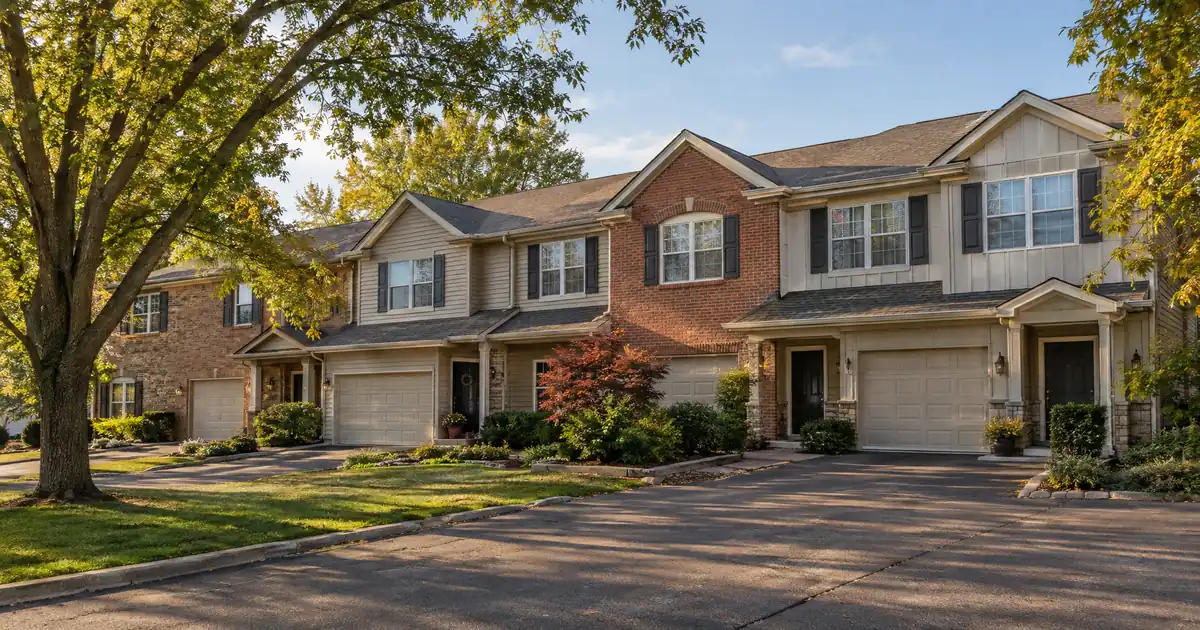
Most investors sizing up a Carol Stream cash-out start with the wrong question. They ask how much equity they can pull. The better question is whether the rent covers the new balance once the loan is bigger. Zillow puts the average home value at $391,628, up 3.6 percent year over year. Value growth like that builds equity on paper. It does nothing for the coverage number, and the coverage number is where these files succeed or stall.
DSCR Cash-Out Calculator
Run the cash-out numbers in Carol Stream, IL
Rate source: Freddie Mac 30-yr average via FRED® — Federal Reserve Bank of St. Louis · effective Sep 24, 2026
Prefilled with starting assumptions — enter your property’s value, balance, taxes, and insurance for a more accurate picture.
Program parameters update from Lendmire’s centralized guideline source. Taxes and insurance are editable estimates.
As of Sep 24, 2026 · General Freddie Mac market benchmark, not a Lendmire loan offer. Property value, balance, taxes, and insurance are editable estimates. Maximum loan-to-value varies by lender, program, property type, and seasoning. Not a Loan Estimate, approval, or commitment to lend. Program availability and eligibility are subject to lender guidelines, credit approval, property review, and underwriting.
The Quick Read:
A DSCR cash-out refinance in Carol Stream, Illinois is underwritten primarily on the property’s rental income measured against its full monthly obligation, and here that test is the binding constraint, not equity, because home values sit near $391,628 while typical rents run well below what that price would need.
- Only 3.81 percent of local housing is duplexes and small buildings, so 2-4 unit collateral is scarce.
- Three-bedroom townhomes and condos carry the best rent-to-price fit.
- Cash-out tops out at 75 percent LTV with about six months of seasoning from title recording.
- Rent sources disagree on direction, so lease-in-place documentation carries the file.
- Carol Stream is a job-importing suburb, with a daytime population gain of 18.4 percent.
Carol Stream, Illinois is one of the 41 markets — 40 states plus Washington, D.C. — where Lendmire (NMLS# 2371349) places DSCR loans for investment-property borrowers. Lendmire is a DSCR-focused mortgage broker. It arranges these loans through wholesale lending channels, and lenders make the approval decisions. The rest of this piece covers how that plays out on a Carol Stream refinance: what the file needs, where the math tightens and where the paperwork gets stuck.
The Equity Is There. The Coverage Isn’t.
Equity is not the constraint on a Carol Stream refinance. Rent-to-value is. Blended average rent runs about $1,822 a month against a median sale price near $390,000, which a local broker reports in a market update (a broker claim, so treat it as directional). That works out to roughly 0.47 percent a month. It is thin for a DSCR file.
A caution on the price side. Sources disagree. Zillow’s value index sits near $391,628. Redfin’s median sale price reads lower at $310K, and it also shows a 1.9 percent year-over-year decline. That is a different method: sold prices in a period versus a modeled index of all homes. On a refinance the appraiser decides which reading applies to your subject, not a website. Underwrite to the conservative end until the appraisal lands.
Appreciation is the story here, not cash yield. Zillow’s 3.6 percent and the broker’s 4.5 percent twelve-month growth both support appraised value. Rents are not keeping pace. Apartment List shows $1,862 median rent, up 0.8 percent. RentCafe’s Yardi-based average shows a 2.09 percent decrease, though that covers buildings with 50-plus units only. Apartments.com shows a 7 percent increase. Three listing-based sources point three directions. Call it roughly flat to modestly higher and don’t build a projection on any single one.
For the reader who already owns here, that changes the plan. Equity gets you to the table. Coverage decides how much of it you can take out.
What Cash-Out Means at 75 Percent (and What It Doesn’t)
On a DSCR cash-out, the ceiling is 75 percent LTV, and that cap is firm. It is not the 80 percent purchase figure. Anything you read that pairs cash-out with 80 percent is describing a different product.
The parameters that shape a Carol Stream file, as typical guidance and subject to lender guidelines:
- LTV ceiling: 75 percent on cash-out. Appraised value sets the base.
- Seasoning: about six months of ownership, measured from title recording. The settlement statement documents it.
- Coverage benchmark: most standard programs are built around 1.00 (rent used for lender review against full PITIA). Some lenders review lower ratios, but that usually means lower leverage, different pricing or more cash behind the file.
- Credit: tiers run 620, 660, 680 and 700, with 620 as the floor.
- Reserves: about six months of PITIA, and about nine months above $1,500,000.
- Loan size: up to $3,000,000 on standard programs. Smaller balances route through select lenders in the network.
Equity available is a result, not an entitlement. It depends on rent used for lender review, PITIA, reserves and that 75 percent cap. The guide “What Is a DSCR Loan” covers the basic mechanics, and pulling equity with a DSCR cash-out walks through the equity side. Both are worth a read before you order an appraisal.
Ownership through an LLC is common, subject to lender program eligibility. Entity documents are their own line on the file, and the friction section below covers them.
Run the Numbers on Three Carol Stream Setups
The coverage figures below are modeled assumptions, not sourced market data. Each is computed as rent divided by full PITIA, meaning principal, interest, taxes and insurance, with Illinois-average tax and insurance loads. The bands are rounded down.
Setup one: the median single-family. Take a house at about $391,628 with a modeled rent equal to the blended $1,822 average. At 75 percent LTV including taxes and insurance, coverage lands around 0.65 to 0.70. That is well under 1.00. A cash-out at full leverage does not pencil.
Setup two: the workforce townhome. Redfin’s townhouse median listing price sits at $335K. Model a three-bedroom rent near Apartments.com’s $2,335-plus for three-bedroom units. Coverage lands right around 1.00 at 75 percent LTV, and it is more likely just under than just over once taxes and insurance are in. That is the range where small changes in lease rent or LTV move the file. ApartmentFinder’s $2,387 three-bedroom average points the same direction, though asking rents are not in-place rents.
Setup three: the low end of the subdivision range. Homes by Marco lists 57 subdivisions in Carol Stream with prices from $259,999 to $689,000. Model an entry-level three-bedroom condo or townhome near the bottom of that range with rent close to RentCafe’s $2,030 three-bedroom average. Coverage could reach the low 1.0s at 75 percent LTV. This is the setup where the numbers are easiest to clear, and the collateral has the most HOA paperwork attached.
Now the sub-1.00 case, since setup one lands there. A property below 1.00 on long-term rent is not automatically dead, but it is not an approval either. A lender may review a sub-1.00 program, an interest-only structure or a lower LTV that trades cash-out proceeds for coverage. Each of those carries different pricing, reserve expectations and documentation. Whether any of them fits comes down to lender guidelines, credit, reserves and the property review.
The bedroom-count effect is the useful lesson. Bedrooms lift rent faster than they lift price, so underwrite to three-bedroom comps rather than the citywide average. The blended figure drags every file down.
DSCR files in markets like this one typically look like this. The borrower has strong equity and a mid-teens-to-low-20s percent of rent shortfall against the payment. The file then turns into a leverage negotiation rather than a value negotiation. Strong files show up with a signed lease at or above market, a rent schedule that ties to the lease, and reserves documented before submission. The weaker ones assume asking rent and get repriced when the appraiser’s rent schedule comes in lower.
The Submarkets That Carry the Demand
Carol Stream’s demand base is industrial and commuter-driven, and it shows up in where collateral sits. A few corridors matter more than any single neighborhood label, and I’ll keep this qualitative because there is no sourced neighborhood-level rent or price data.
North Avenue and the I-355 interchange. This is the growth corridor. A commercial brokerage write-up describes older homes and vacant commercial buildings giving way to modern distribution facilities, with a four-way I-355 interchange linking Carol Stream to the Fox River Valley (the piece is dated, so read it as direction, not current status). The Village’s comprehensive plan also flags the North Avenue and County Farm Road area as a Key Opportunity Area. For a landlord, the relevance is tenant supply: warehouse and logistics jobs generate demand for workforce three-bedrooms within a short drive.
The Gary Avenue corridor. A commercial street with residential pockets nearby, per a local brokerage page, and access to shopping, healthcare and Pace bus routes. Renters who work retail or service jobs land here.
The Army Trail and Geneva Road belts. Retail and apartment clusters, with Great Western Trail access, per Apartment Finder. Tenants are car-dependent. Walk Score is 36, per Redfin. That is a reason to value off-street parking on the appraisal and lease.
Town Center and the named pockets. The Town Center area is the community hub and a redevelopment target. A brokerage source names Armstrong Park, Elk Trail and Lies Road as residential pockets, with single-family homes, townhomes and condos built mostly from the 1960s through the 1990s (treat that as qualitative). Housing that age is the collateral most Carol Stream refinances involve.
The employment side supports the tenant pool. Data USA shows manufacturing at 3,436 resident workers, health care and social assistance at 2,601 and retail at 2,219. City-Data reports a daytime population gain of 7,297, or 18.4 percent, so Carol Stream imports workers on net. Population itself is flat at about 39,556. Resident employment slipped 0.67 percent in the latest year of Data USA’s series. This is a stable base, not a growth story.
Health care demand leans on nearby systems. No hospital sits inside town. A commercial listing places the area minutes from the DuPage County complex and Central DuPage Hospital, about 28 miles west of Chicago.
Supply matters too. About 32 percent of households rent, roughly 4,564 households, a modest pool. Apartment buildings average about 52 years old, and none have been built since 2000. New competing rental supply is light. That favors well-maintained existing units, though the age of that stock also raises condition questions at appraisal.
The Small-Multifamily Scarcity Problem
NeighborhoodScout breaks the housing stock into 48.07 percent single-family detached, 30.68 percent large apartment complexes, 17.39 percent row houses and attached homes, and only 3.81 percent duplexes and small buildings. Redfin’s listings page showed zero multifamily units for sale in the last month.
For an owner, that scarcity has two effects. A duplex or fourplex you already hold is an unusual asset, and its coverage math is generally stronger than a single-family rental at the same price because multiple leases share one payment. It also means comps for small multifamily are thin, and thin comps are an appraisal risk. Expect the appraiser to reach for older sales or nearby markets. Line up your own rent and sales evidence before that happens.
Thinking out loud on the strategy: the stronger play for a Carol Stream owner may be to refinance a low-coverage single-family here and redeploy the proceeds into small multifamily elsewhere in the metro, where the product exists. Someone who prefers to stay local could argue for townhomes instead, since they still carry three-bedroom rents. Genuinely a toss-up, and it depends on how much management the owner wants.
Where Carol Stream Files Actually Stall
Nearly all the friction on these files is documentation, not credit. Here are the specific spots.
Rent evidence that disagrees with itself. With listing sources split between a 2 percent decline and a 7 percent increase, a lender will not average them. The lease in place and the appraiser’s rent schedule decide. If the lease sits below market, expect the file to be underwritten on the lower figure or a blend, depending on lender guidelines. If the unit is vacant or turning over, the market rent schedule carries the file.
HOA and condo paperwork. Townhomes and condos are the best-fit product here, and they are also the collateral with the most moving parts. The HOA questionnaire has to be complete. Condo certification and budget documents need to be current. A missing or partial questionnaire delays lender review while the request goes back to the management company. Ask for it at the same time you order the appraisal, not after.
Appraisal value and reconsideration. The gap between Zillow’s index and Redfin’s median means appraisals can come in below owner expectations. A reconsideration request is a routine step. It works best when it carries recent same-subdivision sales, condition adjustments and the exact bedroom count. Bring comps. A general argument that prices are rising does not move the number.
Seasoning evidence. The six-month clock runs from title recording. The settlement statement proves it. Files that count from contract date or from a private handshake get kicked back. Clearing title cleanly matters here too, because open liens or an unresolved title exception can hold up the refinance.
DSCR vs. conventional financing
Two common ways to finance an investment property in Carol Stream, IL. They qualify you differently — here’s how investors weigh them.
Why investors choose it
- Qualifies on the property’s rental income — no personal tax returns, W-2s, or pay stubs needed to document income.
- No personal debt-to-income ceiling to clear, so existing mortgages and obligations don’t cap your borrowing the same way.
- Can be closed in an LLC, keeping the property inside a business entity.
- Built for scaling — not held to the limit on number of financed properties that conventional financing applies.
- Underwriting centers on the deal: generally qualifies when the rent covers the payment, a 1.00x coverage ratio being a common baseline (confirmed in underwriting).
- Designed specifically for investment property, including long-term and, where the program allows, short-term rentals.
Where it’s strong
- Often the lowest ongoing financing cost for a buyer who fully qualifies on personal income — a fit for a first property or a cost-first purchase.
Trade-offs for investors
- Requires full personal income documentation and must fit within a debt-to-income limit — salary, existing debts, and other mortgages all count.
- Typically held in your personal name rather than a business entity.
- Caps how many financed properties you can carry, which can become a ceiling as a portfolio grows.
- Evaluates you as a borrower as much as the property, which usually means more paperwork.
How investors usually choose: a first or single property often optimizes for the lowest financing cost; portfolio builders often optimize for leverage, vesting in an LLC, and scaling past conventional caps. The right answer depends on your goals, the property, and current guidelines — both paths run through select lenders in Lendmire’s wholesale network, with eligibility and terms confirmed in underwriting.
Entity documents. If the property sits in an LLC, the operating agreement, articles and the ownership structure should be in one clean set. Mismatched names between the deed, insurance and lease are a common pend. Program eligibility for entity-held loans varies by lender.
Reserves documentation. About six months of PITIA needs to be documented in accounts a lender will accept, and cash-out proceeds are generally not counted toward that requirement. Assemble statements before submission.
Insurance and older stock. With housing built mostly in the 1960s through the 1990s, an insurance quote that reflects the roof and mechanicals can take a second pass. Get the binder before the file goes in. Beyond that, verify current local rental rules, taxes and insurance with qualified local professionals, because those change and sit outside the loan itself.
Turning Proceeds Into the Next Deal
The cash from a refinance is only useful if the next deal clears its own coverage test. A cash-out on a low-coverage single-family produces capital, but it also raises the balance on a property that was already thin. Do the math on both sides before committing. If the new acquisition would itself be a three-bedroom townhome near the 1.00 line, you have stacked two tight files together.
Some owners handle this by taking a smaller cash-out than the 75 percent cap allows, which keeps coverage near 1.00 on the existing property. Others use a different loan type, and the guide “Where DSCR and Conventional Diverge” is worth a look if personal income documentation is an option for you. If you are comparing routes, Lendmire has an overview that lays the investment property refinance options side by side, and Lendmire’s Illinois DSCR platform covers the state-level program picture. To see where your own numbers land, get a DSCR quote or call Lendmire at 828-256-2183.
The most useful step before any of that is the one you would do regardless. Pull three-bedroom lease comps from your own subdivision, not the citywide average, and set them beside your lease. That single comparison tells you whether your Carol Stream property clears the coverage test.
Frequently Asked Questions
How do you qualify for a DSCR cash-out refinance in Carol Stream, Illinois?
Qualification centers on the property’s income, not your personal income documents. Pricing and available terms vary by lender, borrower profile, property type, and full underwriting review. Final eligibility depends on the lender, the property and your credit profile.
What are the requirements for an investment property loan in Carol Stream, Illinois?
A refinance file usually needs the lease or a market rent schedule, an appraisal, proof of insurance, title information and reserve statements. Entity-held properties add the operating agreement and related documents, subject to lender program eligibility. Condos and townhomes add a completed HOA questionnaire. Manufactured homes, log homes and barndominiums fall outside these programs.
What loan-amount ranges may DSCR lenders review for Carol Stream rental properties?
Standard programs may review balances up to $3,000,000, and smaller balances route through select lenders in the network. Cash-out is capped at 75 percent LTV.
Why do Carol Stream rent figures look so inconsistent online?
The sources measure different things. RentCafe’s average covers buildings with 50-plus units, Apartments.com and Zumper draw on listings, and Census-based gross rent comes from surveys. Their year-over-year direction differs as well. Lenders lean on your lease and the appraiser’s rent schedule, so document those rather than quoting a website.
How much equity can I pull from a townhome here?
There is no fixed figure. The cap is 75 percent of appraised value, and the actual amount depends on whether rent used for program review covers the larger balance at or near 1.00 including taxes and insurance. On a townhome near the $335K listing median with a three-bedroom rent, coverage tends to sit right around that line, so proceeds may end up below the cap.
About Lendmire
Lendmire, NMLS# 2371349, is a mortgage brokerage focused on investor financing. It arranges DSCR loans in 40 states plus Washington, D.C., which makes 41 markets in total. Qualification rests on the property’s income rather than personal income documentation, subject to lender guidelines, so the product suits LLC-held rentals and growing portfolios. The firm was recognized as a top-ranked workplace in 2026 and as a 2025 Scotsman Guide Top Workplace.
Get Started
Ready to find the right loan for you?
In about 30 seconds you can review financing options available for your investment property. No commitment required.
Informational only. Not a Loan Estimate, approval, or commitment to lend. Program availability and eligibility are subject to lender guidelines, credit approval, property review, and underwriting.
References
1. Zillow home values, Carol Stream
2. Zumper — Rent Research Carol Stream IL
3. Redfin — Carol Stream Housing Market
4. Apartment List — Carol Stream
5. RentCafe, average rent in Carol Stream
6. Apartments.com — Rent Market Trends Carol Stream IL
7. Redfin’s townhouse median listing price
8. ApartmentFinder’s $2,387 three-bedroom average
10. A commercial brokerage write-up
11. Village of Carol Stream, zoning and comprehensive plan
12. homesindupagecounty.com — Carol Stream Homes for Sale
13. Redfin
15. LoopNet — Geneva Rd Carol Stream IL
16. RentCafe — Apartments for Rent Carol Stream IL
17. NeighborhoodScout, Carol Stream real estate
18. Scotsman Guide — Top Workplaces 2026
19. a 2025 Scotsman Guide Top Workplace
This article is part of Lendmire’s investment property cash-out refinance program — full qualification details, guidelines, and scenarios live on the program page.
Related reading: Luxury Rental DSCR Loans In New Jersey · Jersey Shore Vacation Rental Loans: DSCR Financing In Ocean City, Cape May And Long Beach Island · DSCR Cash-out Refinance In New Jersey: Pulling Equity From A Rental
Guides: Investment Property Cash-Out Refinance in Illinois
Brandon Miller
Founder & CEO, Mortgage Loan Originator, Lendmire LLC
- Mortgage Loan Originator · NMLS# 1129696 · Verify on NMLS Consumer Access
- North Carolina Real Estate Broker · License# 343312 · Verify on NCREC
- North Carolina Insurance Producer · License# 19053198 · Property, Casualty, Life, Health · Verify on NAIC SBS
- Lendmire LLC · Firm NMLS# 2371349 · Verify firm licensure
Disclosures. The information presented in this article is general market commentary, not financial, legal, or tax advice. Lendmire is a mortgage brokerage (NMLS# 2371349) — not a direct lender or depository institution — and loan placement is subject to lender underwriting. Nothing in this content represents a commitment to lend. Loan terms, pricing, and program availability vary based on borrower qualifications, property characteristics, and state of subject property, and are subject to change at any time. Lendmire complies with Equal Housing Opportunity requirements. Consumer access: nmlsconsumeraccess.org.