
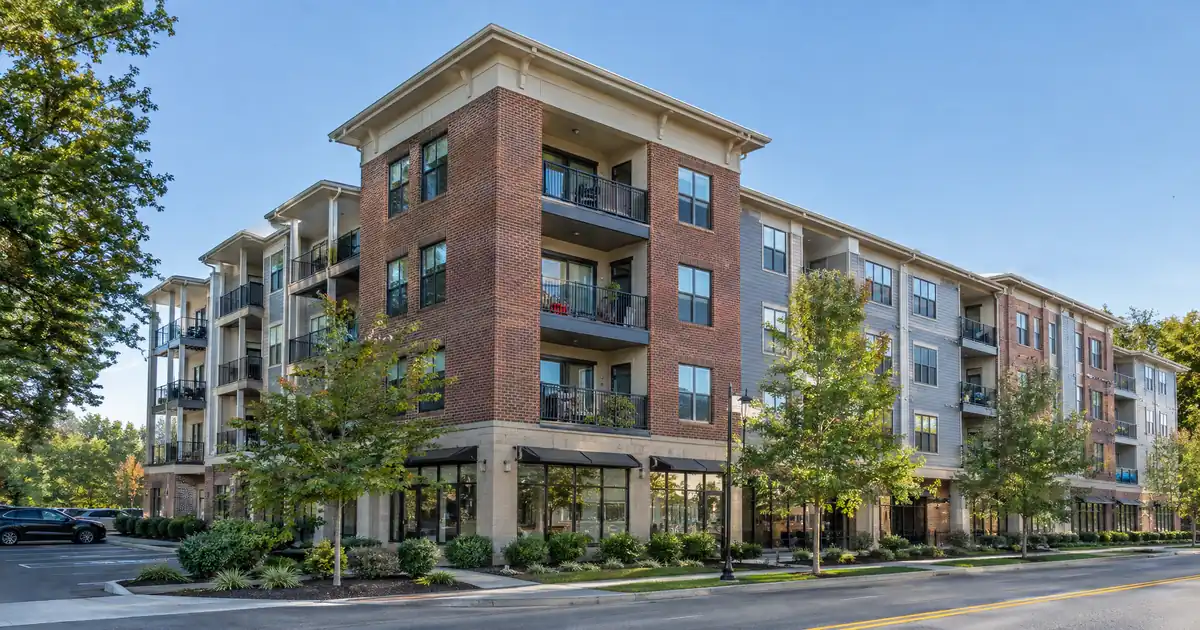
Can a Lafayette rental hand back cash when citywide prices are only inching up? Yes, but the equity has to come from your basis, not from the market. Zillow puts the average Lafayette home value at $262,363, up 4.6 percent over the past year. That’s steady, not explosive, so the cash-out case here rests on what you paid, what you fixed, and how well the rents cover the new balance.
At a Glance: A cash-out refinance on a Lafayette, Indiana rental is underwritten primarily on the property’s rental income measured against its full monthly obligation, so the strongest candidates are older small multifamily and workforce rentals where in-place rent clearly exceeds the new payment, subject to lender guidelines.
DSCR Cash-Out Calculator
Run the cash-out numbers in Lafayette, IN
Rate source: Freddie Mac 30-yr average via FRED® — Federal Reserve Bank of St. Louis · effective Sep 24, 2026
Prefilled with starting assumptions — enter your property’s value, balance, taxes, and insurance for a more accurate picture.
Program parameters update from Lendmire’s centralized guideline source. Taxes and insurance are editable estimates.
As of Sep 24, 2026 · General Freddie Mac market benchmark, not a Lendmire loan offer. Property value, balance, taxes, and insurance are editable estimates. Maximum loan-to-value varies by lender, program, property type, and seasoning. Not a Loan Estimate, approval, or commitment to lend. Program availability and eligibility are subject to lender guidelines, credit approval, property review, and underwriting.
- Cash-out tops out at 75 percent LTV, and about six months of ownership from title recording is typical.
- Lafayette’s housing stock is about 14 percent duplexes and small multifamily, so 2-4 unit comps exist.
- RentCafe shows 52 percent of households renting, a deep tenant pool.
- Appreciation is modest, so plan equity from purchase discount or renovation.
Lafayette Market Snapshot
A quick read on the Lafayette investor landscape. Figures come from the cited sources below. Confirm current property-level numbers before underwriting.
| Metric | Detail |
|---|---|
| Home prices | $202,036 median (NeighborhoodScout) |
| Recent appreciation | 2.46% (NeighborhoodScout) |
| Employment | 6,000+ employees (Purdue Exponent, Subaru tax) |
Who This Fits (and Who It Doesn’t)
For Lafayette, Indiana rental property financing, Lendmire helps arrange DSCR loans through lenders operating in 41 markets, including Washington, D.C. Lendmire (NMLS# 2371349) is a DSCR-focused mortgage broker, which means it places these loans with wholesale investor lenders rather than lending directly.
This article is about the investor who already owns. You bought a duplex near downtown or a three-bedroom on the south side, you’ve held it for a while, and you want capital out for the next one. Purchase mechanics are a separate topic. Here the questions are: how much equity exists, how much can come out at the 75 percent ceiling, and does the rent still cover the bigger balance?
Lafayette sits on the east bank of the Wabash River, with West Lafayette and Purdue directly across it. Renters treat the two as one market, and so should you when you think about comps and tenant demand.
Two Tenant Bases, One Small Metro
Lafayette’s edge for a refinance file is tenant diversity. Purdue University reported total enrollment of 57,876 in fall, with 43,633 undergraduates, and 60 percent of students live off campus. One caveat: Purdue widened its reporting to include its Indianapolis and statewide Polytechnic programs, so that headline isn’t a pure West Lafayette count. A local outlet cites a lower figure for the main campus. Either way, it’s a large student and staff renter base.
That demand follows the school year. The other half doesn’t. Subaru of Indiana Automotive is Subaru’s only U.S. assembly plant, a 4.7 million-square-foot facility that has drawn more than $2.2 billion in investment since 1986. Per the Purdue Exponent, it remains the largest county employer after Purdue, with more than 6,000 employees. Greater Lafayette’s economic development page adds GE Aviation, Wabash, Dana, Arconic, Primient, Tate & Lyle, and Rolls-Royce research operations to the list, and the state’s major employer directory ranks Caterpillar’s engine plant first by establishment size.
An appraiser and a lender both want to see durable demand. Manufacturing, aerospace, and healthcare payrolls give you year-round tenants, while Purdue gives you the higher-rent end of the market. Few comparable Indiana metros hold both.
Where the Equity Math Works
Older 2-4 unit properties near downtown are the strongest cash-out candidates in Lafayette. Two rent doors stack against one loan, and the city’s small-multifamily stock means appraisers have local comps to work with.
Start with what the research shows about unit mix. NeighborhoodScout puts duplexes, converted homes, and small apartment buildings at about 14 percent of housing units, against 56.8 percent single-family detached and 24.3 percent large complexes. Then look at how rent scales. RentCafe’s averages (which cover only buildings with 50 or more units, so they lean toward newer complexes) show $1,318 for a two-bedroom and $1,622 for a three-bedroom. Adding a bedroom doesn’t add rent proportionally. Two-bedroom doors beat one larger house, and that is Lendmire Research’s inference from the rent bands, not a sourced duplex figure.
Historic Centennial, Perrin, St. Mary’s, and Ninth Street Hill
These are the city’s historic neighborhoods, listed on the City of Lafayette’s neighborhood page. Centennial is a 63-acre National Register district with homes dating to the 1840s. Perrin and St. Mary’s are known for 19th-century Italianate and Queen Anne houses near downtown dining. Ninth Street Hill has 88 contributing buildings and a dues-free neighborhood association that includes renters and landlords alike.
Rent.com’s one-bedroom averages tell the story: about $992 downtown, $950 in St. Mary’s, and $769 on Ninth Street Hill. No reliable sale-price source exists for these areas, so treat them as the older, larger-house tier where conversions and duplexes sit. The cash-out case here is a basis play. Buy right, renovate, re-rent at current levels, and the appraisal can sit well above what you have in the deal.
Vinton, Vinton Highlands, and the Industrial East
Vinton Highlands is the family and workforce single-family tier. Homes.com lists a median price of $254,950, roughly in line with the citywide figure, and the area sits about 3.5 miles from downtown with I-65 access. Further east, Sunnyside, Elston-Beck, Ellsworth Romig, and Glen Acres serve Subaru and Caterpillar workers. Rent.com shows Glen Acres as the most affordable at $503 for a one-bedroom and Sunnyside as the priciest at $1,100.
Three-bedroom houses here are the straightforward DSCR product. Coverage is thinner than in a duplex, which brings us to the math.
Across the River: West Lafayette Near Campus
West Lafayette’s student rentals carry the highest rents in the market. A local blog, The Lafayette Real, reports that single bedrooms in new developments start around $1,200 and that single-family rentals are frequently priced at $2,000 to $3,000. It’s a local source, so read those as directional. The trade-off: higher rent, heavier turnover, and exposure to enrollment swings. For a refinance file, that is a concentration risk worth weighing against a campus-adjacent address.
Run the Numbers: Two Modeled Scenarios
The two scenarios below use modeled assumptions, not market quotes. Both compute coverage as rent divided by full PITIA (principal, interest, taxes, and insurance at assumed Indiana averages) at 75 percent LTV, and both round down.
Picture a duplex in the Centennial or Perrin area, appraised at a modeled $320,000, with two-bedroom units rented at a conservative $1,250 each. Including taxes and insurance, that lands near 1.3x coverage. The Lafayette-specific logic is the rent stack. RentCafe’s two-bedroom average sits at $1,318, so the modeled rents leave a little room below that benchmark.
Now run a three-bedroom house in Vinton Highlands, appraised at a modeled $262,000, rented at a modeled $1,500. Coverage including taxes and insurance comes out near 0.95x. The same house at RentCafe’s $1,622 three-bedroom average would land closer to 1.05x, but that benchmark skews toward newer buildings, and a 50-plus-unit complex isn’t a direct comp for an older single-family house.
So the single-family file sits right at the line. Most standard programs are built around a 1.00x benchmark because the rent covers the payment at that level. Some lenders review files below it, but those typically require stronger compensating factors, lower leverage, or different pricing. If you’re at 0.95x, the paths worth asking about include a sub-1.00 program, an interest-only structure, or taking less than the full 75 percent. Qualification remains subject to lender guidelines, credit approval, and property review.
(Honestly, the duplex-versus-house choice here is close to a toss-up for investors who want simplicity, but the duplex gives the coverage cushion that makes a larger cash-out realistic.)
Appreciation Won’t Do the Work
Lafayette looks cash-flow-led. The sources disagree on trend, which is itself a signal. NeighborhoodScout shows trailing-year appreciation of 2.46 percent. Redfin shows a median sale price of $245K, up 4.2 percent for the latest three months, a different measure from Zillow’s home value index, and it also reports homes taking about 19 days to sell versus 7 a year earlier. Sales ran 213 versus 191 a year earlier. That’s an active market with comps to support an appraisal, just not one that hands you free equity.
The practical read: underwrite the refinance on today’s appraised value with little assumed uplift. Equity has to come from buying below value, renovating, or repositioning rents. If you bought a Centennial-area duplex at a discount and put the work in, you may have meaningful equity to pull. If you bought retail at market two years ago and prices barely moved, expect a thinner result.
What About New Supply?
The Lafayette Real, a local agent’s blog, estimates about 1,249 new single-family and townhouse-style homes coming to Greater Lafayette, based on plans reviewed at the Tippecanoe Area Plan Commission. It’s an agent’s estimate, not an official count, and the same source calls the market undersupplied. Still, new-build supply can give buyers leverage and pressure comps for newer rentals. Older, lower-basis stock is the safer collateral. Skip chasing new-build comps for a refinance.
How Proceeds Become the Next Deal
The mechanics are simple. Under the program parameters Lendmire works with, cash-out is typically capped at 75 percent LTV, with about six months of ownership measured from title recording. Pricing and available terms vary by lender, borrower profile, property type, and full underwriting review. Equity available depends on rent used for lender review, PITIA, reserves, and that LTV ceiling, so it’s never a guaranteed cash figure. Lendmire’s DSCR guide covers how the ratio is built, and the DSCR cash-out refi mechanics page walks through the structure. If you’re weighing the product against bank financing, the guide “Where DSCR and Conventional Diverge” lays it out, and the refinance side covers the rest of the options. Investors working across the state can also see DSCR loan options for Indiana investors.
One pattern shows up on files from small university-and-industry markets like this one. The cleaner files tend to be the ones where the investor brings a current lease, a documented rent history, and a clear picture of how the cash-out proceeds will be redeployed. The common friction point is a single-family rental sitting right at 1.00 coverage, where a small change in the appraisal or the rent comp decides whether the file clears. Having an interest-only or reduced-leverage option mapped out in advance saves a restructure.
DSCR vs. conventional financing
There are two common ways to finance an investment property in Lafayette, IN, and they qualify you differently — here’s how investors weigh them.
Why investors choose it
- Qualifies on the property’s rental income — no personal tax returns, W-2s, or pay stubs needed to document income.
- No personal debt-to-income ceiling to clear, so existing mortgages and obligations don’t cap your borrowing the same way.
- Can be closed in an LLC, keeping the property inside a business entity.
- Built for scaling — not held to the limit on number of financed properties that conventional financing applies.
- Underwriting centers on the deal: generally qualifies when the rent covers the payment, a 1.00x coverage ratio being a common baseline (confirmed in underwriting).
- Designed specifically for investment property, including long-term and, where the program allows, short-term rentals.
Where it’s strong
- Often the lowest ongoing financing cost for a buyer who fully qualifies on personal income — a fit for a first property or a cost-first purchase.
Trade-offs for investors
- Requires full personal income documentation and must fit within a debt-to-income limit — salary, existing debts, and other mortgages all count.
- Typically held in your personal name rather than a business entity.
- Caps how many financed properties you can carry, which can become a ceiling as a portfolio grows.
- Evaluates you as a borrower as much as the property, which usually means more paperwork.
How investors usually choose: a first or single property often optimizes for the lowest financing cost; portfolio builders often optimize for leverage, vesting in an LLC, and scaling past conventional caps. The right answer depends on your goals, the property, and current guidelines — both paths run through select lenders in Lendmire’s wholesale network, with eligibility and terms confirmed in underwriting.
If you’re ready to see numbers on a specific property, you can request a quote or call 828-256-2183.
Frequently Asked Questions
Can I pull cash out of a Lafayette duplex if I only bought it recently?
Typically only after about six months of ownership, measured from title recording. After that, the amount available depends on appraised value, rent used for lender review, reserves, and the 75 percent LTV ceiling. A recent discount purchase with renovation is the situation where the appraisal most often supports a meaningful draw.
Which Lafayette property types give the best coverage for a cash-out?
Older duplexes and small multifamily near downtown generally stack the most rent against one loan. About 14 percent of the city’s housing stock is small multifamily, so comps are available. Three-bedroom workforce houses in Vinton and the east side work too, though coverage runs thinner.
Does Purdue’s enrollment make student rentals riskier for a refinance?
It adds concentration risk. Rents near campus run higher, but turnover is heavier and demand follows enrollment. A property rented to staff, faculty, or year-round tenants can look steadier to a lender than one dependent on a single academic-year cycle.
Will Lafayette’s slow appreciation limit how much I can borrow?
It limits how much equity appears on its own. With the 75 percent ceiling applied to today’s appraisal, a property that has barely moved will yield less than one bought at a discount and improved. Plan on basis and renovation, not market gains.
Can I use a manufactured home or barndominium for a cash-out in Lafayette?
No. Manufactured homes, log homes, and barndominiums fall outside these DSCR programs. Conventional single-family houses, duplexes, and small multifamily are the standard targets.
Next Step: Pull the Comps First
Before you apply, pull recent sold comps for 2-4 unit properties in Centennial, Perrin, and St. Mary’s, and compare them with the three-bedroom sales in Vinton Highlands. That one exercise tells you whether your equity is real in Lafayette or just theoretical, and it’s worth doing before any lender sees the file.
About Lendmire
Lendmire (NMLS# 2371349), a non-QM mortgage broker serving investors in 41 markets including Washington, D.C., helps structure DSCR scenarios commonly evaluated around a property’s rental income rather than personal income paperwork, subject to lender guidelines. Recognized as a top-ranked workplace in 2025 and as a 2026 Scotsman Guide Top Workplace, Lendmire places loans through wholesale investor lenders and is not a direct lender.
Get Started
Ready to find the right loan for you?
In about 30 seconds you can review financing options available for your investment property. No commitment required.
Informational only. Not a Loan Estimate, approval, or commitment to lend. Program availability and eligibility are subject to lender guidelines, credit approval, property review, and underwriting.
References
1. Zillow, Lafayette home values
2. NeighborhoodScout, Lafayette real estate
4. Purdue Exponent, Subaru tax abatement coverage
5. Inside INdiana Business, Subaru expansion
6. Greater Lafayette, Industries and Employers
7. Hoosiers by the Numbers, Major Employers for Tippecanoe County
8. City of Lafayette, Area Neighborhoods
9. Homes.com, Vinton Highlands
10. Rent.com
11. Redfin, Lafayette housing market
12. The Lafayette Real, new construction
13. Scotsman Guide, top workplaces 2025
14. Scotsman Guide, top workplaces 2026
This article is part of Lendmire’s investment property cash-out refinance program — full qualification details, guidelines, and scenarios live on the program page.
Related reading: Luxury Rental DSCR Loans In New Jersey · Jersey Shore Vacation Rental Loans: DSCR Financing In Ocean City, Cape May And Long Beach Island · DSCR Cash-out Refinance In New Jersey: Pulling Equity From A Rental
Guides: Investment Property Cash-Out Refinance in Lafayette, IN · Investment Property Cash-Out Refinance in Indiana
Brandon Miller
Founder & CEO, Mortgage Loan Originator, Lendmire LLC
- Mortgage Loan Originator · NMLS# 1129696 · Verify on NMLS Consumer Access
- North Carolina Real Estate Broker · License# 343312 · Verify on NCREC
- North Carolina Insurance Producer · License# 19053198 · Property, Casualty, Life, Health · Verify on NAIC SBS
- Lendmire LLC · Firm NMLS# 2371349 · Verify firm licensure
Legal disclosures. Lendmire (NMLS# 2371349) is a state-licensed mortgage brokerage that arranges financing through wholesale lender relationships. Lendmire is not a direct lender, depository institution, or registered financial advisor. The discussion above is general informational content about real estate financing — it is not financial, legal, or tax advice, and readers should consult licensed professionals for guidance on their individual circumstances. Loan inquiries are subject to lender underwriting; this article does not represent a commitment to lend. Loan terms, rates, and qualification standards vary by borrower, property, and state, and are subject to change at any time. Equal Housing Opportunity. NMLS Consumer Access: nmlsconsumeraccess.org.