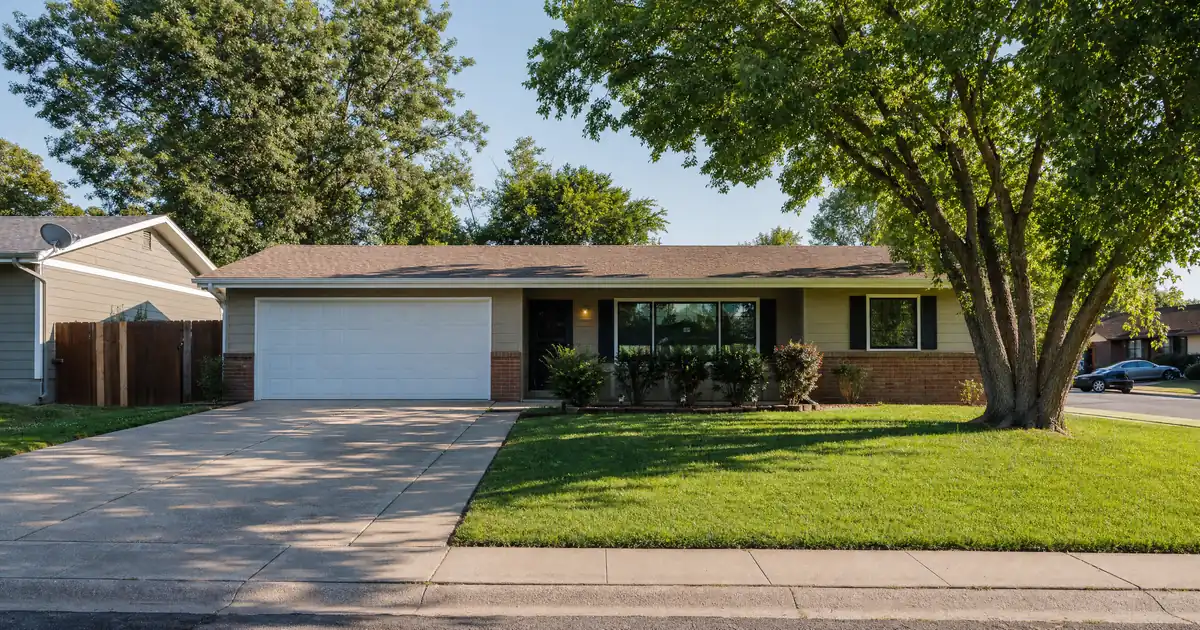
The Quick Read: An STR DSCR loan looks at a short-term rental — Airbnb, VRBO, or similar — based on the property’s projected or documented nightly income. It does not look at the borrower’s personal income. The math is the same debt service coverage ratio used on any DSCR loan. What changes is how the income gets proven. There’s no 12-month lease to point to, so lenders use other methods. Most STR-specific programs use tighter leverage, higher credit floors, and heavier reserve requirements than standard long-term-rental DSCR files. That’s because nightly income swings more than lease income does. Terms vary by lender guidelines, property type, leverage, credit profile, and full file review.
Short-Term Rental Calculator
Run the STR numbers in your market
Rate source: Freddie Mac 30-yr average via FRED® — Federal Reserve Bank of St. Louis · effective Jul 30, 2026
Prefilled with local estimates — enter your nightly rate, occupancy, taxes, and insurance for a more accurate picture.
Short-term rental income is documented with a 12-month history or a market data report. Program parameters update from Lendmire’s centralized guideline source.
As of Jul 30, 2026 · General Freddie Mac market benchmark, not a Lendmire loan offer. Nightly rate, occupancy, taxes, and insurance are editable estimates. Qualifying income for short-term rentals varies by program — some use appraisal market rent, others use documented STR history or projections — and is confirmed in underwriting. Not a Loan Estimate, approval, or commitment to lend. Program availability and eligibility are subject to lender guidelines, credit approval, property review, and underwriting.
DSCR loans are business-purpose, non-owner-occupied investor products. They’re built for rental property, not a primary home. That means lenders check the deal’s cash flow instead of the borrower’s traditional personal-income paperwork. This structural difference matters even more on short-term rentals. Personal income documentation was never going to reflect what a property earns on the open booking market anyway.
What this article covers, at a glance:
- How STR DSCR income actually gets documented — three accepted paths, and why they can produce very different qualifying numbers on the same property
- Why STR overlays run tighter than long-term-rental DSCR (leverage, credit floor, reserves, seasoning)
- How lenders handle seasonal income swings instead of just averaging a single annual figure
- Where the whole thing can fall apart — zoning, HOA restrictions, and condotel structures
- A practical framework for deciding whether STR DSCR is the right tool for a specific deal
What Is an STR DSCR Loan?
An STR DSCR loan is a non-QM investment property mortgage. It measures whether a short-term rental can cover its own monthly housing cost. Lenders express this as a coverage ratio, not a personal debt-to-income number. The ratio itself stays the same as a standard DSCR loan: qualifying income divided by the full monthly obligation. What changes is the income input. A nightly-booking property doesn’t have a signed 12-month lease sitting in a file.
There’s no federal agency or GSE definition of an “STR DSCR loan.” Fannie Mae and Freddie Mac don’t buy true DSCR products on 1-4 unit investment property. So every underwriting rule described below comes from individual non-QM lenders and the wholesale investors backing them, not from a regulator. That matters, because it means program terms genuinely vary from lender to lender in a way that agency-backed lending doesn’t.
For a full walkthrough of DSCR mechanics beyond the STR context — leverage, credit tiers, reserves, and how the ratio gets calculated on a standard rental — Lendmire’s complete DSCR loans guide covers the base product this article builds on.
Key Terms Defined
DSCR (Debt Service Coverage Ratio): monthly qualifying rental income divided by the property’s full monthly obligation — principal, interest, taxes, insurance, and any HOA dues (PITIA). A ratio above 1.00 means the modeled income covers the modeled obligation. Below 1.00 means it doesn’t.
PITIA: the complete monthly housing obligation used as the denominator in the DSCR formula — principal, interest, taxes, insurance, and association dues where applicable.
Haircut: the percentage reduction lenders apply to a projected income figure. Most often this hits an AirDNA-style market projection. It accounts for the fact that a projection isn’t documented history.
Form 1007: Fannie Mae’s Single-Family Comparable Rent Schedule. This standardized appraisal form estimates monthly market rent using leased comparables, not nightly STR comparables (Fannie Mae).
Seasoning: the length of documented hosting or ownership history a lender wants before it will credit a property’s actual STR track record instead of a projection.
STR DSCR vs. Long-Term Rental DSCR vs. Conventional
The core difference across all three products comes down to what gets measured to qualify the loan. STR sits in a middle ground: more flexible than conventional, but more heavily documented than a standard long-term-rental DSCR file.
| Factor | STR DSCR | LTR DSCR | Conventional |
|---|---|---|---|
| Qualifying income | Platform history, market data, or STR appraisal | 12-month lease or Form 1007 rent | Borrower’s W-2/traditional personal-income documentation |
| Occupancy history wanted | Typically ~12 months hosting | Not always required | N/A |
| Coverage measure | DSCR ratio vs. nightly income | DSCR ratio vs. monthly lease | Debt-to-income ratio |
| Typical purchase leverage | Up to roughly 75% LTV | Up to roughly 80% LTV | Varies by loan type |
How the DSCR Math Actually Works for a Short-Term Rental
The formula never changes: qualifying monthly income divided by PITIA. What’s different on an STR file is where that top number comes from. It can come from three distinct sources, and each one can produce a very different result on the same property.
Say an investor buys a coastal property with strong seasonal demand. If the file relies on a market-data projection (the AirDNA-style approach described below), the lender typically applies a haircut. That haircut commonly falls in the range of 70% to 80% of the projected gross figure, before it counts as qualifying income. Run that reduced number against the property’s full PITIA, and the file might land somewhere around a 1.10x to 1.30x coverage ratio. Where it lands depends on the market and the property’s amenity tier. If the lender instead falls back on the appraiser’s Form 1007 long-term market rent, the coverage figure usually comes in lower. That’s because it treats the property as if it were leased annually, not booked nightly. This can pull a file that clears 1.3x on STR math down closer to breakeven on long-term math.
This gap is the single biggest reason two lenders can look at the exact same property and land on two different DSCR outcomes. It’s also why the choice of documentation path matters as much as the deal itself.
How Lenders Handle Seasonality
Coverage on an STR file is rarely one flat number. It’s usually an annualized blend across peak, shoulder, and off-peak booking patterns. A property that clears easily in July might run underwater in February. So lenders build the qualifying figure around the full-year picture, not the best month.
| Period | Typical booking pattern | Modeled share of annual income |
|---|---|---|
| Peak season | High occupancy, top nightly rates | ~45% |
| Shoulder season | Moderate occupancy | ~35% |
| Off-peak | Lower occupancy | ~20% |
That blended annual figure then runs through a typical 70%-80% haircut and gets divided by monthly PITIA. The resulting coverage ratio usually comes in more conservative than the property’s peak-month performance would suggest. That’s exactly the point. A seasonal beach or ski property that looks outstanding in its best quarter still needs to clear the lender’s coverage floor on the annualized number, not the July number.
What Counts as STR Income Documentation?
Three paths get commonly accepted across the non-QM network. Which one a given lender uses, or whether it offers an STR program at all, varies file to file.
- Market-data projection. A report (commonly AirDNA or a comparable platform) estimating gross annual revenue based on comparable listings matched by location, bedroom count, property type, and amenity tier — then reduced by the lender’s haircut.
- Documented platform history. Twelve months of actual earnings pulled from Airbnb, VRBO, or a similar platform, used when the property already has an operating track record.
- Short-term rental income appraisal. A specialized appraisal product built to estimate nightly-rental income rather than long-term lease rent, used by some lenders in place of, or alongside, the standard Form 1007.
Not every non-QM lender in a given network offers an STR-specific program at all. Some route STR-collateralized deals through a standard long-term-rental DSCR product instead, using the conservative Form 1007 estimate. That usually produces a lower coverage figure.
Which Properties Qualify — and Which Don’t
Single-family homes, condos, townhomes, and small 2-4 unit properties make up the backbone of STR DSCR eligibility across most of the network. What’s consistently excluded is narrower, and worth knowing up front. Manufactured homes (both single- and double-wide), log homes, and barndominiums fall outside these programs entirely. They aren’t harder to finance — they’re simply not offered.
Condotels and mandatory rental-pool buildings sit in a different category altogether. Say a building’s management controls unit availability, and guests can be placed in any unit in the pool rather than the one the owner actually financed. That property functions more like a hotel program than a standalone rental, and gets underwritten accordingly. It often falls outside standard STR DSCR eligibility. Mixed-use buildings raise a related but separate eligibility question, covered in more depth in Lendmire’s guide to DSCR loans for mixed-use properties.
The Legal Risk Nobody Can Underwrite Around
Zoning, permit caps, and HOA restrictions make up the single biggest variable in whether STR income can be counted at all. And they’re changing faster than most investors track. Many lenders confirm before closing that the city, county, and any HOA actually permit short-term rental use at the property. Income from a unit that can’t legally operate as an Airbnb doesn’t count, no matter how strong the AirDNA projection looks.
That risk isn’t hypothetical or slow-moving. A recent wave of local ordinance activity hit several second-tier U.S. cities in a single stretch. It included a hard permit cap in one Midwestern city, a first-ever permit requirement paired with a new local tax in a California market, buffer-zone restrictions tied to a stadium redevelopment in an Ohio suburb, and a registration requirement backed by daily fines in an Alabama city (AirROI). These changes point to a regulatory frontier shifting from major metros into smaller, less-watched markets. Those are exactly the places an investor might assume are lower-risk. Separately, one county government enacted a law phasing out short-term rental operations in apartment-zoned districts. That affects roughly 7,000 units on a locally maintained restricted list (Skyrun).
HOA documents act as an independent gate on top of whatever the city allows. Master deeds and CC&Rs can ban short-term rental use even where the municipality permits it outright. That means the property’s own governing documents deserve a read before an offer goes in, not after — local ordinance alone isn’t the whole story.
Short-term rental rules can vary by city, county, HOA, and property type. Investors should confirm local rules before relying on projected rental income to structure a purchase.
The Trade-Offs: What STR DSCR Gets You, and What It Costs
STR DSCR income-qualification gives real leverage to an investor whose traditional personal-income documents understate what the property earns. Self-employed operators and portfolio-heavy hosts benefit the most, since the file runs on the property’s numbers instead of a Schedule E showing a paper loss from depreciation. That gap is exactly what DSCR underwriting is built to bypass.
DSCR vs. conventional financing
Two common ways to finance an investment property in this market. They qualify you differently — here’s how investors weigh them.
Why investors choose it
- Qualifies on the property’s rental income — no personal tax returns, W-2s, or pay stubs needed to document income.
- No personal debt-to-income ceiling to clear, so existing mortgages and obligations don’t cap your borrowing the same way.
- Can be closed in an LLC, keeping the property inside a business entity.
- Built for scaling — not held to the limit on number of financed properties that conventional financing applies.
- Underwriting centers on the deal: generally qualifies when the rent covers the payment, a 1.00x coverage ratio being a common baseline (confirmed in underwriting).
- Designed specifically for investment property, including long-term and, where the program allows, short-term rentals.
Where it’s strong
- Often the lowest ongoing financing cost for a buyer who fully qualifies on personal income — a fit for a first property or a cost-first purchase.
Trade-offs for investors
- Requires full personal income documentation and must fit within a debt-to-income limit — salary, existing debts, and other mortgages all count.
- Typically held in your personal name rather than a business entity.
- Caps how many financed properties you can carry, which can become a ceiling as a portfolio grows.
- Evaluates you as a borrower as much as the property, which usually means more paperwork.
How investors usually choose: a first or single property often optimizes for the lowest financing cost; portfolio builders often optimize for leverage, vesting in an LLC, and scaling past conventional caps. The right answer depends on your goals, the property, and current guidelines — both paths run through select lenders in Lendmire’s wholesale network, with eligibility and terms confirmed in underwriting.
It’s not free leverage, though. Across most of the network, purchase leverage on STR collateral tops out around 75% LTV. Cash-out and rate-term refinances generally cap closer to 70%. Credit expectations run higher than on standard long-term-rental DSCR files too — 700 is a common floor, rather than the lower thresholds sometimes available on non-STR product. Reserve requirements also run heavier, commonly landing around six months of PITIA or more, given how much income seasonality swings month to month. Larger loan amounts can push that reserve expectation up further. There’s no such thing as a genuinely zero-down STR product in this space either. For investors weighing how far leverage actually stretches, Lendmire’s breakdown of DSCR loans with reduced or no-down-payment structures is worth reading before assuming otherwise.
Clearing a 1.00 coverage ratio isn’t the same as positive cash flow, either. That ratio only measures rent against PITIA. Repairs, vacancy gaps between bookings, cleaning and management fees, utilities, and capital expenditure all sit outside the DSCR calculation entirely. A file that clears 1.15x on paper can still run cash-negative in practice once those costs get layered in.
Here’s a pattern worth naming from working these files across a wholesale network. STR submissions built entirely around a strong AirDNA projection, with no documented history, tend to draw the tightest underwriting scrutiny. Files that pair 12 months of actual platform earnings with a supporting market report tend to move through cleaner. That’s largely because the lender isn’t relying on a single, unverified income source to carry the whole qualification.
Purchase, Refinance, and Cash-Out: How the Leverage Changes
Buying a new short-term rental, refinancing an existing one, and pulling cash out of an appreciated STR are three different leverage conversations, not one. Purchase transactions generally see the highest leverage ceiling in the network, around 75% LTV on the strongest files. Rate-term refinances and cash-out refinances both typically cap lower, closer to 70% LTV. Cash-out specifically tends to expect roughly six months of seasoning before the equity becomes accessible.
Coverage strength also shapes pricing tier, not just leverage. A file that clears comfortably above the 1.00 floor generally opens better pricing and leverage options than one sitting right at breakeven — though Lendmire never states specific rates in this context. Investors curious how coverage strength interacts with pricing can review how DSCR loan interest rates get shaped for the mechanics, without the numbers changing here.
Tax treatment on any refinance or cash-out proceeds can depend on how the funds are used and how the property is held. Investors should keep clear records and speak with a qualified tax professional before relying on any deduction.
Is an STR DSCR Loan the Right Fit?
STR DSCR tends to make sense for an investor who already has, or can quickly assemble, enough documentation to clear the higher bar these files require. That means a 700-plus credit profile, roughly 12 months of hosting or landlord experience, and a property in a jurisdiction where short-term rental use is clearly and durably legal. For that investor, the property’s own income drives lender review work that traditional personal-income documentation often can’t.
It’s a weaker fit for a first-time host with no operating history. It’s also weaker for someone buying in a market where local ordinance activity is unsettled, or relying entirely on a best-case AirDNA projection with no fallback documentation. In those cases, a lender might default to the conservative Form 1007 long-term rent estimate, or decline the STR income path altogether. That’s a real possibility worth planning around, not a worst-case scenario to dismiss.
Lendmire (NMLS# 2371349) arranges DSCR financing — including short-term rental structures — through a wholesale network of lenders spanning 39 states plus Washington, D.C., 40 markets total. It matches each file’s income documentation, leverage, and reserve profile to lenders whose overlays fit the deal. Investors comparing STR against a standard long-term-rental structure, or weighing DSCR against a conventional purchase, can reach Lendmire at 828-256-2183 or request a quote to see how a specific property’s numbers run.
Program terms described here — leverage, credit floors, reserves, and seasoning — reflect typical ranges across select lenders in Lendmire’s wholesale network. They are not guaranteed for any individual borrower or property. Loan approval is never guaranteed, and nothing here is a commitment to lend. Every scenario is subject to lender approval and to borrower, property, and program guidelines current at the time of application. This article is general information, not financial, legal, or tax advice.
Frequently Asked Questions
Can a first-time host qualify for an STR DSCR loan with no hosting history?
It depends on the lender and the rest of the file. Some programs in the network want roughly 12 months of documented hosting or landlord experience before crediting full STR income. Others will consider a market-data projection alone if the borrower’s credit and reserves are strong. A borrower with zero rental history anywhere in their file typically faces the tightest underwriting on this point.
Can an STR DSCR loan be used on a primary residence?
No. These are business-purpose investor loans built for non-owner-occupied property. A primary residence doesn’t fit the product structure, no matter how it’s marketed for rental use.
Does a strong nightly rate automatically mean the property clears DSCR?
Not necessarily. Gross nightly income and net qualifying coverage aren’t the same number. HOA dues, insurance, and the applied income haircut can pull a property that looks strong on paper down closer to breakeven once the full PITIA gets factored in — this shows up most on condo purchases where association fees run high.
What happens if a city changes its short-term rental rules after the loan closes?
That’s an operating risk for the owner, not typically a loan-default trigger tied directly to the mortgage. But it can affect the property’s income going forward, and any future refinance. That’s why confirming zoning and HOA rules before closing matters more on STR files than on almost any other property type.
Can an existing long-term rental be refinanced into an STR DSCR structure?
Yes, in principle — if the property is legally permitted to operate as a short-term rental and the borrower can document sufficient hosting history or a supporting market projection. The refinance leverage ceiling is typically lower than on a purchase, and seasoning requirements still apply.
Investors focused on short-term rentals can review DSCR loans for Airbnb and short-term rentals.
About Lendmire
As a DSCR and non-QM mortgage broker, Lendmire — NMLS# 2371349 — connects investors with wholesale lending channels across 40 markets, including Washington, D.C. The property’s rental income, not the borrower’s tax returns, drives lender review. That works well for self-employed operators and portfolios beyond four financed properties.
Investors focused on short-term rentals can review DSCR loans for Airbnb and short-term rentals.
Get Started
Ready to find the right loan for you?
In about 30 seconds you can review financing options available for your home or investment property. No commitment required.
Informational only. Not a Loan Estimate, approval, or commitment to lend. Program availability and eligibility are subject to lender guidelines, credit approval, property review, and underwriting.
References
1. Fannie Mae — Single-Family Comparable Rent Schedule (Form 1007)
2. AirROI — Short-Term Rental Ordinance Wave: The Small-City Shift
3. Skyrun — Short-Term Rental Market Outlook
Brandon Miller
Founder & CEO, Mortgage Loan Originator, Lendmire LLC
- Mortgage Loan Originator · NMLS# 1129696 · Verify on NMLS Consumer Access
- North Carolina Real Estate Broker · License# 343312 · Verify on NCREC
- North Carolina Insurance Producer · License# 19053198 · Property, Casualty, Life, Health · Verify on NAIC SBS
- Lendmire LLC · Firm NMLS# 2371349 · Verify firm licensure
Required disclosures. Lendmire (NMLS# 2371349) operates as a licensed mortgage broker, not a direct lender or depository. The discussion in this article is general in nature and should not be relied upon as financial, legal, or tax advice — every investment scenario is unique and should be reviewed by a qualified professional. Any loan inquiry is subject to lender underwriting, and this article is not a commitment to lend or a guarantee of approval. Mortgage rates, loan terms, and program guidelines vary by borrower, property, and state, and may change without notice. Equal Housing Opportunity. Verify licensure at NMLS Consumer Access.