
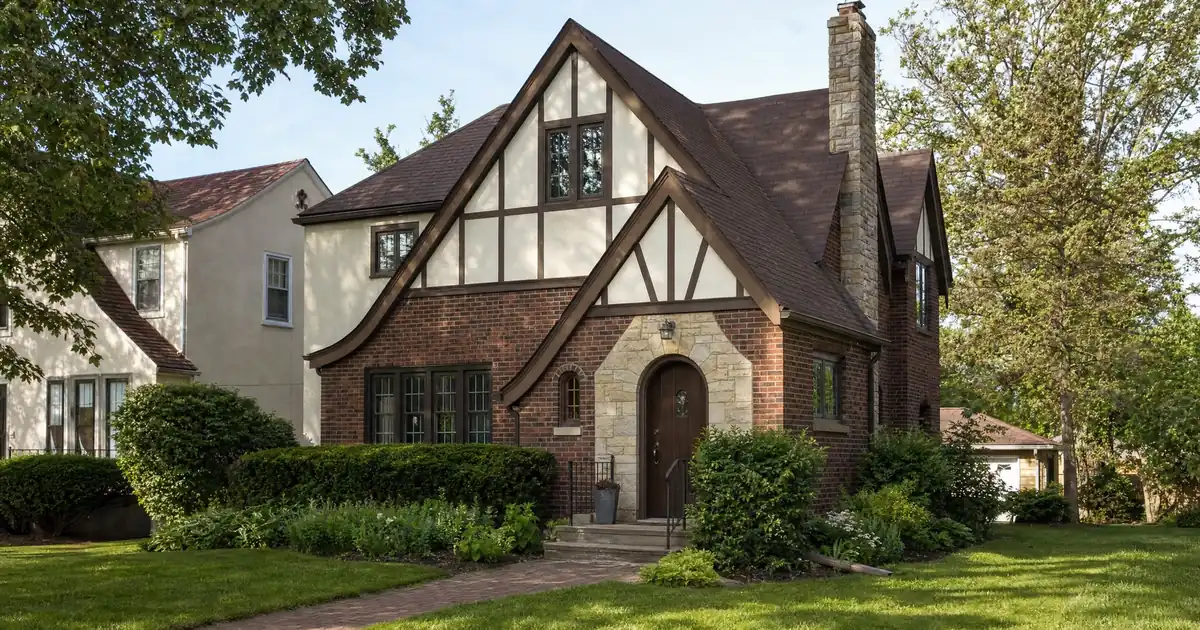
The Quick Read: Some properties are off the table for DSCR loans. Full stop. That list includes primary residences, second homes, raw land, working farms and ranches, and properties that need major repair. Across Lendmire’s wholesale lender network, manufactured homes, log homes, and barndominiums are not offered either. Condotels, non-warrantable condos, co-ops, and buildings of five or more units are not dead deals. They just route to different programs with different terms. Everything else usually comes down to the appraisal. Can a rental value be verified? Is the property move-in ready for a tenant?
DSCR Calculator
Run the numbers in your market
Rate source: Freddie Mac 30-yr average via FRED® — Federal Reserve Bank of St. Louis · effective Jul 30, 2026
Prefilled with starting assumptions — enter your own rent or nightly figures, taxes, insurance, and HOA for a more accurate picture.
Program parameters update from Lendmire’s centralized guideline source. Taxes and insurance are editable estimates.
As of Jul 30, 2026 · General Freddie Mac market benchmark, not a Lendmire loan offer. Rent, nightly rate, occupancy, taxes, and insurance are editable estimates. Short-term rental figures are estimates only and vary significantly by season, property type, management approach, and local short-term-rental rules — confirm local regulations before relying on them. Qualifying income for short-term rentals varies by program — some use appraisal market rent, others use documented STR history or projections — and is confirmed in underwriting. Not a Loan Estimate, approval, or commitment to lend. Program availability and eligibility are subject to lender guidelines, credit approval, property review, and underwriting.
Key Terms Defined
DSCR (debt-service coverage ratio): This compares a property’s monthly rental income to its full monthly housing payment. It’s rent divided by PITIA.
PITIA: This is the full monthly obligation on a mortgage. It adds up principal, interest, taxes, insurance, and any association dues.
Business-purpose loan: This is a mortgage made for a rental or investment property, not a home the borrower lives in. That’s why it gets underwritten differently than a standard owner-occupied mortgage.
LTV (loan-to-value): This is the loan amount as a percentage of the property’s value or purchase price. It’s the flip side of a down payment.
Non-warrantable condo: This is a condo project that doesn’t meet standard agency requirements. Maybe too many units are rentals. Maybe there’s a pending lawsuit. Maybe commercial space takes up too much of the building. Any of these push the project into a specialty loan program.
Seasoning: This is how long a borrower must own a property before a lender will count it toward a refinance or cash-out request.
C5/C6 condition rating: These are the two lowest tiers on an appraiser’s condition scale. They’re reserved for properties in significant disrepair or that need structural work.
The Property Types That Are Always Off the Table
Six categories get declined on nearly every DSCR program, no matter the lender. Those are owner-occupied homes, raw land, fix-and-flip properties, working agricultural land, manufactured housing, and severely deteriorated structures.
Primary residences and second homes. DSCR loans exist for non-owner-occupied rental property. A house the borrower plans to live in doesn’t qualify, even part-time. That’s a conventional or agency mortgage conversation instead.
Fix-and-flip properties and vacant land. DSCR math needs a rent number to compare against the payment. A property under construction, gutted for rehab, or sitting as raw land has no rent to underwrite. Hard money or a bridge loan is the more common tool at that stage. A DSCR refinance can come later, once the property is leased and stabilized.
Working farms, ranches, and orchards. Agricultural income isn’t rental income. DSCR programs aren’t built to evaluate crop yields or livestock revenue. A property zoned and operating as a working farm typically needs an agricultural lending program instead.
Manufactured and mobile homes. Across Lendmire’s wholesale lender network, single-wide and double-wide manufactured homes are not offered on DSCR programs. That’s a hard rule here, not a case-by-case call. Investors looking at manufactured housing as a rental play should plan on a different loan product entirely.
Log homes and barndominiums. Same story. These property types fall outside the DSCR programs Lendmire places, no matter the condition or location. It’s worth knowing this before writing an offer, not after an appraiser is already scheduled.
Properties an appraiser rates C5 or C6 for condition. These are the two lowest condition tiers. They’re used for homes that need major structural repair before anyone could safely rent them. A DSCR appraisal can’t be submitted “subject to” future repairs. The property has to be rentable as it sits. That knocks out anything in this condition bracket until the work gets done and the appraisal gets refreshed.
Beyond those six, unusual construction like geodesic domes and earth- or berm-sheltered homes runs into the same practical wall across the non-QM space broadly. An appraiser can’t find comparable rental listings for a structure that doesn’t resemble anything else in the neighborhood. No comps means no verified rent.
Why Occupancy Is the Line Lenders Draw First
DSCR loans are built for non-owner-occupied investment properties. They are business-purpose investor loans, so they get reviewed differently than a standard owner-occupied mortgage. That distinction is what lets rental property financing sit outside the disclosure rules that apply to consumer mortgages, a framework outlined in the Consumer Financial Protection Bureau’s Regulation Z commentary. A signed statement confirming the borrower won’t occupy the property is standard paperwork on every file. It’s not a formality that gets skipped.
What Happens With Rural Properties?
Rural DSCR files hinge on two things. How built-up is the surrounding area? How much acreage sits on the parcel? An appraiser generally needs to see the neighborhood at least a quarter developed with structures. A property ringed by nothing but open farmland in every direction won’t clear that bar. Acreage caps vary by program. Some lenders draw the line around 5 acres. Others extend to roughly 10. Land above the cap typically has to be carved out of the appraisal. That complicates the file without automatically killing it. Investors eyeing a rural property near either threshold are better off flagging it before going under contract, not finding out mid-appraisal.
Condos, Co-ops, and Condotels: Different, Not Dead
Warrantable condos run through the standard DSCR program with no extra steps. Non-warrantable condos, condotels, and co-ops move into specialty tracks with their own leverage and documentation rules. None of these three is an automatic rejection. They just get priced and underwritten differently, and eligibility can vary building by building.
A non-warrantable condo is one where too many units are rented out, litigation is pending, or commercial space takes up too much of the building. It needs a lender that specifically offers a non-warrantable program. Condotels blend hotel-style operation with individual unit ownership. They typically see lower maximum leverage than a standard single-family rental and lean on short-term rental income documentation instead of a standard lease. Co-ops are a mixed bag. Some lenders in Lendmire’s network will finance them. Others won’t touch the ownership structure at all, since a co-op share isn’t quite the same as owning real property outright. The lesson across all three: confirm the specific project’s approval status before assuming the deal is dead, or assuming it’s fine.
Do Buildings Over Four Units Get Rejected?
No. A 5-plus unit apartment building doesn’t get declined. It gets rerouted. Standard DSCR eligibility covers 1-4 unit properties: single-family homes, warrantable condos, and small multifamily. Once a building crosses into 5 or more residential units, it moves into a separate commercial or multifamily DSCR product. That product has its own leverage grid and credit requirements, distinct from the standard matrix. Investors scaling from a duplex or fourplex into a larger apartment building should expect a different conversation with a different set of terms, not a bigger version of the same loan. For anyone weighing that jump, it’s worth comparing how a DSCR loan stacks up against a portfolio loan for rental properties before deciding which structure fits the plan.
DSCR vs. conventional financing
Two common ways to finance an investment property in this market. They qualify you differently — here’s how investors weigh them.
Why investors choose it
- Qualifies on the property’s rental income — no personal tax returns, W-2s, or pay stubs needed to document income.
- No personal debt-to-income ceiling to clear, so existing mortgages and obligations don’t cap your borrowing the same way.
- Can be closed in an LLC, keeping the property inside a business entity.
- Built for scaling — not held to the limit on number of financed properties that conventional financing applies.
- Underwriting centers on the deal: generally qualifies when the rent covers the payment, a 1.00x coverage ratio being a common baseline (confirmed in underwriting).
- Designed specifically for investment property, including long-term and, where the program allows, short-term rentals.
Where it’s strong
- Often the lowest ongoing financing cost for a buyer who fully qualifies on personal income — a fit for a first property or a cost-first purchase.
Trade-offs for investors
- Requires full personal income documentation and must fit within a debt-to-income limit — salary, existing debts, and other mortgages all count.
- Typically held in your personal name rather than a business entity.
- Caps how many financed properties you can carry, which can become a ceiling as a portfolio grows.
- Evaluates you as a borrower as much as the property, which usually means more paperwork.
How investors usually choose: a first or single property often optimizes for the lowest financing cost; portfolio builders often optimize for leverage, vesting in an LLC, and scaling past conventional caps. The right answer depends on your goals, the property, and current guidelines — both paths run through select lenders in Lendmire’s wholesale network, with eligibility and terms confirmed in underwriting.
Vacant Property: Purchase vs. Refinance
A vacant property is generally fine at purchase. It’s generally a problem at refinance. That split trips up more investors than almost any other rule on this list. On a purchase, a vacant, turnkey property qualifies as long as the borrower certifies plans to lease it after closing using ordinary marketing efforts. On a refinance, most programs want the property already leased or occupied. A vacant refinance is typically only considered if the property was recently rehabbed and is actively listed for rent, and even then it may come with a lower maximum LTV. Investors refinancing a property between tenants should expect that timing question early in the conversation, not as a surprise at underwriting.
One related quirk: a lease to a family member, or an existing tenant paying well under market rent, generally isn’t accepted at face value. Lenders typically underwrite to market rent instead. That gets supported by a rental market analysis or appraisal comps, not whatever a below-market lease happens to say.
Short-Term Rentals and 2–4 Unit Properties: Usually a Yes, With Conditions
Short-term rentals aren’t ineligible. They just get underwritten differently. STR income typically gets documented through platform data rather than a signed 12-month lease. Most programs also want the property legally permitted for nightly or weekly rental in its specific location. Short-term rental rules can vary by city, county, HOA, and property type. Investors should confirm local rules before relying on projected rental income. For the DSCR mechanics specific to that asset class, see how a DSCR loan for short-term rental properties is typically structured. Standard 2-4 unit multifamily, including small buildings in dense urban areas, sits comfortably in the core DSCR product. DSCR financing for urban rental properties follows the same core approach in practice.
Across Lendmire’s wholesale network, purchase leverage on standard 1-4 unit rentals typically runs 75%-80% LTV. Select high-leverage programs reach 85% for borrowers around a 700 credit score. Cash-out refinances generally cap closer to 75% LTV. Lenders typically expect roughly six months of ownership before a cash-out request gets considered. A 1.00 coverage ratio is where select programs start. That’s a floor for specific programs, never a universal standard. Stronger ratios tend to open better leverage and terms. Lendmire’s guide to DSCR loan requirements for investment properties goes deeper on credit tiers, reserves, and loan-size ranges.
Master Eligibility Table
| Property Type / Situation | Eligible? | Alternative Path |
|---|---|---|
| Primary residence or second home | No | Conventional/agency mortgage |
| Raw land or fix-and-flip | No | Hard money, then DSCR refinance later |
| Working farm, ranch, orchard | No | Agricultural lending program |
| Manufactured home (single/double-wide) | No (network-wide) | Manufactured-home specialty lender |
| Log home or barndominium | No (network-wide) | Specialty construction lender |
| C5/C6 condition rating | No, until repaired | Rehab, then reappraise |
| Warrantable condo | Yes | — |
| Non-warrantable condo / condotel | Specialty program | Confirm project approval |
| Co-op | Varies by lender | Check per lender |
| 2-4 unit multifamily | Yes | — |
| 5+ unit apartment building | Different product | Commercial/multifamily DSCR |
| Short-term rental | Yes, with conditions | STR-specific DSCR program |
| Vacant, at purchase | Yes, if turnkey | — |
| Vacant, at refinance | Generally no | Lease it, then refinance |
Common Misconceptions
“DSCR loans are riskier because they skip income documentation.” Documentation status describes how a loan is verified, not how it performs. Non-QM is a regulatory and paperwork classification. It isn’t a stand-in for credit risk.
“There’s a federally mandated DSCR minimum.” There isn’t one. No regulator sets a coverage-ratio floor for 1-4 unit investment lending. The ratios quoted across the industry are underwriting conventions individual lenders set on their own, not a government rule.
“Nonconforming and non-QM mean the same thing.” They overlap but aren’t identical. DSCR and similar investor loans are business-purpose products. They’re technically distinct from consumer non-QM lending, even though nonconforming financing is often used loosely to describe both.
Investors make up a meaningful and often overlooked share of the housing market this framework serves. More than 85% of home investors own fewer than five properties. Knowing which property types a program will and won’t touch shapes that acquisition strategy well before an offer goes in.
Property type isn’t a footnote here. It’s effectively the credit file. DSCR loans qualify the asset rather than the borrower’s income. That means a property that trips one of these rules can stall a deal that would otherwise sail through on strong credit. Finding that out before signing a purchase contract, rather than after an appraiser is already on-site, is the difference that matters most.
If you’re buying or refinancing a rental property and want to see how the numbers work, Lendmire (NMLS# 2371349) can help you compare DSCR loan options. That comparison factors in the property’s income, credit profile, leverage, and investor goals, whether that means confirming a condotel’s eligibility or routing a larger building into the right program. The complete DSCR loans guide walks through the broader qualification picture in more depth. Tax treatment can depend on how the funds are used and how the property is held. Investors should keep clear records and speak with a qualified tax professional before relying on any deduction.
Loan approval is never guaranteed, and nothing here is a commitment to lend. Every scenario described here is subject to lender approval and to borrower, property, and program guidelines, which change and get underwritten individually. This article is general information, not financial, legal, or tax advice.
Frequently Asked Questions
Can I get an investment property loan if the property type is unusual?
It depends on exactly how unusual. A geodesic dome or a manufactured home generally can’t be financed through DSCR programs. But a condotel, a non-warrantable condo, or a small apartment building over four units can usually still get financed, just through a different program track than a standard single-family rental.
How do you get an investment property loan on a rural or acreage-heavy parcel?
Confirm two things upfront. First, is the surrounding neighborhood built up enough for an appraiser to find rental comps? Second, does the acreage fall within the lender’s cap, typically somewhere between 5 and 10 acres? Land above that threshold usually gets excluded from the appraisal rather than killing the file outright.
Lendmire’s guide “Are Condotels Eligible For DSCR Loans?” explains that yes, they are, through specialty programs rather than the standard single-family matrix. Condotels typically carry lower maximum leverage than a regular rental home. They lean on hospitality-style income documentation and can vary in eligibility from one building to the next. Confirming the specific project’s approval status before going under contract avoids a late surprise.
What happens if a vacant property is being refinanced instead of purchased?
Most refinance programs want the property already leased or occupied. That’s unlike a purchase, where turnkey vacancy is fine. A vacant refinance is usually only workable if the property was recently rehabbed and is actively listed for rent, sometimes at a reduced maximum LTV.
About Lendmire
Lendmire (NMLS# 2371349) is a mortgage brokerage built around DSCR investor lending, with programs available in 41 markets, including Washington, D.C. DSCR lenders commonly evaluate rental-income coverage instead of personal income paperwork. That’s a practical fit for LLC-owned and multi-property investors. Terms vary by lender, property, leverage, and program. Scotsman Guide named Lendmire a Top Mortgage Workplace in both 2025 and 2026.
Get Started
Ready to find the right loan for you?
In about 30 seconds you can review financing options available for your investment property. No commitment required.
Informational only. Not a Loan Estimate, approval, or commitment to lend. Program availability and eligibility are subject to lender guidelines, credit approval, property review, and underwriting.
References
1. Consumer Financial Protection Bureau — Regulation Z, Official Interpretations
2. Scotsman Guide — Investor-Owned Homes Surge as Brokers Pivot to Nonconforming Loans
3. Scotsman Guide — Investors Anchor Housing Market as Non-QM Loans Surge
This article is part of Lendmire’s DSCR loan program — full qualification details, guidelines, and scenarios live on the program page.
Related reading: DSCR Loan Eligible Property Types · Interest-only DSCR Loan Eligible Property Types · Eligible Property Types For A 40-year DSCR Loan
Brandon Miller
Founder & CEO, Mortgage Loan Originator, Lendmire LLC
- Mortgage Loan Originator · NMLS# 1129696 · Verify on NMLS Consumer Access
- North Carolina Real Estate Broker · License# 343312 · Verify on NCREC
- North Carolina Insurance Producer · License# 19053198 · Property, Casualty, Life, Health · Verify on NAIC SBS
- Lendmire LLC · Firm NMLS# 2371349 · Verify firm licensure
Legal disclosures. Lendmire (NMLS# 2371349) is a state-licensed mortgage brokerage that arranges financing through wholesale lender relationships. Lendmire is not a direct lender, depository institution, or registered financial advisor. The discussion above is general informational content about real estate financing — it is not financial, legal, or tax advice, and readers should consult licensed professionals for guidance on their individual circumstances. Loan inquiries are subject to lender underwriting; this article does not represent a commitment to lend. Loan terms, rates, and qualification standards vary by borrower, property, and state, and are subject to change at any time. Equal Housing Opportunity. NMLS Consumer Access: nmlsconsumeraccess.org.