
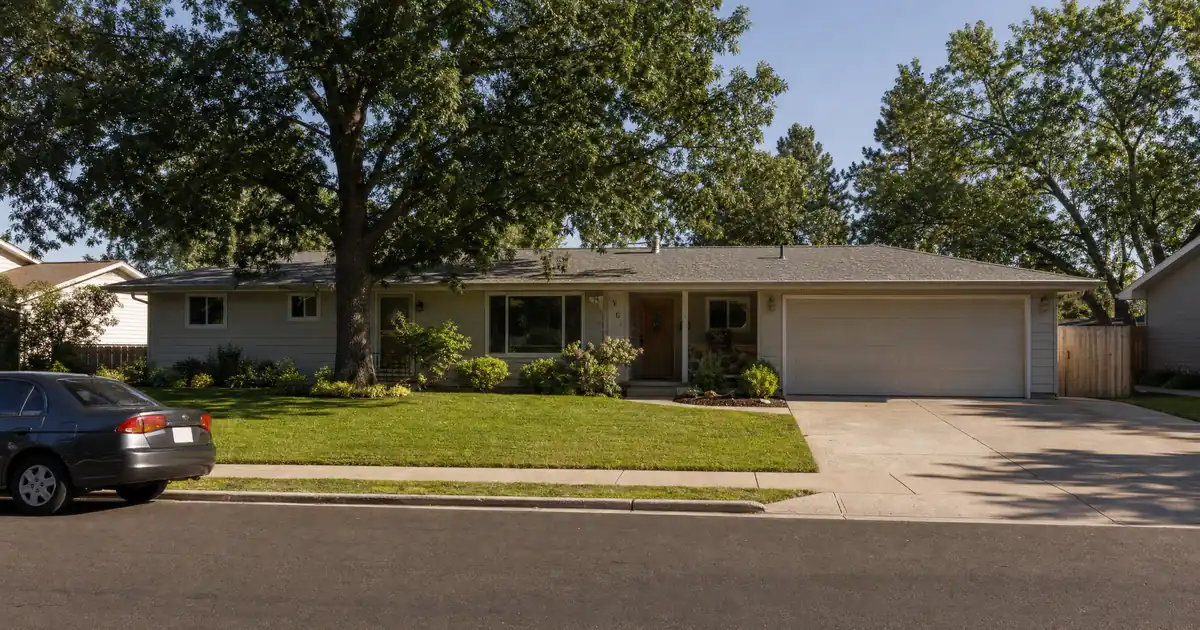
DSCR loans for properties held in a trust follow different lender rules depending on the trust type, and this article covers what borrowers need to know. Yes, a trust can hold title on a DSCR loan — most programs in the wholesale market will vest a revocable living trust with no real friction. Irrevocable trusts and land trusts are a different story: some lenders will still work with them, but expect more down, more paperwork, and a personal guarantee either way. The DSCR math itself never changes based on who — or what — holds the deed.
DSCR Calculator
Run the numbers in your market
Rate source: Freddie Mac 30-yr average via FRED® — Federal Reserve Bank of St. Louis · effective Jul 30, 2026
Prefilled with starting assumptions — enter your own rent or nightly figures, taxes, insurance, and HOA for a more accurate picture.
Program parameters update from Lendmire’s centralized guideline source. Taxes and insurance are editable estimates.
As of Jul 30, 2026 · General Freddie Mac market benchmark, not a Lendmire loan offer. Rent, nightly rate, occupancy, taxes, and insurance are editable estimates. Short-term rental figures are estimates only and vary significantly by season, property type, management approach, and local short-term-rental rules — confirm local regulations before relying on them. Qualifying income for short-term rentals varies by program — some use appraisal market rent, others use documented STR history or projections — and is confirmed in underwriting. Not a Loan Estimate, approval, or commitment to lend. Program availability and eligibility are subject to lender guidelines, credit approval, property review, and underwriting.
Key Terms Defined
DSCR (debt-service coverage ratio): the property’s monthly rent divided by its full monthly housing payment (principal, interest, taxes, insurance, and any HOA dues) — a ratio above 1.00 means the rent covers the payment.
Revocable living trust: a trust the person who created it (the grantor) can change or cancel at any time — for most lending purposes, the grantor is treated as functionally the same as an individual borrower.
Irrevocable trust: a trust that can’t be easily changed or unwound once it’s set up, often used for asset protection or estate planning — the person who funded it usually gives up direct control.
Certification of trust (or trust abstract): a short document, often just a few pages, that proves a trustee’s authority to borrow and encumber property without handing over the entire trust agreement.
Personal guarantee: a promise from an individual — usually the grantor or trustee — to personally stand behind the loan even though the trust is the named borrower.
Business-purpose loan: a loan made for investment or business reasons rather than for a home the borrower lives in — DSCR loans fall into this category, which is why they’re underwritten differently than a standard owner-occupied mortgage.
Can a Trust Actually Get a DSCR Loan?
Yes — and for revocable living trusts, it’s routine. Across the wholesale network of DSCR lenders, closing directly in the name of a revocable living trust is one of the more common closing scenarios seen on investor files, right alongside LLC vesting.
The lender still needs a warm body behind the loan. DSCR loans qualify primarily on the property’s rental income covering the payment, subject to lender guidelines — but there’s always a personal guarantee attached, whether the borrower closes as an individual, an LLC, or a trust. The trust doesn’t remove the human element. It just changes what shows up on the deed and the note.
Irrevocable trusts, land trusts, and layered structures (an LLC owned by a trust, for example) sit further out on the spectrum. Some lenders in the network won’t touch an irrevocable trust at all. Others will — but expect the file to carry more weight: higher down payment, a trustee personal guarantee, and often an attorney opinion letter confirming the trust actually has the power to borrow and encumber real property. That’s not a workaround anyone should count on being cheap or easy. It’s a heavier lift, file by file.
How DSCR Underwriting Actually Treats the Trust — Step by Step
The trust wrapper changes documentation, not math. Here’s the sequence a DSCR file typically follows when a trust is involved.
Step 1: The rent-to-payment math runs exactly the same. Whether title sits with a person, an LLC, or a trust, the lender still divides the property’s rent by its monthly payment. Most programs in Lendmire’s network start looking at 1.00 coverage as a floor for eligibility, though it’s never a universal standard, and stronger ratios open better leverage and pricing. Trust vesting doesn’t move that number up or down. It’s a title question layered on top of a cash-flow question, and the two stay separate the whole way through underwriting.
Step 2: Rental income still gets documented the standard way. For a single-unit rental, that typically means a market rent survey pulled the same way it would be for any investor file. For two-to-four-unit properties, it’s a comparable operating income analysis. This convention holds whether the borrower is an individual, an entity, or a trust — the appraisal doesn’t care who’s on the deed.
Step 3: Trust-authority paperwork replaces personal income documents. Instead of pay stubs or traditional personal-income documentation, the lender (or a settlement attorney) reviews the trust document — or more commonly, a certification of trust — to confirm the trustee actually has power to buy property, borrow against it, and sign loan documents. Full trust agreements can run 30 to 80 pages; a certification of trust condenses the relevant authority into a handful of pages without exposing the whole document. Some lenders in the network will close with the trustee signing on behalf of the trust; a few want an LLC owned by the trust instead, which shifts liability protection down a layer. Which path a given file takes depends heavily on the specific lender and the transaction size.
Step 4: Someone still signs personally. The grantor, the trustee, or sometimes a beneficiary signs a personal guarantee. That’s what lets a non-QM lender extend credit without a personal income file — the guarantee backstops the loan even though the trust holds title.
Step 5: Title insurance closes the loop. The title company has to confirm the trust is valid under state law, the trustee has authority, and the trust can legally encumber the property without exceptions on the policy. This is the step that trips up rushed files — if the trust document is ambiguous about borrowing power, expect delays while an attorney clarifies it in writing.
Where the Rules Actually Bend: Trust Type by Trust Type
Not every trust gets treated the same way, and this is where most of the confusion lives.
Revocable living trusts are the easiest case by a wide margin. The grantor retains full control, can amend or dissolve the trust at will, and is functionally treated like the borrower for underwriting purposes. Most programs across the network handle these with minimal friction — same down payment ranges, same credit tiers, same reserve expectations as an individual borrower.
Irrevocable trusts are the real fork in the road. Because the grantor has given up control, and the trustee may not be the person actually applying for the loan, lenders get more cautious. Some won’t lend to irrevocable trusts at all. Others will, but typically want more equity in the deal — commonly 30-35% down instead of the standard 20-25% — plus a trustee personal guarantee and, often, an attorney opinion letter confirming the trust’s borrowing authority. This isn’t a “no,” but it’s a heavier file with fewer lenders willing to look at it.
Land trusts deserve a specific warning, because the internet hype around them doesn’t match how due-on-sale actually works. A federal regulation under the Garn-St. Germain Act (12 C.F.R. Part 191) protects certain inter vivos trust transfers from triggering a lender’s due-on-sale clause — but the underlying regulation ties that protection to owner-occupancy, which is almost never the case for an investment property sitting in a land trust. In plain terms: moving a rental property into a land trust for privacy reasons doesn’t reliably shield it from due-on-sale exposure the way some investor forums suggest. And separately, transferring mortgaged property into an LLC — even a single-member LLC you fully control — isn’t protected by Garn-St. Germain at all, because an LLC is a distinct legal entity in the eyes of that statute. That gap matters most on refinances of property already vested in a trust or entity; it’s not a reason to avoid the structure, just a reason to know what actually protects you and what doesn’t.
Niche vehicles — QPRTs, Delaware Statutory Trusts, and similar estate-planning tools — generally don’t fit DSCR programs at all. These structures exist for specific tax or estate strategies, not for rental-property acquisition financing, and DSCR lenders in the network typically aren’t set up to underwrite them. If an investor is working with one of these, the more realistic path is usually to have an individual or standard trust acquire the property directly.
Does Vesting in a Trust Change the DSCR Math?
No. This is worth saying plainly because it’s the most common point of confusion: DSCR compares the property’s rent to its full monthly payment — nothing about that calculation shifts based on whether title sits with a person, an LLC, or a trust. A property that clears roughly 1.15x coverage clears 1.15x whether the deed says “John Smith” or “Smith Family Trust.” Vesting is a liability and estate-planning decision. Coverage is a cash-flow decision. They don’t talk to each other.
That distinction matters because DSCR, by itself, isn’t the same thing as positive cash flow in an investor’s pocket. It only measures rent against PITIA — it doesn’t account for vacancy, repairs, property management, utilities, or capital expenditures. A file that clears 1.00 is meeting a lender’s minimum coverage test, not guaranteeing the investor walks away with money left over each month.
Trust-held files run through the same leverage and credit framework as any other DSCR file. Most programs in the network land purchases at 75%-80% LTV, with a handful of high-leverage options reaching 85% for borrowers around a 700+ credit score. Cash-out refinances on property already sitting in trust generally cap around 75% LTV, with roughly six months of ownership seasoning expected before the file gets considered. Credit floors run as low as 620 in parts of the network, though most programs want something closer to 660, and the strongest leverage tiers open up north of 700. None of that changes because the borrower on the note is a trustee instead of an individual. For a deeper walkthrough of how these ranges get set, Lendmire’s DSCR loan requirements for investment properties page breaks it down further.
A Practical Example: The LLC-Under-Trust Structure
Some investors layer an LLC underneath the trust — the trust owns the LLC, and the LLC holds title to the property. Think of it as two separate jobs: the trust handles estate planning (who inherits what, and how), while the LLC handles liability shielding at the property level. A number of lenders in the network actually prefer this structure over direct trust vesting, because it’s closer to the standard LLC closings they process every day, and the personal guarantee requirement works the same way regardless.
DSCR vs. conventional financing
Two common ways to finance an investment property in this market. They qualify you differently — here’s how investors weigh them.
Why investors choose it
- Qualifies on the property’s rental income — no personal tax returns, W-2s, or pay stubs needed to document income.
- No personal debt-to-income ceiling to clear, so existing mortgages and obligations don’t cap your borrowing the same way.
- Can be closed in an LLC, keeping the property inside a business entity.
- Built for scaling — not held to the limit on number of financed properties that conventional financing applies.
- Underwriting centers on the deal: generally qualifies when the rent covers the payment, a 1.00x coverage ratio being a common baseline (confirmed in underwriting).
- Designed specifically for investment property, including long-term and, where the program allows, short-term rentals.
Where it’s strong
- Often the lowest ongoing financing cost for a buyer who fully qualifies on personal income — a fit for a first property or a cost-first purchase.
Trade-offs for investors
- Requires full personal income documentation and must fit within a debt-to-income limit — salary, existing debts, and other mortgages all count.
- Typically held in your personal name rather than a business entity.
- Caps how many financed properties you can carry, which can become a ceiling as a portfolio grows.
- Evaluates you as a borrower as much as the property, which usually means more paperwork.
How investors usually choose: a first or single property often optimizes for the lowest financing cost; portfolio builders often optimize for leverage, vesting in an LLC, and scaling past conventional caps. The right answer depends on your goals, the property, and current guidelines — both paths run through select lenders in Lendmire’s wholesale network, with eligibility and terms confirmed in underwriting.
This layered approach tends to show up most often on properties in dense rental markets where investors are managing multiple units and want both estate continuity and liability separation. For more on how entity vesting interacts with DSCR underwriting more broadly, Lendmire’s guide on DSCR loans for urban rental properties covers related ground on documentation and closing logistics.
What Happens to the Loan If the Grantor or Trustee Dies?
If the trust is drafted properly, the loan doesn’t get called due just because the grantor or trustee passes away. A successor trustee named in the trust document typically steps into the role, and — because the property never left the trust — the loan generally continues without triggering a refinance. The successor trustee will usually need to provide the servicer with a death certificate and documentation confirming their authority to act, but the underlying note stays in place.
This is one of the real advantages of trust vesting over holding property in an individual’s name: continuity. An individually-held property can trigger probate delays before an heir gets clear authority to manage or sell it. A trust-held property, with a named successor trustee, typically avoids that gap entirely.
Refinancing a Property Already Held in Trust
Refinancing works the same way as a purchase, with one added wrinkle: seasoning. Most cash-out programs in the network want to see roughly six months of ownership before considering a refinance, and lenders will generally look at how long the property has been titled — whether that’s in the trust’s name from day one or transferred in after an earlier purchase. If a property was recently moved into a trust from an individual owner, expect the lender to ask when that transfer happened and confirm it doesn’t reset the ownership clock in a way that creates a title-seasoning gap.
For investors weighing whether to pull equity out of a trust-held rental, Lendmire’s resource on pulling equity from a rental property walks through how cash-out sizing and leverage typically get evaluated across the wholesale network.
Trust vs. LLC: Which One Actually Fits?
| Factor | Trust (Revocable) | LLC | LLC-Under-Trust |
|---|---|---|---|
| Primary purpose | Estate planning, succession | Liability shielding | Both |
| DSCR lender familiarity | Common, straightforward | Very common | Growing, preferred by some |
| Personal guarantee | Required | Required | Required |
| Death/succession | Successor trustee steps in | Membership interest transfers | Successor trustee manages LLC interest |
| Typical down payment | Standard ranges (20-25%) | Standard ranges (20-25%) | Standard ranges (20-25%) |
Neither structure is inherently “better” — they solve different problems. A trust protects against probate delays and controls who inherits the property. An LLC protects the investor’s other assets if something goes wrong at the property. Combining them covers both bases, which is why the layered structure keeps showing up on more sophisticated investor files.
An investor with a handful of short-term rentals will often ask whether trust vesting changes anything on the STR side. It doesn’t, structurally — but STR files carry their own overlay regardless of vesting: typically 75% LTV on purchase, around 70% on refinance or cash-out, a 640+ credit score, roughly 12 months of hosting history, and a coverage floor around 1.00. Short-term rental rules can also vary by city, county, HOA, and property type, so investors should confirm local rules before relying on projected rental income. Lendmire’s page on DSCR loans for short-term rental properties covers that overlay in more depth.
What This Means for Your File
If the trust is revocable, treat the loan process like any other DSCR file — the trust rarely adds real friction. If it’s irrevocable, or layered with an LLC, budget extra time for the title company and possibly an attorney opinion letter, and go in expecting a bigger down payment ask. Either way, the property’s rent still has to clear the lender’s coverage threshold on its own merits; the trust just decides who’s legally holding the keys once the loan closes. For the full walkthrough of how DSCR loans work end to end, Lendmire’s complete DSCR loans guide is the place to start.
A few property types never make it onto a DSCR file no matter how the vesting is structured — manufactured homes (single- and double-wide), log homes, and barndominiums simply fall outside these programs across the network. That’s worth knowing before an investor spends time structuring a trust around a property type that won’t clear eligibility regardless.
DSCR loans are designed for non-owner-occupied investment properties. Because they are business-purpose investor loans, they are reviewed differently from a standard owner-occupied mortgage — and that business-purpose classification is part of why trusts, LLCs, and other entities can hold title in the first place. Tax treatment can depend on how the funds are used and how the property is held; investors should keep clear records and speak with a qualified tax professional before relying on any deduction.
Frequently Asked Questions
Can I get an investment property loan if the property is titled in a trust?
Yes, in most cases — revocable living trusts are one of the more common vesting types seen on DSCR files across the wholesale network. Irrevocable trusts and land trusts are harder, with fewer lenders willing to work with them and typically higher down payment requirements when they do.
How do I get an investment property loan when the property is already in a trust?
Start by confirming the trust document actually grants the trustee power to borrow and encumber property — a certification of trust usually covers this without exposing the full agreement. From there, the process runs like a standard DSCR file: property income gets documented, a personal guarantee gets signed, and title insurance confirms the trust can legally close.
How do you get an investment property loan approved faster if you’re closing in a trust’s name?
Have the trust documentation ready before the file goes to underwriting. The single biggest delay on trust-vested DSCR files is the title company waiting on clarification about trustee authority — getting a certification of trust and, if needed, an attorney opinion letter prepared upfront avoids that bottleneck.
Does the Garn-St. Germain Act protect a property in a land trust from due-on-sale?
Not reliably for an investment property. The federal regulation implementing that protection ties it to owner-occupancy, which most land-trust-held rentals don’t have — so the privacy benefits of a land trust don’t come with the due-on-sale protection many investors assume.
Does putting a property in a trust change its DSCR ratio?
No. The DSCR calculation compares the property’s rent to its monthly payment regardless of who or what holds title. Vesting affects liability and estate planning, not the underlying cash-flow math the lender uses to qualify the file.
About Lendmire
Lendmire, NMLS# 2371349, is a mortgage broker that arranges DSCR financing through select lenders in its wholesale network across 41 markets, including Washington, D.C. Investors weighing trust vesting against LLC vesting, or comparing purchase and refinance leverage, can call 828-256-2183 or request a quote to see how a specific property and trust structure would be evaluated. Scotsman Guide named Lendmire a Top Mortgage Workplace in both 2025 and 2026.
This article is not legal or tax advice. Trust structuring carries real legal and tax consequences that vary by state and by individual circumstance, and investors should consult a qualified attorney or CPA before transferring property into or out of a trust.
No statement here is a commitment to lend, and loan approval is never guaranteed. Every scenario described is subject to lender approval and depends on the borrower’s credit profile, the property, and current program guidelines, which can change. This article is general information, not financial, legal, or tax advice.
For deeper background on the mechanics discussed here, see the eCFR.
Get Started
Ready to find the right loan for you?
In about 30 seconds you can review financing options available for your investment property. No commitment required.
Informational only. Not a Loan Estimate, approval, or commitment to lend. Program availability and eligibility are subject to lender guidelines, credit approval, property review, and underwriting.
References
1. 12 C.F.R. Part 191 — Garn-St. Germain implementing regulation
2. eCFR (ecfr.gov) — Part Subpart
This article is part of Lendmire’s DSCR loan program — full qualification details, guidelines, and scenarios live on the program page.
Related reading: Can An Irrevocable Trust Hold A Jumbo DSCR Loan Across Multiple LLCs? · How A Trust-held Vacation Rental Qualifies For A DSCR Loan? · Does A Trust-held Rental Need A Personal Guaranty On A DSCR Loan?
Brandon Miller
Founder & CEO, Mortgage Loan Originator, Lendmire LLC
- Mortgage Loan Originator · NMLS# 1129696 · Verify on NMLS Consumer Access
- North Carolina Real Estate Broker · License# 343312 · Verify on NCREC
- North Carolina Insurance Producer · License# 19053198 · Property, Casualty, Life, Health · Verify on NAIC SBS
- Lendmire LLC · Firm NMLS# 2371349 · Verify firm licensure
Disclosures. The information presented in this article is general market commentary, not financial, legal, or tax advice. Lendmire is a mortgage brokerage (NMLS# 2371349) — not a direct lender or depository institution — and loan placement is subject to lender underwriting. Nothing in this content represents a commitment to lend. Loan terms, pricing, and program availability vary based on borrower qualifications, property characteristics, and state of subject property, and are subject to change at any time. Lendmire complies with Equal Housing Opportunity requirements. Consumer access: nmlsconsumeraccess.org.