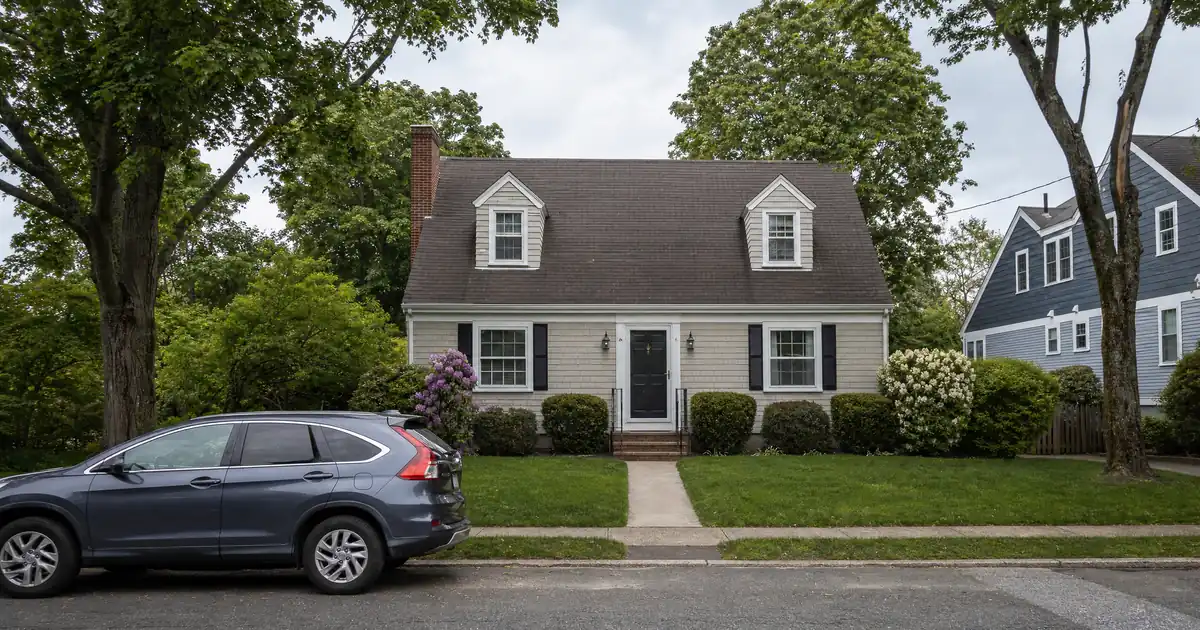
The Quick Read: Real estate investors and self-employed borrowers can apply for home equity financing without submitting traditional personal-income documentation. But “no tax return” doesn’t mean no documentation at all. Lenders still check credit, entity vesting, and property value. They just leave personal income out of the math. Primary-residence CLTV reaches up to 90% at a 720 credit profile across the network, with 85% available through the 660-719 tiers on the strongest program. On a second home or investment property, leverage tightens to a 70% ceiling, and the credit bar rises. If an investor needs to vest title in an LLC, or push leverage further on a rental, a DSCR cash-out refinance is usually the better tool.
How large a line the equity supports in your market.
An equity line is sized by combined loan-to-value, occupancy, and credit — not by rental coverage. Switch the occupancy or the credit band and the ceiling moves with it.
Investment-property lines require a 700 minimum credit score. Second-home tiers reach 640; primary-residence tiers reach 600.
A debt-to-income ratio above 45% requires 680+ credit. Profiles under 640 are limited to single-family homes. At least 75% of the approved line is drawn at closing. Ceilings, floors, and caps update from Lendmire’s centralized guideline source.
Line estimate
Illustrative estimate only — not a quote, Loan Estimate, approval, or commitment to lend. The rate is an editable assumption; equity-line pricing is variable through both the draw and repayment periods and never converts to fixed. Occupancy and credit drive the ceiling together: investment property runs to 70% combined LTV with a 700 credit floor and a $500,000 cap; a second home runs to 70% at a 640 floor with a $500,000 cap; a primary residence reaches up to 80% at a 600 floor, and its $750,000 maximum line applies only at 75% combined LTV or below with 720+ credit and a full appraisal. Lines above $500,000 require a full appraisal. Credit, debt-to-income, property type, and full underwriting review all affect the final line.
For current guidelines and terms, see Lendmire’s investment property HELOC programs page.
- No-tax-return home equity lines typically run through an automated valuation model rather than a full appraisal when the line sits at or below $500,000.
- Leverage caps shift by occupancy: up to 80% CLTV on a primary residence, up to 70% on a second home or investment property.
- Title has to sit with an individual borrower or a revocable living trust — LLCs, corporations, and irrevocable trusts cannot vest this product.
- Investors who need LLC vesting or higher leverage on a rental generally move to a DSCR cash-out refinance instead.
- A borrower can hold up to three lines, with combined exposure to $2,000,000 on the higher-leverage program ($750,000 on the longer-runway program) and a 15-financed-property limit on both.
Key Terms Defined
CLTV (combined loan-to-value): Add up every lien against a property — the home equity line plus any existing mortgage. Divide that total by the property’s value. That’s CLTV.
Business-purpose loan: This is financing for an investment or rental purpose, not for personal, family, or household use. Federal consumer-credit rules treat business-purpose loans differently than an owner-occupied mortgage.
Automated valuation model (AVM): This is a data-driven estimate of a property’s value. No licensed appraiser has to walk through the property. Lenders use it in place of a full appraisal on smaller-balance lines.
Interest-only draw period: During this phase, payments cover only the interest that has built up. No principal gets paid down. Later, the loan converts to a fully amortizing schedule.
DSCR (debt-service coverage ratio): Take a property’s rental income and divide it by its full housing payment — principal, interest, taxes, insurance, and any association dues. The result shows whether the rent covers the bill.
How a No-Tax-Return Home Equity Line Actually Works
Qualification here runs on credit, equity, and asset verification. It skips the tax-return-driven income calculation a standard owner-occupied mortgage uses. That’s the mechanical difference. A regular mortgage builds debt-to-income from W-2s and 1040s. This product doesn’t.
Credit still gets pulled and reviewed closely. Most programs in this space carry a 600 credit floor. The credit report generally can’t be more than 90 days old at closing. Underwriting also wants seasoning on the file itself. That means two tradelines seasoned at least 12 months, or one seasoned 24 months, with no rescoring allowed. Housing payment history matters too. A clean pattern is expected once credit sits at 640 or above. The 600-639 band needs a clean 12-month housing history. Borrowers in that band are generally limited to single-family primary residences only.
Property value, in most cases, doesn’t come from a walk-through appraisal. Lines from $10,000 up to $500,000 are usually valued through an automated model. A full appraisal only becomes a requirement above $500,000, though a borrower can request one at any line size. Above $500,000, the credit bar rises to a 720 minimum. The CLTV ceiling also drops to 75%, no matter the occupancy type.
Debt-to-income still exists. It’s just built differently. Rather than run household DTI off tax-return income, underwriting qualifies the borrower on the interest-only payment at the maximum available draw — the full approved line, not just the amount pulled at closing. Most files max out at a 50% DTI ceiling. The 600-679 credit band faces a tighter 45% cap. To clear anything above 45%, a borrower needs at least a 680 credit profile.
Structurally, this sits as a standalone line — first or second lien position. Two draw structures exist across the wholesale network: a 3-year interest-only draw with a 17-year repayment on the higher-leverage path, and a 5-year interest-only draw with a 25-year repayment on the longer-runway path — a quoted CLTV always carries its own structure. Tennessee shortens the runway on both network structures: a 3-year draw with a 12-year repayment on the higher-leverage program, and a 5-year draw with a 10-year repayment on the longer-runway program. Pricing floats through both phases and never converts to fixed. At closing, at least 75% of the approved line has to be drawn. Any later draw generally needs to be at least $1,000 (Texas requires $4,000 minimum). Because none of this runs through a 1040, a lender typically has no reason to file a Form 4506-C request against IRS transcripts on this product. That process only comes into play when a file’s underwriting path actually depends on verified tax-return data, which the IRS’s Income Verification Express Service outlines directly.
What Changes by Occupancy: Primary, Second Home, and Investment Property
The leverage ceiling on this product isn’t one fixed number. It moves by occupancy, and investment property carries the tightest terms of the three.
| Occupancy | Program Ceiling | Max Line Size | Min Credit Floor |
|---|---|---|---|
| Primary residence | 80% CLTV | $750,000 | 600 |
| Second home | 70% CLTV | $500,000 | 640 |
| Investment property | 70% CLTV | $500,000 | 700 |
On a primary residence, the top leverage tier reaches up to 80% CLTV on lines up to $500,000, or 75% CLTV up to $750,000. That top tier generally requires a 720 credit profile. Borrowers in the 600-699 range still qualify, just at lower CLTV ceilings. The bottom is 50% CLTV on the 600-619 tier, capped around $250,000.
Second-home borrowers looking at using home equity to purchase a second home should plan around a 640 credit floor and a 70% CLTV ceiling. Primary-residence CLTV reaches up to 90% at a 720 credit profile across the network, with 85% available through the 660-719 tiers on the strongest program.
Investment property is the tightest tier of the three. It needs a 700 minimum credit score, caps at 70% CLTV, and tops out at a $500,000 line. None of the lower-credit fallback tiers available on primary and second homes apply here. That’s a much narrower window than the broader home-equity market, since a lot of lenders don’t extend home equity products to rental property at all.
Why LLCs Can’t Hold Title on This Product
Title has to sit with an individual borrower or an inter vivos revocable living trust. That’s a hard rule. It’s also the single sharpest structural difference from DSCR financing.
LLCs, corporations, partnerships, and irrevocable, blind, or land trusts can’t vest this loan. Say an investor already holds a rental inside an LLC. That investor has two choices: move vesting back to personal ownership before closing, or look at a DSCR cash-out refinance instead. DSCR loans are typically built to accommodate entity-titled properties, subject to lender program eligibility. Both paths skip traditional personal-income documentation. But they hold title very differently. Mapping out which structure the portfolio actually needs matters before an application goes in.
Where the General Rule Breaks: State and Structural Edge Cases
The tiers above are the baseline. Several states and structural limits change the math in ways worth flagging before an investor assumes a number applies everywhere.
Texas properties face a 12-day waiting period, a one-lien-at-a-time rule, and 12-month seasoning — but only on primary residences. Texas second homes and investment properties get treated as non-homestead transactions and skip those restrictions. Texas properties are also capped at 10 acres regardless of occupancy.
Michigan sets a lower line-size floor at $10,000 instead of the standard $25,000. New Mexico and Ohio apply CLTV caps that shift with the borrower’s credit profile rather than a flat statewide number. In Indiana, North Carolina, Pennsylvania, Tennessee, Texas, and Washington, a property currently listed for sale — or listed within the past 60 days — is ineligible for this program entirely.
Property type carries hard boundaries too. Single-family homes, 2-4 unit properties (640 minimum credit), PUDs, townhomes, and condominiums — including non-warrantable condos — are all eligible. So is modular factory-built housing. Manufactured homes, co-ops, condotels, timeshares, barndominiums, log homes, commercial and mixed-use property, agricultural-zoned land, and raw land fall outside the program entirely, no matter how strong the rest of the file looks.
A portfolio-level ceiling applies too, separate from any single property. A borrower can hold up to three lines, with combined exposure to $2,000,000 on the higher-leverage program ($750,000 on the longer-runway program) and a 15-financed-property limit on both. Owning more than 15 financed properties makes a borrower ineligible for a new line — a limit that hits an investor scaling a rental portfolio harder than a homeowner tapping equity once. Foreclosure-family history now splits the network: one program seasons a foreclosure in seven years and a deed-in-lieu or short sale in four, while the higher-leverage program declines the history outright — bankruptcy seasons in four years on both.
When a DSCR Cash-Out Refinance Fits Better
Say an investor is focused on growing a rental portfolio, not tapping equity on a primary home. A DSCR cash-out refinance often solves problems this home equity product can’t touch — LLC vesting, higher rental-property leverage, and larger loan sizes among them.
DSCR loans are built for non-owner-occupied investment property. Because they’re business-purpose investor loans, they qualify mainly on whether the property’s rental income covers the payment, subject to lender guidelines — not on a borrower’s personal debt-to-income ratio. That business-purpose framing traces back to how rental financing gets classified under federal consumer-credit rules. It’s a large part of why DSCR underwriting can skip traditional personal-income documentation entirely, rather than swap one income document for another. Hunton Andrews Kurth’s analysis of the business-purpose exemption walks through how that classification works.
Mechanically, the appraiser plays a different role too. Instead of pulling personal income documents, the lender orders a rental analysis on the property itself. On a one-unit property, that’s a Single-Family Comparable Rent Schedule. On a 2-4 unit property, it’s the equivalent operating income statement, per Fannie Mae’s rental income guidance on how those forms are structured industry-wide. Take that appraised or leased rent and divide it by the full monthly housing obligation. That gives you the coverage ratio underwriting actually cares about.
On leverage, most DSCR purchase files across the wholesale network land in the 75-80% LTV range (20-25% down). Select high-leverage programs reach 85% LTV for borrowers around a 700+ credit profile. Cash-out refinances top out closer to 75% LTV, generally with around six months of seasoning expected on title. Loan sizes typically reach up to $3,000,000 on standard programs, with smaller balances available through select lenders. Above about $2,500,000, the network generally holds to 30-year fixed structures rather than the interest-only or adjustable options open to smaller loans. A 1.00 coverage ratio is where several DSCR programs start — a floor for specific programs, never a universal standard. Stronger coverage tends to open better leverage. Credit floors run as low as 620 in parts of the network, though most programs prefer something closer to 660, and a 700+ profile unlocks the strongest leverage tiers. Coverage below 1.00 is available through select lenders in the network too, though it comes paired with adjusted leverage and pricing rather than the terms a stronger-coverage file gets.
Non-QM and DSCR lending isn’t a niche corner of the market anymore, either. Bank of America Securities projects non-QM originations climbing to $175 billion in 2026, up from $108 billion, with DSCR and investor products making up roughly half of all non-QM collateral, according to HousingWire.
| Factor | No-Tax-Return Home Equity Line | DSCR Cash-Out Refinance |
|---|---|---|
| Entity vesting (LLC) | Not permitted | Available, subject to lender program eligibility |
| Investment-property leverage | Up to 70% CLTV | Up to 75% LTV |
| Loan size range | $25,000-$750,000 | Roughly up to $3,000,000 on standard programs (smaller balances available through select lenders) |
| Qualifying basis | Credit, equity, assets | Property’s rental income vs. payment |
The Application Process, Step by Step
Getting either a no-tax-return home equity line or a DSCR cash-out refinance moving follows roughly the same sequence. The underlying qualification math differs, but the steps look similar.
1. Confirm occupancy and title. Identify whether the property is a primary residence, second home, or investment property. Confirm how title is currently vested. That single fact determines which product is even available.
2. Pull credit early. A recent credit report shapes both the CLTV tier and the DTI ceiling. An early read avoids surprises later in the file.
3. Estimate value realistically. For lines at or below $500,000, expect an automated valuation model rather than a walk-through appraisal. Above that threshold, budget for a full appraisal.
4. Gather asset and reserve documentation. Down-payment and reserve funds still need to be verified, even without traditional personal-income documentation. Bank or investment statements typically cover this step.
5. Review entity documents, if applicable. For a DSCR file where the property sits in an LLC, the lender wants operating agreements and good-standing documentation. For the home equity product, title generally needs to move to an individual or revocable trust before closing.
6. Let underwriting run the math that actually applies. On the home equity line, that means the interest-only payment at the maximum draw checked against the DTI ceiling. On a DSCR file, that means rent divided by the full housing payment checked against the program’s coverage floor.
Investors weighing which path fits their situation can call Lendmire at 828-256-2183 or request a quote to walk through occupancy, credit profile, and leverage side by side before choosing a structure. Investors refinancing a rental soon after purchase should also check how seasoning affects timing on the DSCR side before assuming either product is off the table.
Tax treatment can depend on how the funds are used and how the property is held. Investors should keep clear records and speak with a qualified tax professional before relying on any deduction.
Nothing here is a commitment to lend, and loan approval is never guaranteed. Every scenario discussed here is subject to lender approval and to borrower, property, and program guidelines. This article is provided for general informational purposes and isn’t financial, legal, or tax advice.
Frequently Asked Questions
Can I really get home equity financing without submitting a tax return?
Yes, on programs built around credit, equity, and asset verification rather than a tax-return-driven income calculation. Credit still gets pulled, assets still get verified, and property value still gets established. The one thing not required is the personal tax return itself.
Does skipping traditional personal-income documentation mean skipping income verification entirely?
No. It means the qualifying figure comes from somewhere other than a 1040. On a no-tax-return home equity line, the interest-only payment at the maximum draw gets measured against a DTI ceiling. On a DSCR loan, the property’s rental income gets measured against its own housing payment. Either way, something quantifiable still has to clear the file.
Can I use this type of home equity line on a rental property I own in an LLC?
Not as-is. Title on this product has to sit with an individual borrower or a revocable living trust. LLCs, corporations, and irrevocable trusts can’t vest it. An investor with a rental titled in an LLC generally needs to either change vesting or look at a DSCR cash-out refinance instead, subject to lender program eligibility.
Why does the investment-property version of this product cap lower than the primary-residence version?
Because occupancy drives the leverage ceiling directly. Primary residences can reach up to 80% CLTV on the strongest credit tiers. Second homes and investment properties cap at 70% CLTV. Investment property alone carries a 700 minimum credit floor, instead of the lower tiers available on an owner-occupied home.
How many of these home equity lines can one investor have open at once?
A borrower can hold up to three lines, with combined exposure to $2,000,000 on the higher-leverage program ($750,000 on the longer-runway program) and a 15-financed-property limit on both. An investor who already owns more than 15 financed properties isn’t eligible for a new line under this program at all, regardless of credit profile or available equity.
About Lendmire
Lendmire arranges both product types as a mortgage broker, working through select lenders across a wholesale network. Its DSCR investor loan programs span 39 states plus Washington, D.C., 40 markets total. Its home equity product is currently placed through 16 full-service states: Alabama, California, Colorado, Florida, Georgia, Indiana, Michigan, Montana, New Mexico, North Carolina, Ohio, Pennsylvania, Tennessee, Texas, Virginia, and Washington. Lendmire (NMLS# 2371349) never funds or underwrites a loan directly. Every scenario is reviewed by the lender and subject to program guidelines and full file review. Investors comparing the two structures can start with Lendmire’s complete DSCR loans guide to see how the rental-income review framework compares to equity-based underwriting.
Lendmire is a two-time Scotsman Guide Top Mortgage Workplace (2025, 2026). This recognition is documented by Scotsman Guide 2025 Top Mortgage Workplace and Scotsman Guide 2026 Top Mortgage Workplace.
Get Started
Ready to find the right loan for you?
In about 30 seconds you can review financing options available for your home or investment property. No commitment required.
Informational only. Not a Loan Estimate, approval, or commitment to lend. Program availability and eligibility are subject to lender guidelines, credit approval, property review, and underwriting.
References
1. IRS — Income Verification Express Service (IVES) for Taxpayers
2. Hunton Andrews Kurth — Beware of “Business Purpose”
3. Fannie Mae Selling Guide — Rental Income (B3-3.8-01)
4. HousingWire — Non-QM originations set to reach $175B in 2026
Brandon Miller
Founder & CEO, Mortgage Loan Originator, Lendmire LLC
- Mortgage Loan Originator · NMLS# 1129696 · Verify on NMLS Consumer Access
- North Carolina Real Estate Broker · License# 343312 · Verify on NCREC
- North Carolina Insurance Producer · License# 19053198 · Property, Casualty, Life, Health · Verify on NAIC SBS
- Lendmire LLC · Firm NMLS# 2371349 · Verify firm licensure
Compliance and disclosures. Lendmire (NMLS# 2371349) is a licensed mortgage broker and is not a direct lender, depository institution, financial advisor, or tax professional. Content in this article is general market analysis and educational information — not financial, legal, or tax advice for any specific situation. Lendmire does not guarantee loan approval; every transaction is subject to underwriting by the funding lender. Mortgage pricing and loan program guidelines are subject to change at any time without notice and vary by borrower characteristics, property type, and state regulations. Lendmire complies with Equal Housing Opportunity. Licensure verification: NMLS Consumer Access.