
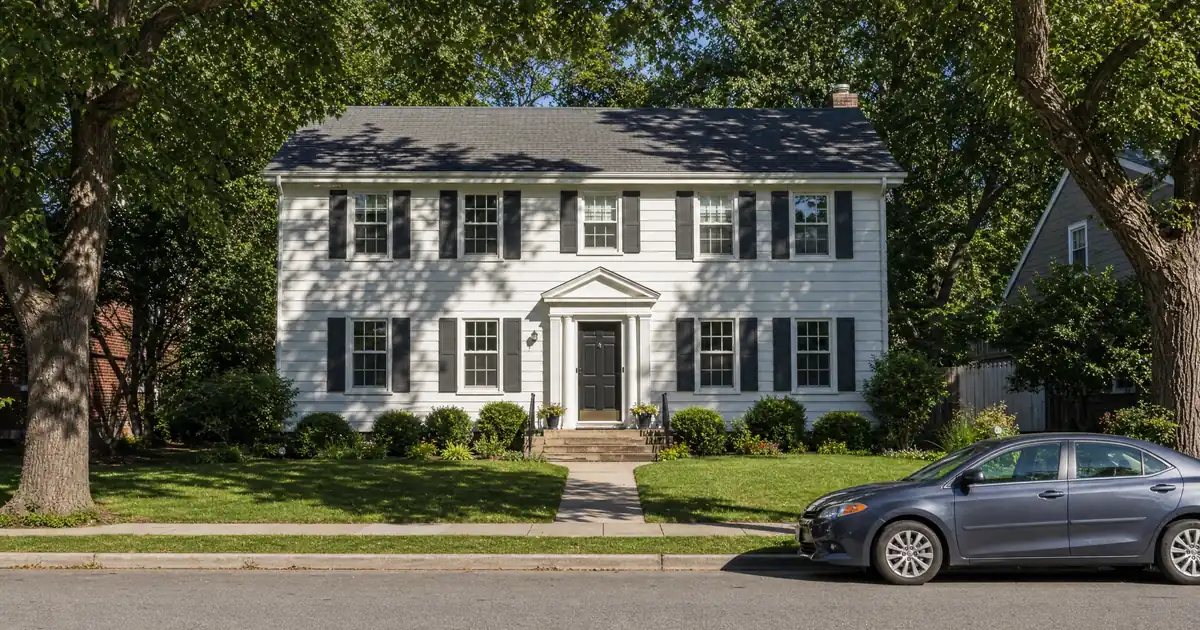
Refinance Cash Out Home Inspection Involved — The Quick Read: No — a cash-out refinance does not require a home inspection. It does require an appraisal. People mix these up constantly, because both involve someone walking through the property. An appraisal tells the lender what the home is worth. An inspection tells a buyer or owner what shape the home is in. For a cash-out refinance on a rental property, only the appraisal is mandatory. And it’s the appraisal — not an inspection — that decides how much cash comes out of the deal.
This distinction matters more than it sounds. It shapes what an investor needs to prepare before refinancing a rental. Get the appraisal right, and the equity math takes care of itself. Confuse it with an inspection, and an investor either over-prepares for something that isn’t happening, or under-prepares for the thing that actually is.
Is a Home Inspection Required for a Cash-Out Refinance?
No. A home inspection is not a standard part of a cash-out refinance file. That’s true on a conventional loan or a DSCR loan on rental property. What’s required instead is an appraisal. Lenders treat these as two separate services with two separate purposes.
An appraisal answers one question: what is this property worth right now, in the current market? An inspection answers a different question: what physical condition is the property in? Is anything broken, aging out, or in need of repair? People confuse a home appraisal and a home inspection all the time, but they do different jobs. The appraisal checks value. The inspection checks condition.
Lenders order the appraisal because they need to know the collateral is worth what they’re lending against it. They don’t order an inspection. Legally and practically, that’s not their job. It’s a service a buyer or owner arranges on their own if they want a detailed look at the property’s bones. On a refinance specifically, a refinance will not typically require a home inspection. Full stop.
This holds true whether the refinance is rate-and-term or cash-out. It also holds true whether the borrower is refinancing a primary residence or, more relevant here, an investment property through a DSCR loan. A DSCR loan qualifies primarily on the property’s rental income covering the payment, rather than the owner’s personal income documents, subject to lender guidelines. That business-purpose structure changes how the file gets reviewed. It doesn’t change the appraisal-versus-inspection split at all.
What’s the Difference Between an Appraisal and an Inspection?
An appraisal establishes value. An inspection evaluates condition. Only the appraisal is required to refinance. The appraiser is a licensed professional whose whole job is estimating market value, using comparable sales, property features, and — for rental property — market rent. The inspector is a different licensed professional. Their job is finding problems: a bad roof, a failing HVAC system, electrical issues, foundation cracks.
Both walk through the same house. Neither one replaces the other. A home inspection entails a professional inspector visiting the house and thoroughly evaluating its condition. That means checking for damage, hazards, or anything needing repair. The appraiser isn’t trained or scoped to do that same forensic condition review. They’ll note obvious issues along the way, but that’s as far as it goes.
| Factor | Home Appraisal | Home Inspection |
|---|---|---|
| Purpose | Estimates market value | Evaluates physical condition |
| Required for cash-out refi? | Yes | No |
| Who orders it | Lender (via appraisal management) | Buyer or owner, independently |
| What it produces | Value opinion + condition rating | Detailed room-by-room defect report |
| Feeds DSCR math? | Yes, via rent exhibit | No |
Why Does a Cash-Out Refinance Need an Appraisal at All?
Because the appraisal sets the value. That value determines how much equity actually exists to pull out. Cash-out refinancing works by borrowing against the gap between what the property is worth and what’s currently owed. Without a current, professional value opinion, there’s no reliable way to calculate that gap.
Across the wholesale network Lendmire works with, cash-out refinances on investment property generally top out around 75% loan-to-value. Most lenders also want roughly six months of ownership seasoning before they’ll consider a cash-out request. Both numbers are anchored to the appraised value. They are not anchored to what an owner believes the property is worth, and not to the original purchase price if the market has moved since then.
Say an investor bought a rental years back, and the neighborhood has appreciated since. The only way that appreciation becomes usable equity is through a fresh appraisal. No appraisal means no updated value, which means no larger loan amount to draw against. This is also why appraisal waivers — common on some agency refinances — rarely show up on cash-out transactions in general. On DSCR cash-out files specifically, they’re essentially never used. The lender needs an independent number. Equity extraction is exactly the scenario where an independent number matters most.
How Does the Appraisal Feed Into the DSCR Number?
The appraiser doesn’t just set value. On an investment property, the appraiser also documents market rent. That rent figure becomes the numerator in the DSCR calculation. The industry-standard form for this job is the Single-Family Comparable Rent Schedule, Form 1007. It lets the appraiser estimate monthly market rent for a one-unit investment property alongside the value opinion.
That rent schedule format was built for the agency world. But lenders borrow it industry-wide — even on non-QM and DSCR loans that will never be sold to Fannie Mae or Freddie Mac. The appraisal produces the rent number. That rent number gets divided by the monthly debt obligation — principal, interest, taxes, insurance, and any HOA dues — to produce the debt-service-coverage ratio, or DSCR. It’s a straightforward formula: rent divided by the full monthly obligation.
Clearing 1.00 on that ratio means the rent covers the payment dollar-for-dollar. It does not mean the property is cash-flow positive in the everyday sense. Repairs, vacancy stretches, property management fees, utilities, and capital expenses all sit outside that calculation. A property clearing 1.00 can still lose money in a rough month. Investors sometimes treat “the DSCR clears” and “the deal is profitable” as the same claim. They aren’t.
Across the wholesale network, 1.00 is where select programs start. It’s a floor for specific programs, never a universal standard. Stronger ratios generally open up better leverage and pricing tiers. Credit matters here too. A 620 floor shows up on parts of the network. Most programs want something closer to 660. A 700-plus score tends to unlock the strongest leverage available. None of that changes what the DSCR math is built from. The numerator comes from the appraiser’s rent exhibit or a signed lease. The denominator comes from the actual monthly obligation. It isn’t a number the borrower supplies on their own.
Can Property Condition Still Affect the Appraisal Without a Formal Inspection?
Yes — and this is the part most explanations skip. No separate inspection happens. But the appraiser is still walking the property. They do note visible condition problems. Those notes can affect value or trigger conditions on the loan.
As part of the appraisal, the appraiser assigns a standardized condition rating from C1 to C6. This comes from the industry’s Uniform Appraisal Dataset framework. Properties rated C1 through C5 are generally eligible, while a C6 rating flags deficiencies affecting safety, soundness, or structural integrity. A C6 finding typically forces the appraisal to be completed “subject to” repairs, with a target resulting rating no worse than C5.
Some specific triggers matter too. If an appraiser spots evidence of pest infestation, dampness, or abnormal settlement, the guide requires them to comment on how it affects value and marketability. The lender then needs either proof the issue was fixed, or a professional inspection report confirming there’s no structural threat. That’s the actual mechanism by which a targeted inspection can enter a refinance file. An appraiser flags something specific — it’s not a blanket requirement applied to every file.
In practice, this means an older rental with deferred maintenance — an aging roof, visible water staining, foundation movement — can still see its appraised value pulled down. Or the file might get conditioned on repairs. This can happen even though nobody ordered a formal inspection. The appraiser’s eyes are doing informal condition screening whether the investor plans for it or not.
What Should an Investor Do Before Ordering the Appraisal?
Walk the property first, and fix what’s obviously visible. That’s the single highest-leverage move before a cash-out appraisal. No formal inspection is coming. So the appraiser’s informal condition read is the only professional look at the property most lenders will get. It’s worth making sure that look is a good one.
A few things worth doing beforehand: clear obvious deferred maintenance, like peeling paint, visible leaks, or broken fixtures. Make sure any known pest issues are already resolved, with documentation in hand. Confirm smoke detectors, handrails, and other basic safety items are in place. None of this guarantees a higher value — the appraiser is still mainly comparing sales, not grading a punch list. But it removes the kind of red flag that can knock a rating down to C5 or C6 territory and complicate the file.
Some investors with older buy-and-hold assets want an independent read on roof life, HVAC condition, plumbing, or electrical systems — separate from what the appraisal will or won’t catch. That has to be arranged voluntarily. It isn’t something the refinance process will surface unless the appraiser happens to flag it. Anyone planning to hold a property long-term, or planning to sell shortly after pulling cash out, may find that voluntary inspection worth the cost for their own planning — even though no lender is requiring it.
Does This Work the Same Way for Government-Backed Loans?
Not exactly. FHA, VA, and USDA loans layer on property-specific checks that conventional and DSCR cash-out refinances don’t carry. Most DSCR investors won’t run into this at all, since these are business-purpose loans on non-owner-occupied property. Still worth knowing, because the confusion often starts here.
The VA does not require a general home inspection, only an appraisal. But that VA appraisal checks the property against minimum property requirements focused on safety, structural soundness, and sanitation. That’s a narrower lane than a full inspection. Pest inspections get required in certain states when the VA appraiser flags a potential issue, and on condo units generally. Termite inspections show up similarly on FHA and USDA loans when there’s visible evidence of damage or an appraiser concern. Some USDA-approved lenders require them by default in termite-prone regions, regardless of visible signs.
None of this touches DSCR cash-out refinancing on rental property. These government programs focus on owner-occupants. It’s worth flagging only because it’s where a lot of “my refinance needs an inspection” confusion starts. Someone heard about a VA pest-inspection rule and assumed it applied to every refinance.
What About Short-Term Rental Properties?
The standard rent form doesn’t work for short-term rentals. That creates a real edge case in DSCR files specifically. Form 1007 was designed solely for estimating long-term monthly market rent. It assumes stable occupancy driven by the real estate itself — not by nightly pricing, seasonal swings, event-driven demand, marketing, reviews, cleaning costs, or local short-term rental rules.
Even in non-QM and private lending channels, where the loan never touches an agency, the purpose of an appraisal form remains unchanged. Appraisers asked to force short-term income into a 1007 are generally told to decline the assignment, since it would produce a misleading number. The accepted workaround is a separate narrative addendum — often called a short-term rental income analysis. This lets the appraiser build rent using short-term-specific data, instead of forcing the wrong form to do the wrong job.
Short-term rental rules can also vary by city, county, HOA, and property type. Investors should confirm local rules before relying on projected rental income at all. On the financing side, across the network, short-term rental purchases generally run up to 75% loan-to-value. Refinances and cash-out sit closer to 70%. Lenders typically want a 640-plus credit score, roughly twelve months of hosting history, and a 1.00 coverage floor. None of that changes the appraisal-versus-inspection answer. It just changes which appraisal exhibit gets used.
Key Terms Defined
Appraisal — a licensed professional’s opinion of what a property is worth in the current market, required for a cash-out refinance.
Home inspection — a separate, optional evaluation of a property’s physical condition, arranged independently and not required by lenders for a refinance.
DSCR (debt-service-coverage ratio) — a comparison of the property’s rent against its full monthly obligation (principal, interest, taxes, insurance, HOA), used to qualify the loan on property income rather than personal income.
LTV (loan-to-value) — the loan amount expressed as a percentage of the appraised value; on cash-out refinances in Lendmire’s network, this generally caps around 75%.
Seasoning — the minimum length of time a lender wants an owner to have held title before allowing a cash-out refinance, commonly around six months.
Condition rating (C1–C6) — a standardized scale appraisers use to describe a property’s physical condition, where C6 can force repairs before the loan proceeds.
Investors weighing whether a rental’s equity is worth pulling now often ask this exact appraisal question first. It’s the gating item before any DSCR math gets built. Lendmire (NMLS# 2371349) is a mortgage broker that arranges DSCR investment-property financing through select lenders in its wholesale network, covering 40 markets including Washington, D.C. The complete DSCR loans guide walks through how the property-income qualification model works from start to finish.
Some investors are weighing a cash-out refinance against other ways to reach equity — like using proceeds toward a downpayment on a second home, or pulling cash from a property owned outright. The appraisal is the common thread across every version of that transaction. It’s also the step that decides whether a newly built multifamily property has enough documented value and rent to support a refinance yet.
Loan sizes across the network generally run up to $3,000,000 on standard programs. Smaller balances get routed through select lenders equipped to handle them. Reserve requirements vary by lender, leverage, and loan size, commonly landing around six months of the full monthly obligation. Some conservative lower-leverage files under $1,500,000 see reserves waived. Files above that size typically step up toward nine months. A larger down payment lowers the monthly obligation and can lift the DSCR. But it never overrides a leverage cap, a credit floor, a reserve requirement, or property eligibility. The strongest files clear both the equity test and the rental-coverage test together.
Tax treatment on refinance proceeds can depend on how the funds are used and how the property is held. Investors should keep clear records and speak with a qualified tax professional before relying on any deduction.
Loan approval is never guaranteed, and nothing here is a commitment to lend. Every scenario described here is subject to lender approval and to borrower, property, and program guidelines, which can change. This article is general information, not financial, legal, or tax advice.
Frequently Asked Questions
Does a DSCR cash-out refinance require a home inspection?
No. A DSCR cash-out refinance requires an appraisal, not an inspection. The appraisal establishes value and, for rental property, documents market rent. An inspection is a separate service an owner can arrange independently if they want a detailed condition report. No lender in the network requires one as a condition of the loan.
What happens if the appraiser notices a condition problem during a cash-out refinance?
The appraiser can note it and, depending on severity, assign a condition rating that affects eligibility or requires repairs before the loan proceeds. Minor cosmetic issues typically don’t change much. More serious findings — structural concerns, active pest damage, safety hazards — can push the file toward a “subject to repair” condition, or a request for a third-party inspection report confirming the issue is resolved.
Can I use my own rent estimate instead of the appraiser’s rent figure for DSCR?
Generally no. DSCR lender review runs on the appraiser’s documented market rent exhibit or a signed lease, not a figure the borrower supplies on their own, subject to lender guidelines. This keeps the coverage ratio grounded in an independently verified number, rather than a borrower’s optimistic estimate.
Does a short-term rental property need a different kind of appraisal for a cash-out refinance?
Yes, typically. The standard long-term rent form isn’t built to handle nightly-rate income. Appraisers working on short-term rental files generally use a separate narrative income analysis instead. This doesn’t add a home inspection requirement. It just changes which appraisal exhibit produces the rent figure used in the DSCR calculation.
How much cash can I actually pull out with a DSCR cash-out refinance?
It depends on the appraised value, the rent used for lender review, the required reserves, and the network’s 75% loan-to-value ceiling on cash-out transactions. There’s no fixed dollar figure without those inputs. A property with strong appraised value and rent that comfortably clears 1.00 coverage generally has more room to work with than one that’s borderline on either measure.
If comparing a rental’s refinance math against other property-level options is next on the list, the investment property refinance resource and Lendmire’s team at 828-256-2183 are both a reasonable next stop. Lendmire can help compare DSCR loan options based on the property’s income, credit profile, available leverage, and where the investor wants to end up.
For how equity extraction works on an investment property, see cash-out refinance on an investment property.
About Lendmire
Lendmire — NMLS# 2371349 — is a DSCR and non-QM mortgage brokerage with investor loan programs in 40 markets, including Washington, D.C. DSCR eligibility is commonly reviewed by the lender around property-level rent rather than personal income documentation, subject to lender guidelines. The brokerage helps arrange financing for LLC-owned portfolios beyond conventional financed-property limits. Recognized by Scotsman Guide as a Top Mortgage Workplace in 2025 and 2026.
Lendmire’s Top Mortgage Workplace recognition is documented by Scotsman Guide 2025 Top Mortgage Workplace and Scotsman Guide 2026 Top Mortgage Workplace.
Get Started
Ready to find the right loan for you?
In about 30 seconds you can review financing options available for your home or investment property. No commitment required.
Informational only. Not a Loan Estimate, approval, or commitment to lend. Program availability and eligibility are subject to lender guidelines, credit approval, property review, and underwriting.
References
1. Kairos Appraisal — Home Appraisal vs. Home Inspection
2. Fannie Mae Selling Guide — B4-1.2-01 Appraisal Report Forms and Exhibits
3. Fannie Mae Selling Guide — B4-1.3-06 Property Condition/Quality Ratings
4. Specter Service — FHA, VA & USDA Termite Inspection Requirements
5. McKissock Learning — Form 1007 & Its Impact on Short-Term Rental Appraisals
6. Class Valuation — Understanding the 1007 Appraisal and Short-Term Rentals
Brandon Miller
Founder & CEO, Mortgage Loan Originator, Lendmire LLC
- Mortgage Loan Originator · NMLS# 1129696 · Verify on NMLS Consumer Access
- North Carolina Real Estate Broker · License# 343312 · Verify on NCREC
- North Carolina Insurance Producer · License# 19053198 · Property, Casualty, Life, Health · Verify on NAIC SBS
- Lendmire LLC · Firm NMLS# 2371349 · Verify firm licensure
Disclosure information. Lendmire is a state-licensed mortgage brokerage under NMLS# 2371349. Lendmire is not a depository institution, direct lender, or financial advisor — all loans referenced are placed through wholesale lender partners and are subject to each lender's underwriting standards. This article is provided for general informational purposes and is not a commitment to lend, nor does it constitute financial, legal, or tax advice. Loan programs, terms, rates, and qualification standards change without notice and depend on borrower profile, property type, and the state in which the subject property is located. Equal Housing Opportunity provider. NMLS Consumer Access: nmlsconsumeraccess.org.


