
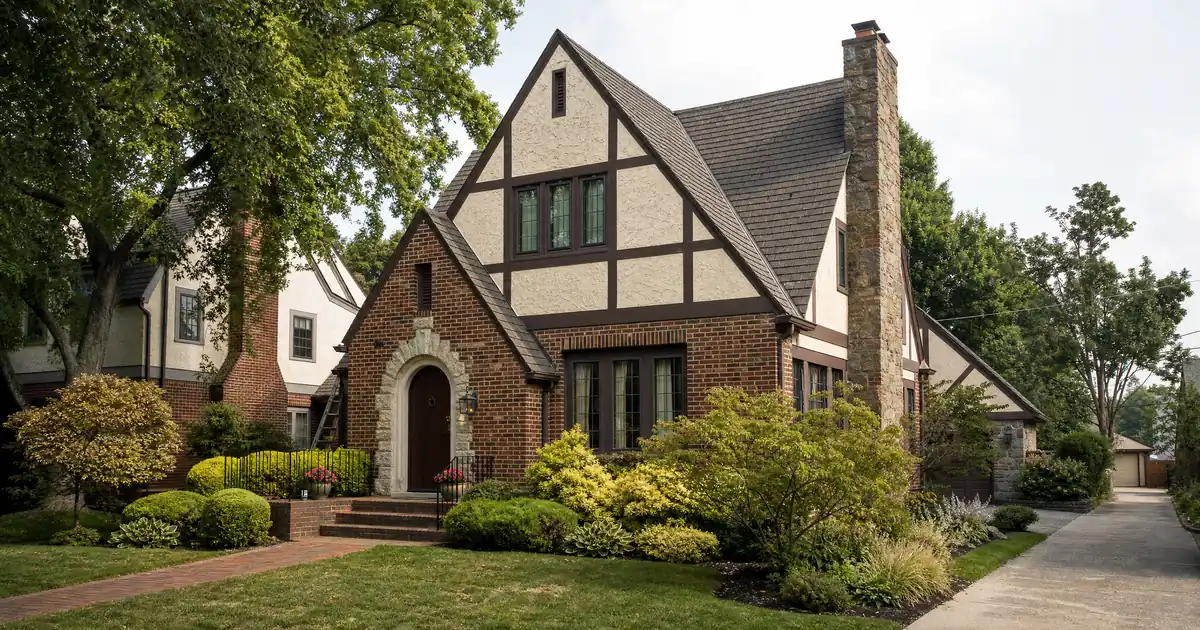
Home Equity Loan to Purchase Second Home — The Quick Read: Yes, you can use home equity to buy another property. But two separate loans do two separate jobs. The equity line against the property you already own is one file, with its own leverage cap. The loan on the new property is a different file. It gets priced and qualified on its own terms. Through Lendmire’s wholesale network, equity lines against second-home or investment-property collateral top out at 70% combined loan-to-value (CLTV). The program ceiling is $500,000. The loan on the new property depends on one thing: is it a true personal-use second home, or is it a rental?
Key Takeaways
- Home equity proceeds can legally fund a down payment or a full purchase on another property — the two loans are underwritten independently. – “Second home” is a defined occupancy category in lending, not a synonym for “another house.” A rental purchased with equity money usually belongs in the DSCR lane, not the second-home lane.
- Equity lines against second-home or investment collateral cap at 70% CLTV through Lendmire’s network, with a $500,000 program maximum regardless of the property’s value.
- Reserves get double-counted if the same account is claimed as both loan security and post-closing liquidity — lenders back that amount out.
- Title vesting rules differ sharply between the equity line and a rental acquisition loan; an LLC can’t hold the equity line but can often hold the new rental loan.
Key Terms Defined
Home equity loan / equity line: This means borrowing against the gap between what a property is worth and what’s owed on it. The property secures the loan as a second lien. Sometimes it’s a first lien, if there’s no existing mortgage.
How large a line the equity supports in your market.
An equity line is sized by combined loan-to-value, occupancy, and credit — not by rental coverage. Switch the occupancy or the credit band and the ceiling moves with it.
Investment-property lines require a 700 minimum credit score. Second-home tiers reach 640; primary-residence tiers reach 600.
A debt-to-income ratio above 45% requires 680+ credit. Profiles under 640 are limited to single-family homes. At least 75% of the approved line is drawn at closing. Ceilings, floors, and caps update from Lendmire’s centralized guideline source.
Line estimate
Illustrative estimate only — not a quote, Loan Estimate, approval, or commitment to lend. The rate is an editable assumption; equity-line pricing is variable through both the draw and repayment periods and never converts to fixed. Occupancy and credit drive the ceiling together: investment property runs to 70% combined LTV with a 700 credit floor and a $500,000 cap; a second home runs to 70% at a 640 floor with a $500,000 cap; a primary residence reaches up to 80% at a 600 floor, and its $750,000 maximum line applies only at 75% combined LTV or below with 720+ credit and a full appraisal. Lines above $500,000 require a full appraisal. Credit, debt-to-income, property type, and full underwriting review all affect the final line.
HELOC-style structure: A revolving line during a draw period. Then a fixed amortizing repayment period follows. This differs from a traditional closed-end home equity loan, which pays out one lump sum on day one.
CLTV (combined loan-to-value): Add up all liens against a property. Divide that total by the property’s value. Lenders cap this number when sizing an equity line.
DSCR (debt-service coverage ratio): This compares a rental property’s monthly rent to its full housing payment. That payment includes principal, interest, taxes, insurance, and HOA dues where they apply. This metric qualifies the new property when it’s a rental.
Second home (occupancy classification): This is a property the borrower personally uses part of the year. It’s not a rental. Lenders treat it as a separate category from “investment property,” even though people use “second home” loosely for both in everyday talk.
How Does the Money Actually Move?
The steps happen in a fixed order. First, qualify the equity line against the existing property. Next, draw the funds and let them season. Then document where the money came from. Finally, qualify the new property on its own terms.
1. Check the collateral property’s tier. The property you already own — the one securing the equity line — gets evaluated by occupancy and credit profile. On second-home collateral, Lendmire’s network runs tiered CLTV caps. A 720+ or 700+ credit profile reaches 70% CLTV. A 680 profile caps at 65%. A 660 or 640 profile caps at 60%. The minimum credit score across this tier is 640. No matter the score, the program ceiling stays at 70% CLTV with a $500,000 maximum line size. If the collateral property is itself a rental instead of a second home, that same 70% ceiling applies. But the minimum credit profile usually steps up to 700.
2. Draw and let the funds season. Most non-QM and DSCR lenders want borrowed equity to look settled. They don’t want it to look like a live obligation drawn the same week you submit the new file. A HELOC draw deposited into a checking account well ahead of the new application usually clears review. Funds pulled the day before closing invite questions.
3. Document the source. Expect to produce equity-line statements and a plain paper trail. That means the draw date, the deposit, and the landing account. This applies no matter which lender ends up financing the new property.
4. Qualify the new property on its own economics. If the target property is a rental, the new loan gets sized against that property’s rent — not your personal income. If it’s a genuine second home for personal use, the new loan runs on standard income and debt-to-income underwriting instead. That’s a different product entirely.
5. Close two liens, two risk profiles. The equity line stays attached to the original property. The new loan attaches to the new property. Neither one covers a shortfall on the other.
Equity Loan, HELOC, Cash-Out Refi, or a New DSCR Loan — Which One Fits?
| Access Method | Disbursement | Structure | Best Fit | Limit in Lendmire’s Network |
|---|---|---|---|---|
| Traditional home equity loan | Lump sum at closing | Closed-end, fixed schedule | One-time known capital need | Not the network’s standalone product |
| HELOC-style equity line | Draw as needed; at least 75% drawn at closing | 5-year interest-only draw, then 25-year amortizing repayment (Tennessee: 5-year draw, 10-year repayment) | Flexible access without refinancing the first mortgage | 70% CLTV ceiling on second-home/investment collateral, $500,000 max line |
| Cash-out refinance | Lump sum, replaces the existing first mortgage | Resets the whole loan | Investors willing to give up their existing note | Not part of this equity-line product |
| DSCR purchase loan (on the new property) | Full acquisition financing | Sized to the target property’s rent | Financing the actual purchase once equity funds a portion of the down payment | Typically 70-80% LTV, select programs higher |
This line structure is worth a closer look. Most people picture a “home equity loan” as a lump sum with fixed payments. But what Lendmire’s network actually places on the equity-access side is a line. It revolves during the draw years, then converts to a fixed amortization schedule. There’s no fixed-rate conversion built in. Pricing floats through both the draw period and the repayment period.
Where the General Rule Breaks
The general rule sounds simple: pull equity, use it as a down payment elsewhere. It holds up fine — until it runs into occupancy classification, title vesting, or property type. Here are five places this breaks down in practice.
“Second home” isn’t a catch-all for “another property.” In lending, second home means personal, part-time occupancy. A rental bought with equity proceeds belongs in the investment-property lane instead. DSCR loans are built for exactly that lane. They finance tenant-occupied property, not vacation homes or a personal second residence.
Title vesting mismatches between the two loans. The equity line itself can only be held by an individual borrower or an inter vivos revocable living trust. LLCs, corporations, partnerships, and irrevocable trusts can’t hold title on that lien. The acquisition loan on the new rental works differently. It can often close to an LLC, subject to lender program eligibility, since that’s standard on the DSCR side. If a property is already deeded to an LLC, you’ll need a vesting change or a straight DSCR cash-out instead of this equity-line structure.
Reserves get double-counted. Suppose the same brokerage or savings account is pledged as security for the equity line and also claimed as post-closing reserves on the new loan. The lender backs the drawn amount out of that account before counting it as liquidity. Treating a home equity line as “free,” always-available cash that also satisfies reserve requirements is the single most common mistake on these files. Exact terms depend on the lender’s guidelines, property type, leverage, and a full review of your file.
Sub-640 credit is restricted, and only on primary collateral. Second-home collateral floors at 640, and investment-property collateral generally runs 700+. That means a credit profile below 640 is limited to a primary residence securing the line. It must be single-family only, with a clean 12-month payment history.
Property type and state overlays. Manufactured homes, log homes, and barndominiums aren’t offered on either side of this transaction — not the equity line, not the DSCR acquisition loan. New Mexico and Ohio scale their CLTV cap to the credit profile. Indiana, North Carolina, Pennsylvania, Tennessee, Texas, and Washington won’t finance a property currently listed for sale, or one listed within the prior 60 days. Texas treats second homes and investment properties as non-homestead transactions. That sidesteps the 12-day waiting period and one-lien-at-a-time rule that bind Texas primary residences.
One more note matters here: DSCR loans are designed for non-owner-occupied investment properties. Because they’re business-purpose investor loans, lenders review them differently than a standard owner-occupied mortgage. That’s exactly why the “second home vs. rental” distinction upstream decides which loan the new property even qualifies for.
What Does the Acquisition Loan Actually Look Like?
If the new property is a rental, Lendmire’s network typically finances 75%-80% LTV on purchase. Select high-leverage programs reach 85% for credit profiles around 700 or better. Coverage in the low-1.2x range — the property’s projected rent against its full housing payment — tends to open the stronger pricing and leverage tiers. A property landing right at a 1.00x floor still gets reviewed. That floor is the starting point on select programs, not a universal standard, but files at that level usually see tighter leverage. Credit floors run as low as 620 in parts of the network, though most programs prefer 660, and 700+ unlocks the top leverage. Loan sizes generally reach up to $3,000,000 on standard programs, with smaller balances available through select lenders. Anything above $2.5 million usually settles into a 30-year fixed structure rather than an adjustable one. Reserve requirements vary by leverage and loan size. Most files land around six months of PITIA. Some conservative, lower-leverage rate-term files under $1.5 million skip this requirement. Files above that threshold typically step up toward nine months.
If your intent shifts toward short-term rental income instead of a long-term lease, that changes the program lane again. STR-focused DSCR purchases through the network generally run to 75% LTV. Expect roughly 640+ credit and about 12 months of hosting history. These programs hold to a 1.00x coverage floor. A property bought as a quiet personal vacation home, and only later listed on a booking platform, doesn’t retroactively convert into a DSCR file. The loan has to be structured for that use from the start.
Lendmire arranges DSCR investor loans across 39 states plus Washington, D.C. But the equity-line product used to fund the down payment side of this transaction is only available through Lendmire’s 16 full-service states (Alabama, California, Colorado, Florida, Georgia, Indiana, Michigan, Montana, New Mexico, North Carolina, Ohio, Pennsylvania, Tennessee, Texas, Virginia, and Washington). Lendmire, NMLS# 2371349, works as a broker placing both sides of this transaction through select lenders in its wholesale network. It doesn’t fund, underwrite, or approve either loan directly.
Running the Numbers on a Real Structure
Picture an investor holding a $600,000 vacation home with $250,000 remaining on its mortgage. That’s a current LTV near 42%. At a 700+ credit profile, the network’s second-home tier tops out at 70% CLTV. But the $500,000 program ceiling caps the line before the CLTV math even becomes the limiting factor on a property this size. Drawn funds land in the borrower’s account and season before showing up as sourced funds on a new purchase. Every figure here varies by lender and program. Guidelines, property type, leverage, and credit profile all apply.
Now say that same investor puts those proceeds toward a down payment on a small rental. If the rental prices out with rent covering roughly 1.2x its full monthly obligation at 75%-80% LTV, that file sits in a comfortable spot for standard DSCR pricing tiers. A file that only clears 1.0x still gets reviewed on select programs, just without the same leverage flexibility. Both loans get underwritten completely separately. The equity line doesn’t disappear just because the new rental cash flows well. And strong rental coverage on the new property doesn’t loosen the equity line’s own CLTV cap. Final terms depend on lender guidelines, property type, leverage, and your complete credit picture.
For investors weighing whether to draw equity from a property already owned versus refinancing the new purchase directly, using home equity to purchase a second home and a HELOC to purchase a second home both walk through the sequencing in more depth. Investors who already hold a rental and want to know who arranges equity access against that specific property type should look at who does home equity loans on investment property.
Nationally, this pattern isn’t a fringe move. Among repeat buyers, 54% used proceeds from the sale of a previous home to finance their next purchase, according to the National Association of Realtors. For owners who aren’t selling, tapping existing equity through a line does the same job without giving up the property.
For a fuller breakdown of how the rent-to-payment math works on the acquisition side, Lendmire’s complete DSCR loans guide covers qualification mechanics in more detail. Investors pulling equity specifically from an existing rental, rather than a second home, should review pulling equity from a rental property for that variation.
Tax treatment can depend on how you use the borrowed funds and how the property is held. Keep clear records and speak with a qualified tax professional before relying on any deduction.
No loan outcome described here is guaranteed. Every scenario is subject to lender approval and to borrower, property, and program guidelines that can change. Nothing here is a commitment to lend. Read it as general information, not financial, legal, or tax advice.
For deeper background on the mechanics discussed here, see IRS – Real estate FAQ (page 3).
Frequently Asked Questions
Can a home equity loan cover the entire purchase price of a second home, or just the down payment?
Either is possible in theory. But the $500,000 program ceiling on second-home and investment-collateral lines through Lendmire’s network usually means the line covers a down payment and closing costs. It won’t cover a full cash purchase on anything but a lower-priced property. Larger purchases typically pair the equity draw with a separate acquisition loan on the new property.
Does drawing a HELOC against my existing home hurt my ability to qualify for the new property’s loan?
On a DSCR file, the new loan gets sized against the target property’s rent, not your personal debt-to-income. So an existing HELOC payment isn’t the deciding factor the way it would be on a conventional mortgage. It still shows up in the credit file and reserve calculation — it just isn’t invisible, only not the qualifying metric.
Is buying a rental with home equity money the same, financing-wise, as buying a true second home?
No. A true second home is personal, part-time-occupancy housing. It typically qualifies through standard income-based underwriting on the new loan. A rental purchased with the same equity dollars usually moves into the DSCR lane instead. It qualifies primarily on the property’s rental income covering the payment, subject to lender guidelines.
Can an LLC hold title on the property I’m pulling equity from?
Not on the equity line itself — that lien requires individual or revocable-living-trust vesting. The acquisition loan on the new rental is a different story. It can often close in an LLC’s name, subject to lender program eligibility. That’s one of the sharpest structural differences between the two loans in this same transaction.
What happens if my equity line and the new rental’s reserves overlap on the same account?
The lender reduces that account’s counted value by the amount pledged to the equity line before applying it toward reserves on the new loan. The two obligations can’t both draw full credit from the same dollars.
For current guidelines and terms, see Lendmire’s investment-property HELOC programs page.
About Lendmire
Lendmire (NMLS# 2371349) is a DSCR-focused mortgage broker. It places investor financing across 40 markets — 39 states plus Washington, D.C. Lenders generally review DSCR eligibility based on property cash flow instead of tax returns, subject to lender guidelines. Scotsman Guide named Lendmire a Top Mortgage Workplace in 2025 and 2026.
Lendmire’s Top Mortgage Workplace recognition is documented by Scotsman Guide 2025 Top Mortgage Workplace and Scotsman Guide 2026 Top Mortgage Workplace.
Get Started
Ready to find the right loan for you?
In about 30 seconds you can review financing options available for your home or investment property. No commitment required.
Informational only. Not a Loan Estimate, approval, or commitment to lend. Program availability and eligibility are subject to lender guidelines, credit approval, property review, and underwriting.
References
1. National Association of Realtors — 2025 Profile of Home Buyers and Sellers
2. IRS – Real estate FAQ (page 3)
Brandon Miller
Founder & CEO, Mortgage Loan Originator, Lendmire LLC
- Mortgage Loan Originator · NMLS# 1129696 · Verify on NMLS Consumer Access
- North Carolina Real Estate Broker · License# 343312 · Verify on NCREC
- North Carolina Insurance Producer · License# 19053198 · Property, Casualty, Life, Health · Verify on NAIC SBS
- Lendmire LLC · Firm NMLS# 2371349 · Verify firm licensure
Important disclosures. Lendmire (NMLS# 2371349) is a licensed mortgage brokerage. Lendmire is not a direct lender, depository institution, or financial advisor. All loan inquiries are subject to lender underwriting; this article does not constitute a commitment to lend. Rates, terms, and program guidelines are subject to change without notice and vary by borrower profile, property type, and state. Information in this article is general in nature and is not financial, legal, or tax advice. Equal Housing Opportunity. NMLS Consumer Access: nmlsconsumeraccess.org.


