
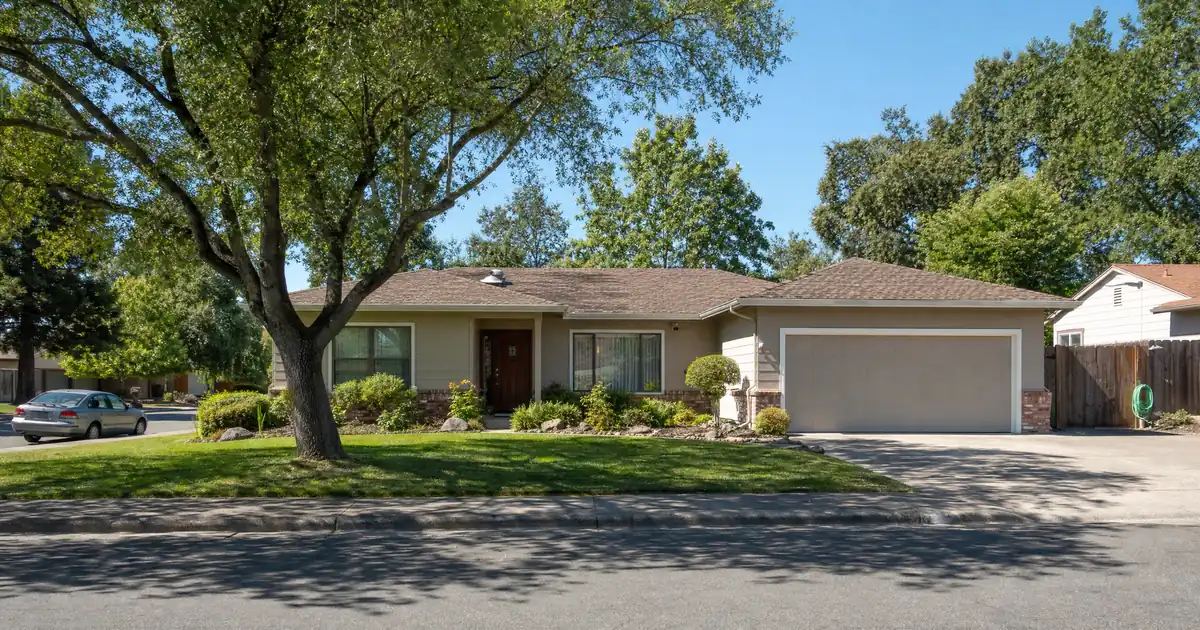
Start A Cash-out Refinance Application Now? — The Quick Read: For most rental-property owners, the answer is yes. You need title held long enough, rent you can document, and enough equity left after the leverage cap. Starting the file now lets a lender test your real numbers before things change. Waiting rarely fixes a coverage ratio that doesn’t work today. It usually just delays the moment you find out whether it works.
Key Terms Defined
A few terms come up constantly in a DSCR cash-out conversation. Mix them up, and you’ll make bad assumptions.
Cash-out refinance — a new loan that pays off any existing lien and sends you the remaining equity in cash. Compare that to a rate-and-term refinance, which just replaces one loan with another at the same or a lower balance.
DSCR (debt-service coverage ratio) — divide the property’s monthly rent by its full monthly housing obligation. That obligation includes principal, interest, taxes, insurance, and HOA dues — often shortened to PITIA. A ratio above 1.00 means the rent covers that obligation, at least on paper.
PITIA — the full monthly cost of carrying the property. It covers principal, interest, taxes, insurance, and association dues where they apply.
Seasoning — how long you (or your LLC) must hold title before a lender will consider a cash-out request against that property.
LTV (loan-to-value) — the new loan amount as a percentage of the property’s appraised value. On cash-out refinances, this percentage is capped lower than on a purchase.
Business-purpose loan — financing for an investment or business reason, not to buy or refinance a home you live in. This changes how a lender classifies and documents your file.
What Actually Decides Whether “Now” Is Right?
No filing deadline governs a DSCR cash-out refinance. There’s no open-enrollment window like you’d see with health insurance. The real triggers are mechanical. Has title seasoned long enough? Does the rent hold up against a lender’s rent opinion? Does enough equity remain once the leverage cap and coverage ratio both apply?
That changes the question you should ask. Skip “is this a good week to apply.” Ask instead: “Does this file already clear the tests a lender will run?” Filing sooner doesn’t lock in a better outcome by itself. But it does put your property’s actual numbers in front of an underwriter. That’s the only way to know where you stand. Say you’ve got a signed lease and six-plus months of ownership. You’re usually better off starting the file now than waiting for some imagined better moment tied to nothing concrete.
Is Your Title Seasoned Enough to Apply?
Most DSCR programs want around six months of ownership before a cash-out refinance. That’s shorter than what agency, conforming loans typically require. On the conventional side, Fannie Mae’s guide adds a twist. It layers a six-month title-seasoning rule on top of a separate rule: any existing first mortgage being paid off must be at least twelve months old. It does let time your LLC held title count toward that six-month clock, as long as ownership moves to you before closing. DSCR lenders don’t follow that exact agency structure. But many run similar logic. So confirm a specific lender’s seasoning position early — don’t just assume.
Two paths tend to reset the clock in your favor. First, a property bought entirely in cash. With no existing mortgage to season against, it often moves through a delayed-financing-style path faster than a leveraged purchase — as long as you document your source of funds. Second, inherited property, or property you got through a divorce or legal separation. Lenders often treat these as owned from the date of transfer, not from zero. Did you acquire a rental through a bridge loan or hard-money purchase and now plan to move into permanent DSCR financing? Then know this: note-age and title-age are two separate clocks. A hard-money lender’s cash-out refinance options work differently than a from-scratch DSCR file. Figure out which clock actually applies before you assume your transaction is ready.
How Much Equity Can the Property Actually Produce?
Across Lendmire’s wholesale network of DSCR lenders, cash-out refinances on investment property generally cap around 75% loan-to-value. That’s a hard ceiling, and it’s lower than the leverage you’d typically get on a purchase — most purchase programs land in the 75-80% LTV range, and select high-leverage options reach 85% for borrowers with stronger credit. But that 75% ceiling isn’t the only thing that decides how much you can pull out. The coverage ratio matters just as much.
Most DSCR cash-out programs use 1.00 coverage as a starting floor on select programs. It’s not a universal minimum, but it’s a common benchmark: the appraiser’s or lease’s monthly rent needs to cover the full monthly obligation. Stronger ratios — generally 1.15-1.25x and up — tend to unlock better pricing and sometimes more leverage. Here’s the catch: a property where the rent used for lender review barely clears 1.00x against PITIA may still cap out well below the 75% LTV ceiling. Why? The lender solves for two constraints at once — equity and coverage. Whichever one is tighter sets the real number.
Here’s a simple self-check most files should run before submitting anything:
| Readiness Factor | Typical Range Seen Across the Network |
|---|---|
| Credit score | 620 floor in parts of the network; 660+ preferred; 700+ unlocks top leverage |
| Cash-out LTV ceiling | Around 75%, generally |
| DSCR coverage | 1.00x floor on select programs; 1.15x+ opens better terms |
| Title seasoning | Roughly 6 months of ownership |
| Reserves | About 6 months of PITIA typically; roughly 9 months above $1,500,000 loan size; some rate-term files under $1,500,000 at modest leverage can see reserves waived |
| Loan size | Roughly up to $3,000,000 on standard programs |
None of these numbers guarantee anything. They show the range a file typically needs to be near before a lender takes a serious look. Your specific program, property, and credit picture still decide the outcome.
Bigger down payments and stronger equity positions help the coverage math too. Less leverage means a lower monthly obligation, which can lift the ratio. But neither one erases the leverage cap, the credit floor, or the reserve requirement on its own. The strongest files clear both tests: enough retained equity after the cash-out, and rent that comfortably covers the payment. And here’s something easy to miss: clearing 1.00x coverage isn’t the same as positive cash flow. Vacancy, repairs, management fees, and capital expenses all sit outside that ratio. A file that “qualifies” on paper still needs its own cushion for the costs the DSCR math doesn’t touch. These specifics depend on lender guidelines and a full review of property, leverage, and credit.
Not sure how a lender actually starts this process? Take a look at where a cash-out refinance application typically begins before you assume the property is ready. Want a fuller walkthrough of how rental-income review works? Lendmire’s complete DSCR loans guide covers the underwriting logic in more depth than fits here.
Cash-Out Refinance vs. HELOC vs. Home Equity Loan
If you’re pulling equity out of a rental, you have three structural options. They aren’t interchangeable. Each one replaces or layers onto the existing loan in a different way.
| Feature | Cash-Out Refinance | Investment HELOC | Home Equity Loan |
|---|---|---|---|
| Structure | Replaces the existing first lien entirely | Sits behind an existing first lien | Sits behind an existing first lien |
| Access to funds | Lump sum at closing | Revolving draw line | Lump sum at closing |
| Line/loan cap | Sized to the 75% LTV ceiling | Caps around $500,000 total on investment property | Sized against remaining equity |
| Underwriting basis | Property’s coverage ratio (DSCR) | Combined loan-to-value and credit profile | Combined loan-to-value and credit profile |
Know this ceiling up front: the HELOC line cap on investment property tops out around $500,000 total. There’s no larger investment-property tier above that. Got more equity than that sitting in a single asset? A cash-out refinance is often the only structure sized to actually reach it. On the credit side, minimum credit score expectations for a cash-out refinance vary by loan size and leverage. Review those numbers before you assume any one score clears every program.
What Happens If You Wait for the Appraisal-Format Change?
The appraisal infrastructure behind rental-property valuations is changing. This is one of the more concrete reasons to think about timing instead of treating “whenever” as a neutral choice. Fannie Mae’s mandatory deadline for the new UAD 3.6 appraisal format lands on November 2, 2026. After that date, loans sold to Fannie Mae or Freddie Mac must use the redesigned reporting structure. DSCR loans aren’t sold to the agencies, so they’re not directly bound by that deadline. But appraiser panels and the software behind them are largely shared across agency and non-agency work. So the retirement of the standalone rent-schedule forms will likely reshape how non-agency rent opinions get formatted around that same window.
That’s a practical reason to start sooner rather than later — especially on any file where the rent number carries a lot of weight in the coverage math. It’s not a countdown clock. It’s not a reason to rush a file that isn’t ready. It’s simply one more reason to get into underwriting while the current appraisal process is stable and well understood.
What Are the Edge Cases That Change the Timing?
A handful of situations don’t follow the standard seasoning-and-rent path. Knowing which one applies can change whether “now” makes sense for you.
Two- to four-unit properties get appraised on a different form than single-family rentals. That changes the comp set an appraiser pulls, and sometimes the timeline to get a usable opinion of value back. Properties with five or more units get treated as business-purpose financing almost automatically — the relevant statute defines a dwelling as one to four units. This distinction matters less for DSCR underwriting itself and more for understanding why larger rental deals move through a different documentation track from the start.
Short-term rentals are the biggest structural exception. Long-term rental appraisals use a standard rent-schedule form to produce a market-rent opinion for a single-family property. That form cannot be used to reflect nightly-rate income. Appraisers who insert short-term rental income into that form risk discipline from state licensing boards. Here’s the thing: a property’s value doesn’t change just because you operate it as a short-term rental. The form measures long-term market rent no matter how you actually use the unit. If you rely on nightly-rate income to qualify, you need a lender set up to underwrite that income separately, outside the standard long-term rent grid. Across the network, purchase leverage on short-term rentals tops out around 75% LTV, with refinance and cash-out generally landing closer to 70%. You’ll also typically need a 640+ credit score, about twelve months of hosting history, and a 1.00x coverage floor. One more thing: short-term rental rules can vary by city, county, HOA, and property type. Confirm local rules before you rely on projected nightly income — it matters as much as the appraisal issue does.
What Do Lenders Actually Check Before Approving This?
DSCR loans are built for non-owner-occupied investment properties. Because they’re business-purpose investor loans, lenders review them differently than a standard owner-occupied mortgage. That’s also why a rental-property cash-out refinance skips the three-day right of rescission that applies to a consumer refinance on a primary residence. Loans secured by investment, rental, or vacation property fall outside the scope of the rescission right — even before you factor in the business-purpose classification. Know this: it means the underwriting and appraisal review happening before you sign carries more weight than it would on a personal home refinance, where a rescission window exists as a backstop.
For current guidelines and terms, see Lendmire’s DSCR loan programs page.
Frequently Asked Questions
Can I apply before my seasoning period is technically finished?
You can start the conversation early, but most lenders won’t move a cash-out file to underwriting until the seasoning clock has actually run — typically around six months of ownership. Starting the file early still has value. It lets a broker confirm which lender’s seasoning position fits your specific acquisition path, especially if the property came through an LLC, a bridge loan, or an inheritance where the clock may already be partly satisfied.
What happens if the appraisal comes in lower than expected mid-application?
A low appraisal reduces the value the 75% LTV ceiling is calculated against. That can shrink the equity available or push the coverage ratio in the wrong direction. Some files still move forward at reduced proceeds. Others get restructured around a different leverage tier. In some cases, you can review or challenge the appraisal if there’s a documented basis for it. Your options depend heavily on how much cushion existed in the original numbers.
Does shopping multiple DSCR lenders in a short window hurt my credit?
Most scoring models treat rate and program shopping across a short window as a single inquiry event, similar to shopping for any other type of loan. But DSCR-specific credit pulls vary by lender and aren’t always structured like consumer mortgage inquiries. The bigger practical risk isn’t the credit hit — it’s comparing programs that aren’t actually apples-to-apples on leverage, reserves, and coverage requirements.
What are the most common reasons a DSCR cash-out file gets declined?
The usual culprits: not enough coverage after the lender reconciles rent against the full monthly obligation, not enough equity once the leverage cap applies, seasoning that hasn’t run its course, and reserve requirements that don’t get met. Ineligible property types can also stop a file before it starts — some structures simply fall outside what DSCR programs in the network will finance. Terms vary by lender guidelines, property type, leverage, credit profile, and full file review.
Does a cash-out refinance change my escrow or insurance setup?
It can. Because the cash-out refinance replaces the existing loan entirely, closing typically includes setting up a new escrow account for taxes and insurance. The lender will confirm the property carries adequate insurance coverage before funding. Report any change in loan balance or property use to your insurance carrier too, since coverage terms can shift with a new loan in place.
A deeper walk-through of investment-property equity extraction lives in cash-out refinance on an investment property.
For how equity extraction works on an investment property, see cash-out refinance on an investment property.
About Lendmire
Lendmire, NMLS# 2371349, works as a broker, not a direct lender. It arranges DSCR investor loans through select lenders across a wholesale network spanning 40 markets, including Washington, D.C. Loans made to LLC-titled entities are handled subject to lender program eligibility. Every scenario above reflects typical ranges seen across that network — not a guarantee for any specific file. Qualification runs primarily on whether the property’s documented rental income covers the payment, subject to lender guidelines. It’s not a promise that any particular property, borrower, or coverage ratio will get approved. Nothing here is a commitment to lend. Loan approval is never guaranteed, and every file gets reviewed on its own terms based on borrower profile, property, and program guidelines. Tax treatment on cash-out proceeds can depend on how you use the funds and how the property is titled. Keep clear records, and check with a qualified tax professional before you assume any deduction applies. This article is general information, not financial, legal, or tax advice. Scotsman Guide named Lendmire a Top Mortgage Workplace in both 2025 and 2026.
Is your property’s rent not quite clearing the coverage math on paper? It’s worth understanding how a rental property cash-out refinance can work around personal income documentation before you assume the file is dead on arrival. Property-level income, not traditional personal-income documentation, drives qualification on most of these programs.
Buying or refinancing a rental property? Want to see how the numbers actually line up? Reach Lendmire at 828-256-2183 or request a quote to compare DSCR loan structures based on the property’s income, your credit profile, and the leverage the deal actually needs.
Get Started
Ready to find the right loan for you?
In about 30 seconds you can review financing options available for your home or investment property. No commitment required.
Informational only. Not a Loan Estimate, approval, or commitment to lend. Program availability and eligibility are subject to lender guidelines, credit approval, property review, and underwriting.
References
1. Fannie Mae — UAD 3.6 Broad Production Announcement
2. Class Valuation — Why Form 1007 Can’t Be Used for Short-Term Rentals
3. LegalClarity — What Is the Right of Rescission and How Does It Work?
Brandon Miller
Founder & CEO, Mortgage Loan Originator, Lendmire LLC
- Mortgage Loan Originator · NMLS# 1129696 · Verify on NMLS Consumer Access
- North Carolina Real Estate Broker · License# 343312 · Verify on NCREC
- North Carolina Insurance Producer · License# 19053198 · Property, Casualty, Life, Health · Verify on NAIC SBS
- Lendmire LLC · Firm NMLS# 2371349 · Verify firm licensure
Disclosure information. Lendmire is a state-licensed mortgage brokerage under NMLS# 2371349. Lendmire is not a depository institution, direct lender, or financial advisor — all loans referenced are placed through wholesale lender partners and are subject to each lender's underwriting standards. This article is provided for general informational purposes and is not a commitment to lend, nor does it constitute financial, legal, or tax advice. Loan programs, terms, rates, and qualification standards change without notice and depend on borrower profile, property type, and the state in which the subject property is located. Equal Housing Opportunity provider. NMLS Consumer Access: nmlsconsumeraccess.org.


