
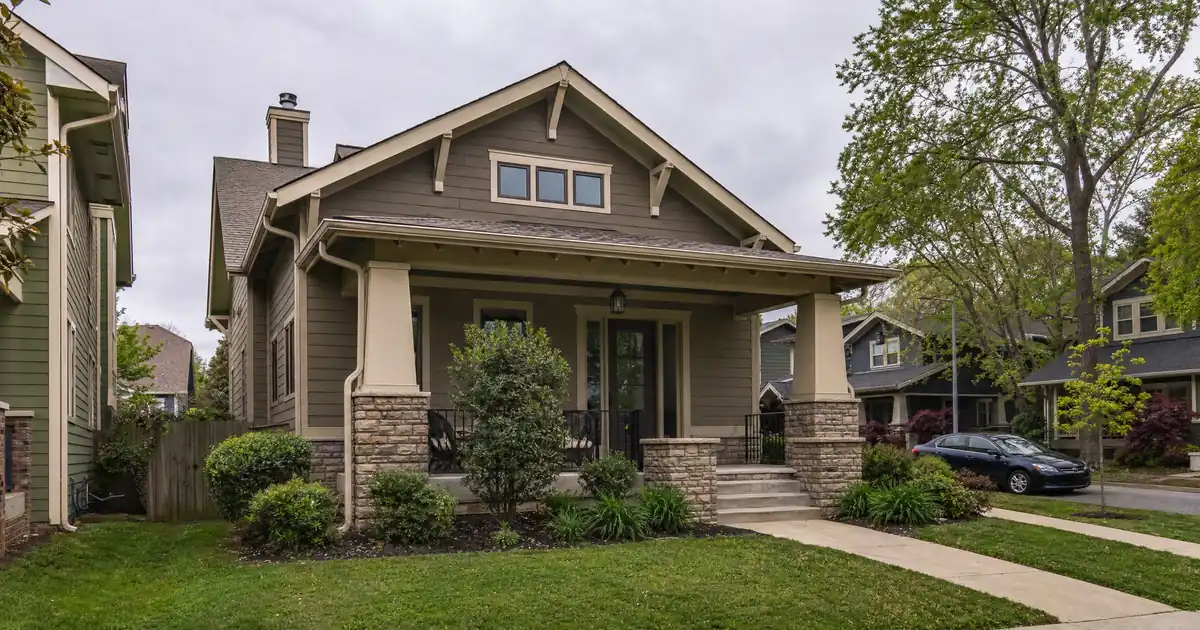
Can My First Property Be An Investment Property — The Quick Read: Yes. Federal lending law does not require you to own or live in a primary home before you finance a rental. What matters is which loan category your file falls into. For a pure rental purchase with no owner-occupied unit, that means a business-purpose investment loan, not a consumer mortgage. The catch isn’t legal eligibility. Most DSCR programs are built for borrowers who already own a home. A first-time buyer with no primary residence at all lands in a narrower, separately structured lane.
That distinction matters more than almost anything else here. So it gets covered in full below, not buried in a footnote.
DSCR Calculator
Run the numbers in your market
Rate source: Freddie Mac 30-yr average via FRED® — Federal Reserve Bank of St. Louis · effective Aug 13, 2026
Prefilled with local estimates — enter your own rent or nightly figures, taxes, insurance, and HOA for a more accurate picture.
Program parameters update from Lendmire’s centralized guideline source. Taxes and insurance are editable estimates.
As of Aug 13, 2026 · General Freddie Mac market benchmark, not a Lendmire loan offer. Rent, nightly rate, occupancy, taxes, and insurance are editable estimates. Short-term rental figures are estimates only and vary significantly by season, property type, management approach, and local short-term-rental rules — confirm local regulations before relying on them. Qualifying income for short-term rentals varies by program — some use appraisal market rent, others use documented STR history or projections — and is confirmed in underwriting. Not a Loan Estimate, approval, or commitment to lend. Program availability and eligibility are subject to lender guidelines, credit approval, property review, and underwriting.
Key Terms Defined
DSCR (Debt-Service Coverage Ratio): This is the ratio of a property’s rental income to its full monthly housing obligation — principal, interest, taxes, insurance, and association dues (PITIA). A ratio at or above 1.00 means the rent covers the payment. It says nothing about repairs, vacancy, or management costs.
Business-purpose loan: This is a loan made to buy an asset for investment or income, not for the borrower’s own housing. This classification lets a lender underwrite the property’s income instead of the borrower’s traditional personal-income paperwork.
LTV (Loan-to-Value): This is the loan amount shown as a percentage of the property’s value. A lower LTV means more equity in the deal. It usually means more room to clear DSCR minimums, too.
Seasoning: This is the minimum time a borrower must hold title before pulling cash out in a refinance. On investment-property files, it’s commonly around six months.
CLTV (Combined Loan-to-Value): This is the total of all liens against a property, divided by its value. It matters when a borrower stacks a second lien or a HELOC on top of a first mortgage.
Why the “Buy a Home First” Rule Doesn’t Actually Exist
No federal statute makes primary-residence ownership a requirement for buying a rental. The rule people usually think of belongs to FHA, and it only covers FHA-insured loans. Outside that program, your occupancy history doesn’t matter at all.
FHA does require owner-occupancy. Its handbook says the borrower must move in within 60 days of closing and stay for at least a year (HUD Single Family Housing Policy Handbook). That’s a real rule, but it’s narrow. It applies only to FHA-insured owner-occupant loans. It has no bearing on a DSCR loan or any other non-owner-occupied investment purchase. In those deals, you were never expected to live in the property in the first place.
DSCR loans are built for non-owner-occupied investment properties. Because they are business-purpose investor loans, lenders review them differently than a standard owner-occupied mortgage. That’s the entire regulatory backbone behind the “first property as a rental” question. It’s also why the underwriting looks nothing like a first-time-homebuyer file.
What Actually Determines Eligibility: The Ownership Split
Here’s the part almost nobody explains clearly. It’s the single biggest fork in the road for a first-time investor. Most DSCR programs across Lendmire’s wholesale network are built for borrowers who already own a primary residence. If that’s you — a homeowner adding a rental as your next move — the standard DSCR envelope applies, and it’s a wide one. Purchase leverage on most files runs 75%–80% LTV. Select high-leverage programs reach 85% for borrowers with strong credit, generally in the 700+ range. Coverage floors on standard programs start at 1.00 on select programs. Credit tiers run from a 620 floor in parts of the network up through 660 for most programs and 700+ for the strongest leverage tiers.
If you don’t currently own a primary residence — a renter buying their very first property, and that first property is a rental — the picture narrows. It comes through select lenders in the network on a dedicated renter-to-investor path. That path runs a different set of numbers: minimum credit score around 700, maximum 70% CLTV, minimum 1.15 DSCR, loan amounts up to $1,000,000, no interest-only structures, required tax and insurance impounds, and roughly six months of reserves. It’s a real path. A first property as an investment property is still possible with no home-ownership history. But it’s tighter on leverage, tighter on credit, and capped on loan size compared to what opens up once that first deal closes, or once the borrower buys a primary residence. These specifics depend on lender guidelines and a full review of property, leverage, and credit.
Here’s the arc worth planning around: close the first deal, or pick up a primary residence, and the standard envelope opens up. That means 75%-80% purchase leverage, 620-660 credit tiers, and sizing up to $3,000,000 for the next acquisition. The renter-path terms aren’t a permanent ceiling. They’re a starting gate.
| Borrower Status | Purchase LTV | Min DSCR | Min Credit | Max Loan Size |
|---|---|---|---|---|
| Already owns a primary residence | 75%–80% (up to 85% select) | 1.00 (select programs) | 620 floor, 660 typical | Up to $3,000,000 |
| No current primary residence (renter path) | Up to 70% CLTV | 1.15 | 700 | Up to $1,000,000 |
How the File Actually Gets Underwritten
The property does most of the talking here. Because the loan is business-purpose, the file isn’t built around two years of pay stubs and traditional income paperwork. It qualifies mainly on whether the property’s rental income covers the payment, subject to lender guidelines. The appraiser pulls a market rent opinion using standardized forms the mortgage industry has used for decades. For a single-unit property, that’s the Single-Family Comparable Rent Schedule. For a 2-4 unit building, it’s the Small Residential Income Property Appraisal Report (Fannie Mae Selling Guide, B3-3.8-01). These forms are an industry-standard valuation tool. Using them in a DSCR file doesn’t make the loan an agency product — DSCR loans are typically sold into private, non-agency capital rather than to Fannie or Freddie.
That market-rent figure gets compared to PITIA to produce the coverage ratio. A first-time investor with no landlord track record and no lease in hand can still get a solid number. That’s because the appraiser, not the borrower’s own guess, sets the rent figure.
One thing worth flagging early: a DSCR at or above 1.00 means rent covers the mortgage payment. It does not mean the property makes money. Repairs, vacancy stretches, property management fees, utilities, and capital expenses all sit outside the ratio. A file can clear 1.00 and still lose money in a slow month. If you’re sizing up a first deal, build your own margin above the coverage number. Don’t treat 1.00 as a safety cushion.
Entity vesting shows up often on these files too. Because the loan is already classified as business-purpose, taking title in an LLC is a normal choice across the DSCR market. A first-time owner-occupant buyer doesn’t get that option — they have to take title personally to satisfy occupancy rules. You can read more on that framing in why your first property doesn’t have to be your home.
The House-Hack Exception: When Occupancy Changes the Math
Buying a 2-4 unit building and living in one unit puts you in a different regulatory bucket than buying a pure rental. It’s the most common workaround first-time buyers ask about. Once any unit is owner-occupied, Reg Z’s business-purpose exemption isn’t automatic. Compliance guidance on the rule notes that credit used to buy rental property generally counts as business-purpose only once the building passes a certain owner-occupied unit-count threshold (Compliance Alliance). In plain terms: a first-timer buying a duplex and living in one side often still sits in consumer-mortgage territory, not the DSCR lane, depending on the specific structure.
That’s a meaningfully different path than buying a pure rental outright with a DSCR loan from day one. Both are legitimate strategies for a first purchase. They’re just governed by different rules, and mixing them up is one of the more common mistakes first-time investors make. You can find more detail on weighing the two in pros and cons of buying investment property first.
Property Types That Don’t Work Here
Not every property type qualifies for DSCR financing, no matter how experienced the borrower is. Manufactured homes — single- and double-wide — along with log homes and barndominiums fall outside these programs across the network. That’s not “harder to finance.” It’s simply not offered. Worth knowing before you write an offer on a property that was never going to qualify for this structure.
What Lenders Actually Look At on a First-Time Investor File
The strongest files clear two separate tests, not one: enough equity, and enough rental coverage. A larger down payment lowers the monthly obligation and can lift the DSCR ratio. But it never overrides a leverage cap, a credit floor, a reserve requirement, or a property-eligibility rule. Someone putting 35% down on a property with weak rent-to-price numbers can still get declined on coverage. Someone with strong DSCR but thin reserves can still get held up on liquidity. Terms vary by lender guidelines, property type, leverage, credit profile, and full file review.
Reserve requirements flex by lender, leverage, loan size, and transaction type. Most files land around six months of PITIA in reserve. Conservative rate-and-term files at modest leverage under $1,500,000 sometimes see reserves waived entirely. Loans above that threshold typically step up toward nine months. None of that is universal. It’s a range, and every file gets judged on its own terms.
Coverage below 1.00 is available through select lenders in the network, but leverage and terms adjust downward when it does. A lower ratio generally means less leverage, not a way around the rule. No-ratio qualification, which skips the coverage test entirely, isn’t offered on this path — in the wider network it’s available only through select lenders, generally for borrowers who already own a primary residence. And for a borrower without a primary residence, sub-1.00 structures generally require that the borrower already own a home. That’s another reason the renter-path terms stay tighter.
A DSCR loan investor with no landlord history should expect a file built around the property’s numbers, not their personal income statement. That’s a real advantage if you’re self-employed, between jobs, or juggling multiple income streams that don’t fit neatly into two years of traditional income paperwork. You can read more in first-time buyer investment property loan and in Lendmire’s complete DSCR loans guide.
Refinancing Into the Next Deal
Once that first rental has some equity and some seasoning, cash-out refinancing becomes the tool that funds deal number two. Cash-out on investment property generally tops out around 75% LTV across most of the network. Lenders typically expect roughly six months of seasoning before they’ll consider pulling equity out. That ceiling is meaningfully lower than purchase LTV — cash-out and purchase leverage are not the same numbers. A file that assumes purchase-level leverage on a refinance is one of the more common ways a deal gets kicked back for restructuring. There’s more on that mechanic in investment property refinance: the complete investor’s playbook.
What About Short-Term Rentals as a First Property?
Short-term rental purchases run their own, tighter set of numbers: leverage up to 75% LTV on purchase, generally around 70% on rate-and-term refinance, and 70% on cash-out. Credit floors start around 640. Lenders typically expect roughly 12 months of hosting history or an accepted market data report, plus a 1.00 DSCR floor on both purchases and refinances. Short-term rental rules can vary by city, county, HOA, and property type, so confirm local rules before relying on projected rental income.
The Tax Question, Briefly
Tax treatment can depend on how the funds are used and how the property is held. Keep clear records, and talk with a qualified tax professional before relying on any deduction.
Frequently Asked Questions
Does it count as being a “first-time homebuyer” if my first purchase is a rental?
Generally no, at least not in the way that term applies to consumer-mortgage benefits. First-time-buyer programs and down-payment assistance are typically tied to owner-occupied purchases. A DSCR purchase counts as business-purpose from the start, so it runs on its own track and doesn’t feed into that consumer designation either way.
Do I need to have owned a home before to qualify for a DSCR loan?
No federal rule requires it. But most DSCR programs across Lendmire’s network are built for borrowers who already own a primary residence, and that’s the wider, more flexible lane. Borrowers without a current primary residence can still qualify through select lenders on a dedicated renter-to-investor path — tighter on leverage and loan size, but real.
Can I still buy a duplex and live in one side as my first property?
Yes, but that’s a different loan category than a pure rental purchase. Once part of the building is owner-occupied, the file generally falls under consumer-mortgage rules rather than the business-purpose DSCR lane, depending on the specific occupancy structure.
What happens to my terms after my first DSCR deal closes?
The tighter renter-path terms are a starting point, not a permanent ceiling. Once the first deal closes, or once you acquire a primary residence, the standard DSCR envelope typically opens up. That means wider leverage, broader credit tiers, and larger loan sizing for the next purchase.
Is a DSCR of 1.00 the same as positive cash flow?
No. A 1.00 DSCR means rent equals the full monthly housing payment (PITIA). It says nothing about repairs, vacancy, management fees, or capital expenses, since all of those sit outside the ratio. A property can clear 1.00 and still run at a loss in a rough month.
About Lendmire
Lendmire, NMLS# 2371349, is a mortgage broker that arranges DSCR investor loans through select lenders in its wholesale network spanning 41 markets, including Washington, D.C. Lendmire doesn’t fund or underwrite loans directly. It structures files and places them with lenders who review eligibility and make the approval decision. Scotsman Guide named Lendmire a Top Mortgage Workplace in both 2025 and 2026.
Loan approval is never guaranteed, and nothing here is a commitment to lend. Every scenario described here depends on lender approval and on borrower, property, and program guidelines, which can change. This article is general information, not financial, legal, or tax advice.
Get Started
Ready to find the right loan for you?
In about 30 seconds you can review financing options available for your home or investment property. No commitment required.
Informational only. Not a Loan Estimate, approval, or commitment to lend. Program availability and eligibility are subject to lender guidelines, credit approval, property review, and underwriting.
References
1. HUD Single Family Housing Policy Handbook
2. Fannie Mae Selling Guide — B3-3.8-01, Rental Income
3. Compliance Alliance — Regulation Z and “Investment” Properties
This article is part of Lendmire’s DSCR loan program — full qualification details, guidelines, and scenarios live on the program page.
Related reading: Can You Buy A Rental Property As A First Time Buyer? · HELOC No Tax Returns · Does Down Payment Assistance Work With DSCR Loans?
Brandon Miller
Founder & CEO, Mortgage Loan Originator, Lendmire LLC
- Mortgage Loan Originator · NMLS# 1129696 · Verify on NMLS Consumer Access
- North Carolina Real Estate Broker · License# 343312 · Verify on NCREC
- North Carolina Insurance Producer · License# 19053198 · Property, Casualty, Life, Health · Verify on NAIC SBS
- Lendmire LLC · Firm NMLS# 2371349 · Verify firm licensure
Disclosure information. Lendmire is a state-licensed mortgage brokerage under NMLS# 2371349. Lendmire is not a depository institution, direct lender, or financial advisor — all loans referenced are placed through wholesale lender partners and are subject to each lender's underwriting standards. This article is provided for general informational purposes and is not a commitment to lend, nor does it constitute financial, legal, or tax advice. Loan programs, terms, rates, and qualification standards change without notice and depend on borrower profile, property type, and the state in which the subject property is located. Equal Housing Opportunity provider. NMLS Consumer Access: nmlsconsumeraccess.org.