
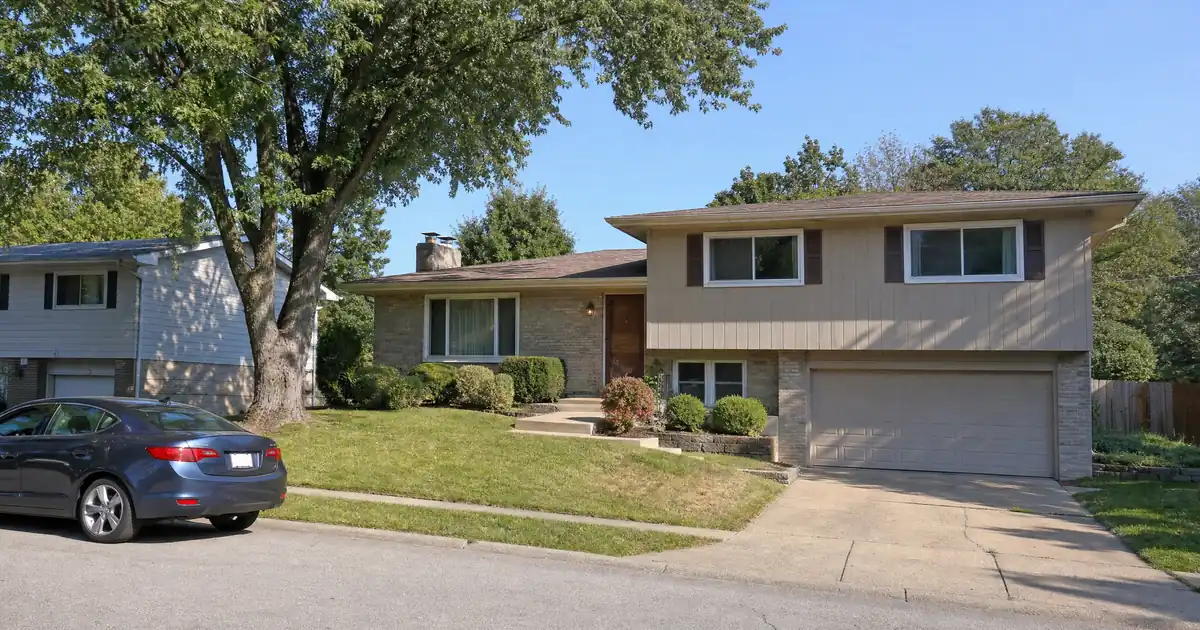
The Quick Read: Zero completed deals doesn’t lock you out. Lenders in this space underwrite the property and the exit, not a résumé — though a first-timer typically lands on the lower end of available leverage until a deal or two is on the books. Expect to bring real cash to the table, hold reserves after closing, and finance through a business entity rather than your own name. The rehab budget gets financed separately from the purchase, and that split is exactly where most first-time flippers underestimate how much cash they actually need.
What First-Time Flippers Actually Need to Know
Before the mechanics, the short version:
What this loan actually costs to carry in your market.
Hard money is sized against the project and priced by time. Enter the deal and see how much the program will lend, the cash required at closing, the carry while you hold it, and what is left at the exit.
Leverage tiers on the current program: up to 85% of project cost with fewer than two completed projects, 90% with two or more, 93% with five or more — every tier capped at 75% of after-repair value. Loan amounts up to $5,000,000, larger by exception; terms of 6 to 18 months, interest-only, no prepayment penalty. The rehab portion funds in draws against completed work, not at closing.
Program parameters shown update from Lendmire’s centralized guideline source. Rate, points, and months are editable assumptions, not quoted terms.
Cost cap sets the loan · positive spread
Illustrative estimate only — not a quote, Loan Estimate, approval, or commitment to lend. Rate, points, and months are editable assumptions. Hard money is business-purpose financing for real estate investors, not a consumer mortgage. Leverage on the current program tops out at 93% of project cost for investors with a documented track record, capped at 75% of after-repair value, with rehab funding up to 100% of the documented budget released in draws; actual terms vary by lender, borrower experience, property, and exit. Lendmire is a mortgage broker, not a lender.
- Approval runs on the deal and the exit plan, not primarily on a track record.
- Up to 93% of project cost for investors with 5+ completed projects (90% at 2+), capped at 75% of after-repair value.
- The rehab budget is financed separately from the purchase — up to 100% of the rehab budget on many files.
- Credit still factors in even in asset-based underwriting; “no credit check” isn’t accurate as a blanket claim.
- A business entity and posted reserves are close to universal requirements, regardless of experience level.
Can First-Time Flippers Actually Qualify?
Yes, and the deal usually carries more weight than the borrower’s history. Hard money lending is built around three things: the property, the borrower’s capacity to execute, and how the loan gets repaid. A first flip with a tight rehab budget, a clear buyer for the finished product, and a borrower who’s brought real cash to the table can outweigh a thin résumé.
Experience gets priced and tiered rather than gatekept at most lenders. Across the wholesale network, leverage and terms shift by experience — a borrower with several completed flips generally clears higher leverage than someone on their first deal, even on an identical property. That doesn’t mean a first-timer gets turned away; it means the terms adjust. Lendmire’s overview of hard money lenders for first-time investors walks through how that tiering plays out in practice.
Credit minimums vary by lender rather than following one industry rule. The current program carries a 620 minimum credit score, with additional conditions under 660; credit is one input among several in an asset-based review that centers on the property, the plan, and the exit. That doesn’t mean credit is irrelevant — a stronger score generally supports better leverage.
How the Underwriting Actually Works, Step by Step
The deal gets sized first. Lenders anchor the loan amount to two numbers: the total cost of the deal (purchase price plus rehab) and the projected after-repair value. Whichever produces the lower ceiling generally governs. Across the wholesale network Lendmire places files through, fix-and-flip leverage on the current program runs up to 93% of project cost for investors with five or more completed projects and up to 90% with two or more, with every tier capped at 75% of after-repair value; bridge purchases without rehab run up to 80% of purchase price, and cash-out or refinance files top out at 65% of value. On top of the purchase-side loan, many programs will finance up to 100% of the rehab budget separately, released through draws as work gets completed and inspected.
Borrower capacity gets weighed next. This covers the entity structure, liquidity, and experience tier — not income documents in the way a bank mortgage would ask for them. Reserve requirements vary by lender, leverage, and loan size, but posting funds after closing (not just having them promised) is close to a universal expectation.
The exit gets stress-tested last. A lender wants to know, in specific terms, how the loan gets repaid — sale to a retail buyer, or refinance into a longer-term hold. Loan sizes on the current program run up to $5,000,000, with larger amounts considered by exception.
Margins have compressed industry-wide, which raises the stakes on getting this math right the first time. ATTOM‘s year-end flipping report found the typical flip netted a 25.5% gross return, the lowest recorded since 2008 — leaving far less cushion for an underfunded rehab budget than flippers saw a decade ago.
Key Terms Defined
Hard money loan — a short-term loan secured by real estate and sized around the deal itself, not the borrower’s income documents.
LTC (loan-to-cost) — the loan amount measured against total project cost: purchase price plus the rehab budget.
ARV (after-repair value) — the property’s projected value once renovations are done; lenders use it as the second ceiling on financing.
Business-purpose loan — credit extended to a business or investor rather than a homeowner. Loans made to expand a business, even when secured by real estate, are exempt from many of the consumer-mortgage disclosure and timing rules under Regulation Z. Hard money and DSCR loans are both structured as business-purpose credit, which is why they move differently than a mortgage on a primary home.
DSCR (debt-service coverage ratio) — a ratio comparing a rental property’s income to its full monthly payment, used to size long-term rental financing without personal income documents. For the full mechanics, see Lendmire’s complete DSCR loans guide.
The Real Cash-to-Close Gap First-Timers Miss
The loan does not cover everything, and that gap is where most first flips run into trouble. Even at the top of the leverage range, a purchase-side loan still leaves a real percentage due at closing, plus closing costs and posted reserves — none of which the rehab financing touches. There’s no true 100% purchase-LTV hard money product in the market; what exists is up-to-90% purchase leverage plus up to 100% of the rehab budget financed as a separate line, and conflating the two is the single most common first-timer miscalculation. Every figure here varies by lender and program — guidelines, property type, leverage, and credit profile all apply.
Reserves compound the gap. Requirements vary by lender, leverage, and loan size, but posting cash after closing — not just showing it on a bank statement before funding — is standard practice across most programs. A first-timer who’s budgeted only for the down payment and rehab draws often discovers the reserve requirement late, right when cash is tightest.
The Structures and Variations You’ll Run Into
Not every hard money loan looks the same, and the variations matter for how a first deal actually gets structured.
Term length. Terms are short by design — 6 to 18 months on the current program, interest-only, with no prepayment penalty — and investors who need longer runway refinance into a DSCR loan once the property qualifies.
Collateral types. Eligible collateral on the current program is non-owner-occupied residential property of one to four units, with ground-up construction up to ten units.
Entity requirement. Financing generally runs through a business entity such as an LLC rather than an individual name, subject to lender program eligibility, which is worth setting up before shopping lenders rather than after.
For a broader look at how these pieces come together for a beginner, Lendmire’s resource on hard money lenders for fix and flip projects covers the same ground from the lender-selection angle.
Where the General Rule Breaks
A few situations don’t follow the standard playbook, and a first-timer should know about them before signing a term sheet.
Refinancing to a hold doesn’t carry over the same leverage. A DSCR cash-out refinance generally tops out around 65% LTV, with roughly 6 months of seasoning expected before a lender will consider it — tighter than purchase-side hard money leverage, and something a flip-turned-rental strategy needs to plan around from day one.
Coverage below 1.00 isn’t automatically a dead end. Some lenders in the network will still review a property whose rent doesn’t fully cover the payment, adjusting leverage and terms to compensate — but that’s a select-lender path with real tradeoffs, not a rate-sheet standard available everywhere.
A short-term rental exit changes the appraisal, not just the strategy. The standard rent schedule appraisers use values the real estate itself; it can’t include nightly rental income as part of that value, since a short-term rental sits on the same underlying real estate as a long-term one (McKissock). A flipper planning an eventual Airbnb hold needs a lender comfortable with that limitation before closing on the purchase.
Not every flipped property qualifies for a DSCR exit. Manufactured homes, log homes, and barndominiums generally aren’t eligible for DSCR financing in Lendmire’s network — so if the exit plan is refinance-and-hold rather than resale, property type needs to be settled before the purchase, not discovered during the rehab.
Geography adjusts the numbers. Overlay states including Connecticut, Florida, Illinois, and New Jersey generally cap purchase leverage lower and cap loan size, so a deal that pencils cleanly in one state may need different numbers next door.
Exiting the Flip: From Hard Money to DSCR
More first-time flippers are planning to hold rather than sell, and that shift changes what “exit strategy” means on the loan application. Understanding the handoff from hard money to a long-term rental loan is a skill new investors increasingly need before they ever close on a property.
That handoff generally runs through a DSCR loan, which qualifies primarily on property-level rental income covering the payment, subject to lender guidelines — no personal income documents required the way a bank mortgage would ask for them. Leverage on the current program tops out at 93% of project cost for investors with five or more completed projects, capped at 75% of after-repair value, with cash-out and refinance files limited to 65% of value. Cash-out refinances after a rehab typically top out near 65% LTV, with roughly 6 months of seasoning generally expected before an investor can tap that equity.
| Factor | Hard Money | DSCR (Long-Term Hold) |
|---|---|---|
| Basis for approval | Property, rehab plan, and exit | Rental income vs. the payment |
| Typical leverage | High leverage available; rehab financed separately | Purchase up to 75%-80% LTV, with select strong files reaching 85%; cash-out refinances are typically capped at 65% LTV |
| Term | Short-term only (6–18 months); longer runway via a DSCR refinance | 30-year fixed, extended-term options |
| Cash-out seasoning | Not applicable | Around 6 months on most files |
Investors converting from flip to hold sometimes structure a separate BRRRR-style refinance to pull equity back out before repeating the cycle; Lendmire’s guide on refinancing a hard money loan after a BRRRR strategy breaks down how that sequencing typically works.
What the Decision Looks Like in Practice
The files that clear cleanest pair a genuinely strong deal with real liquidity behind it. Across the network, a few lenders will stretch leverage for a first-timer who brings contractor bids, a realistic rehab timeline, and posted reserves; the strictest overlays want reserves confirmed in the bank before closing, not promised on paper. Neither approach is wrong — they’re different risk appetites applied to the same product.
For a borrower planning a first flip, the practical checklist looks like this: set up the entity ahead of time, get actual contractor bids rather than rough estimates, line up several months of reserves beyond the rehab draws, and decide the exit — sale or long-term hold — before making an offer, not after the rehab is underway. Lendmire’s guide to the best hard money lenders for first-time investors covers how to shortlist lenders once that groundwork is in place.
Frequently Asked Questions
Do I need prior flipping experience to get approved?
No — most lenders in the network will review a first deal, but expect leverage on the lower end of the available range and closer attention to reserves and the exit plan until a track record exists.
Do I need an LLC to get a hard money loan?
Financing generally runs through a business entity rather than an individual name, subject to lender program eligibility. Setting one up before shopping lenders keeps the application from stalling later.
How much of the rehab budget will a lender actually finance?
Many programs will finance up to 100% of the rehab budget in addition to the purchase-side loan, though the exact figure varies by lender, property, and the borrower’s experience tier.
What credit score do I need for a first flip?
Credit is one input among several on the current program: a 620 minimum score applies, with additional conditions under 660, and the review centers on the property, the plan, and the exit. A stronger score generally supports better leverage.
What happens if I decide to keep the property instead of selling it?
The exit shifts from a sale to a refinance, typically into a DSCR loan sized on the property’s rental income rather than the flip’s resale value, with coverage and leverage evaluated fresh at that point.
Many investors treat hard money as the acquisition tool and plan the exit up front — see refinancing out of a hard money loan with a DSCR loan.
The exit plan matters as much as the purchase price on short-term financing — see refinancing out of a hard money loan with a DSCR loan.
Short-term financing tends to work best when the long-term plan is decided early — see the guide “What Is a DSCR Loan” for details on using a DSCR loan as the long-term exit.
About Lendmire
Lendmire (NMLS# 2371349) is a multi-state mortgage broker that arranges hard money and DSCR financing through lenders in its wholesale network, with DSCR programs available in 41 markets, including Washington, D.C. Investors weighing a first flip against these numbers can reach Lendmire’s team at 828-256-2183 or request a quote to compare leverage, reserve requirements, and exit options for a specific deal. Final terms depend on lender guidelines, property type, leverage, and the borrower’s complete credit picture. Scotsman Guide named Lendmire a Top Mortgage Workplace in both 2025 and 2026.
Tax treatment can depend on how the funds are used and how the property is held; investors should keep clear records and speak with a qualified tax professional before relying on any deduction.
None of the figures or scenarios above are a commitment to lend. Every loan described is subject to lender review of the borrower, the property, and the specific program’s guidelines, and approval is never guaranteed. This article is general information, not financial, legal, or tax advice.
Get Started
Ready to find the right loan for you?
In about 30 seconds you can review financing options available for your investment property. No commitment required.
Informational only. Not a Loan Estimate, approval, or commitment to lend. Program availability and eligibility are subject to lender guidelines, credit approval, property review, and underwriting.
References
1. ATTOM — 2025 Year-End U.S. Home Flipping Report
2. Consumer Financial Protection Bureau — Regulation Z Exempt Transactions
3. McKissock Learning — Form 1007 & Its Impact on Short-Term Rental Appraisals
This article is part of Lendmire’s hard money loan program — full qualification details, guidelines, and scenarios live on the program page.
Related reading: Hard Money Lenders For Fix And Flip · Hedge Fund Super Jumbo Hard Money · Fix-and-Flip Loan Denied Because You Are A First-time Flipper
Brandon Miller
Founder & CEO, Mortgage Loan Originator, Lendmire LLC
- Mortgage Loan Originator · NMLS# 1129696 · Verify on NMLS Consumer Access
- North Carolina Real Estate Broker · License# 343312 · Verify on NCREC
- North Carolina Insurance Producer · License# 19053198 · Property, Casualty, Life, Health · Verify on NAIC SBS
- Lendmire LLC · Firm NMLS# 2371349 · Verify firm licensure
Important disclosures. Lendmire (NMLS# 2371349) is a licensed mortgage brokerage. Lendmire is not a direct lender, depository institution, or financial advisor. All loan inquiries are subject to lender underwriting; this article does not constitute a commitment to lend. Rates, terms, and program guidelines are subject to change without notice and vary by borrower profile, property type, and state. Information in this article is general in nature and is not financial, legal, or tax advice. Equal Housing Opportunity. NMLS Consumer Access: nmlsconsumeraccess.org.