
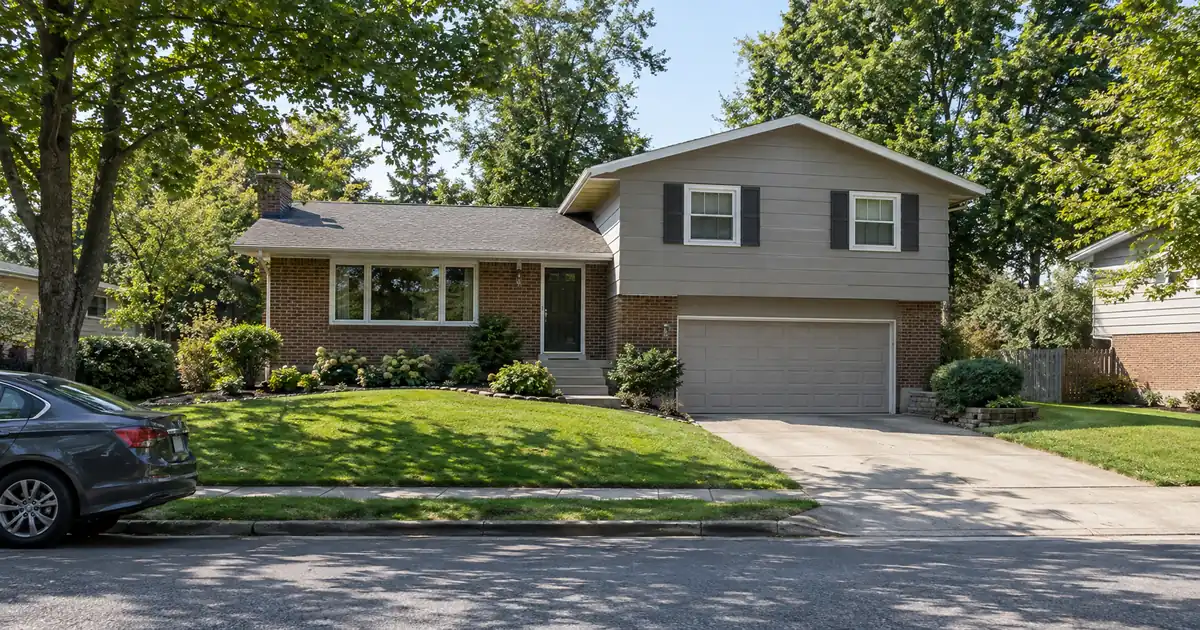
The Quick Read: Compare offers on structure first and pricing second, and put every offer on the same inputs before you compare anything. Across the wholesale network, the cash a file releases is set by whichever test is tighter: equity (a 75% LTV ceiling on cash-out) or rental coverage (rent against the full monthly obligation). Two offers on the same property can release different cash, carry different prepayment terms, and use different rent evidence. This checklist gives you twelve items to line up so the difference shows before you sign. Leverage, reserves, and pricing vary by lender and program; the final terms follow the full file review.
Key Terms Defined
DSCR (debt service coverage ratio): Monthly rent used for lender review divided by the full monthly obligation of principal, interest, taxes, insurance and any HOA dues.
PITIA: The full monthly obligation the ratio is measured against: principal, interest, taxes, insurance and association dues.
Seasoning: The ownership period a lender wants before it allows cash-out, measured here from title recording.
Net proceeds: What reaches your account after payoff of the old loan, closing costs, any prepayment charge and required reserves.
Prepayment structure: The schedule of charges for paying the loan off early, such as a step-down over several years.
Vesting: The name the property is held in at closing, either an individual or an entity such as an LLC, subject to program eligibility.
DSCR Cash-Out Calculator
Run the cash-out numbers in your market
Rate source: Freddie Mac 30-yr average via FRED® — Federal Reserve Bank of St. Louis · effective Oct 8, 2026
Prefilled with starting assumptions — enter your property’s value, balance, taxes, and insurance for a more accurate picture.
Program parameters update from Lendmire’s centralized guideline source. Taxes and insurance are editable estimates.
As of Oct 8, 2026 · General Freddie Mac market benchmark, not a Lendmire loan offer. Property value, balance, taxes, and insurance are editable estimates. Maximum loan-to-value varies by lender, program, property type, and seasoning. Not a Loan Estimate, approval, or commitment to lend. Program availability and eligibility are subject to lender guidelines, credit approval, property review, and underwriting.
Side-by-Side
The two options an investor usually weighs are a DSCR cash-out and a conventional (agency-style) cash-out. The DSCR column reflects how most programs placed through the wholesale network work. The conventional column shows published industry norms, and both options can be arranged through a broker.
| Factor | DSCR cash-out | Conventional cash-out (published norms) |
|---|---|---|
| Review basis | Property rent vs. PITIA | Borrower income and DTI |
| Documentation | Leases, appraisal rent, entity papers, reserves | Personal income, DTI, rental schedules |
| Cash-out leverage | Up to 75% LTV on standard rentals | Set by agency guides and property type |
| Seasoning | About 6 months from title recording | Note-date and ownership tests |
| Entity vesting | Often closes in an LLC, subject to program eligibility | Typically individual name |
| Property count | Generally not the gating test | Financed-property count can cap scaling |
| Reserves | Commonly around 6 months PITIA; varies | Tied to other financed properties |
| Appraisal | Value plus market-rent opinion | Value, plus rent schedule when rent is used |
Programs change and every file is underwritten individually. Treat the DSCR column as typical ranges, not a commitment to lend.
Who Each Option Is Really For
DSCR suits the investor whose strength is the property. Maybe personal income is complicated, the portfolio is large, or the plan is to hold in an LLC. Conventional suits the investor whose strength is the borrower: clean traditional employment income, a low DTI, a small number of financed properties, and a willingness to hold title personally. Neither is better in the abstract. The comparison is about which test your file passes more cleanly. For the full picture of how these loans work, see Lendmire’s complete DSCR loans guide.
One regulatory note, kept short. DSCR loans are designed for non-owner-occupied investment properties. Because they are business-purpose investor loans, they are reviewed differently from a standard owner-occupied mortgage. In practice, that means a DSCR offer may not arrive with the standard consumer disclosure package. Build your own comparison sheet and ask for terms in writing.
Standardize the Quotes Before You Compare
Two quotes are only comparable if they share inputs. Mismatched assumptions are the most common reason one offer looks better than another.
Line up these inputs first:
1. The same property and the same stated purpose for the loan.
2. The same assumed value, or the same appraisal once it lands.
3. The same rent method: lease, market rent, or the lower of the two.
4. The same loan amount and leverage target.
5. The same vesting: LLC or personal name.
6. The same hold period you plan to use for the exit math.
Skip this and you end up comparing a conservative offer to an optimistic one. The optimistic one then shrinks after the appraisal.
The Twelve-Item Offer Checklist
For each offer, confirm the following in writing. 1. review basis and formula. Confirm the ratio is rent against full PITIA, or ask what stress method is used if it differs.
2. Rent selection. Many programs use the lower of the signed lease or the appraiser’s market rent, so an above-market lease does not lift the ratio. A vacant property leans on market rent alone. Short-term rentals use other evidence, such as hosting history or a third-party revenue report, and treatment is program-specific.
3. Maximum cash-out leverage. On standard rentals the network tops out around 75% LTV. Short-term-rental collateral is lower, at 70% for cash-out. Ask whether the ceiling moves with property type or unit count.
4. Seasoning rule. About 6 months from title recording is the common expectation. Ask what starts the clock and whether any exception applies to a hard-money or BRRRR payoff.
5. Reserves. Commonly around 6 months of PITIA, stepping up to about 9 months on loans above $1,500,000. Some conservative rate-term files at modest leverage see reserves waived. Ask how reserves are counted and what accounts qualify.
6. Vesting and guarantor rules. Confirm whether the loan closes in the LLC, whether a personal guarantee is required, and that title, insurance and old-loan names match.
7. Prepayment structure. Ask for the type, the length and the step-down in writing. Ask whether a buyout option exists.
8. Payoff-to-proceeds waterfall. Get a line-by-line view: new loan, minus old payoff, costs, any prepayment charge on the existing loan, and reserves held back.
9. Appraisal ordering and rent form. Find out who orders it, which rent schedule is used, and what happens if value or rent lands low.
10. Occupancy and business-purpose certifications. Read them. Confirm how disclosures are handled.
11. Property eligibility exclusions. Manufactured homes, log homes and barndominiums are not offered in the network’s DSCR programs. Other exclusions, such as non-warrantable condos or unique properties, vary by lender.
12. Coverage after the new loan. Check that the ratio still clears with a cushion at the larger balance. The CFPB’s Regulation Z text exempts credit extended primarily for business or commercial purposes.
Why Equity and Coverage Both Have to Clear
Cash-out raises the balance, so coverage falls as more cash is pulled. That is why the tighter test sets the cash.
Run the check in two passes. First, equity: the new loan cannot exceed the LTV ceiling on the appraised value. Second, coverage: rent used for lender review has to cover the new, larger obligation. A high-proceeds offer can fail its own coverage test once the appraisal rent lands. Select programs start at 1.00. Stronger ratios open better terms and leverage. A separate select-lender path takes coverage below 1.00 with leverage and terms adjusted.
A larger down payment, or a smaller cash-out, lowers the obligation and can lift the ratio. It does not erase leverage caps, credit floors, reserve rules or property eligibility. The strongest files clear both tests.
Clearing 1.00 is also not the same as positive cash flow. Repairs, vacancy, management, utilities and capex sit outside the calculation. Model those separately before you decide how much cash to take.
Reading the Offers: Net Proceeds, Not Gross Equity
Picture an investor with a rental that has built substantial equity, holding three written offers. All three show a headline loan amount. The useful comparison is further down the sheet.
Walk each offer through the same waterfall. Start with the new loan. Subtract the payoff of the existing loan. Subtract closing costs and lender fees. Subtract any prepayment charge on the loan being paid off, which matters most on hard-money payoffs with minimum-interest clauses. Subtract reserves held back. What remains is net proceeds.
Then test coverage at the new balance. Say one offer releases the most cash but leaves coverage barely at the floor, while another releases less and keeps a cushion. The second may be the better file if rents soften or the appraisal comes in light. Pricing lives in the calculator, not in this comparison. Compare structure first.
DSCR vs. conventional financing
There are two common ways to finance an investment property, and they qualify you differently — here’s how investors weigh them.
Why investors choose it
- Qualifies on the property’s rental income — no personal tax returns, W-2s, or pay stubs needed to document income.
- No personal debt-to-income ceiling to clear, so existing mortgages and obligations don’t cap your borrowing the same way.
- Can be closed in an LLC, keeping the property inside a business entity.
- Built for scaling — not held to the limit on number of financed properties that conventional financing applies.
- Underwriting centers on the deal: generally qualifies when the rent covers the payment, a 1.00x coverage ratio being a common baseline (confirmed in underwriting).
- Designed specifically for investment property, including long-term and, where the program allows, short-term rentals.
Where it’s strong
- Often the lowest ongoing financing cost for a buyer who fully qualifies on personal income — a fit for a first property or a cost-first purchase.
Trade-offs for investors
- Requires full personal income documentation and must fit within a debt-to-income limit — salary, existing debts, and other mortgages all count.
- Typically held in your personal name rather than a business entity.
- Caps how many financed properties you can carry, which can become a ceiling as a portfolio grows.
- Evaluates you as a borrower as much as the property, which usually means more paperwork.
How investors usually choose: a first or single property often optimizes for the lowest financing cost; portfolio builders often optimize for leverage, vesting in an LLC, and scaling past conventional caps. The right answer depends on your goals, the property, and current guidelines — both paths run through select lenders in Lendmire’s wholesale network, with eligibility and terms confirmed in underwriting.
When a DSCR Cash-Out Is the Better Fit
DSCR is the stronger path in these situations:
- Property-level strength. Rent covers the obligation cleanly, but personal income is hard to document or does not reflect the portfolio.
- Entity ownership. The property sits in an LLC and you want it to stay there, subject to program eligibility.
- Portfolio growth. A conventional financed-property count would limit the next purchase. The Fannie Mae Selling Guide caps DU-underwritten investment-property transactions at 10 financed properties. DSCR files generally do not run that count, though it is program-dependent.
- Recent acquisitions. About 6 months of title seasoning is the common DSCR expectation, which can be shorter than agency timelines.
- Heavier credit or income complexity. A 620 floor exists in parts of the network, most programs want around 660, and 700 or higher unlocks the strongest leverage tiers.
The trade-off is documentation of a different kind. Leases, appraisal rent, entity papers and reserves all have to be clean. Lighter personal paperwork does not mean no paperwork. Loan sizes run up to $3,000,000 on standard programs, and above $2,500,000 the network generally holds to 30-year fixed structures. Longer terms and interest-only periods are available through select lenders.
For deeper coverage of terms, see Lendmire’s piece on DSCR cash-out refinance terms that decide the outcome.
When a Conventional Cash-Out Is the Better Fit
Conventional is the stronger path in different situations:
- Strong borrower profile. Stable documented income, a comfortable DTI and a small number of financed properties.
- Willingness to hold personally. The Fannie Mae Selling Guide requires property held in an LLC to move into an individual’s name at closing, and counts LLC holding time toward the ownership test only when the borrower controls the entity. If personal vesting is fine with you, that is not a barrier.
- Rent that is thin but income that is strong. When the property’s rent would not clear a coverage test, a borrower-based review can work where a property-based one does not.
- Long hold, simple portfolio. The property-count cap rarely matters if you own a handful of properties.
The trade-offs run the other way. Conventional files lean on personal income, a DTI calculation and rental schedules. The existing first mortgage also has to be seasoned. Per the Fannie Mae Capital Markets announcement, the 12-month first-mortgage rule applies to cash-out refinances with note dates on and after April 1, 2023. That is a market-wide figure and an agency contrast, not a Lendmire network rule. The network figure is about 6 months from title recording.
Why Quotes Change After You Pick One
The offer you accept is rarely the offer that closes. Four things drift.
The appraisal. It produces two outputs. The as-is value is the LTV denominator. The market-rent opinion is the coverage numerator. If either lands under your assumption, the loan gets cut back. Appraisers commonly use forms like the Form 1007 rent schedule and the Form 1025 small income property report to document market rent, as listed on the Fannie Mae forms page. In DSCR practice, it is the appraisal format that is borrowed, not agency eligibility. If rent comes in low, ask about appraisal reconsideration with comparable leases and a documented condition summary.
Rent evidence. A lease that exceeds market rent may be capped at the market figure.
Conditions. Title reconciliation, entity documents and insurance names are the usual late items. Reconcile the old-loan borrower name and the title name early.
Lock expiry and structure changes. Confirm in writing what is fixed and what can move.
Questions to Ask Each Lender or Broker
Copy these into your comparison sheet:
- What exact formula produces the coverage ratio, and which rent figure goes into it?
- What is the cash-out ceiling for this property type and unit count?
- What starts the seasoning clock, and are there exceptions?
- How many months of reserves, and which assets count?
- Does the loan close in my LLC, and is a personal guarantee required?
- What is the prepayment schedule, and is a buyout available?
- What happens if the appraisal value or rent is lower than assumed?
- Which property types or conditions are excluded?
Prepayment deserves extra weight. It is part of your break-even math. A short hold or a plan to refinance again can erase the benefit of the cash-out. State rules can also limit prepayment penalties, so ask how the offer treats that.
Red Flags in a Term Sheet
- Undefined fee lines or “other charges” with no description.
- Vague prepayment language with no schedule.
- A conditional approval that leaves value, rent or reserves open.
- A headline loan amount with no payoff-to-proceeds waterfall.
- A coverage figure that does not state the rent method.
- Quotes that cannot be matched on date, loan amount or assumptions.
The Walk-Away Rule
Sometimes no offer beats the loan you have. If net proceeds are small after costs and prepayment, coverage barely clears at the new balance, and your hold period is short, keeping the existing loan is a legitimate answer. Another product may fit better, such as a rate-term file or an investment-property HELOC. HELOC lines cap at $500,000 total. Lendmire’s cash-out refinance requirements checklist covers equity, credit, ratios and reserves in more detail.
Common Misconceptions
“No documentation.” Personal paperwork is lighter, but leases, appraisal rent, entity papers and reserves are still required.
“A higher lease raises my ratio.” Typically the lower of lease or market rent governs.
“75% LTV means I get 75% in cash.” Leverage is a ceiling. Payoff, costs, reserves, prepayment and thin rent all reduce what is released. Terms vary by lender guidelines, property type, leverage, credit profile, and full file review.
“Seasoning is a legal rule.” It is lender policy, and it differs across programs.
“Every cash-out closes in my LLC.” It depends on the program. Agency-style loans do not.
The Balanced Verdict
DSCR wins when the property is the strongest part of your file, when you hold in an entity, or when you are scaling past what a borrower-based test comfortably allows. Conventional wins when your income is clean, your DTI is low, and personal vesting is acceptable. In both cases, the right offer is the one with the best net proceeds, a coverage cushion after the larger balance, and a prepayment structure that matches your exit plan.
Tax treatment can depend on how the funds are used and how the property is held; investors should keep clear records and speak with a qualified tax professional before relying on any deduction.
If you are buying or refinancing a rental property and want to see how the numbers work, Lendmire can help you compare DSCR Investor Loans options based on the property income, credit profile, leverage, and investor goals. Lendmire is a broker arranging financing through select lenders in its wholesale network across 41 markets, including Washington, D.C. Qualification is subject to lender guidelines, and nothing here is a commitment to lend.
Frequently Asked Questions
How many written offers should I compare?
Two or three is enough if they share the same inputs. More offers help only if you can match the property, leverage, rent method and vesting across them. Otherwise you are comparing noise.
Does the highest cash-out offer win?
Not by default. The highest headline amount can leave thin coverage at the new balance and heavy prepayment exposure. Compare net proceeds, the coverage cushion and the exit cost together.
How long do I need to own the property before a DSCR cash-out?
About 6 months is the common expectation across the network, measured from title recording. Exceptions for hard-money or BRRRR payoffs vary by program, so ask for the rule in writing.
Which rent counts toward the ratio?
Many programs use the lower of the signed lease or the appraiser’s market rent. Vacant properties rely on market rent, and short-term rentals use operating history or a third-party revenue report. Treatment is program-specific.
Can I qualify with coverage below 1.00?
A path exists through select lenders in the network, with leverage and terms adjusted. Select programs otherwise start at 1.00, and stronger ratios open better terms. Eligibility depends on the lender, credit profile, reserves and property review.
A deeper walk-through of investment-property equity extraction lives in Lendmire’s guide to cash-out refinance on an investment property.
About Lendmire
Lendmire — NMLS# 2371349 — is a DSCR and non-QM mortgage brokerage with investor loan programs in 41 markets, including Washington, D.C. DSCR eligibility is commonly reviewed by the lender around property-level rent rather than personal income documentation, subject to lender guidelines, and the brokerage helps arrange financing for LLC-owned portfolios beyond conventional financed-property limits. Recognized by Scotsman Guide as a Top Mortgage Workplace in 2025 and 2026.
Get Started
Ready to find the right loan for you?
In about 30 seconds you can review financing options available for your investment property. No commitment required.
Informational only. Not a Loan Estimate, approval, or commitment to lend. Program availability and eligibility are subject to lender guidelines, credit approval, property review, and underwriting.
References
1. CFPB Regulation Z, 12 CFR 1026.3
2. Fannie Mae Selling Guide B2-2-03, Multiple Financed Properties
This article is part of Lendmire’s investment property cash-out refinance program — full qualification details, guidelines, and scenarios live on the program page.
Related reading: DSCR Hard Money Payoff Rules for Cash-Out vs Payoff-Only Files · Can a Retired Landlord Get a Rental Cash-Out Refinance on Rent Alone? · DSCR Blanket Loan Release Prices, Paydowns and Lender Consent
Brandon Miller
Founder & CEO, Mortgage Loan Originator, Lendmire LLC
- Mortgage Loan Originator · NMLS# 1129696 · Verify on NMLS Consumer Access
- North Carolina Real Estate Broker · License# 343312 · Verify on NCREC
- North Carolina Insurance Producer · License# 19053198 · Property, Casualty, Life, Health · Verify on NAIC SBS
- Lendmire LLC · Firm NMLS# 2371349 · Verify firm licensure
Disclosure information. Lendmire is a state-licensed mortgage brokerage under NMLS# 2371349. Lendmire is not a depository institution, direct lender, or financial advisor — all loans referenced are placed through wholesale lender partners and are subject to each lender's underwriting standards. This article is provided for general informational purposes and is not a commitment to lend, nor does it constitute financial, legal, or tax advice. Loan programs, terms, rates, and qualification standards change without notice and depend on borrower profile, property type, and the state in which the subject property is located. Equal Housing Opportunity provider. NMLS Consumer Access: nmlsconsumeraccess.org.