
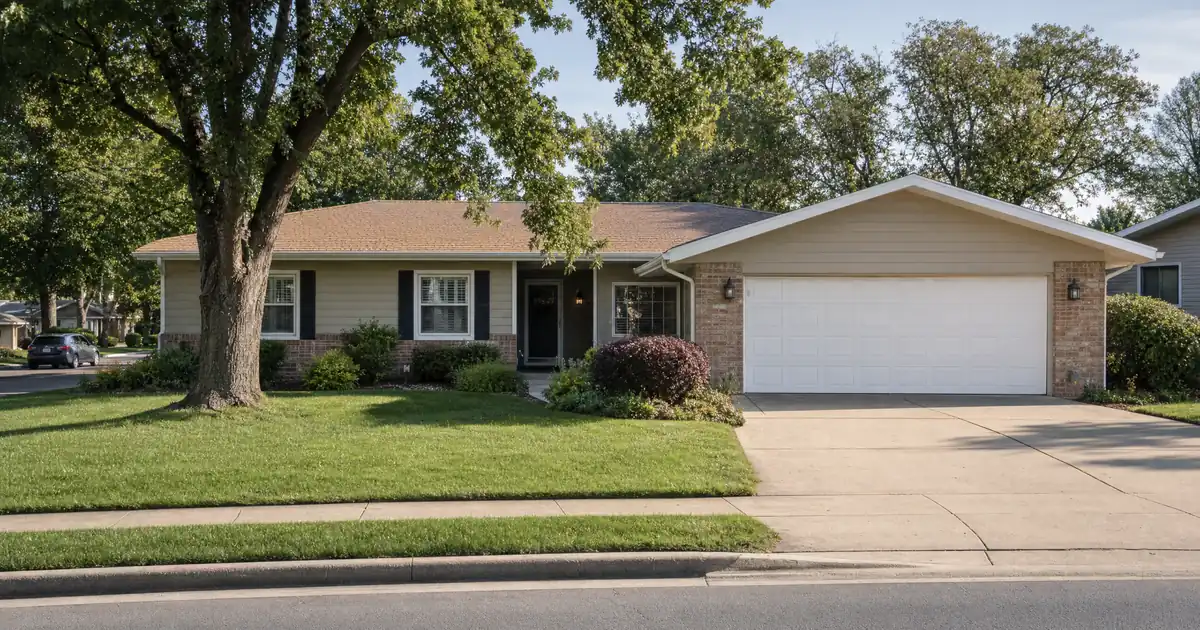
The Quick Read: An appraiser prepares this exhibit. For a single-family rental, it’s Form 1007. For a 2-4 unit building, it’s Form 1025. The appraiser looks at comparable rentals and forms an independent opinion of what the property can rent for. Underwriters use that number to calculate the debt-service-coverage ratio on a DSCR loan. They don’t use the investor’s pro forma. They don’t always use the signed lease either. This is a property-specific appraisal document. It is not a national rent-trend report from a data aggregator.
Investors run into two very different things labeled “rent report” or “market data report.” Mixing them up costs deals. One is a marketing tool. Think of an online rent estimate or a broker’s comp pull used to set a listing price. The other is a loan-file document. This article covers the second one. That’s the version that decides whether a DSCR file clears the lender’s coverage threshold. It also decides how much leverage a lender will extend.
DSCR Calculator
Run the numbers in your market
Rate source: Freddie Mac 30-yr average via FRED® — Federal Reserve Bank of St. Louis · effective Aug 20, 2026
Prefilled with starting assumptions — enter your own rent or nightly figures, taxes, insurance, and HOA for a more accurate picture.
Program parameters update from Lendmire’s centralized guideline source. Taxes and insurance are editable estimates.
As of Aug 20, 2026 · General Freddie Mac market benchmark, not a Lendmire loan offer. Rent, nightly rate, occupancy, taxes, and insurance are editable estimates. Short-term rental figures are estimates only and vary significantly by season, property type, management approach, and local short-term-rental rules — confirm local regulations before relying on them. Qualifying income for short-term rentals varies by program — some use appraisal market rent, others use documented STR history or projections — and is confirmed in underwriting. Not a Loan Estimate, approval, or commitment to lend. Program availability and eligibility are subject to lender guidelines, credit approval, property review, and underwriting.
Market Snapshot
Here’s a quick look at the investor landscape. These figures come from the sources cited below. Always confirm current property-level numbers before underwriting.
| Metric | Detail |
|---|---|
| Typical rents | $1,388 national median (Apartment List, National Rent) |
| Vacancy | 7.3% q2 2026 rental rate (U.S. Census Bureau, Housing) |
The Two Meanings of “Market Data Report”
A rent-trend report tracks rent movement across a metro or the whole country. It gives context. A market data report inside a loan file is different. It’s a property-specific number that an appraiser produces. Lenders use it to review the loan. Confusing the two is a common reason an investor’s rent math doesn’t match what the underwriter actually uses.
National rent aggregators publish useful big-picture numbers. Apartment List’s National Rent Data shows the national median rent at a modest monthly level as of July. That number edged up slightly for the month. Zillow’s rent research shows something else. Single-family rents run well above the multifamily average nationally, and they’re up year over year. Multifamily rents sit lower, with slower growth. Heavier new apartment supply is pulling multifamily rent growth down. These numbers work as a sanity check. They tell an investor whether their rent assumption is reasonable given current conditions.
None of that data goes in a DSCR loan file, though. What goes in the file is the appraiser’s Form 1007 or Form 1025 conclusion. The appraiser builds this number from three specific comparable rentals near the subject property. Each comp gets adjusted for condition, size, location, and lease terms. That’s the market data report a lender actually relies on.
How the Appraiser Builds the Number
The appraiser pulls three comparable rentals near the subject property. Each one gets adjusted for differences in condition, size, location, and lease terms. The result is a supported rent conclusion. It’s not a guess. It’s not a listing-site estimate. It’s a documented opinion, built the same way a sales-comp appraisal is built.
For a single-unit rental, that’s Form 1007, the Single-Family Comparable Rent Schedule. The appraiser compares each comp against the subject property. The goal is a well-supported opinion of current market rent. Fannie Mae designed this methodology, and the non-QM world borrowed it. Why? It’s the only standardized, third-party-verified rent framework in residential appraisal practice, according to Fannie Mae’s Selling Guide. DSCR loans are business-purpose, non-agency products. They don’t follow agency underwriting rules. But the rent-schedule form became the shared standard anyway, because nothing else fills that role.
For a 2-4 unit building, it’s Form 1025, the Small Residential Income Property Appraisal Report. This one goes deeper. It documents current rent, market rent, and vacancy for every single unit, then rolls those numbers into a total. That per-unit requirement matters more than it sounds. The appraiser can’t just look at the strongest unit and assume the rest match it. Say one unit in an otherwise strong fourplex sits vacant or leases under market. That single weak unit drags down the blended rent figure for the whole property.
Neither form covers buildings with five or more units. Those fall under commercial and multifamily appraisal methodology entirely. That’s outside the 1007/1025 framework, and outside standard DSCR investment-property underwriting.
Lower of Lease or Market: How Underwriting Actually Uses the Number
Underwriting almost always uses whichever number is lower: the appraiser’s market rent conclusion, or the actual signed lease amount. It never picks whichever number helps the borrower more. This rule is mechanical, not up for debate. And it’s the most misunderstood piece of DSCR rent qualification.
If a property already has a tenant under a signed lease, that lease is the starting point. But the appraiser’s market-rent conclusion acts as a ceiling on top of it. Say an investor has a tenant paying above market rent. That investor doesn’t get to use the higher lease figure to qualify. The file caps out at the supportable market number instead. Run the numbers on a duplex where one unit leases well above the appraiser’s comp-based conclusion. That above-market lease usually doesn’t lift the usable rent figure. It doesn’t translate into a bigger qualifying loan amount, either. The appraiser’s number wins.
For a vacant property, or a fresh purchase with no lease yet, the appraiser’s opinion is the only figure available. There’s no lease to compare it against. So the Form 1007 or 1025 conclusion carries the whole file.
On the agency side, Fannie Mae goes a step further. It applies a 75% haircut to whichever rent figure gets used, according to the Fannie Mae Selling Guide summary. DSCR programs don’t follow that specific rule. Each non-QM lender sets its own gross-rent treatment. But the agency practice makes a broader point. Even with a comparable form in place, lenders rarely take a rent figure at full face value. Some conservative adjustment usually gets built into the file.
Where This Breaks Down: STRs, Mixed-Use, and Rent-Controlled Units
Short-term rentals are the biggest edge case. Form 1007 wasn’t built for them. The form leaves out vacancy rates, business expenses, and other short-term-rental-specific data. It assumes a standard annual lease instead, according to McKissock Learning’s appraiser guidance. That’s why some appraisers turn to a specialized data source like AirDNA to estimate STR income instead. It’s also why lender treatment of STR income varies so much across the non-QM space. Some programs qualify off average trailing income. Some cap assumptions more conservatively. Some default entirely to the appraiser’s long-term Form 1007 estimate as a fallback. That fallback treats the property as if it were leased annually. It usually produces a lower qualifying figure than a platform-based STR revenue estimate. Lendmire’s guide on using a market data report to qualify a short-term rental walks through how that substitution plays out file by file. It also compares twelve months of hosting history against a market data report, and covers which one a given lender leans on more.
Mixed-use properties create a separate wrinkle. Say a small multifamily building has ground-floor commercial space. That commercial income sits entirely outside the residential rent-schedule methodology. It doesn’t get blended into the Form 1025 gross-rent figure. Only the residential units count toward the DSCR number.
Rent-regulated or below-market-lease situations follow the same conservative logic seen everywhere else here. Sometimes legal or regulated rent doesn’t match actual collected rent. When that happens, underwriting typically defaults to the more supportable, more conservative figure. It won’t use a theoretical ceiling the property could charge under different circumstances.
Across Lendmire’s wholesale network, files built around ground-floor commercial income or rent-controlled leases tend to come in lower than the investor expected at the offer stage. The fix isn’t complicated. Pull the appraiser’s likely comp set before writing the offer, not after the appraisal lands.
What Investors Should Actually Do With This
Confirm the likely rent conclusion before going under contract, not after the appraisal comes back. A below-market lease can quietly create a coverage shortfall the investor didn’t plan for. Remember, the appraiser’s opinion drives the qualifying DSCR figure, not the investor’s pro forma.
That means pulling actual comparable leases in the immediate area. Don’t rely on listing prices or an online estimate. Do this before assuming a rent number for underwriting purposes. It also means understanding something important: a DSCR appraisal does double duty. It sets the property’s value, and it sets the rent figure the lender will use to qualify the loan. Those are two separate conclusions inside one report.
Broader rent conditions shape what an appraiser can realistically support right now. National vacancy sat at 7.3% in the second quarter, according to Census Bureau data. That’s not statistically different from the year before, but it does signal that rents aren’t accelerating the way they did a few years back. Chandan Economics puts national multifamily rent growth at 1.2% year over year as of May. That’s up slightly from April, but it’s still near the slowest pace since early 2021. In a flat-to-cooling environment like this, an investor underwriting off an optimistic rent assumption is more likely to see the appraiser’s number land below the model. That compresses DSCR, and it compresses loan proceeds too. Lendmire’s guide to the complete DSCR loan framework covers how that coverage ratio interacts with leverage and pricing across the file more broadly.
How This Plays Into Actual DSCR Numbers
Coverage math starts with whatever rent figure the appraiser or the lease supports. Select programs in Lendmire’s wholesale network begin at 1.00. At that threshold, the property’s supportable rent covers its full monthly obligation. That’s a floor for specific programs, not a universal standard. Stronger ratios open better pricing and leverage across most files. Files that clear closer to 1.20-1.25x on the appraiser’s number tend to have more room to negotiate leverage than ones sitting right at breakeven.
Most purchase files in the network land at 75%-80% loan-to-value. A handful of higher-leverage programs reach 85% for borrowers around a 700 credit score. Cash-out refinances top out closer to 75% LTV across most of the network. Investors should expect roughly six months of seasoning before that equity becomes available to pull. On the credit side, a 620 floor exists in parts of the network. But most programs want something closer to 660, and a score of 700 or higher tends to unlock the strongest leverage tiers. None of these are guaranteed terms. They’re typical ranges seen across a wholesale network of DSCR lenders. Every file gets underwritten individually against its own rent conclusion, property, and borrower profile.
Coverage below 1.00 isn’t automatically a dead end. Select lenders in the network will still work with it, adjusting leverage and terms accordingly. It’s a different path than the standard 1.00-plus file, but it’s a real one. Reserve requirements vary by lender, leverage, and loan size. Commonly, that’s around six months of PITIA. Conservative rate-and-term files at modest leverage sometimes get reserves waived entirely. Larger loans above roughly $1.5 million typically step up to around nine months of reserves.
None of this means positive cash flow, and it’s worth being precise about that. A property clearing 1.00 covers its principal, interest, taxes, insurance, and HOA dues at that threshold. That’s all it covers. It says nothing about repairs, vacancy loss, property management fees, utilities, or capital expenditures. All of those sit outside the DSCR calculation entirely. An investor who treats a 1.05 coverage ratio as breathing room will likely find the actual cash-on-cash return thinner than expected, once those line items get factored in.
For a purchase or refinance where the property is already leased and cash flowing, Lendmire’s guide to refinancing with a DSCR loan without personal income verification covers how the same lower-of-lease-or-market principle applies when pulling equity out of an existing rental. And for anyone assembling a file on a 2-4 unit building, Lendmire’s breakdown of market data report requirements for STR loans covers the specific documentation a lender wants around the Form 1025 conclusion. That breakdown applies the same per-unit logic to short-term-leased small multifamily properties.
DSCR loans are business-purpose loans for non-owner-occupied investment property. That’s why they’re reviewed differently than a standard owner-occupied mortgage. Qualification runs primarily off the property’s rental income covering the payment, not personal income documentation, subject to lender guidelines. Manufactured housing (single- and double-wide), log homes, and barndominiums fall outside these DSCR programs entirely. That’s true no matter how strong the rent-schedule number comes back.
Key Terms Defined
Form 1007 — Fannie Mae’s Single-Family Comparable Rent Schedule. Appraisers use this exhibit to document market rent on a one-unit investment property.
Form 1025 — The Small Residential Income Property Appraisal Report. Used for 2-4 unit buildings, it documents current rent, market rent, and vacancy for each unit, then rolls those numbers into a total figure.
DSCR (Debt-Service-Coverage Ratio) — Rent used for lender review, divided by the monthly PITIA obligation. It measures whether the property’s income covers its own payment — not the investor’s total cash flow.
PITIA — Principal, interest, taxes, insurance, and any HOA dues. This is the full monthly obligation used in the DSCR denominator.
Lower-of-lease-or-market rule — The underwriting convention of using whichever figure is lower: the signed lease or the appraiser’s market-rent conclusion. Lenders never pick whichever number benefits the borrower more.
Frequently Asked Questions
Does a higher listed rent from an online estimator help me qualify for more?
Not on its own. Underwriting relies on the appraiser’s Form 1007 or 1025 conclusion, or the actual lease if the property is occupied. An online rent-estimate tool isn’t a substitute for either one. It typically won’t even appear in the loan file.
What happens if my tenant pays more than the appraiser’s market rent conclusion?
Generally, the higher lease amount doesn’t raise the qualifying figure. Underwriting typically caps the usable rent at the appraiser’s supportable market conclusion. The lease only works as the number when it’s at or below that market figure.
Can I use a short-term rental’s Airbnb income instead of the Form 1007 number?
Sometimes, depending on the lender and program. Many programs in Lendmire’s network allow short-term rental income, though treatment varies. Some use average trailing history. Some default to the conservative long-term Form 1007 estimate as a fallback. Terms around permits, occupancy assumptions, and reserves also get more program-specific than on a standard long-term rental.
Does a market data report cover buildings with 5 or more units?
No. Form 1007 covers one-unit properties, and Form 1025 covers 2-4 unit residential properties. A building with five or more units falls under commercial and multifamily appraisal methodology entirely, outside that framework.
If a property sits vacant with no lease, how does the lender determine rent used for lender review?
The appraiser’s market-rent conclusion carries the file entirely in that scenario. With no lease to compare against, there’s no lower-of-lease-or-market comparison to run. The Form 1007 or 1025 opinion is the only number available.
Program availability, loan terms, and eligibility are subject to lender guidelines, credit approval, property review, and full underwriting. This article is educational. It is not a loan offer or a commitment to lend.
About Lendmire
Lendmire, NMLS# 2371349, is a mortgage broker. It arranges DSCR financing through select lenders across a wholesale network spanning 40 states plus Washington, D.C. — 41 markets in total. It doesn’t fund or underwrite loans directly. Lenders in that network review eligibility, order the appraisal, and make the approval decision. Investors can call 828-256-2183 or request a quote to see how a specific property’s likely rent conclusion lines up with available leverage. Scotsman Guide named Lendmire a Top Mortgage Workplace in both 2025 and 2026.
Loan approval is never guaranteed, and nothing here is a commitment to lend. Every scenario described here is subject to lender approval and to borrower, property, and program guidelines, which can change. This article offers general information, not financial, legal, or tax advice. Investors should confirm current program details directly with Lendmire, and consult a qualified tax professional before relying on any deduction or tax treatment tied to a rental property.
Get Started
Ready to find the right loan for you?
In about 30 seconds you can review financing options available for your investment property. No commitment required.
Informational only. Not a Loan Estimate, approval, or commitment to lend. Program availability and eligibility are subject to lender guidelines, credit approval, property review, and underwriting.
References
1. Apartment List, National Rent Data
2. U.S. Census Bureau, Housing Vacancies and Homeownership
3. Zillow Research, June 2026 Rent Report
4. Fannie Mae Selling Guide, B3-3.8-01 Rental Income
5. McKissock Learning, Form 1007 & STR Appraisals
6. Chandan Economics, June 2026 Multifamily Rent Growth Update
This article is part of Lendmire’s DSCR loan program — full qualification details, guidelines, and scenarios live on the program page.
Related reading: What Is Projected Rental Income On An Appraisal? · The DSCR Appraisal: 1007 Rent Schedules, Comps, and What Gets Ordered · What Is The Gross Rent Factor? How It Shapes DSCR Approval
Brandon Miller
Founder & CEO, Mortgage Loan Originator, Lendmire LLC
- Mortgage Loan Originator · NMLS# 1129696 · Verify on NMLS Consumer Access
- North Carolina Real Estate Broker · License# 343312 · Verify on NCREC
- North Carolina Insurance Producer · License# 19053198 · Property, Casualty, Life, Health · Verify on NAIC SBS
- Lendmire LLC · Firm NMLS# 2371349 · Verify firm licensure
Disclosures. The information presented in this article is general market commentary, not financial, legal, or tax advice. Lendmire is a mortgage brokerage (NMLS# 2371349) — not a direct lender or depository institution — and loan placement is subject to lender underwriting. Nothing in this content represents a commitment to lend. Loan terms, pricing, and program availability vary based on borrower qualifications, property characteristics, and state of subject property, and are subject to change at any time. Lendmire complies with Equal Housing Opportunity requirements. Consumer access: nmlsconsumeraccess.org.