
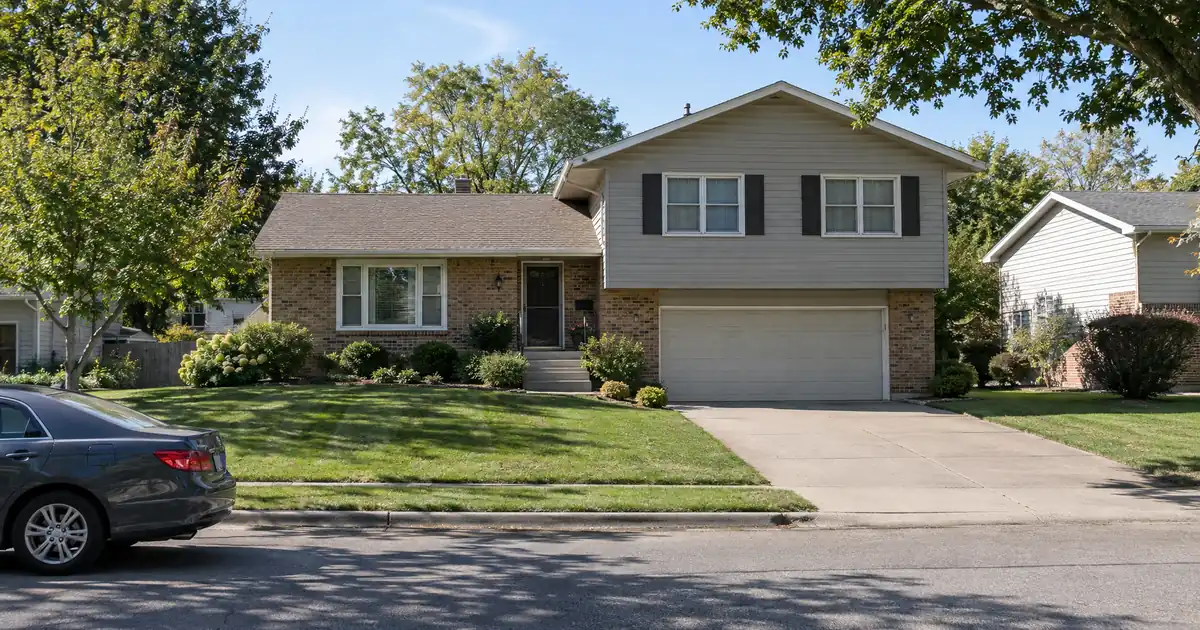
The Quick Read: A low number on a rental line usually shrinks the line rather than ending the application, so the first move is to find out whether the low number is value or rent. On an investment property, the network’s HELOC tops out at 70% CLTV, and the line is sized by value, not by rent. A low rent figure matters on a DSCR loan, not on the HELOC.
- A low value cuts the line through combined LTV math. The investment ceiling is 70% CLTV, with no tier above it.
- Investment lines cap at $500,000 and are almost always valued by an automated model, so there may be no appraiser to appeal to.
- A low rent figure breaks DSCR coverage, which is a different product with a different test.
- Audit the report for factual errors first. Opinion rarely moves a number; documents do.
- If the line stays too small, the realistic pivots are waiting, resizing, or a DSCR cash-out.
Which Appraisal Did You Actually Get?
The title mixes two products, and the fix depends on which one you hold. A HELOC on a rental is underwritten on the borrower and the equity in the property. A DSCR loan is underwritten on the rent the appraisal reports. Same word, different problem.
How large a line the equity supports.
An equity line is sized by combined loan-to-value, occupancy, and credit — not by rental coverage. Switch the occupancy or the credit band and the ceiling moves with it.
Investment-property lines require a 700 minimum credit score; second-home lines start at a 640 minimum and primary-residence lines at 600, and the combined-LTV ceiling steps down as the credit band drops on primary-residence and second-home lines and holds on investment-property lines; the line cap steps down on primary-residence lines and holds at every tier on investment-property and second-home lines.
A debt-to-income ratio above 45% requires 680+ credit. Profiles under 640 are limited to single-family homes. At least 75% of the approved line is drawn at closing. Ceilings, floors, and caps update from Lendmire’s centralized guideline source.
Line estimate
Illustrative estimate only — not a quote, Loan Estimate, approval, or commitment to lend. The rate is an editable assumption; equity-line pricing is variable through both the draw and repayment periods and never converts to fixed. Occupancy and credit drive the ceiling together: an investment property tops out at 70% combined LTV (minimum credit 700, line cap $500,000); a second home tops out at 90% combined LTV (minimum credit 640, line cap $500,000), with the ceiling stepping down as the credit band drops (the cap holds at every tier); a primary residence tops out at 90% combined LTV (minimum credit 600), and its $750,000 maximum line is available only at 75% combined LTV or below with a 700-or-better credit profile (720 on the longer-runway program) and a full appraisal. Lines above $500,000 require a full appraisal. Credit, debt-to-income, property type, and full underwriting review all affect the final line.
Across the wholesale network, an investment HELOC is a standalone line in first or second lien position, capped at $500,000. Full appraisals begin only above $500,000, so an investment line sits in the automated-valuation lane. A borrower can still request a full appraisal. Availability is limited to Lendmire’s 16 full-service states, which is narrower than its DSCR footprint, and every figure here is subject to lender guidelines.
So a “low appraisal” on a rental HELOC almost always means a low value. A “low rental appraisal” means low market rent, and that belongs to DSCR files. Sort that out before you spend a dollar on a dispute.
What a Low Value Does to a Rental Line
A lower value raises the combined loan-to-value on the same debt, which shrinks the room left for a new line. The investment ceiling is 70% CLTV at a 700 or 720 credit profile. Both reach the same ceiling, so a higher score buys eligibility, not leverage. And 700 is a hard floor with no tier beneath it.
Consider a first-time landlord whose single rental has a first mortgage near 60% of the value they expected. At that value, there is about 10 points of headroom under the 70% ceiling. Now say the valuation comes in lower and the same mortgage reads closer to 65% of the new value. Headroom falls to roughly 5 points. A modest value miss cut the available line by about half. That is why leverage this thin turns small errors into big cuts.
Bankrate notes that investment-property HELOC criteria are tighter than primary-residence criteria, and that lenders look at the property’s financials too. That matches what shows up in files: little cushion, so little forgiveness.
Why Rental Valuations Come In Low
Most low numbers trace to a short list of causes. Some are fixable.
| Cause | How to spot it | Fixable? |
|---|---|---|
| Wrong square footage or bed/bath count | Compare report to your deed and listing | Yes, with documents |
| Unit count or type misread | Check 2-4 unit classification | Yes |
| Work not reflected | Compare to permits and receipts | Yes, with records |
| Weak comps | Comps differ in size, age, or condition | Sometimes |
| Model limits on a tenant-occupied home | Value tracks neighborhood data, not condition | Usually via full appraisal |
| Thin equity on a recent purchase | Value is right; debt is simply high | No |
The last row matters most for a first-timer. If you bought recently, the value may be correct and the equity just isn’t there yet. Separate “the number is wrong” from “the math is tight” before you build an appeal.
Automated Value or Full Appraisal?
The remedy differs by valuation type. An automated model has no human to argue with. A full appraisal has a report you can audit line by line.
| Factor | Automated valuation | Full appraisal |
|---|---|---|
| Typical on an investment line | Yes, at or below $500,000 | Only above $500,000 or by request |
| What you can challenge | The inputs and the choice of method | Facts, comps, and adjustments |
| Main remedy | Request a full appraisal | Reconsideration through the lender |
| Cost to you | Usually none | Appraisal fee |
If the model’s number looks off, the practical route is to ask for a full appraisal. A higher combined leverage can also trigger a secondary valuation, so ask what the file actually ordered.
The Rental Audit Checklist
Work the report in this order.
1. Property facts. Square footage, bedroom and bathroom count, lot, and unit count. A missed bathroom is a documented error, not an opinion.
2. Property type. A duplex read as a single-family, or the reverse, changes the comp set entirely.
3. Improvements. Match each repair or upgrade to a receipt or permit. Work with no paper trail is hard to credit.
4. Comparable quality. Look at size, age, condition, and distance. Comps that are plainly different properties are the strongest thing to challenge.
5. Occupancy notes. A tenant-occupied home can limit what an appraiser sees. Note anything the report could not access.
Skip anything that amounts to “my number was higher.” Disagreement without evidence rarely wins.
Building and Filing the Appeal Packet
A reconsideration of value is a written request that the valuation be reviewed because of documented errors or better comparable sales. It goes through the lender or broker, never straight to the appraiser.
| Item | Source | What it proves |
|---|---|---|
| Deed or county record | Public record | Correct size and unit count |
| Permits and receipts | Your files | Upgrades the report missed |
| Three to five recent sales | Local listings data | Better comps in size and condition |
| Photos | Your own | Condition and features |
Keep the request specific. Name each error, attach the proof, and state what you want changed. Several mistakes sink an appeal: arguing opinion, using non-comparable sales, and filing after the file has moved on. Success is never guaranteed, and no reliable public figure exists on how often these reviews succeed.
Should You Order a Full Appraisal?
Order one when the automated number is the problem and you have reason to believe a person on site would see more. That is typical when you have documented upgrades, an unusual layout, or a multi-unit property. Skip it when the real issue is thin equity. A full appraisal that confirms the same value costs you the fee and gains nothing.
Where Low Rent Breaks the File: The DSCR Side
This is where rent really counts. On a DSCR loan, the appraiser’s rent schedule is the numerator. Fannie Mae’s Form 1007 is the single-family comparable rent schedule. It uses comparable rentals and allows adjustments only for significant differences. DSCR lending borrowed the form, though it is not an agency product here. For 2-4 units, the companion form is Form 1025.
Rent comes from the appraiser, not from you. Most DSCR files use the lower of the signed lease or the appraised market rent. An above-market lease gets capped. A below-market lease pulls the ratio down. Conventional lending treats rent differently; Fannie Mae’s Selling Guide lets lenders use a lease or a rent schedule and asks for evidence of rent actually paid. That is contrast only, since DSCR loans follow their own guidelines.
On DSCR files in this network, 1.00 is where select programs start, and a separate select-lender path takes coverage below 1.00 with leverage and terms adjusted. Clearing the ratio is not positive cash flow. Repairs, vacancy, management, and capex sit outside the calculation.
Rent evidence is the quiet friction point for a first-time landlord. A vacant rental has only the rent schedule to carry the file. If the schedule lands low, a lease at a higher number may not help, because the lower-of rule applies. Some channels allow a variance when a current lease exists, and some allow an appraisal transfer. Others hold to the schedule number. That varies by lender, so a file stuck at one lender can sometimes move to another.
Short-term rentals are a separate case. The rent schedule assumes an annual lease, and an appraiser cannot just multiply a nightly rate out to a month. Short-term rental rules can vary by city, county, HOA, and property type, so investors should confirm local rules before relying on projected rental income.
If the Appeal Fails: Four Routes
| Route | Works when | Trade-off |
|---|---|---|
| Wait and revalue | Equity builds or the market moves | Time without the capital |
| Resize the request | A smaller line still fits the plan | Less cash |
| Borrow against another property | You own one with more equity | Adds a lien elsewhere |
| Switch to a DSCR cash-out | Rent covers the new loan, or the property is in an LLC | Different test, different terms |
The title point matters here. An LLC cannot hold title on the HELOC product, so a property already deeded to an LLC needs a vesting change or a DSCR cash-out instead. Cash-out tops out around 75% LTV on a standard rental across most of the network, with about 6 months of seasoning as the common expectation. Credit floors, reserves, and property eligibility still apply. Manufactured homes, log homes, and barndominiums are not offered. The exact numbers vary by lender and program and follow a full review of property, leverage, and credit.
Check coverage on the new, larger loan too. Rent that worked against the old balance can fail against the new one. Taking the maximum cash-out leaves almost no cushion if rent lands soft. The complete DSCR loans guide covers how the alternative works. Final terms depend on the lender’s guidelines, the property type, and the borrower’s complete credit picture.
First-Time Landlord Pitfalls
Most bad outcomes come from the same few habits.
- Treating a lease or a listing-site rent as the rent used for lender review. The lender decides qualifying income, not the lease.
- Disputing without documents.
- Borrowing to the ceiling, then having no room when rent or value dips.
- Assuming rent can stand in for equity on a personally underwritten line. It cannot.
- Pre-appraisal quotes treated as final. A quote is an estimate; ask what happens to terms if value or rent lands lower.
One more habit: stress-test before paying for any report. Run the ratio at a lower rent and a lower value and see whether the plan still holds. If it only works at the best case, the file has no margin.
Key Terms Defined
CLTV: Combined loan-to-value, which adds every lien on the property and divides by its value.
Reconsideration of value: A written request, filed through the lender, asking that a valuation be reviewed for documented errors or better comps.
Automated valuation: A model-generated value with no on-site visit or appraiser.
Form 1007: The appraiser’s comparable rent schedule for a one-unit rental, used to set market rent.
DSCR: Rent divided by the full monthly housing cost, meaning principal, interest, taxes, insurance, and any association dues.
Tax treatment can depend on how the funds are used and how the property is held; investors should keep clear records and speak with a qualified tax professional before relying on any deduction.
Frequently Asked Questions
Does a low appraisal cancel my rental HELOC?
Usually not. It shrinks the line by raising combined LTV against the 70% investment ceiling. If the existing debt already sits at or above that ceiling at the new value, there may be no line left to offer, which is the point where waiting or another product comes in.
Can I appeal an automated valuation on an investment line?
There is no appraiser to argue with, so the practical step is asking for a full appraisal. A borrower can request one in any case. Bring the same evidence you would use in an appeal: documented errors, receipts for upgrades, and better comps.
Will a lease at a higher rent fix a low rent figure?
On DSCR files, rarely. Most programs use the lower of the lease or appraised market rent, so a high lease is capped. Some lenders allow a variance when a current lease exists, but that depends on the lender and the file.
Does a rental HELOC need a rent appraisal?
Typically no. It is valued by an automated model and underwritten on the borrower and the equity, not on rent coverage. Rent matters on a DSCR loan, where the rent schedule drives the ratio.
What if my rental is in an LLC?
The HELOC cannot be written on LLC-held title. That points to a DSCR cash-out, subject to program terms, or a vesting change back to the individual borrower.
If you are considering a home equity line and want to see how the numbers work, Lendmire can help you compare HELOC options based on the property, the equity available, credit profile, combined leverage, and your goals. A rental line that comes in short is usually a sizing problem, and the next property decision depends on how much equity is really there. Lendmire’s piece How Much a Rental HELOC Lends a First-Time Landlord With One Rental shows the sizing math in more detail.
About Lendmire
As a mortgage broker (NMLS# 2371349), Lendmire helps homeowners and real estate investors in its 16 full-service states open home equity lines of credit arranged through wholesale lenders. Lendmire is never the lender; line amounts, ceilings and terms are set by the lender under its guidelines. Scotsman Guide named Lendmire a Top Mortgage Workplace in both 2025 and 2026.
Get Started
Ready to find the right loan for you?
In about 30 seconds you can review financing options available for your home or investment property. No commitment required.
Informational only. Not a Loan Estimate, approval, or commitment to lend. Program availability and eligibility are subject to lender guidelines, credit approval, property review, and underwriting.
References
1. Bankrate, HELOC on an Investment Property
2. Fannie Mae Form 1007, Single-Family Comparable Rent Schedule
3. Fannie Mae Selling Guide, Rental Income
This article is part of Lendmire’s investment property HELOC program — full qualification details, guidelines, and scenarios live on the program page.
Related reading: Investment Property HELOC Terms When Keeping a Low First Mortgage · Do Investors Scaling 2-10 Doors Fund Deals With a Cash-Out Refinance? · Is Moving a Conventional Rental Loan to DSCR Worth a Higher Payment?
Brandon Miller
Founder & CEO, Mortgage Loan Originator, Lendmire LLC
- Mortgage Loan Originator · NMLS# 1129696 · Verify on NMLS Consumer Access
- North Carolina Real Estate Broker · License# 343312 · Verify on NCREC
- North Carolina Insurance Producer · License# 19053198 · Property, Casualty, Life, Health · Verify on NAIC SBS
- Lendmire LLC · Firm NMLS# 2371349 · Verify firm licensure
Compliance and disclosures. Lendmire (NMLS# 2371349) is a licensed mortgage broker and is not a direct lender, depository institution, financial advisor, or tax professional. Content in this article is general market analysis and educational information — not financial, legal, or tax advice for any specific situation. Lendmire does not guarantee loan approval; every transaction is subject to underwriting by the funding lender. Mortgage pricing and loan program guidelines are subject to change at any time without notice and vary by borrower characteristics, property type, and state regulations. Lendmire complies with Equal Housing Opportunity. Licensure verification: NMLS Consumer Access.