
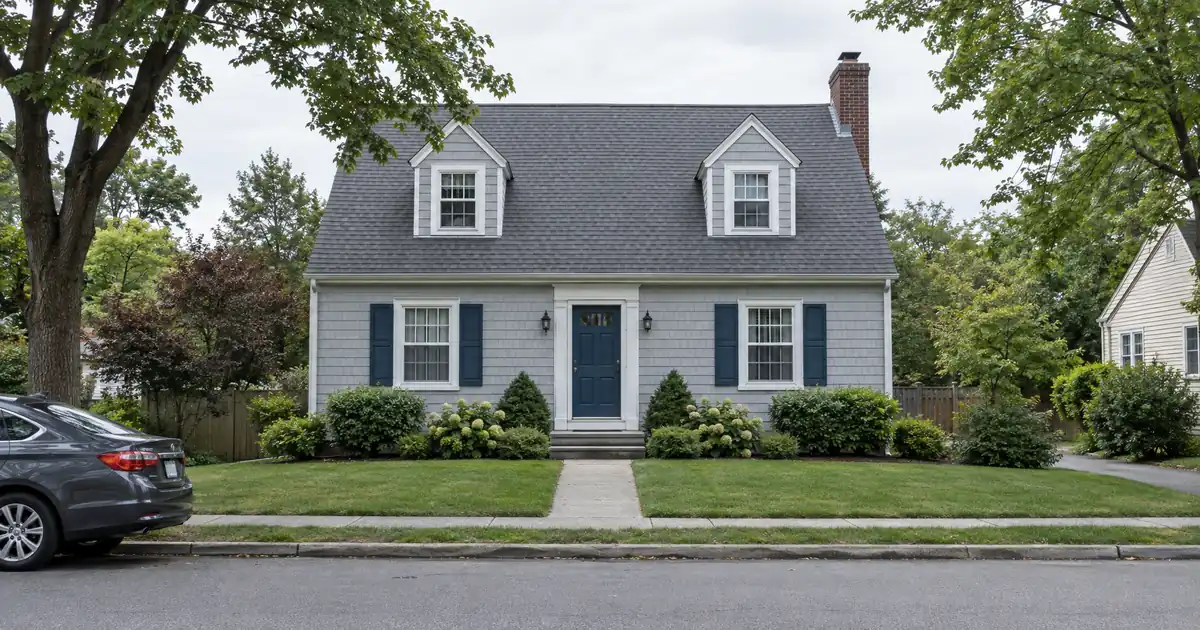
The Quick Read: A paid-off rental still gets a fresh appraisal on a cash-out refinance, because the new loan is sized off the appraised value and not off what you paid or what you think it’s worth. The appraisal does two jobs on a rental: it sets value, and it supports a market-rent opinion for the coverage test, subject to lender guidelines.
- A rental with no mortgage is still a cash-out refinance, not a rate-and-term deal.
- The loan is capped by the lower of two tests: appraised value times the leverage ceiling, and rent coverage of the new payment.
- On most files across the network, cash-out on a standard rental tops out at 75% LTV.
- Seasoning is about 6 months of ownership from title recording, which long-held rentals clear easily.
- A low appraisal shrinks the loan at the ceiling percentage, and a high appraisal is not a reason to borrow the maximum.
A free-and-clear rental feels like it should be the easiest file in the stack. No payoff, no old lien, years of ownership. In practice the appraisal is the part that decides how big the file gets. Everything below is how those rules work from the file side, and each figure is a typical range from select lenders in Lendmire’s wholesale network, not a commitment to lend.
DSCR Cash-Out Calculator
Run the cash-out numbers in your market
Rate source: Freddie Mac 30-yr average via FRED® — Federal Reserve Bank of St. Louis · effective Oct 8, 2026
Prefilled with starting assumptions — enter your property’s value, balance, taxes, and insurance for a more accurate picture.
Program parameters update from Lendmire’s centralized guideline source. Taxes and insurance are editable estimates.
As of Oct 8, 2026 · General Freddie Mac market benchmark, not a Lendmire loan offer. Property value, balance, taxes, and insurance are editable estimates. Maximum loan-to-value varies by lender, program, property type, and seasoning. Not a Loan Estimate, approval, or commitment to lend. Program availability and eligibility are subject to lender guidelines, credit approval, property review, and underwriting.
Does a Paid-Off Rental Still Count as a Cash-Out Refinance?
Yes. A refinance that returns cash at closing is a cash-out refinance, whether the old balance was large, small, or zero. “Free and clear” describes where you start. It does not change how the transaction is classified.
That matters for three reasons. The leverage ceiling is the cash-out ceiling, about 75% LTV across most of the network, not the higher rate-and-term figure. Seasoning applies, at about 6 months of ownership measured from title recording. And the new loan amount comes entirely from the appraised value, since there is no payoff to subtract. Terms depend on the lender’s guidelines, the property type, the leverage, and a full review of the credit profile.
Investors sometimes assume no existing loan means a lighter review. It doesn’t. The appraiser still values the property, the lender still tests rent against the full new payment, and reserves still apply. For the step-by-step order of operations, see Lendmire’s piece How to Cash-Out Refinance a Paid-Off Rental Step by Step.
Key Terms Defined
Appraised value: The appraiser’s opinion of what the property is worth today, based on comparable sales and condition.
Market rent: The appraiser’s opinion of what the unit should rent for, built from rental comparables.
Free and clear: A property with no mortgage balance. It is a starting position, not a loan type.
Seasoning: The ownership period a lender expects before cash-out is available, about 6 months on most files here.
PITIA: Principal, interest, taxes, insurance, and any association dues. It is the payment that rent has to cover.
Reconsideration of value: A formal request, routed through the lender, asking the appraiser to reassess the value.
How Does the Appraisal Work on a Rental?
The lender orders the appraisal, not the borrower. That is the first rule, and it surprises people who want to hand over their own number. A borrower’s estimate is not the value.
The report form depends on the property. Fannie Mae’s learning center lists the standard forms, including the 1007 single-family comparable rent schedule and the 1025 small residential income property report, and explains that the appraisal is used to judge acceptability in view of the property’s value and marketability. DSCR loans are not agency products, so this is form-name context only.
| Property | Typical report | What it contributes |
|---|---|---|
| Single-family rental | Full appraisal plus 1007 | Value and a market-rent opinion |
| Duplex to fourplex | 1025 | Value and per-unit market rents |
| Short-term rental | Value report; separate income paperwork | Value only; income documented apart |
McKissock’s appraiser-education blog notes that the 1025 covers duplexes through fourplexes and weighs both rental income and the market value of comparables. The form itself, Fannie Mae’s 1025, has the appraiser reconcile indicated monthly market rents into one opinion of market rent for each unit.
Appraised Rent vs. Your Actual Lease
The appraiser’s market rent is an opinion built from comps. Your lease is a fact about one tenant. They often differ, and the lender decides which one drives the coverage number. McKissock makes the same point: on a refinance the rent schedule is used alongside leases or traditional personal-income documentation, and income falls under the lender’s scope.
On network files, the practical read looks like this:
| Situation | What usually happens |
|---|---|
| Lease close to appraised market rent | Clean file; coverage runs off a consistent figure |
| Lease well below market rent | Lender may use the lower, documented figure |
| Lease above market rent | Expect scrutiny; the appraiser’s number can govern |
| Vacant at appraisal | Market rent from the report carries more weight |
Keep the signed lease, rent history, and a few nearby rental comps ready. The appraiser estimates rent, not you. A file where the lease, the rent history, and the report tell the same story has fewer gaps to review.
How Value and Rent Set Your Ceiling
The loan is the lower of two tests. The equity test caps the loan at a percentage of appraised value. On a standard rental cash-out, that ceiling is about 75% LTV across most of the network. The rent test asks whether rent used for lender review covers the PITIA of the new, larger loan. Select programs start at 1.00 coverage, and stronger ratios open better pricing and leverage. A separate select-lender path takes coverage below 1.00, with leverage and terms adjusted. The exact numbers vary by lender and program and follow a full review of property, leverage, and credit.
Whichever test is tighter wins. Rent can limit proceeds before equity ever does.
Run the logic on a paid-off single-family rental. Say the appraisal supports a strong value and the full 75% LTV is available. The new loan carries a full payment with taxes and insurance, and rent now has to cover that payment, not the old one. If coverage lands near 1.2x at the maximum loan, the file is balanced. If coverage lands under 1.00 at the maximum, the loan gets sized down to the rent, or the deal works to a select-lender path with adjusted leverage. Equity alone doesn’t carry the file. The strongest files clear both tests. Final terms depend on the lender’s guidelines, the property type, and the borrower’s complete credit picture.
One caution on the ratio itself. Clearing 1.00 is not positive cash flow. DSCR compares rent to PITIA only. Repairs, vacancy, management, utilities, and capex sit outside the calculation.
Proceeds follow from the loan. On a paid-off property, net proceeds are the new loan minus closing costs and any required reserves, which run about 6 months of PITIA on most files and step up to about 9 months above $1,500,000. Equity available is not a guaranteed cash figure. It depends on rent, PITIA, reserves, and the leverage ceiling together.
If the Appraisal Comes In Low
A low appraisal shrinks the loan at the ceiling percentage. Drop the value and the maximum loan drops with it, and the rent test may tighten at the same time. Here is the order of moves that works.
1. Read the report for errors. Check unit counts, bedroom and bath counts, square footage, and condition notes. One investor in a BiggerPockets thread worried that listing errors such as bedroom count could hurt value after a renovation. Data accuracy is where reconsideration usually starts.
2. Build a reconsideration packet. Pull recent nearby sales that are truly comparable, plus documentation of upgrades and condition.
3. Re-size the request. If value holds, size the loan to the new number and re-run the coverage test.
4. Decide whether the cash is still worth taking. At a lower loan amount, the closing costs eat a bigger share of proceeds.
Reconsideration recovers value when the original comps were light or the facts were wrong. It does not recover value when the market simply supports the lower number.
What If the Appraisal Comes In High?
A high appraisal is the opposite problem and it catches investors off guard. In another BiggerPockets thread, an owner whose appraisal came in far above a realistic sale price worried about over-leveraging and a lower value at the next appraisal. That instinct is sound.
A high number raises the maximum loan, but the rent still has to cover the larger payment. Borrowing the full amount can break the coverage test or erase whatever margin the property had. The appraisal sets the ceiling. It does not tell you what to borrow.
Can the Appraisal Be Waived?
On a rental cash-out, plan on a full appraisal. Waivers and automated valuations are mostly an owner-occupied conversation. A business-purpose cash-out on a rental has to be supported by a real value and a real rent opinion, and a paid-off property does not change that. If a file claims otherwise, ask the lender to show the program language.
Where the General Rule Breaks
Short-term rentals. The 1007 documents monthly rent on single-family homes, not nightly rates or business income. McKissock says appraisers working STR properties consider property value, not personal property or income. So STR files document income separately. On the network, STR cash-out runs about 70% LTV, with a 640+ score expected, about 12 months of hosting history, and a 1.00 coverage floor on refinances. Short-term rental rules can vary by city, county, HOA, and property type, so investors should confirm local rules before relying on projected rental income. Each figure is subject to lender guidelines and a complete review of property type, leverage, and credit.
2-4 units. These use the 1025, and the per-unit rent reconciliation adds documents to line up. Some lenders hold lower leverage here than on single-family, depending on the program.
Entity title. A paid-off rental held in an LLC can work, subject to lender program eligibility. Have the operating agreement and the entity documents ready before the appraisal comes back, since mismatches between title and borrower are a common reason files stall.
Property type. Manufactured homes (single- and double-wide), log homes, and barndominiums are not offered through the network’s DSCR programs, so no appraisal result changes that.
Stray liens. Years of ownership clear seasoning. Title is the bigger risk on a paid-off property. An old HELOC or a forgotten lien still has to be cleared before closing. Order title early.
Rule vs. Lender Policy
No single federal rule sets the LTV, seasoning, or coverage floor on a business-purpose DSCR cash-out. These are program guidelines, which is why figures differ from one lender to the next.
| Item | What sets it |
|---|---|
| Appraisal required | Program and lender policy |
| Cash-out LTV ceiling | Program guideline, about 75% on standard rentals |
| Seasoning | Program guideline, about 6 months from title recording |
| Rent used for coverage | Lender decision |
| Reconsideration of value | Lender-to-appraiser request |
Across the network, a few lenders hold tighter overlays on multi-unit properties or smaller balances, and that is why the same file can look different from two desks. Loan sizes run up to $3,000,000 on standard programs, and smaller balances route through select lenders. Exact terms depend on lender and investor guidelines, credit profile, reserves, and property review.
What the Decision Looks Like in Practice
Picture an investor who owns a paid-off fourplex and wants cash for the next purchase. The questions are the same every time. Does the appraised value support the cash target at 75% LTV? Does the appraiser’s rent reconcile with the leases in the rent roll? Does coverage on the new payment clear the program floor with room to spare? Is the cash worth the closing costs and the reserves held back? Leverage, reserves, and pricing vary by lender and program; the final terms follow the full file review.
If any answer is no, the move is usually a smaller loan, not a longer argument. A home equity line is the other option to weigh. An older BiggerPockets reply suggested a HELOC for lower costs, noting a cash-out is at the mercy of an appraisal. On investment properties, HELOC lines cap at $500,000 total. The rest of the program picture sits in the complete DSCR loans guide.
Credit matters here too. A 620 floor exists in parts of the network, most programs want around 660, and 700+ opens the strongest leverage tiers. Tax treatment can depend on how the funds are used and how the property is held; investors should keep clear records and speak with a qualified tax professional before relying on any deduction.
If you are buying or refinancing a rental property and want to see how the numbers work, Lendmire can help you compare DSCR loan options based on the property income, credit profile, leverage, and investor goals. Reach the team at 828-256-2183 or request a quote.
Frequently Asked Questions
Does a paid-off rental need an appraisal for a cash-out refinance?
Yes, plan on a full appraisal. The loan is sized off appraised value, and there is no existing balance to anchor the number. The lender orders it, and the report also supports a market-rent opinion for the coverage test.
Who picks the rent figure, the appraiser or the lender?
The appraiser gives a market-rent opinion, and the lender decides which figure drives coverage. Leases and rent history can be weighed alongside it. Keep both consistent and documented.
Can I send comps to the appraiser if the value is low?
Not directly. A reconsideration request goes from the lender to the appraiser. A broker can help package recent comparable sales and condition evidence for that request.
What is the maximum loan on a paid-off rental?
It is the lower of appraised value times about 75% LTV on a standard rental, or the amount rent can cover at the program’s coverage floor. Short-term rentals run about 70% on cash-out. Reserves and credit tier also affect the outcome, subject to lender guidelines.
Should I borrow the full amount if the appraisal comes in high?
Not automatically. A larger loan means a larger payment and thinner coverage. Size to the rent, not just the equity.
Investors weighing their equity options can start with Lendmire’s guide to cash-out refinance on an investment property.
For current guidelines and terms, see Lendmire’s DSCR loan programs page.
About Lendmire
As a non-QM mortgage broker (NMLS# 2371349), Lendmire facilitates DSCR investor loans across 41 markets, including Washington, D.C. DSCR eligibility is generally reviewed around property-level rental income instead of personal income documentation, subject to lender guidelines, serving LLC-structured portfolios and self-employed borrowers who don’t fit conventional boxes. A two-time Scotsman Guide Top Mortgage Workplace (2025, 2026).
Get Started
Ready to find the right loan for you?
In about 30 seconds you can review financing options available for your investment property. No commitment required.
Informational only. Not a Loan Estimate, approval, or commitment to lend. Program availability and eligibility are subject to lender guidelines, credit approval, property review, and underwriting.
References
1. Fannie Mae Learning Center, Appraisers & Property Underwriting
2. McKissock, Form 1007 and short-term rental appraisals
4. BiggerPockets, appraisals on cash-out refinance
5. BiggerPockets, appraisal came in high on cash-out refi
6. BiggerPockets, help with cash-out refinance
This article is part of Lendmire’s investment property cash-out refinance program — full qualification details, guidelines, and scenarios live on the program page.
Related reading: Do Fintech Rental HELOCs Allow LLC-Owned Properties? · Cross-Collateral Line vs Super Jumbo DSCR Cash-Out: Equity and Risk · Can You Get a DSCR Cash-Out Refinance When the Ratio Falls Below 1.0?
Brandon Miller
Founder & CEO, Mortgage Loan Originator, Lendmire LLC
- Mortgage Loan Originator · NMLS# 1129696 · Verify on NMLS Consumer Access
- North Carolina Real Estate Broker · License# 343312 · Verify on NCREC
- North Carolina Insurance Producer · License# 19053198 · Property, Casualty, Life, Health · Verify on NAIC SBS
- Lendmire LLC · Firm NMLS# 2371349 · Verify firm licensure
Required disclosures. Lendmire (NMLS# 2371349) operates as a licensed mortgage broker, not a direct lender or depository. The discussion in this article is general in nature and should not be relied upon as financial, legal, or tax advice — every investment scenario is unique and should be reviewed by a qualified professional. Any loan inquiry is subject to lender underwriting, and this article is not a commitment to lend or a guarantee of approval. Mortgage rates, loan terms, and program guidelines vary by borrower, property, and state, and may change without notice. Equal Housing Opportunity. Verify licensure at NMLS Consumer Access.