
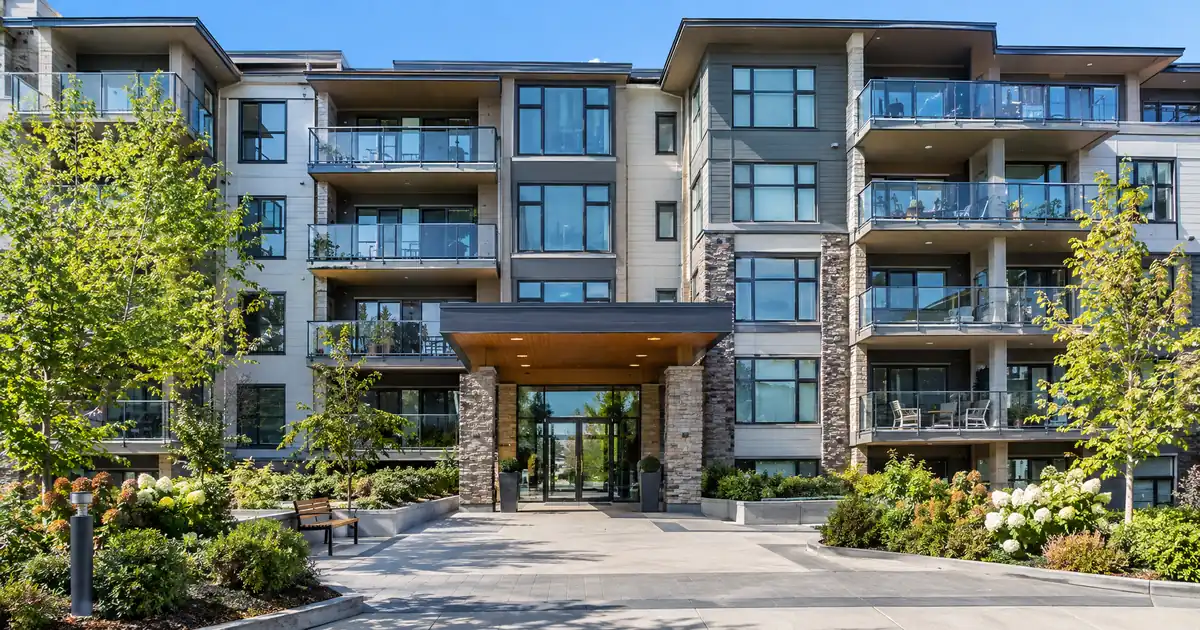
The Quick Read: Yes, in the right program. Across Lendmire’s wholesale network, condominiums, including non-warrantable ones, are on the eligible property list for an investment-property line of credit, but the borrower, the title, and the building all have to clear review. Few lenders will take one, and the line tops out at a modest size.
- Investment lines top out at 70% CLTV (combined loan-to-value, meaning all liens against the property) and $500,000, subject to lender guidelines.
- A 700 credit score is the hard floor, and a higher score buys eligibility, not more leverage.
- Title must sit in your personal name or a revocable living trust. An LLC cannot hold it.
- Condotels are not offered, however strong the rent.
- Qualification runs on your credit and debt, not the rent. That is the opposite of a DSCR loan.
Here is the straight answer on the building. “Non-warrantable” is a label, not a defect in your unit. It narrows the field of lenders. It does not close the door.
How large a line the equity supports.
An equity line is sized by combined loan-to-value, occupancy, and credit — not by rental coverage. Switch the occupancy or the credit band and the ceiling moves with it.
Investment-property lines require a 700 minimum credit score; second-home lines start at a 640 minimum and primary-residence lines at 600, and the combined-LTV ceiling steps down as the credit band drops on primary-residence and second-home lines and holds on investment-property lines; the line cap steps down on primary-residence lines and holds at every tier on investment-property and second-home lines.
A debt-to-income ratio above 45% requires 680+ credit. Profiles under 640 are limited to single-family homes. At least 75% of the approved line is drawn at closing. Ceilings, floors, and caps update from Lendmire’s centralized guideline source.
Line estimate
Illustrative estimate only — not a quote, Loan Estimate, approval, or commitment to lend. The rate is an editable assumption; equity-line pricing is variable through both the draw and repayment periods and never converts to fixed. Occupancy and credit drive the ceiling together: an investment property tops out at 70% combined LTV (minimum credit 700, line cap $500,000); a second home tops out at 90% combined LTV (minimum credit 640, line cap $500,000), with the ceiling stepping down as the credit band drops (the cap holds at every tier); a primary residence tops out at 90% combined LTV (minimum credit 600), and its $750,000 maximum line is available only at 75% combined LTV or below with a 700-or-better credit profile (720 on the longer-runway program) and a full appraisal. Lines above $500,000 require a full appraisal. Credit, debt-to-income, property type, and full underwriting review all affect the final line.
What Does Non-Warrantable Actually Mean?
A non-warrantable condo is a unit in a building that fails the project standards set by the large conventional mortgage buyers. The label describes the building’s finances, legal status, or use. It says nothing about the quality of your unit.
Those standards are a useful contrast here, even though they do not govern the programs we place files with. Fannie Mae’s Selling Guide lists the traits that make a project ineligible:
- Hotel or motel-style operation
- Restrictive covenants (the CC&Rs)
- Mandatory third-party amenity dues
- Litigation tied to safety, structure, habitability, or function
- Single-entity ownership of too many units
- Critical repairs the building needs
- Insolvency proceedings
A rule change also trips up many owners. According to a California HOA law firm’s fact sheet, the old investor-concentration test is gone. But a project can still fail if more than 15% of its units are 60 or more days behind on assessments. New projects need at least 50% of units sold to owner-occupants or second-home buyers. Single-owner unit limits remain, and they count rentals owned by the HOA itself.
So an investor-heavy building is not automatically dead. A building with unpaid dues, heavy litigation, or one owner holding too many units is another story.
How a Rental HELOC Works (and Why It Is Not DSCR)
A rental HELOC is a revolving line secured by your investment property. You draw, pay interest, and later repay. The network structure runs a 5-year draw period, then a 25-year repayment period. Pricing floats the whole way and never converts to fixed. At least 75% of the line is drawn at closing.
The part that surprises landlords: the lender underwrites you, not the property. It reads your credit and your debt-to-income ratio (DTI, your monthly debts as a share of income). The maximum DTI is 50%. The property’s rent does not enter the calculation.
A DSCR loan flips this. DSCR (debt service coverage ratio) compares the property’s rent to its monthly payment. It qualifies primarily on property-level rental income covering the payment, subject to lender guidelines. Our complete DSCR loans guide walks through that math.
NerdWallet notes that investment-property HELOCs carry stricter terms than home-equity lines on a primary residence. The network figure is different: 700 minimum and 70% CLTV on an investment property. Terms vary by lender guidelines, property type, leverage, credit profile, and full file review.
What Does the Network Program Require?
Here is the investment-line checklist, as we see it across the wholesale network.
| Factor | Investment-property line |
|---|---|
| Max CLTV | 70% |
| Line size | $25,000 to $500,000 |
| Minimum credit | 700 |
| Max DTI | 50% |
| Structure | 5-year draw, 25-year repayment |
| Title | Individual or revocable living trust |
| Exposure | Up to three lines; no more than 15 financed properties |
Two details deserve a second look.
There is no tier above $500,000 for rentals. Larger lines exist, but only on primary residences. Don’t plan a rental deal around one.
Valuation is usually automated. Because the line caps at $500,000, it typically runs on an automated valuation with no traditional appraisal. On a building with thin sales, you can ask for a full appraisal.
Availability is narrower than DSCR. The HELOC is offered in 16 full-service states, while DSCR investor loans cover 40 states plus Washington, D.C. Your state may qualify for one and not the other.
How Does the Lender Review the Building?
Expect the property type to be the first screen. The reviewer asks what the building is, who holds title, what it is worth, and whether you can carry the debt.
For a condo, that means a look at the HOA and project documents. A lender wants to know whether the building is financially sound, whether litigation is pending, and whether the rental rules fit the use. Non-warrantable status often limits which lenders will lend, and the building gets judged on its own facts.
Here is how common non-warrantable triggers tend to land on a rental line:
| Trigger | Typical effect |
|---|---|
| Heavy delinquent dues | Narrows lenders; may be a dealbreaker |
| Litigation | Narrows lenders; depends on the issue |
| Single owner holds many units | Narrows lenders |
| Hotel-style operation (condotel) | Not offered |
| Restrictive CC&Rs | Case by case |
Treat that table as a pattern, not a promise. Each file gets its own review, and every figure sits subject to lender guidelines.
The Landlord-Only Layer
A lender saying yes is not the same as your HOA allowing the rental. Rental caps, minimum lease terms, and special assessments live in the condo documents. They can wreck a deal the lender approved. Read them before you apply.
Short-term rental rules can vary by city, county, HOA, and property type, so investors should confirm local rules before relying on projected rental income. And if your unit has condotel traits, such as hotel-style operation, it is ineligible no matter how strong the bookings. Fannie Mae’s condo project FAQ shows how seriously the agency world treats that trait.
Title: Where Landlords Get Stuck
This is the sharpest structural cost of the HELOC route. The line must be held by you personally or by a revocable living trust. LLCs, corporations, partnerships, and irrevocable, blind, or land trusts cannot hold it.
Many landlords hold rentals in an entity. If your condo already sits in an LLC, you have two choices: change the vesting, or skip the HELOC and use a DSCR cash-out refinance. DSCR title may sit in an LLC, subject to lender program eligibility. Moving title has its own consequences, so think it through before you re-deed anything.
HELOC or DSCR Cash-Out: Which Fits?
Run through your situation.
| Your situation | Better fit |
|---|---|
| Condo in your own name, strong credit, modest draw | HELOC |
| Condo held in an LLC | DSCR cash-out |
| Many financed properties, DTI tight | DSCR cash-out |
| Need a fixed, long-term structure | DSCR cash-out |
| Want flexible draws and interest-only early | HELOC |
For cash-out on a standard rental, the network generally tops out around 75% LTV, with about 6 months of seasoning as the common expectation. Select lenders in the network will review non-warrantable condos for DSCR, with leverage and loan-size limits below those on warrantable condos. Lendmire’s piece Jumbo DSCR Loan Requirements for a Non-Warrantable Condo Rental covers that route in depth.
One more point. Clearing 1.00 coverage on a DSCR loan is not the same as positive cash flow. Repairs, vacancy, management, and special assessments sit outside the ratio. On a condo, that last one matters.
The Risks to Weigh
A variable rate is the first. The line floats and never converts to fixed, so your carrying cost can climb while the rent stays flat.
Second is the building. A special assessment or insurance change can hit you while the line is open. You still owe the payment when the unit sits empty.
Third is exit. A non-warrantable building has a thinner buyer pool, which can complicate valuation and resale. Equity on paper is not equity you can always sell into.
Fourth is title. If you retitle from an LLC to qualify, confirm the consequences first.
Lenders can also review credit close to closing, and the timing and any rescore options vary by file and lender. Don’t open new accounts while you apply.
Tax treatment can depend on how the funds are used and how the property is held; investors should keep clear records and speak with a qualified tax professional before relying on any deduction.
What If You Got a “No”?
A decline comes from one of four places. Sort yours before you reapply.
| Reason | Next step |
|---|---|
| Lender policy (they don’t do non-warrantable) | Try a lender that does |
| Building fails review | Consider DSCR cash-out through select lenders |
| Title in an LLC | Change vesting or use DSCR |
| Credit below 700 or DTI too high | Strengthen the file, or use DSCR |
Lendmire’s piece HELOC Denied Because The Property Is A Non-warrantable Condo digs into this decision path.
Here is a pattern we see. Many borrowers assume the condo is the problem when the real issue is title or DTI. Big depository banks have mostly stepped back from investment-property lines. Those lines now come from portfolio lenders, community banks, credit unions, and wholesale non-QM channels. A single bank’s “no” tells you about that bank.
Before You Apply
Pull these together first:
- HOA budget, financials, and rental rules
- Notice of any litigation or special assessments
- Your current lease
- Mortgage statement and insurance declarations
- Title and vesting documents
- Filed traditional personal-income documentation, since underwriters read net income on returns rather than gross bookings
Frequently Asked Questions
Can I get a HELOC on a non-warrantable condo that is in litigation?
It depends on what the lawsuit involves. Litigation tied to safety, structure, or habitability is a standard reason a building fails agency standards. It narrows the lenders willing to review it. Some will proceed, so the answer is “possibly, with fewer options.”
Does an HOA need to approve my HELOC?
Typically the lender reviews the HOA documents, not the other way around. The HOA’s role is its own rules: rental caps, lease minimums, and assessments. Those can still block your plan even when the lender is comfortable.
Can a condo held in an LLC get a rental HELOC?
No. A property deeded to an LLC needs a vesting change or a DSCR cash-out instead, subject to lender program eligibility.
Can I buy a non-warrantable condo with cash, then take out a HELOC?
Possibly, but the same rules apply. Your credit must reach 700, the line caps at 70% CLTV, and the unit cannot be a condotel. Whether seasoning or other conditions apply depends on the lender and file.
Does non-warrantable status change the line size?
The $500,000 investment cap and 70% CLTV ceiling are program limits. Your actual line also depends on equity, credit, DTI, and the building review. All of it is subject to lender guidelines and full file review.
If you are considering a home equity line and want to see how the numbers work, Lendmire can help you compare HELOC options based on the property, the equity available, credit profile, combined leverage, and your goals. Lendmire is a mortgage broker arranging financing through select lenders in its wholesale network, with DSCR programs.
About Lendmire
Lendmire — NMLS# 2371349 — is a mortgage broker that arranges home equity lines of credit in its 16 full-service states through wholesale lenders, on primary residences, second homes and investment properties. Every line is subject to the lender’s guidelines and full underwriting. Scotsman Guide named Lendmire a Top Mortgage Workplace in both 2025 and 2026.
Get Started
Ready to find the right loan for you?
In about 30 seconds you can review financing options available for your home or investment property. No commitment required.
Informational only. Not a Loan Estimate, approval, or commitment to lend. Program availability and eligibility are subject to lender guidelines, credit approval, property review, and underwriting.
References
1. Fannie Mae Selling Guide B4-2.1-03
2. MBK Chapman: California condo Fannie Mae “Unavailable” fact sheet
3. NerdWallet: Can you get a HELOC on an investment property?
4. Fannie Mae condo project FAQ
This article is part of Lendmire’s investment property HELOC program — full qualification details, guidelines, and scenarios live on the program page.
Related reading: Do Fintech Rental HELOCs Allow LLC-Owned Properties? · Cross-Collateral Line vs Super Jumbo DSCR Cash-Out: Equity and Risk · Can You Get a DSCR Cash-Out Refinance When the Ratio Falls Below 1.0?
Brandon Miller
Founder & CEO, Mortgage Loan Originator, Lendmire LLC
- Mortgage Loan Originator · NMLS# 1129696 · Verify on NMLS Consumer Access
- North Carolina Real Estate Broker · License# 343312 · Verify on NCREC
- North Carolina Insurance Producer · License# 19053198 · Property, Casualty, Life, Health · Verify on NAIC SBS
- Lendmire LLC · Firm NMLS# 2371349 · Verify firm licensure
Disclosures. The information presented in this article is general market commentary, not financial, legal, or tax advice. Lendmire is a mortgage brokerage (NMLS# 2371349) — not a direct lender or depository institution — and loan placement is subject to lender underwriting. Nothing in this content represents a commitment to lend. Loan terms, pricing, and program availability vary based on borrower qualifications, property characteristics, and state of subject property, and are subject to change at any time. Lendmire complies with Equal Housing Opportunity requirements. Consumer access: nmlsconsumeraccess.org.