
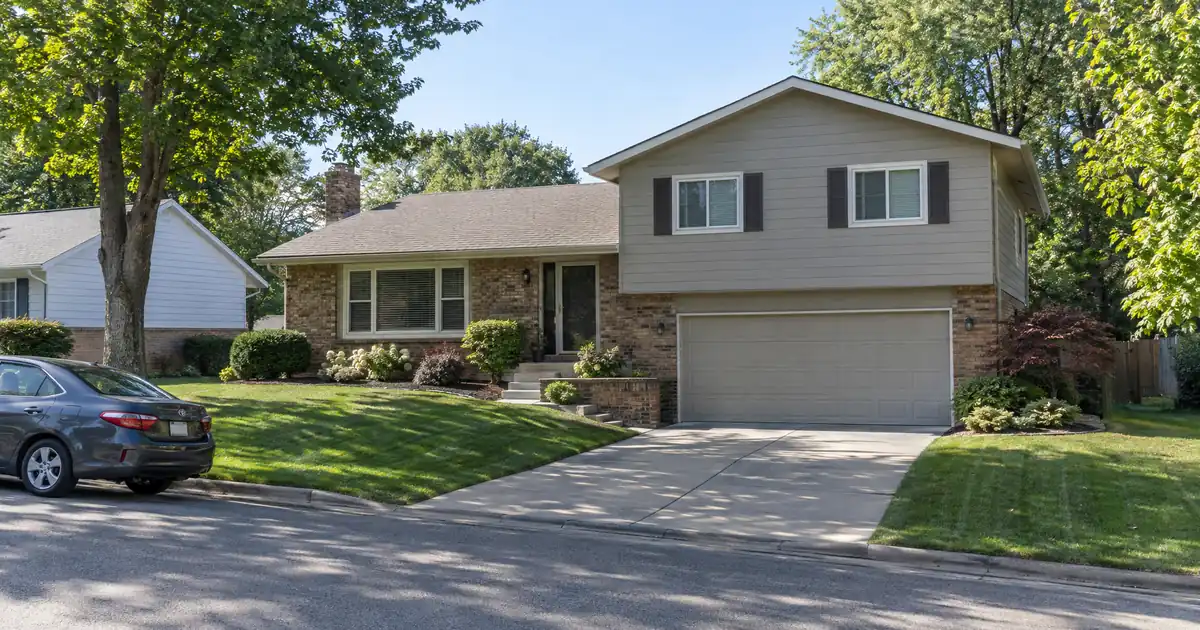
The Quick Read: It depends on the program, not on vacancy alone. Some lenders in the wholesale network underwrite a vacant cash-out on the appraiser’s market-rent opinion, while others want a lease first. Either way, the loan still needs about six months of ownership, a 75% loan-to-value (LTV) ceiling on a standard rental, and rent that covers the full new payment.
- Vacancy does not automatically disqualify a file, but it removes your lease as a backup. The appraiser’s rent opinion becomes the only income figure.
- Cash-out on a standard rental tops out at 75% LTV. Short-term rental collateral is lower, at 70% on a cash-out.
- A bigger loan means a bigger payment. A vacant house that clears coverage on a payoff-only refinance can fall short once cash comes out.
- The property must be rent-ready. A unit mid-rehab is a bridge-loan problem, not a DSCR problem.
- Confirm the lender’s vacancy treatment in writing before you pay for an appraisal. Each figure is subject to lender guidelines and a complete review of property type, leverage, and credit.
Key Terms Defined
DSCR (debt service coverage ratio): monthly rent used for qualifying divided by the full monthly housing obligation. A 1.00 ratio means the rent equals the payment.
PITIA: principal, interest, taxes, insurance, and any HOA dues. It is the payment side of the DSCR math.
Market rent: what an appraiser concludes the property would rent for today, based on comparable rentals nearby.
Seasoning: the waiting period after you buy before a lender will allow a cash-out. On most files in the network it is about six months, measured from title recording.
Rent-ready: livable, finished, and marketable to a tenant today. A property with open permits, missing fixtures, or active construction is not rent-ready.
Non-owner-occupied: you do not live in the property, and you do not plan to.
DSCR Cash-Out Calculator
Run the cash-out numbers in your market
Rate is an editable market assumption — the live benchmark loads when available.
Prefilled with starting assumptions — enter your property’s value, balance, taxes, and insurance for a more accurate picture.
Program parameters update from Lendmire’s centralized guideline source. Taxes and insurance are editable estimates.
Fallback assumption · General Freddie Mac market benchmark, not a Lendmire loan offer. Property value, balance, taxes, and insurance are editable estimates. Maximum loan-to-value varies by lender, program, property type, and seasoning. Not a Loan Estimate, approval, or commitment to lend. Program availability and eligibility are subject to lender guidelines, credit approval, property review, and underwriting.
How Does DSCR Qualifying Work When Nobody Is Paying Rent?
The lender swaps your lease for the appraiser’s market-rent opinion. The loan is reviewed primarily on property-level rental income covering the payment, subject to lender guidelines. On a vacant property, that income is an estimate instead of a signed lease.
On a leased property, many programs use the lower of the lease and the market rent. The logic is simple. A lender does not want a temporarily inflated lease propping up the ratio.
A vacant file skips that comparison. Market rent is the one number on the table. Strong rental comps can put a vacant house on equal footing with a leased one. A weak rent opinion can sink it.
Across the programs we place files with, the DSCR test itself does not change when a property is empty. What changes is how much the lender trusts the income figure and how it adjusts the terms for that uncertainty. One more point deserves attention. Clearing the ratio does not mean the property makes money. DSCR compares rent to PITIA only. Repairs, vacancy, management, utilities, and capital expenses sit outside it.
Why Do Lenders Give Different Answers on Vacant Cash-Outs?
Because vacancy treatment is a lender overlay, not an industry rule. Each lender decides how much weight to give a rent estimate when no tenant is paying. Two reasonable lenders can land on opposite answers for the same house.
You will see two camps:
- The cautious camp wants a signed lease, or proof of operating history, before it will release cash. Their reasoning is that cash-out puts more money at risk, so they want evidence of real income.
- The flexible camp accepts the appraiser’s market rent on a rent-ready property. Some add a letter explaining the vacancy, trim leverage, or look harder at credit and reserves.
Some lenders advertise that they refinance vacant properties and then attach a condition requiring a lease before or after closing. The marketing line and the underwriting condition do not always match.
The fix is a direct question: “Will this program underwrite my cash-out on market rent with no lease, and is that in the guidelines?” Get the answer in writing, then order the appraisal. That sequence protects you from paying for a report that the program was never going to use.
Which Situation Is Yours?
Your reason for vacancy matters as much as the vacancy itself. This table shows how each situation usually plays out across the network. Treatment varies by program.
| Situation | What the lender relies on | Likely treatment |
|---|---|---|
| Between tenants, rent-ready | Market-rent opinion | Often workable |
| Long vacant | Market rent, plus an explanation | Closer review |
| Freshly renovated | Market rent, condition proof | Program-specific |
| Former primary residence | Market rent, non-occupancy proof | Program-specific |
| Partly vacant 2-4 units | Leases plus market rent on empty units | Varies by lender |
| Short-term rental | Booking history or revenue report | Needs history |
| Mid-rehab | Nothing usable yet | Finish work first |
The former-home row catches people off guard. If you lived there and moved out, the lender wants a clean break from owner occupancy and a plan to rent. A property listed for sale is a different file altogether, since the lender needs to see a rental plan, not an exit.
What Does the Math Look Like?
Run the numbers on one house three ways. These are modeled assumptions to show direction, not market data or a quote. The house and the appraiser’s market rent stay the same throughout.
- Vacant, payoff-only refinance: coverage around 1.35x.
- Same house, vacant, cash-out near the 75% LTV ceiling: coverage around 1.05x.
- Same house, leased below market, cash-out: coverage around 0.98x. Leverage, reserves, and pricing vary by lender and program; the final terms follow the full file review.
The payoff-only version carries the smaller balance. Pulling cash out raises the loan, so the same rent now covers a larger payment. That is the payment-shock effect, and it is a common reason a vacant refinance that looked fine on paper stops working as a cash-out.
The third line surprises people. If a tenant signs a lease below market, the lower-of convention can drag the rent used for lender review down. A vacant house can sometimes qualify better than the same house leased cheaply.
Coverage below 1.00 does not end the conversation. A separate path, available through select lenders in the network, takes coverage below 1.00 with leverage and terms adjusted. By comparison, 1.00 is where many select programs start. You will usually pay for that flexibility with a lower LTV and less favorable terms.
DSCR also leaves out your carrying costs while the house sits empty. Taxes, insurance, utilities, and upkeep come out of your pocket until a tenant arrives. A vacant cash-out needs a plan for that gap, because the ratio will not cover it.
Reading the Appraisal Rent Opinion
The appraisal is where a vacant file is won or lost. On a single-unit rental, the appraiser documents market rent on Form 1007. For two to four units, the form is Form 1025. These are agency-designed forms that DSCR programs borrow. DSCR loans themselves are not agency products.
Fannie Mae’s blank Form 1007 shows how it works. The appraiser lists comparable rentals, adjusts them, and reaches an indicated monthly market rent. The form also asks for a comment on local vacancy and rent trends.
If the rent opinion comes in low, you have a few moves:
1. Check the comps. Look for rentals that are stale, a different size, or in a different submarket.
2. Ask the lender about a rebuttal or review. Many lenders allow a reconsideration request supported by better comparable rentals.
3. Re-run the cash-out. A smaller loan means a smaller payment, which lifts the ratio.
4. Consider a lease. A signed lease at or near market rent can give the file a second leg to stand on.
A low appraised rent on a vacant file can leave the ratio under the program minimum. When that happens, the fix is usually a smaller loan or more cash down, or the deal does not close.
DSCR vs. conventional financing
There are two common ways to finance an investment property, and they qualify you differently — here’s how investors weigh them.
Why investors choose it
- Qualifies on the property’s rental income — no personal tax returns, W-2s, or pay stubs needed to document income.
- No personal debt-to-income ceiling to clear, so existing mortgages and obligations don’t cap your borrowing the same way.
- Can be closed in an LLC, keeping the property inside a business entity.
- Built for scaling — not held to the limit on number of financed properties that conventional financing applies.
- Underwriting centers on the deal: generally qualifies when the rent covers the payment, a 1.00x coverage ratio being a common baseline (confirmed in underwriting).
- Designed specifically for investment property, including long-term and, where the program allows, short-term rentals.
Where it’s strong
- Often the lowest ongoing financing cost for a buyer who fully qualifies on personal income — a fit for a first property or a cost-first purchase.
Trade-offs for investors
- Requires full personal income documentation and must fit within a debt-to-income limit — salary, existing debts, and other mortgages all count.
- Typically held in your personal name rather than a business entity.
- Caps how many financed properties you can carry, which can become a ceiling as a portfolio grows.
- Evaluates you as a borrower as much as the property, which usually means more paperwork.
How investors usually choose: a first or single property often optimizes for the lowest financing cost; portfolio builders often optimize for leverage, vesting in an LLC, and scaling past conventional caps. The right answer depends on your goals, the property, and current guidelines — both paths run through select lenders in Lendmire’s wholesale network, with eligibility and terms confirmed in underwriting.
Lease First or Refinance Vacant?
Leasing first widens your options. The cautious camp of lenders opens up, and the file gains real income evidence. The cost is time. You carry the empty house while you market it, and you may wait through the seasoning period anyway.
Going in vacant works when three things are true. The property is rent-ready, comparable rentals support a strong market rent, and your program accepts market rent with no lease. If the cushion on coverage is thin, leasing first is usually the safer play.
This one is a genuine toss-up. A vacant refinance saves holding time but narrows the program menu. A leased refinance costs weeks of marketing, but may unlock better leverage and fewer conditions. The honest answer depends on how much cushion the rent opinion gives you.
Seasoning shapes the decision too. If you bought the property recently, you are likely waiting on the roughly six-month mark anyway. Use that stretch to place a tenant.
What Documents Does a Vacant File Need?
Expect the lender to ask for more explanation, not less. The usual package:
- The appraisal with the rent schedule.
- A written explanation of why the property is vacant and how long it has been empty.
- Proof of listing or marketing activity, such as a listing page or inquiries.
- Evidence that utilities are on and the property is insured as a rental.
- Photos or condition proof showing the property is rent-ready.
- Title, current mortgage statement, and entity documents if an LLC holds title, subject to lender program eligibility.
- A borrower statement confirming the property is not owner-occupied.
Missing paperwork is a common stall. Some lenders still request a lease or rent history even when the program allows market rent, so ask what the file needs before you order anything.
What Else Gets Checked Besides Rent?
Equity and credit still matter, and they cap what vacancy flexibility can do. On a cash-out of a standard rental, the ceiling is 75% LTV. Pricing and available terms vary by lender, borrower profile, property type, and full underwriting review. Scores of 700 and up open the strongest leverage tiers. Reserves commonly run about six months of PITIA, stepping up to about nine months on loans above $1,500,000. Standard programs go up to $3,000,000, subject to lender guidelines.
One property rule is absolute. Manufactured homes (single- and double-wide), log homes, and barndominiums are not offered through the network’s DSCR programs, vacant or not.
DSCR loans are designed for non-owner-occupied investment properties. Because they are business-purpose investor loans, they are reviewed differently from a standard owner-occupied mortgage. That distinction matters here for a practical reason. Federal rules on business-purpose credit treat a rental as business-purpose only if you do not expect to occupy it for more than 14 days in the coming year. An owner who treats an empty rental as a second home can undo that treatment.
Practitioner pattern worth knowing: files on empty properties often stall because the borrower treated the property as a part-time residence in the application story. Keep the paper trail consistent with a rental plan.
What About Short-Term Rentals?
A short-term rental has no lease by nature, so lenders look at booking history or a third-party revenue report instead. On a cash-out, short-term rental collateral tops out at 70% LTV, while a standard rental goes to 75%. Expect a 640 or higher score and about 12 months of hosting history. Coverage starts at 1.00 on a refinance. Terms vary by lender guidelines, property type, leverage, credit profile, and full file review.
An empty short-term rental with no bookings is a hard file. A property with fresh listings and no track record is closer to a vacant long-term rental than to an operating Airbnb.
If the Numbers Don’t Work, What Are Your Options?
Several moves can rescue a file:
- Take less cash. A smaller loan lifts coverage.
- Lease first, then refinance on the lease and appraisal together.
- Do a refinance with no cash back. It carries a smaller balance and is easier on the ratio, though the cash you wanted stays in the property.
- Wait out seasoning if you bought recently.
- Look at sub-1.00 programs. Select lenders in the network offer them, with leverage and terms adjusted.
- Finish the rehab first. If the property is not rent-ready, a short-term bridge loan comes first and a DSCR refinance follows once the house is stabilized.
Prepayment penalties deserve a look too. A DSCR loan commonly carries one in the early years, so refinancing out of a recent loan can cost you. Confirm the terms before you pay off an existing loan.
Tax treatment can depend on how the funds are used and how the property is held. Keep clear records and speak with a qualified tax professional before relying on any deduction.
If you plan to use the proceeds for the next purchase, Lendmire’s piece Using A Cash Out Refinance To Grow Your Rental Portfolio covers that strategy. For a borrower pulling equity for the first time, there is a dedicated piece Can You Cash-Out Refinance a Vacant Rental as a First-Time Equity Puller?. For the broader picture, see the complete DSCR loans guide.
Frequently Asked Questions
Do I need a lease to cash-out refinance with DSCR?
Not on every program. Some lenders underwrite a rent-ready vacant property on the appraiser’s market-rent opinion. Others require a lease or operating history first. Ask for the lender’s vacancy policy in writing before you order the appraisal.
Can a partly vacant two- to four-unit property qualify?
Often, yes, on programs that tolerate a unit or two sitting empty. The occupied units use leases, and the empty units are counted at market rent from the appraiser’s schedule. The empty units generally need to be rent-ready, and treatment varies by lender.
Does it matter how long the property has been vacant?
Yes. A unit between tenants reads very differently from one empty for a long stretch. A long vacancy raises marketability questions, so expect a written explanation and proof you have actively marketed the property.
Can I cash out right after buying a vacant rental?
Usually not. Most programs in the network expect about six months of ownership, measured from title recording, before a cash-out. A purchase tied to a rehab may also face cost-basis sizing, so the 75% LTV ceiling is a limit, not a promise of cash.
What if the appraiser’s rent comes in low?
A low rent opinion shrinks coverage, and on a vacant file there is no lease to fall back on. Your options are a rebuttal with better comparable rentals, a smaller loan, more cash down, or placing a tenant and starting over.
Next Step
If you are buying or refinancing a rental property and want to see how the numbers work, Lendmire can help you compare DSCR loan options based on the property income, credit profile, leverage, and investor goals. Lendmire is a broker that arranges financing through select lenders in its wholesale network across 41 markets, including Washington, D.C. Every file is underwritten individually, and nothing here is a commitment to lend.
A deeper walk-through of investment-property equity extraction lives in Lendmire’s guide to cash-out refinance on an investment property.
About Lendmire
Lendmire is a non-QM mortgage brokerage (NMLS# 2371349) arranging DSCR investor loans in 41 markets, including Washington, D.C., through wholesale and investor-lending channels. DSCR loans are evaluated by the lender on rental income rather than personal income, subject to lender guidelines — a fit for LLC-owned portfolios, self-employed investors, and operators scaling beyond conventional loan caps. Recognized as a Scotsman Guide Top Mortgage Workplace in 2025 and 2026.
Get Started
Ready to find the right loan for you?
In about 30 seconds you can review financing options available for your investment property. No commitment required.
Informational only. Not a Loan Estimate, approval, or commitment to lend. Program availability and eligibility are subject to lender guidelines, credit approval, property review, and underwriting.
References
1. Fannie Mae – Form 1007 (blank)
2. CFPB – 12 CFR 1026.3 Exempt transactions
Brandon Miller
Founder & CEO, Mortgage Loan Originator, Lendmire LLC
- Mortgage Loan Originator · NMLS# 1129696 · Verify on NMLS Consumer Access
- North Carolina Real Estate Broker · License# 343312 · Verify on NCREC
- North Carolina Insurance Producer · License# 19053198 · Property, Casualty, Life, Health · Verify on NAIC SBS
- Lendmire LLC · Firm NMLS# 2371349 · Verify firm licensure
Compliance and disclosures. Lendmire (NMLS# 2371349) is a licensed mortgage broker and is not a direct lender, depository institution, financial advisor, or tax professional. Content in this article is general market analysis and educational information — not financial, legal, or tax advice for any specific situation. Lendmire does not guarantee loan approval; every transaction is subject to underwriting by the funding lender. Mortgage pricing and loan program guidelines are subject to change at any time without notice and vary by borrower characteristics, property type, and state regulations. Lendmire complies with Equal Housing Opportunity. Licensure verification: NMLS Consumer Access.