
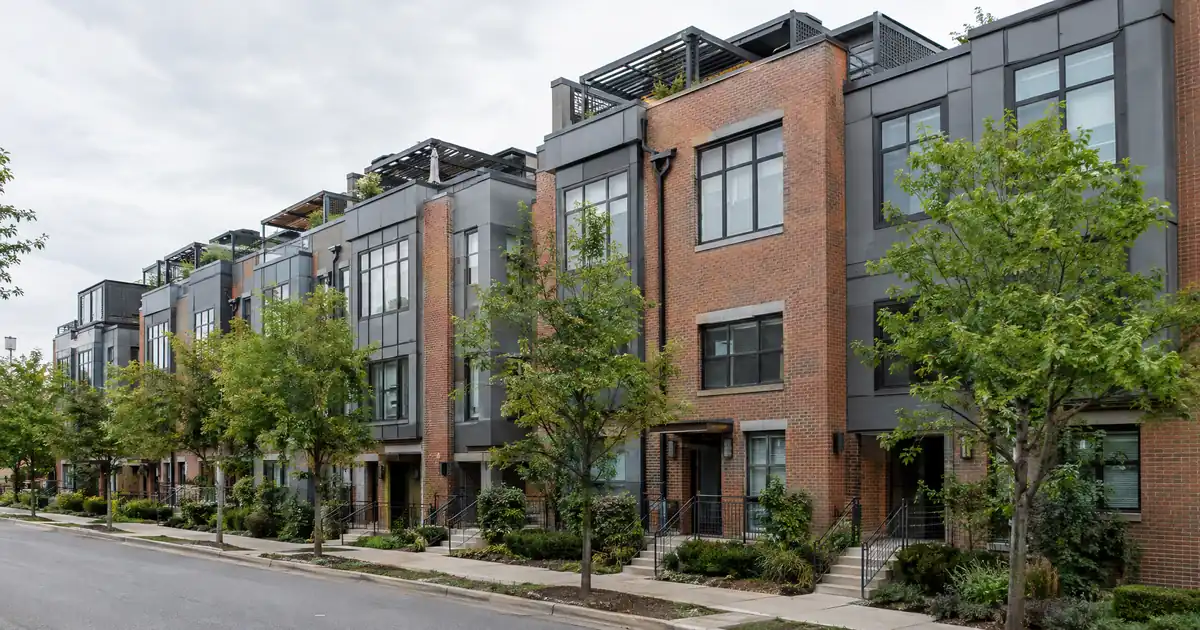
The Quick Read: Your location does not change the underwriting rules, but it changes who gathers the paperwork and how fast gaps get fixed. The file qualifies primarily on property-level rental income covering the payment, subject to lender guidelines, and a condo adds association paperwork on top of the usual loan package.
- Cash-out on an investment property tops out around 75% LTV, with about 6 months of ownership expected.
- The condo questionnaire comes from the association or its management company, not from you.
- HOA dues sit inside the payment the rent must cover.
- An LLC formed in another state may need to register where the condo sits.
- Names must match on every document, from the note to the insurance policy. These specifics are subject to lender guidelines and a full review of property, leverage, and credit.
What Does the Lender Actually Review on a Condo Cash-Out?
The lender reviews four layers: the unit, the building, the entity that owns it, and you as guarantor. A house file only has the first and last. A condo adds the building, and an out-of-state LLC adds the entity layer.
DSCR Cash-Out Calculator
Run the cash-out numbers in your market
Rate source: Freddie Mac 30-yr average via FRED® — Federal Reserve Bank of St. Louis · effective Oct 8, 2026
Prefilled with starting assumptions — enter your property’s value, balance, taxes, and insurance for a more accurate picture.
Program parameters update from Lendmire’s centralized guideline source. Taxes and insurance are editable estimates.
As of Oct 8, 2026 · General Freddie Mac market benchmark, not a Lendmire loan offer. Property value, balance, taxes, and insurance are editable estimates. Maximum loan-to-value varies by lender, program, property type, and seasoning. Not a Loan Estimate, approval, or commitment to lend. Program availability and eligibility are subject to lender guidelines, credit approval, property review, and underwriting.
DSCR stands for debt service coverage ratio. It compares monthly rent to the full monthly obligation: principal, interest, taxes, insurance, and HOA dues. That whole obligation is called PITIA. Across the wholesale network I place files with, 1.00 is where select programs start, and stronger coverage opens better pricing and leverage. A separate select-lender path takes coverage below 1.00, with leverage and terms adjusted.
Passing the ratio is not the same as positive cash flow. Repairs, vacancy, management, utilities, and capital costs sit outside the calculation. For the full program picture, see the complete DSCR loans guide.
Key Terms Defined
Warrantable condo: A building whose project meets agency-style standards on things like owner concentration, litigation, and reserves.
Non-warrantable condo: A building that fails those standards. Homebuyer.com explains that the label works by exclusion: buildings that do not qualify default to non-warrantable.
Condo questionnaire: A standardized form the association or manager completes about the building’s units, budget, reserves, litigation, and insurance.
Foreign LLC: An LLC operating in a state other than the one where it was formed. “Foreign” here means out of state, not out of the country.
Vesting: The exact name in which title is held, such as your LLC.
Seasoning: The ownership period a lender wants before it allows cash out. About 6 months, measured from title recording, is common.
The Document Checklist, Item by Item
Here is who supplies each item and why the underwriter wants it.
| Document | Who supplies it | Why it matters |
|---|---|---|
| Condo questionnaire | Association or manager | Reviews the building’s health |
| Current HOA dues statement | Association or manager | Dues enter the coverage ratio |
| Entity package | You, your attorney | Proves who owns the unit |
| Good-standing certificate | Secretary of state | Shows the LLC is active |
| Insurance (HO-6 and master) | Your agent, the association | Protects unit and building |
| Lease and rent evidence | You or your property manager | Supports the rent figure |
| Payoff statement | Current servicer | Sets what the new loan pays off |
| Appraisal | Ordered through the lender | Sets value and market rent |
An LLC package usually includes articles of organization, the operating agreement, an EIN letter, and a good-standing certificate. You also provide guarantor ID, credit, and reserve documentation. Reserves vary by lender, leverage, loan size, and transaction type. About 6 months of PITIA is common, and loans above $1,500,000 typically step up to about 9 months.
How Does the Questionnaire Work When You Live Elsewhere?
The management company completes it, and you cannot walk into the office to speed that up. Request it as soon as you decide to refinance, and ask the manager how long it takes.
The form typically covers total units, owner-occupied versus rented units, units held by one owner, commercial space, budget and reserves, dues delinquency, special assessments, litigation, insurance, and leasing restrictions. Lenders usually want a fresh one for each transaction.
Accuracy matters. Lenders rely on those answers, and a knowingly false one can become a fraud problem. If the association is self-managed and slow, ask the board treasurer directly, and have your local property manager or title agent follow up in person. Many remote owners hand that errand to a local contact because it works.
Warrantable or Not: What Happens to a DSCR File?
A non-warrantable building does not mean automatic denial. It narrows the pool of lenders and often lowers leverage. The rent test still applies on its own.
Typical triggers include heavy investor concentration, pending litigation, weak HOA reserves, high delinquency, commercial space, insurance gaps, and condo-hotel operations. Exact thresholds vary by lender and program, so confirm them with the specific lender before relying on any single percentage. Some conditions sink a deal under any program, such as mandatory rental pooling.
Status is not permanent. A building can slip from warrantable to non-warrantable as reserves drop or litigation appears, so a classification from your purchase may not hold at refinance.
Short-term rentals add another layer. The HOA documents must permit them, and documented hosting history generally matters. Short-term rental rules can vary by city, county, HOA, and property type, so investors should confirm local rules before relying on projected rental income. On the network, STR cash-out tops out at 70% LTV, versus 75% for standard long-term rentals.
How Do HOA Dues Affect Coverage?
Dues go in the denominator, so a unit with strong rent and heavy dues can still miss. Picture a condo whose rent clears 1.25x before dues rise and slips under 1.00x after. The ratio moves with the payment, not just the rent.
Pull the current dues figure and any pending special assessment before you apply. If the number you quoted is stale, a fresh HOA statement fixes it. Arguing that dues should not count does not.
A larger down payment or lower leverage lowers the payment and can lift the ratio. It never erases leverage caps, credit floors, reserve rules, or property eligibility. The strongest files clear both tests: enough equity and enough rental coverage.
What Does the Appraisal Do on a Condo?
It produces two numbers. The as-is value is the base for LTV, and the market-rent opinion is what the ratio uses. If either comes in below your assumption, the loan shrinks.
Appraisers use a unit report for condos, form 1073, and the appraisal forms reference describes that form in more detail. A one-unit investment condo typically uses a rent schedule, form 1007, and a two-to-four-unit property uses form 1025. The Fannie Mae Selling Guide names the 1007 for one-unit investment property when rental income is used. Your loan is not an agency loan, so these are borrowed measuring tools, not the eligibility test.
Many programs use the lower of lease rent and appraiser market rent. Confirm which applies before you count on the lease figure.
Out-of-State LLC: The Entity Layer
If an LLC formed in your home state holds title, the condo’s state may require it to register as a foreign LLC. FindLaw explains that qualifying typically involves a certificate of authority and a registered agent. Wolters Kluwer lists the usual steps: a home-state good-standing certificate, a registered agent in the new state, and an application for authority.
Whether a passive rental owner must register varies by state, and no uniform rule exists. Check the property state’s secretary of state. Expect the lender or title company to ask for proof. Lending to LLC-titled borrowers is subject to program terms.
Name matching is the quiet killer. The same entity name must appear on the note, title policy, insurance, lease, appraisal, and payoff statement. One stray “Inc.” or a missing comma stalls a file.
If you hold the unit in your personal name with an existing mortgage, think before deeding it into an LLC. A transfer can raise a due-on-sale question, and vesting at closing is often the cleaner route.
DSCR vs. conventional financing
There are two common ways to finance an investment property, and they qualify you differently — here’s how investors weigh them.
Why investors choose it
- Qualifies on the property’s rental income — no personal tax returns, W-2s, or pay stubs needed to document income.
- No personal debt-to-income ceiling to clear, so existing mortgages and obligations don’t cap your borrowing the same way.
- Can be closed in an LLC, keeping the property inside a business entity.
- Built for scaling — not held to the limit on number of financed properties that conventional financing applies.
- Underwriting centers on the deal: generally qualifies when the rent covers the payment, a 1.00x coverage ratio being a common baseline (confirmed in underwriting).
- Designed specifically for investment property, including long-term and, where the program allows, short-term rentals.
Where it’s strong
- Often the lowest ongoing financing cost for a buyer who fully qualifies on personal income — a fit for a first property or a cost-first purchase.
Trade-offs for investors
- Requires full personal income documentation and must fit within a debt-to-income limit — salary, existing debts, and other mortgages all count.
- Typically held in your personal name rather than a business entity.
- Caps how many financed properties you can carry, which can become a ceiling as a portfolio grows.
- Evaluates you as a borrower as much as the property, which usually means more paperwork.
How investors usually choose: a first or single property often optimizes for the lowest financing cost; portfolio builders often optimize for leverage, vesting in an LLC, and scaling past conventional caps. The right answer depends on your goals, the property, and current guidelines — both paths run through select lenders in Lendmire’s wholesale network, with eligibility and terms confirmed in underwriting.
Cash-Out Specifics
Coverage is tested on the new, larger loan, not your old one. Beyond the items above, the file needs:
- A current payoff or mortgage statement.
- The settlement statement, to prove seasoning.
- Proceeds directed to an account in the entity’s name when an LLC holds title.
A lower appraisal cuts the cash directly. The cash available depends on rent used for lender review, PITIA, reserves, and the 75% cash-out LTV ceiling. It is never a guaranteed figure. Typical credit expectations run from a 620 floor in parts of the network to around 660 on most programs, with 700 and up opening the strongest tiers.
Where the General Rule Breaks
- Two-to-four-unit condos: the 1025 and the project review run together.
- Florida buildings: structural reserve study evidence can gate a file at some programs.
- Mixed projects: a large single owner, a new-construction phase, or a master lease needs lender-specific review.
- Manufactured homes, log homes, and barndominiums: not offered, so a condo-style unit built that way will not fit.
- Loan size: standard programs run up to $3,000,000, and above $2,500,000 the network generally holds to 30-year fixed structures.
Red Flags and Fixes
| Stall | Likely fix |
|---|---|
| Questionnaire not returned | Escalate to the board or send a local contact |
| Dues figure changed | Get a current HOA statement |
| Entity name mismatch | Correct every document before submission |
| Missing foreign registration | File with the property state first |
| Appraisal under expectation | Resize the loan or add equity |
| Master policy gap | Ask the association for an updated certificate |
Does a Remote Owner Have to Travel?
Not necessarily. Signing options include mail-away, hybrid, and remote online notarization, and which one applies depends on the title company and the state. Ask the title agent early. Some states handle cash-out signings differently, so confirm before you plan around a remote close. A local property manager or authorized agent can usually request association records on your behalf, though the lender or title company may order some directly.
Frequently Asked Questions
Does the condo have to be warrantable for a DSCR cash-out?
No. A non-warrantable building narrows the lender pool and often lowers leverage, but the file can still move through select lenders. The rent test is separate from the building’s status.
Who fills out the condo questionnaire?
The association or its management company completes it. You request it, but you cannot answer it yourself. A fresh form is typically required for each transaction.
Does DSCR mean no paperwork?
No. It skips personal-income documentation, because qualification runs on the property’s income. You still provide identity, credit, reserves, appraisal, title, insurance, the entity package, and the HOA questionnaire.
Can my property manager request documents for me?
Often yes, with your written authorization. Some associations restrict records to owners, so a signed authorization or power of attorney may be needed.
Do HOA dues count against my coverage ratio?
Yes. Dues are part of PITIA, so they reduce coverage directly.
Tax treatment can depend on how the funds are used and how the property is held; investors should keep clear records and speak with a qualified tax professional before relying on any deduction.
If you are buying or refinancing a rental property and want to see how the numbers work, Lendmire can help you compare DSCR loan options based on the property income, credit profile, leverage, and investor goals. For a related read, see Lendmire’s piece DSCR Cash-Out Documentation for an Out-of-State Airbnb Owner, and for the Texas angle, its piece Texas DSCR Cash-Out Requirements for an Out-of-State Rental Owner.
Investors weighing their equity options can start with Lendmire’s guide to cash-out refinance on an investment property.
For current guidelines and terms, see Lendmire’s DSCR loan programs page.
About Lendmire
As a DSCR and non-QM mortgage broker, Lendmire — NMLS# 2371349 — connects investors with wholesale lending channels across 41 markets, including Washington, D.C. The property’s rental income, not the borrower’s tax returns, is central to lender review, which works for self-employed operators and portfolios beyond four financed properties. Scotsman Guide named Lendmire a Top Mortgage Workplace in both 2025 and 2026.
Get Started
Ready to find the right loan for you?
In about 30 seconds you can review financing options available for your investment property. No commitment required.
Informational only. Not a Loan Estimate, approval, or commitment to lend. Program availability and eligibility are subject to lender guidelines, credit approval, property review, and underwriting.
References
1. Homebuyer.com, Non-Warrantable Condo
2. realvals.com: Real Estate Appraisal Forms
3. Fannie Mae Selling Guide B4-1.2-01
4. FindLaw, Conducting Out-of-State Business
5. Wolters Kluwer, Foreign Entity Registration
This article is part of Lendmire’s investment property cash-out refinance program — full qualification details, guidelines, and scenarios live on the program page.
Related reading: Cash Out Refinance Investment Property Laws · Should I Pay Off My HELOC or Invest? · Cash Out Refinance Balloon LLC Property
Brandon Miller
Founder & CEO, Mortgage Loan Originator, Lendmire LLC
- Mortgage Loan Originator · NMLS# 1129696 · Verify on NMLS Consumer Access
- North Carolina Real Estate Broker · License# 343312 · Verify on NCREC
- North Carolina Insurance Producer · License# 19053198 · Property, Casualty, Life, Health · Verify on NAIC SBS
- Lendmire LLC · Firm NMLS# 2371349 · Verify firm licensure
Disclosure information. Lendmire is a state-licensed mortgage brokerage under NMLS# 2371349. Lendmire is not a depository institution, direct lender, or financial advisor — all loans referenced are placed through wholesale lender partners and are subject to each lender's underwriting standards. This article is provided for general informational purposes and is not a commitment to lend, nor does it constitute financial, legal, or tax advice. Loan programs, terms, rates, and qualification standards change without notice and depend on borrower profile, property type, and the state in which the subject property is located. Equal Housing Opportunity provider. NMLS Consumer Access: nmlsconsumeraccess.org.