
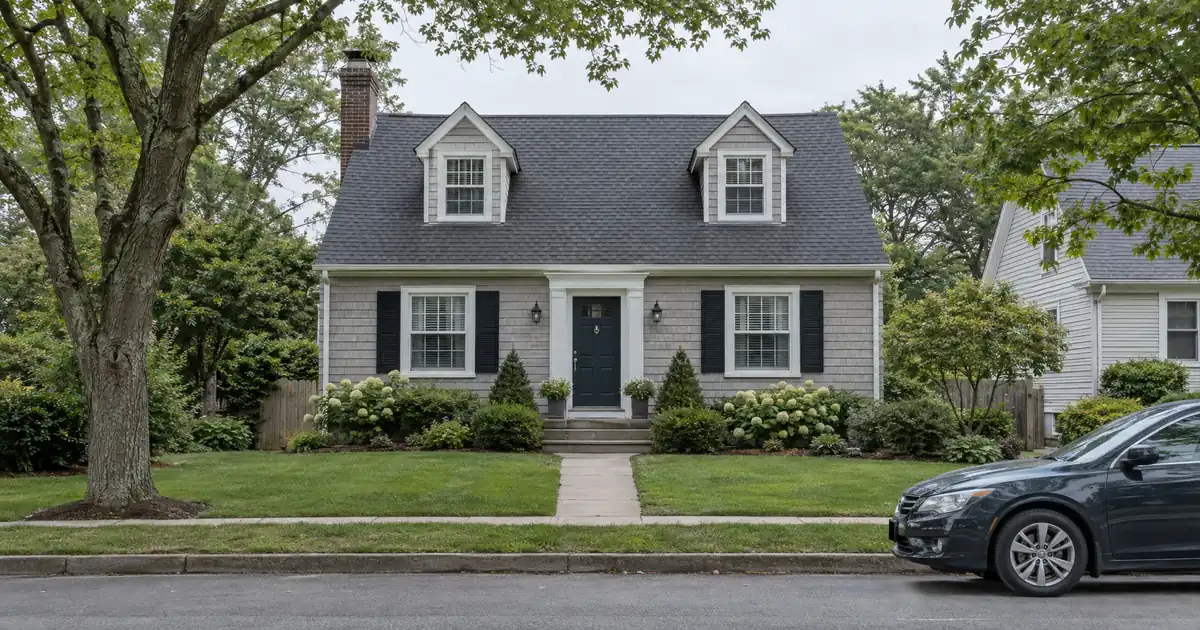
The Quick Read: Yes. A DSCR cash-out refinance on a rental with tenants in place is a normal transaction, and spending the proceeds on improvements to that rental is a standard business use of the money. The lender cares about the lease, the rent, the equity, and the property’s condition. It does not require the unit to be vacant. Here is what matters most:
- Cash-out on a standard rental tops out around 75% LTV, and about 6 months of ownership is the common expectation.
- A tenant in place with a lease is the expected condition, not a problem.
- The appraiser values the property as it stands, so planned work may not count until it is finished.
- The larger payment after cash-out must still be covered by rent, with 1.00 coverage where many select programs start.
- Tenant law, not the lender, sets the limits on how you do the work. Exact terms depend on the lender’s guidelines, property type, leverage, and a full review of the borrower’s file.
Picture a landlord with a duplex, a good tenant, and a roof that will not last another winter. The question is whether the refinance and the repair can happen while the tenant stays. Usually they can. The sequence and the cash-flow math decide whether it is a smart move.
DSCR Cash-Out Calculator
Run the cash-out numbers in your market
Rate source: Freddie Mac 30-yr average via FRED® — Federal Reserve Bank of St. Louis · effective Oct 8, 2026
Prefilled with starting assumptions — enter your property’s value, balance, taxes, and insurance for a more accurate picture.
Program parameters update from Lendmire’s centralized guideline source. Taxes and insurance are editable estimates.
As of Oct 8, 2026 · General Freddie Mac market benchmark, not a Lendmire loan offer. Property value, balance, taxes, and insurance are editable estimates. Maximum loan-to-value varies by lender, program, property type, and seasoning. Not a Loan Estimate, approval, or commitment to lend. Program availability and eligibility are subject to lender guidelines, credit approval, property review, and underwriting.
Is Renovating a Rented Property a Valid Use of Cash-Out Money?
Yes. DSCR loans are designed for non-owner-occupied investment properties, and they are business-purpose loans. Putting the money back into the rental, such as a roof, a kitchen, or building systems, is about the cleanest business use there is. Across the wholesale network, the programs we place files with are built around the property’s income, not your paycheck. The loan is reviewed primarily on property-level rental income covering the payment, subject to lender guidelines.
The edges matter. Spending the cash on personal expenses changes the picture. Keep a short paper trail: a written statement of what the money is for, plus contractor bids, scopes, and invoices. Many lenders ask for a business-purpose declaration, and a signed box with nothing behind it is thin evidence.
A word on the legal frame, briefly. Federal truth-in-lending rules exempt credit extended mainly for business purposes. The federal consumer-finance regulator’s overview of the Truth in Lending Act lists that exemption. It also says a checked business-purpose box with no documented use of proceeds may be insufficient evidence. The Federal Reserve’s earlier version of the same overview lists the same factors, including the borrower’s statement of purpose and the size of the transaction. Rental improvements fit that purpose test cleanly.
Does a Tenant in Place Help or Hurt the Refinance?
It usually helps. An in-place lease is a core document on a DSCR file, and it gives the underwriter a rent figure to work with. Vacant properties can still be financed, but occupied is the normal state of a rental.
How rent gets counted depends on the program. A one-unit rental is typically supported by a rent schedule that the appraiser completes alongside the value opinion, known as form 1007. A 2-4 unit property uses an income property appraisal report, known as form 1025. These form numbers are a naming convention only. DSCR loans are not agency loans, and agency rules do not govern the file.
Here is how DSCR works. DSCR stands for debt service coverage ratio. You divide the property’s monthly rent by its full monthly payment: principal, interest, taxes, insurance, and any association dues. That payment total is called PITIA. The test uses the new, larger payment after cash-out. That means rent can limit your proceeds before equity does.
One catch deserves attention. Many programs let the underwriter use the lower of the lease rent and the market rent. If you hand a tenant a rent concession for putting up with construction and amend the lease, the file may see the lower number. Talk to your broker before you sign anything.
Will the Appraisal Count the Renovation?
Not before it is done, in most cases. An appraisal reflects the property’s condition on the day of inspection. Work that is planned, half-finished, or sitting in a contractor’s quote may not move the value. A completed improvement may support a higher appraised value, depending on comps and underwriter review. Never size your plan around a promised lift.
Condition also matters on its own. If deferred maintenance leaves a unit not rent-ready, some programs may ask for repairs first or decline the file. That varies by program, so ask early if the property needs serious work.
The practical effect: if you refinance before renovating, the 75% LTV cap applies to a value that reflects the unrenovated building. Every figure here varies by lender and program — guidelines, property type, leverage, and credit profile all apply.
Refinance First or Renovate First?
Both orders work. They solve different problems.
| Factor | Refinance, then renovate | Renovate, then refinance |
|---|---|---|
| Cash source | Cash-out proceeds | Savings or other funding |
| Appraised value | Reflects current condition | May reflect finished work |
| Tenant disruption | After closing | Before closing |
| Main risk | Lower value caps proceeds | Needs money up front |
| Seasoning | About 6 months of ownership | Same expectation |
If the renovation was paid for with a short-term bridge or hard money loan, the new loan may just pay that off. Lenders often treat that as a rate-and-term refinance because no cash comes back to you. Cash back at closing makes it a cash-out, which on a standard rental tops out around 75% LTV. A rate-and-term refinance can go higher, at up to 85% LTV. Those are separate lines, and the right one depends on how you funded the work.
Our wholesale network sees both sequences regularly. The investor who renovates first often has more value to show, but needs a second pot of money. The investor who refinances first gets liquidity sooner, but gives up some appraisal upside. This is a genuine toss-up, and the answer turns on how much cash you have and how much value the work will add.
What Does the Larger Payment Do to Your Coverage?
A cash-out refinance replaces the whole old balance. You are not just borrowing the cash. You are repricing every dollar, so the new payment resets across the full amount. Investor educators make the same point: cash-out money is not free, because it adds payments and closing costs.
Run it as a ratio. Say your duplex covers the current payment at about 1.4x. After cash-out at the 75% ceiling, the payment grows and coverage may land nearer 1.1x. That clears 1.00, where many select programs start. Push the cash-out further, or let rent dip during construction, and you may approach the line or drop below it. A separate select-lender path takes coverage below 1.00 with leverage and terms adjusted. Pricing and proceeds change on that path.
Clearing 1.00 is also not the same as positive cash flow. DSCR compares rent to PITIA only. Repairs, vacancy, management, utilities, and capital spending sit outside the test. A deal can pass the lender’s math and still lose money monthly. Build a separate budget for the full project, with a reserve for cost overruns.
Credit and reserves also apply. A 620 score is the floor in parts of the network, most programs want around 660, and 700+ opens the strongest leverage tiers. Reserves commonly run about 6 months of PITIA, and about 9 months on loans above $1,500,000. These vary by lender, leverage, and loan size, and all of it is subject to lender guidelines. A bigger rent increase after renovation can lift coverage, but it is never guaranteed. Get the improved rent assumption in writing before you commit.
Which Work Fits an Occupied Unit?
Tenants set the practical limits here, not the lender. Roughly speaking, jobs fall into three buckets.
| Usually workable in place | Needs coordination | Better at turnover |
|---|---|---|
| Exterior paint, roof | Kitchen updates | Full gut renovation |
| Landscaping, fencing | Flooring | Layout changes |
| Windows | Bathroom updates | Work that cuts water or power |
| Common-area upgrades | HVAC replacement | Long multi-room projects |
The first column barely touches daily life. The second needs scheduling and written notice. The third is where trying to work around a tenant costs more than it saves.
An industry glossary argues that renovating around a good tenant often beats losing months of rent to vacancy. That is opinion, not data, so run your own numbers. Compare the disruption cost and any rent concession against the lost rent from an empty unit. A tenant who pays on time and plans to stay is worth a lot.
What Do Landlord-Tenant Rules Require?
Tenant law varies by state and city, so check your local rules before you start. The general pattern is consistent, though.
A landlord can generally renovate an occupied rental with proper notice. Tenants may refuse to move out, and you may not be able to end the lease mid-term. Apartments.com’s landlord guide suggests a 24-hour notice of entry plus a separate notice of renovation before construction begins. It warns that disrupting a tenant’s quiet enjoyment can mean refunded rent or damages.
Rent-regulated places add more. In New York, state housing regulators require written informed consent from an occupied tenant for certain improvements that support rent increases. San Francisco requires a Rent Board petition before a capital-improvement rent increase takes effect. Those are examples of how much rules differ, not guidance for your market.
Your checklist: read your lease, put every notice in writing, keep water, power, and heat on, and use licensed, insured contractors. Confirm your insurance covers construction on an occupied property. If you plan to raise rent afterward, check what your local rules allow.
When Is This a Bad Idea?
Cash-out for renovation is a poor fit in a few situations.
- Coverage is already thin, and the larger payment would push you under 1.00.
- The work needs the unit empty, but you are counting on in-place rent to qualify.
- The renovation cost is a guess with no bids behind it.
- Values in your area are soft, which makes high leverage riskier. Investor commentary on BiggerPockets warns that maximizing leverage is risky if values fall.
- Your old balance is cheap and large, and repricing all of it costs more than the project returns.
Alternatives exist. You can pay from cash flow, use savings, or take a second lien. Investment-property HELOC lines cap at $500,000 total. Each option changes your leverage and payments differently, so compare them side by side. The property types the network does not offer also matter: manufactured homes, log homes, and barndominiums fall outside these programs. For more on the funding side, see Lendmire’s piece Can You Use DSCR Cash-Out Proceeds to Renovate a Rental?. For a broader view of how these loans work, read the complete DSCR loans guide.
Tax treatment can depend on how the funds are used and how the property is held; investors should keep clear records and speak with a qualified tax professional before relying on any deduction.
Key Terms Defined
Cash-out refinance: A new loan that pays off the old one and returns the extra equity to you as cash.
DSCR: Debt service coverage ratio, meaning the property’s monthly rent divided by its full monthly payment.
PITIA: Principal, interest, taxes, insurance, and association dues, the full monthly payment used in the coverage test.
LTV: Loan-to-value, the loan balance as a percentage of the property’s appraised value.
Seasoning: The ownership period a lender wants before allowing a cash-out, about 6 months on most files.
Rate-and-term refinance: A refinance that changes the loan’s terms without returning cash to you at closing.
Step-by-Step: From Decision to Finished Work
1. Get contractor bids and a written scope before you apply.
2. Check ownership length against the roughly 6-month seasoning expectation.
3. Estimate coverage on the new, larger payment, and test a rent-dip scenario.
4. Prepare the lease, a use-of-proceeds statement, and your bids.
5. Decide the sequence: refinance first, or renovate first.
6. Send written notices to tenants and confirm insurance and permits.
7. Hold a cost-overrun reserve separate from your project budget.
8. After closing, track spending by invoice.
If you are buying or refinancing a rental property and want to see how the numbers work, Lendmire can help you compare DSCR loan options based on the property income, credit profile, leverage, and investor goals. Reach the team at 828-256-2183 or request a quote. Programs change and every file is underwritten individually. Nothing here is a commitment to lend.
Frequently Asked Questions
Does the lender control how I spend the proceeds?
Generally the lender wants a documented business purpose, not a project inspection. Many programs ask for a use-of-proceeds statement. Spending the money on the rental is the cleanest fit. Using it for personal costs can change how the loan is treated, so keep records.
Do I have to evict or relocate my tenant before refinancing?
No. An occupied rental with a lease in place is the normal DSCR condition. Tenant-law limits on construction are separate and vary by place. A lease and rent evidence usually help the file.
Can I renovate while the refinance is in process?
Doing heavy work before the appraisal can leave the property mid-construction, and the appraiser values it as it stands. Unfinished work may not count, and a unit that is not rent-ready can complicate review. Talk to your broker before you start.
Will the renovation raise my rent and my appraisal?
Possibly, but never a promise. Rent increases depend on your market, your lease, and local rules. Underwrite the project on conservative numbers.
What if I give tenants a rent break during the work?
A lower lease rent can lower the rent the lender uses. Some programs count the lower of lease rent and market rent. Ask your broker how a concession would affect coverage before you amend the lease.
For how equity extraction works on an investment property, see Lendmire’s guide to cash-out refinance on an investment property.
About Lendmire
Lendmire — NMLS# 2371349 — is a mortgage brokerage specializing in DSCR investor loans, helping arrange financing across 41 markets, including Washington, D.C., through wholesale and investor-lending channels. The model centers on property-level rental income reviewed by the lender rather than W-2 documentation, subject to lender guidelines, suiting entity-owned and multi-property investors. Lendmire holds Scotsman Guide Top Mortgage Workplace recognition for 2025 and 2026.
Get Started
Ready to find the right loan for you?
In about 30 seconds you can review financing options available for your investment property. No commitment required.
Informational only. Not a Loan Estimate, approval, or commitment to lend. Program availability and eligibility are subject to lender guidelines, credit approval, property review, and underwriting.
References
1. CFPB – Truth in Lending Act overview
2. Federal Reserve – Regulation Z overview
3. BiggerPockets forum – cash-out refi strategy
5. Apartments.com Rental Manager – Renovating while tenanted
This article is part of Lendmire’s investment property cash-out refinance program — full qualification details, guidelines, and scenarios live on the program page.
Related reading: How a Tenant in Place Affects DSCR on a Cash-Out Refinance · Should a Landlord Cash Out to Pay Off a HELOC With a Tenant in Place? · Should You Use a HELOC to Renovate Instead of Moving?
Brandon Miller
Founder & CEO, Mortgage Loan Originator, Lendmire LLC
- Mortgage Loan Originator · NMLS# 1129696 · Verify on NMLS Consumer Access
- North Carolina Real Estate Broker · License# 343312 · Verify on NCREC
- North Carolina Insurance Producer · License# 19053198 · Property, Casualty, Life, Health · Verify on NAIC SBS
- Lendmire LLC · Firm NMLS# 2371349 · Verify firm licensure
Disclosure information. Lendmire is a state-licensed mortgage brokerage under NMLS# 2371349. Lendmire is not a depository institution, direct lender, or financial advisor — all loans referenced are placed through wholesale lender partners and are subject to each lender's underwriting standards. This article is provided for general informational purposes and is not a commitment to lend, nor does it constitute financial, legal, or tax advice. Loan programs, terms, rates, and qualification standards change without notice and depend on borrower profile, property type, and the state in which the subject property is located. Equal Housing Opportunity provider. NMLS Consumer Access: nmlsconsumeraccess.org.