
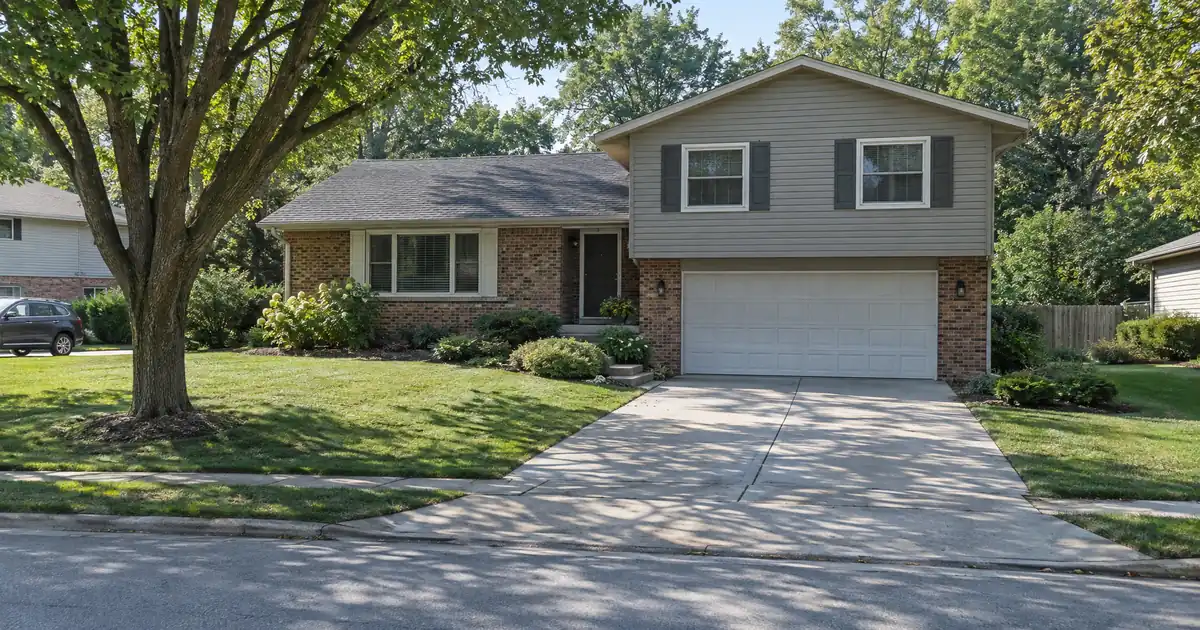
The Quick Read: In a community property state, a spouse who is not a borrower usually still signs the lien document on a home equity line, because the home’s equity belongs to both spouses. That signature covers the lien, not the repayment promise, and a lender generally cannot force the spouse into a co-borrower role when the applicant qualifies alone.
- A lien signature and a borrower signature are different things. The first lets the lender claim the property on default. The second makes a person personally liable on the loan.
- Title does not settle it. In these states, property bought during the marriage is generally owned by both spouses whether or not both names appear on the deed.
- Separate property, such as a home owned before the marriage or inherited, can change the answer, but lenders and title companies often still ask for the signature.
- On Lendmire’s network, an investment-property HELOC tops out at 70% CLTV and a $500,000 line, and the property must be titled to an individual or a revocable living trust.
- If the spouse’s signature is the sticking point, a DSCR loan is the common alternative. It qualifies primarily on property-level rental income covering the payment, subject to lender guidelines.
Note vs. Lien: The Distinction Everything Else Rests On
A HELOC involves two separate promises, and mixing them up causes most of the confusion. The note is the promise to repay. The lien (a deed of trust or mortgage, depending on the state) is the lender’s claim on the property if the repayment promise fails.
How large a line the equity supports.
An equity line is sized by combined loan-to-value, occupancy, and credit — not by rental coverage. Switch the occupancy or the credit band and the ceiling moves with it.
Investment-property lines require a 700 minimum credit score; second-home lines start at a 640 minimum and primary-residence lines at 600, and the combined-LTV ceiling steps down as the credit band drops on primary-residence and second-home lines and holds on investment-property lines; the line cap steps down on primary-residence lines and holds at every tier on investment-property and second-home lines.
A debt-to-income ratio above 45% requires 680+ credit. Profiles under 640 are limited to single-family homes. At least 75% of the approved line is drawn at closing. Ceilings, floors, and caps update from Lendmire’s centralized guideline source.
Line estimate
Illustrative estimate only — not a quote, Loan Estimate, approval, or commitment to lend. The rate is an editable assumption; equity-line pricing is variable through both the draw and repayment periods and never converts to fixed. Occupancy and credit drive the ceiling together: an investment property tops out at 70% combined LTV (minimum credit 700, line cap $500,000); a second home tops out at 90% combined LTV (minimum credit 640, line cap $500,000), with the ceiling stepping down as the credit band drops (the cap holds at every tier); a primary residence tops out at 90% combined LTV (minimum credit 600), and its $750,000 maximum line is available only at 75% combined LTV or below with a 700-or-better credit profile (720 on the longer-runway program) and a full appraisal. Lines above $500,000 require a full appraisal. Credit, debt-to-income, property type, and full underwriting review all affect the final line.
The borrower signs both. A non-borrowing spouse in a community property state is typically asked to sign only the lien side. The lender wants that signature so nobody can later argue that half the property was never pledged.
| Role | Signs the note? | Signs the lien? |
|---|---|---|
| Borrower | Yes | Yes |
| Signing spouse, not a borrower | No | Usually yes |
| Co-borrower spouse | Yes | Yes |
Think of it this way. The borrower promises to pay. The signing spouse agrees that the house can be taken if the borrower does not. Those are different commitments, and a good closing package makes the difference plain on the page.
One caution belongs here. Signing only the lien does not wall the spouse off from every consequence. Nolo explains that in these states spouses can share liability for debts incurred during the marriage whether or not both signed. That is a general point, not legal advice, and a family-law attorney can say how it applies to your situation.
Why Community Property States Trigger the Signature
Community property states treat most things acquired during the marriage as owned equally by both spouses. The name on the deed does not change that. Nolo lists nine community property states: Arizona, California, Idaho, Louisiana, Nevada, New Mexico, Texas, Washington, and Wisconsin. NerdWallet’s community property overview gives the same nine and contrasts them with common-law states, where ownership follows title more closely.
A few other states, including Alaska, Florida, and Kentucky, let spouses opt in to community property treatment. That matters only if the couple created an agreement or trust to do it.
Now put yourself in the lender’s chair. If the house is half your spouse’s, a lien signed only by you may bind only your half. A lender that cannot reach the whole property has weaker collateral, so it asks for the spouse’s signature on the lien. That is the whole logic.
Some states go further. In a state like Washington, neither spouse may sell or encumber community real property without the other joining the instrument. Other states are looser. Some accept a disclaimer or waiver from the non-owner spouse. Requirements differ by state, so treat any general description, including this one, as a starting point for a conversation with a title company.
Key Terms Defined
HELOC: A home equity line of credit, a revolving line secured by a lien on property you own.
CLTV: Combined loan-to-value, which is all loans secured by the property divided by the property’s value.
Lien: The lender’s legal claim on the property, which lets it take the property if the loan is not repaid.
Non-borrowing spouse: A spouse who signs documents tied to the collateral but is not on the repayment promise.
Community property: A legal system where most assets acquired during the marriage belong equally to both spouses.
Separate property: Assets owned before the marriage, or received by gift or inheritance, that stay with one spouse if not mixed with marital assets.
DSCR: Debt service coverage ratio, which compares a rental’s income to its full monthly obligation of principal, interest, taxes, insurance, and any association dues.
What Federal Law Says a Lender Can and Cannot Demand
Here is the point most borrowers miss. A lender does not get to demand a spouse’s signature on everything just because the state is community property.
The CFPB’s text of the equal credit rule on spousal signatures sets a general rule: a lender may not require the signature of an applicant’s spouse on a credit instrument when the applicant is reviewed on their own for the amount and terms requested. There is an exception for secured credit. A lender may require a spouse’s signature on an instrument that state law makes necessary to make the collateral available on default. That includes an instrument to create a valid lien or pass clear title.
The CFPB also says the spouse can sign an instrument that makes clear, with a legend next to the signature, that the signature grants only a security interest and creates no personal liability. In other words, the system is designed to get the lien signature without making the spouse a borrower.
FDIC guidance to lenders points the same way. Even when the collateral is jointly owned, lenders should obtain only the signatures necessary to perfect their security interest.
Two more points from the CFPB text matter in practice:
- If you rely on your spouse’s income to qualify, the lender may require that person’s signature to make the income available.
- If you do not qualify alone, the lender may ask for a cosigner or guarantor, but it cannot insist that the cosigner be your spouse.
The practical result is a negotiation with a clear shape. You can push back on a co-borrower demand when you qualify alone. You should expect to supply a lien signature when state law makes it necessary.
Who Signs What
This table shows the typical pattern. Your lender and title company make the final call.
| Situation | Spouse signs lien? | Spouse signs note? |
|---|---|---|
| Home bought during marriage, one name on title | Typically yes | No, if applicant qualifies alone |
| Both spouses on title | Yes | Only if both apply |
| Home owned before the marriage | Often still requested | No |
| Spouse’s income needed to qualify | Yes | Often yes |
| Property in a revocable living trust | Depends on trust terms | No |
Notice that the note column rarely changes. The lien column is where state property law does its work.
Where the General Rule Breaks
Separate property inside a community property state. A home you owned before marriage is generally separate. So is one you inherited. But property can lose separate status if it is mixed with marital assets, and the answer turns on state law and the facts. Because lenders and title companies often cannot resolve that on paper, they frequently request a signature or a disclaimer anyway.
The investor who lives elsewhere. The federal text covers an applicant who resides in a community property state or relies on property located in one. So an investor who lives in a common-law state but owns a rental in a community property state can still face the question. A rental in one of these states can bring the issue with it.
The reverse case. Common-law states are not free of spousal signatures. Homestead, dower, and tenancy-by-the-entirety rules can require them. Do not assume a signature is unnecessary just because the state is not on the list of nine.
Spouse’s income. Using your spouse’s income turns a lien-only signer into a co-borrower, usually. That changes the liability picture and the credit review.
Prenuptial or separate-property agreements. These can change how property is characterized, which can change who must sign. Bring the agreement to the title company early.
A spouse who cannot or will not sign. Refusal, absence, separation, incapacity, or death each leave a lien with a possible gap. Title companies handle these cases differently, and some accept notarized remote signing or a power of attorney while others do not. This is a title company and attorney question. A missing or defective signature can cause title defects, delays, or disputes later, which is why lenders treat it as a gating item and not a formality.
Trust-held property. If the property sits in a revocable living trust, the trust documents drive who signs. Bring them to the first conversation.
What an Investment-Property HELOC Looks Like on Lendmire’s Network
Lendmire is a broker, not a lender. It places HELOC files with select wholesale partners, and every figure below is subject to lender guidelines and full file review. Availability is limited to Lendmire’s 16 full-service states: AL, CA, CO, FL, GA, IN, MI, MT, NM, NC, OH, PA, TN, TX, VA, and WA. That is narrower than its DSCR footprint, and only four of the nine community property states are in it: California, New Mexico, Texas, and Washington.
The rules differ by occupancy, so the numbers depend on what the property is:
- Investment property: the ceiling is 70% CLTV, with a 700 minimum credit score, and the line maxes out at $500,000. These lines run a 5-year interest-only draw followed by a 25-year repayment period.
- Second home: the minimum score is 640, and the line maxes out at $500,000.
- Primary residence: lines can run up to $750,000, with the highest leverage reserved for stronger credit profiles. A Texas primary residence is a homestead and caps at 80% combined loan-to-value.
Two structural rules matter for married investors. First, title must be held by the individual borrower or a revocable living trust. An LLC cannot hold title on these lines, so a property already deeded to an LLC needs a vesting change first, or a different product. Second, the credit file is keyed to a single score for the primary wage earner. A spouse with weaker credit does not drag the file down just by signing a lien.
The line size works against many investors, too. A $500,000 cap is thin for larger portfolios, and the 70% CLTV ceiling counts every lien already on the property.
When a DSCR Loan Fits Better
The spouse-signature issue does not disappear with a DSCR loan. It comes from state property law, not from the underwriting method. What changes is how the file is judged. A HELOC leans on your personal credit and income. A DSCR loan is reviewed primarily on property-level rental income covering the payment, subject to lender guidelines.
That shift helps in three situations: the property is held in an LLC (subject to lender program eligibility), the line size is too small, or your personal debt-to-income ratio is the problem. You can read more in the complete DSCR loans guide.
Here are the typical parameters across the network’s DSCR programs:
- Purchases most often land at 75% to 80% LTV, with select high-leverage programs reaching 85% LTV at roughly a 700 score or better.
- Cash-out refinances top out around 75% LTV on most of the network, with about six months of seasoning as the common expectation.
- A coverage ratio of 1.00 is where select programs start, and stronger ratios open better terms. A separate select-lender path goes below 1.00, with leverage and terms adjusted.
- Credit floors begin at 620 in parts of the network. Most programs want around 660, and 700 or better unlocks the strongest leverage.
- Loan sizes reach up to $3,000,000 on standard programs, with smaller balances available through select lenders.
- Reserves vary by lender, leverage, and loan size, commonly around six months of the full monthly obligation.
One caution on coverage. Clearing 1.00 does not mean the property produces positive cash flow. The ratio compares rent to the payment only, so repairs, vacancy, management, and utilities sit outside it.
Before You Apply: A Short Checklist
1. Confirm how the property is titled and when it was acquired. Dates relative to the marriage matter.
2. Decide who the borrower is. If you qualify alone, say so up front.
3. Ask the title company which instruments your spouse must sign and whether notarization is required.
4. Check for a prenuptial agreement or trust. Either can change the signing list.
5. Line up your spouse’s availability. If your spouse lives in another state or travels, ask what signing methods are accepted.
6. Ask the lender whether the signature will be on a lien-only instrument. A clear legend protects your spouse from confusion later.
If your income is documented through bank statements instead of traditional personal-income documentation, Lendmire’s piece Community-Property Bank Statement HELOC Rules for a Non-Borrowing Spouse covers that variation.
Tax treatment can depend on how the funds are used and how the property is held; investors should keep clear records and speak with a qualified tax professional before relying on any deduction.
Frequently Asked Questions
Does my spouse have to sign if they are not on title?
Often, yes, in a community property state. Property acquired during the marriage is generally owned by both spouses regardless of whose name is on the deed, so the lender usually wants the lien signature. Separate property can change that, and a title company or attorney should confirm how your state treats it.
Does signing the lien make my spouse responsible for the debt?
Not by the signature alone. A lien-only signer is not on the repayment promise. Community property rules can still expose shared marital assets to debts incurred during the marriage, so talk with a family-law attorney about your situation.
Can a lender require my spouse to be a co-borrower?
Generally not, when you qualify alone for the amount and terms you requested. A lender can require the signatures needed to create a valid lien. If you do not qualify alone, it can ask for a cosigner, but not specifically your spouse.
What if my rental is in a community property state but I live in a common-law state?
The issue can still apply, because the federal text reaches applicants who rely on property located in a community property state. Local title and escrow practice usually determines the exact documents, so raise it at the start of the file.
Can an LLC borrow on a HELOC to avoid the issue?
Not on Lendmire’s network. These lines require title in the individual borrower or a revocable living trust. A DSCR loan can close in an LLC name, subject to lender program eligibility, but the spouse’s interest in the property can still require a signature.
If you are considering a home equity line and want to see how the numbers work, Lendmire can help you compare HELOC options based on the property, the equity available, credit profile, combined leverage, and your goals. Call 828-256-2183 or request a quote.
About Lendmire
Lendmire — NMLS# 2371349 — is a mortgage broker that arranges home equity lines of credit in its 16 full-service states through wholesale lenders, on primary residences, second homes and investment properties. Every line is subject to the lender’s guidelines and full underwriting. Scotsman Guide named Lendmire a Top Mortgage Workplace in both 2025 and 2026.
Get Started
Ready to find the right loan for you?
In about 30 seconds you can review financing options available for your home or investment property. No commitment required.
Informational only. Not a Loan Estimate, approval, or commitment to lend. Program availability and eligibility are subject to lender guidelines, credit approval, property review, and underwriting.
References
1. Nolo, Liens on Jointly Owned Property
2. Nolo, Marriage Property Ownership
3. NerdWallet, Community Property
4. CFPB, Signature of spouse or other person (12 CFR 1002.7)
5. FDIC guidance on spousal signatures and security interests
This article is part of Lendmire’s home equity line of credit program — full qualification details, guidelines, and scenarios live on the program page.
Related reading: Should a Homeowner Use a HELOC to Build an ADU or Pool? · HELOC vs Cash-Out Refinance for a Retiree on Pension Income · How to Get a HELOC After a Quitclaim in a High-Cost Closing State
Brandon Miller
Founder & CEO, Mortgage Loan Originator, Lendmire LLC
- Mortgage Loan Originator · NMLS# 1129696 · Verify on NMLS Consumer Access
- North Carolina Real Estate Broker · License# 343312 · Verify on NCREC
- North Carolina Insurance Producer · License# 19053198 · Property, Casualty, Life, Health · Verify on NAIC SBS
- Lendmire LLC · Firm NMLS# 2371349 · Verify firm licensure
Legal disclosures. Lendmire (NMLS# 2371349) is a state-licensed mortgage brokerage that arranges financing through wholesale lender relationships. Lendmire is not a direct lender, depository institution, or registered financial advisor. The discussion above is general informational content about real estate financing — it is not financial, legal, or tax advice, and readers should consult licensed professionals for guidance on their individual circumstances. Loan inquiries are subject to lender underwriting; this article does not represent a commitment to lend. Loan terms, rates, and qualification standards vary by borrower, property, and state, and are subject to change at any time. Equal Housing Opportunity. NMLS Consumer Access: nmlsconsumeraccess.org.