
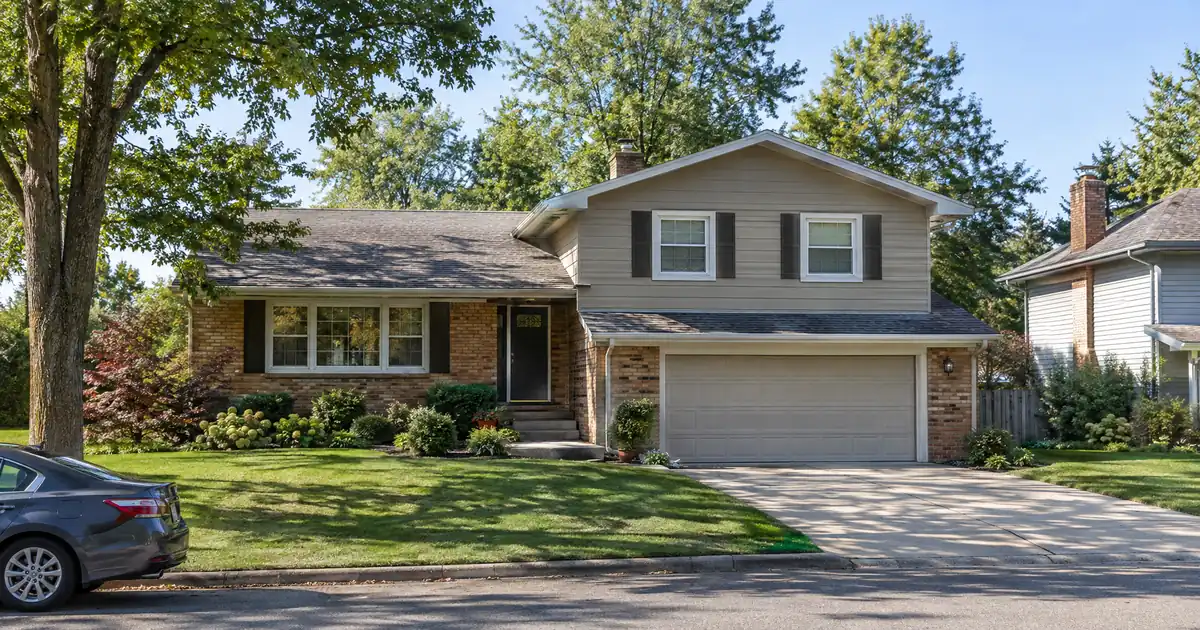
The Quick Read: A cash-out refinance on a rental you already own can fund the down payment on the next one, provided the old property’s rent still covers the larger payment and the loan stays within the leverage cap. Across most of the wholesale network Lendmire works with, a cash-out on an investment property tops out around 75% LTV, with about 6 months of ownership typically expected first.
- The new lender sizes the loan off its own appraisal, not your estimate of value.
- Rent must cover the new, larger payment, so coverage can cap the check before LTV does.
- Cash-out proceeds are new debt, not income, and they reduce cash flow on the refinanced property.
- The next purchase lender must accept the proceeds as usable funds, so confirm that before you commit.
- Reserves, credit and property type still apply, however much equity you hold.
Many investors reach the same point. One rental has appreciated, the balance is modest, and a second deal is waiting. The question is whether the first property can fund the second without a sale. It often can, but the answer depends on two tests, not one. This article walks through how underwriting treats the move, the structures that exist, where the general rule breaks, and what the decision looks like in practice.
DSCR Cash-Out Calculator
Run the cash-out numbers in your market
Rate source: Freddie Mac 30-yr average via FRED® — Federal Reserve Bank of St. Louis · effective Oct 8, 2026
Prefilled with starting assumptions — enter your property’s value, balance, taxes, and insurance for a more accurate picture.
Program parameters update from Lendmire’s centralized guideline source. Taxes and insurance are editable estimates.
As of Oct 8, 2026 · General Freddie Mac market benchmark, not a Lendmire loan offer. Property value, balance, taxes, and insurance are editable estimates. Maximum loan-to-value varies by lender, program, property type, and seasoning. Not a Loan Estimate, approval, or commitment to lend. Program availability and eligibility are subject to lender guidelines, credit approval, property review, and underwriting.
What Is an Investment Cash-Out Refinance?
It is a new, larger mortgage on a property you own that pays off the old loan and hands you the difference. The CFPB’s Office of Research describes a cash-out refinance as replacing the original mortgage, while a home equity loan or HELOC leaves the first mortgage in place. That distinction matters for investors. A cash-out resets the whole loan. A HELOC adds a second one.
The investor version typically runs through a DSCR program. These are business-purpose loans for non-owner-occupied rentals. The file qualifies primarily on property-level rental income covering the payment, subject to lender guidelines, rather than on personal income. Lendmire is a mortgage broker that arranges these loans through select lenders in its wholesale network, with DSCR programs across 40 states plus Washington, D.C. The complete DSCR loans guide covers the basics if the product is new to you.
Equity in your primary residence is a different path. DSCR applies only to investment property, so pulling cash from a home you live in runs through a different loan type.
How Does Underwriting Actually Treat It, Step by Step?
Underwriting tests the property twice: once for equity, once for rent coverage. Whichever limit binds first sets the size of your check. Here is the sequence on most files.
1. Equity test. The lender orders its own appraisal and lends against that value. Your sense of what the property is worth does not set the loan amount. On a cash-out, most programs in the network cap leverage around 75% LTV.
2. Appraisal and rent schedule. The appraiser supplies value and an opinion of market rent. For a single-family rental, that rent usually comes from Form 1007. For a two-to-four-unit property, it comes from Form 1025.
3. Coverage test. DSCR is the rent used for review divided by the full monthly obligation: principal, interest, taxes, insurance and any HOA dues. The test runs against the new, larger payment on the cash-out balance, not the old one. The rent used is often the lower of the signed lease and the appraiser’s market-rent opinion.
4. Binding limit. A bigger loan raises the payment, so coverage can cap the check before LTV does. On a property with modest rent relative to its value, the coverage test is often the real ceiling.
5. Reserves and credit. Reserves commonly run around 6 months of PITIA, and loans above $1,500,000 typically step up to about 9 months. Credit floors begin at 620 in parts of the network, most programs want around 660, and 700 or more opens the strongest tiers. All of it is subject to lender guidelines.
6. Closing waterfall. The existing first mortgage is paid off. Closing costs, prepaids and any prepayment penalty come out of the new loan. What remains is your cash-out check.
A note on coverage. Many select programs start at 1.00, meaning rent roughly equals the payment. That is a floor for specific programs, not a universal standard. A separate select-lender path takes coverage below 1.00, with leverage and terms adjusted. Stronger ratios generally open better pricing and leverage.
Clearing 1.00 also does not mean positive cash flow. DSCR compares rent to PITIA only. Repairs, vacancy, management, utilities and capex sit outside the calculation. A property can pass the test and still leave thin real-world margins.
What Does the Process Look Like on the Next Purchase?
The proceeds are sized against the next deal, not just the old one. Once the money lands in your account, a purchase lender typically treats it like other documented funds. Investors sometimes learn too late that their purchase lender wants a paper trail or a specific seasoning of those funds. Confirm this with the purchase lender before you refinance.
The new rental stands on its own rent against its own payment. The strong property does not lend strength to the weak one, and neither does the reverse.
Run the combined picture in four steps:
1. Estimate the cash-out check after payoff and closing costs on the refinanced property. 2. Subtract the down payment on the next property. On a purchase, most files land at 75%-80% LTV, which means 20%-25% down. Select high-leverage programs reach 85% LTV, or 15% down, with roughly a 700 or better score. 3. Subtract closing costs on the purchase and the reserves both files require. 4. Check whether the leftover cushion survives a low appraisal or a vacancy.
If the leftover is thin, the plan is thin. A low appraisal on the refinance shrinks the check. A low appraisal on the purchase raises the cash you need. Both can happen in the same month.
Which Structures and Variations Exist?
The spine is a 30-year fixed loan. Several variations sit around it, mostly through select lenders in the network.
| Structure | What it does | Typical fit |
|---|---|---|
| 30-year fixed | Standard, predictable payment | Most cash-out files |
| Interest-only period | Lowers payment during the IO window | Tight coverage on the new balance |
| 40-year extended term | Stretches amortization | Lifting coverage on a thin file |
| ARM | Adjustable structure | Investors planning a shorter hold |
| Sub-1.00 path | Select lenders, leverage and terms adjusted | Coverage just under benchmark |
Loan sizes run up to $3,000,000 on standard programs (smaller balances available through select lenders), and above $2,500,000 the network generally holds to 30-year fixed structures.
Short-term rentals follow different rules. Cash-out on a short-term rental typically tops out at 70% LTV, versus 75% on a standard long-term rental. Expect a 640+ score and about 12 months of hosting history. The monthly-rent format of Form 1007 also fits short-term rentals poorly, so rent evidence is handled differently.
Some property types are simply not offered. DSCR on manufactured homes (single- and double-wide), log homes and barndominiums falls outside these programs.
Where Does the General Rule Break?
The rule is “75% LTV, 1.00 coverage, 6 months seasoning.” These edge cases bend it. Terms vary by lender guidelines, property type, leverage, credit profile, and full file review.
Seasoning is lender policy, not law. The waiting period is set by lenders. Inside the window, the loan basis is typically the lower of appraised value or your cost. After seasoning, the appraisal generally governs. That is why “no seasoning” does not mean “borrow on full appraised value now.” It usually means a cost-based payout.
Delayed financing for all-cash buyers. If you bought with cash, a delayed-financing exception can waive the waiting period. It is an exception, not a separate product, and proceeds track your documented cost rather than appreciation. It generally does not rescue hard-money buyers, because the loan was secured by the property.
Use-of-proceeds limits. Program guidelines in the network generally prohibit using cash-out proceeds to pay off personal debt such as credit cards, personal tax liens or personal collections. Using the cash to buy another rental sits squarely within the purpose.
Lease expiring mid-refinance. The lease is evidence of rent, and the lender may use the lower figure. Renewing at market rent before the appraisal is ordered avoids a drag on coverage.
Rising insurance or taxes. These can lower coverage on a refinance even when the loan amount is unchanged. Budget for them conservatively.
Low appraisal. You either bring cash to close the gap or shift to a payoff-only structure.
Repeat cycling. Each pull is re-tested for coverage and leverage. Some investors plan repeated rounds on the same asset, but closing costs and the leverage cap shrink each round’s proceeds quickly. Treat the repeat-refinance model as a stress-test exercise, not a guarantee.
Business-purpose status. Investment loans are reviewed as business-purpose credit. The CFPB’s Regulation Z rule exempts credit extended primarily for a business purpose, and the purpose of the loan, not the label on the property, is what counts. That is why a clean business-purpose certification belongs in the file.
Is It the Right Move? (The Decision in Practice)
It is the right move when the old property can carry the larger payment and the new property earns its keep. It is the wrong move when you are using cash-out to paper over a deal that does not clear on its own.
The cash-flow trade-off is the heart of it. The refinance raises the payment on the current property, which cuts its cash flow. The new deal has to more than make up the difference. Judge the combined portfolio, not each loan in isolation.
Consider an investor with a long-held rental whose value has climbed well above its balance. After the lender’s appraisal, the 75% cap leaves meaningful room, but rent against the new payment lands in low-1.1 territory. That clears a 1.00 benchmark, though with little cushion. If the next property’s rent covers its payment near 1.2x, the pair works. If both sit near 1.0x, one vacancy or one insurance renewal can turn the portfolio negative.
Now compare the alternatives.
| Option | Strength | Watch-out |
|---|---|---|
| DSCR cash-out refinance | property-rent-based lender review, lump-sum cash | Resets the whole loan; larger payment |
| HELOC on a primary home | Flexible draws | A debt-funded down payment leaves little true equity if values fall |
| Cash-out on a different rental | Spreads the risk across properties | Each property is tested separately |
| Hard money or bridge | Flexible on property condition | Short runway and a takeout plan required |
Investment-property HELOC lines in the network cap at $500,000 total, which matters if you assumed a larger line was available.
Leverage risk is real. The CFPB’s research on cash-out refinances notes that converting other debts into mortgage debt can put the home at risk if payments become unsustainable. That study concerns consumer borrowers, but the principle holds for any leveraged owner. A larger down payment lowers the monthly payment and can lift DSCR, yet it never erases leverage caps, credit floors, reserve rules or property eligibility. The strongest files clear both tests: enough equity and enough rental coverage.
A practitioner observation from broker-side deal flow: files that stall rarely fail on equity. They stall on a rent figure that came in lower than the investor expected, or on proceeds that the purchase lender wanted seasoned. Getting an early read on both, before listing the refinance as your down payment, prevents most surprises.
Tax treatment can depend on how the funds are used and how the property is held; investors should keep clear records and speak with a qualified tax professional before relying on any deduction.
What Documents Should You Gather?
A standard cash-out file usually includes the following, subject to lender guidelines:
- Appraisal with rent schedule.
- Lease or other rent evidence.
- Entity papers if the property is held in an LLC, depending on program guidelines.
- Title history.
- Payoff statement for the existing loan.
- Proof of reserves.
Lendmire’s team can also walk through the related questions in its piece Using Cash Out Refinance To Buy Investment Property, and in its broader piece Cash Out Refinance To Buy Another Investment Property.
Key Terms Defined
Cash-out refinance: A new, larger loan that pays off the old mortgage and returns the difference as cash.
DSCR: The rent used for review divided by the full monthly obligation, including principal, interest, taxes, insurance and HOA dues.
LTV: The loan amount as a share of the property’s appraised value.
Seasoning: The waiting period a lender requires after you acquire a property before it lends against full appraised value.
Reserves: Liquid funds, usually counted in months of PITIA, that you hold after closing.
Delayed financing: An exception that lets a cash buyer refinance without the usual waiting period, with proceeds tied to documented cost.
Frequently Asked Questions
Can I use cash-out proceeds as the down payment on another rental?
Usually yes, provided the purchase lender accepts the funds as usable. Once the cash is in your account, most purchase files treat it like other documented funds, but confirm with the purchase lender first so the paper trail and seasoning requirements do not surprise you. The purpose, buying an investment property, falls within program guidelines.
How much cash can I actually take out?
It depends on the lowest of three limits: 75% of the appraised value on a standard rental, the loan size that rent can support against the new payment, and reserve requirements. Coverage often binds before LTV does. The result is not a guaranteed figure until the appraisal and rent schedule are in.
Do I need to wait before pulling cash out?
About 6 months of ownership is the common expectation across the network, measured from title recording. Seasoning is lender policy, not law. Inside the window, the basis is typically the lower of appraisal or cost, and all-cash buyers may qualify for a delayed-financing exception.
Can I refinance the same rental repeatedly?
Each pull is re-tested for rent coverage and leverage, and closing costs come out of every round. The leverage cap and the larger payment shrink proceeds quickly. Treat repeated cycling as something to stress-test, not rely on.
Does it work if my rental is a short-term rental?
It can, with different terms. Cash-out on short-term rental collateral typically tops out at 70% LTV, with a 640+ score and about 12 months of hosting history expected. Short-term rental rules can vary by city, county, HOA and property type, so investors should confirm local rules before relying on projected rental income.
If you are buying or refinancing a rental property and want to see how the numbers work, Lendmire can help you compare DSCR loan options based on the property income, credit profile, leverage and investor goals. You can reach the team at 828-256-2183 or request a quote. Programs, guidelines and eligibility vary by lender and are not a commitment to lend.
A deeper walk-through of investment-property equity extraction lives in Lendmire’s guide to cash-out refinance on an investment property.
For current guidelines and terms, see Lendmire’s DSCR loan programs page.
About Lendmire
A non-QM mortgage broker (NMLS# 2371349), Lendmire arranges DSCR financing for real estate investors in 41 markets — 40 states plus Washington, D.C. Because deals are underwritten primarily on property cash flow rather than personal income documentation, the structure suits self-employed buyers and entity-owned portfolios. Lendmire places loans through wholesale investor lenders; it is not a direct lender. Scotsman Guide named Lendmire a Top Mortgage Workplace in both 2025 and 2026.
Get Started
Ready to find the right loan for you?
In about 30 seconds you can review financing options available for your investment property. No commitment required.
Informational only. Not a Loan Estimate, approval, or commitment to lend. Program availability and eligibility are subject to lender guidelines, credit approval, property review, and underwriting.
References
1. CFPB Office of Research: A look at cash-out refinance mortgages and their borrowers
2. CFPB: Regulation Z, Section 1026.3 exemptions
This article is part of Lendmire’s investment property cash-out refinance program — full qualification details, guidelines, and scenarios live on the program page.
Related reading: Investment Property HELOCs for Investors Comparing Bank Programs · Cash-Out Refinance on a Rental for Investors: Where to Reinvest the Cash · Investment Property HELOCs for Owners Funding Another Investment
Brandon Miller
Founder & CEO, Mortgage Loan Originator, Lendmire LLC
- Mortgage Loan Originator · NMLS# 1129696 · Verify on NMLS Consumer Access
- North Carolina Real Estate Broker · License# 343312 · Verify on NCREC
- North Carolina Insurance Producer · License# 19053198 · Property, Casualty, Life, Health · Verify on NAIC SBS
- Lendmire LLC · Firm NMLS# 2371349 · Verify firm licensure
Legal disclosures. Lendmire (NMLS# 2371349) is a state-licensed mortgage brokerage that arranges financing through wholesale lender relationships. Lendmire is not a direct lender, depository institution, or registered financial advisor. The discussion above is general informational content about real estate financing — it is not financial, legal, or tax advice, and readers should consult licensed professionals for guidance on their individual circumstances. Loan inquiries are subject to lender underwriting; this article does not represent a commitment to lend. Loan terms, rates, and qualification standards vary by borrower, property, and state, and are subject to change at any time. Equal Housing Opportunity. NMLS Consumer Access: nmlsconsumeraccess.org.