
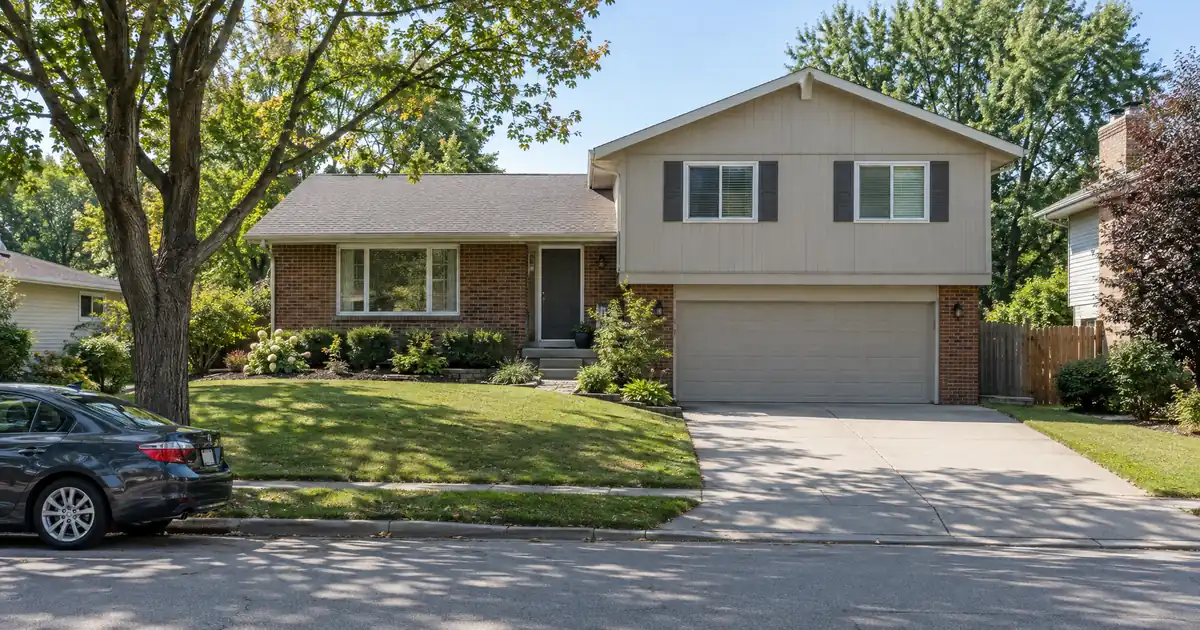
The Quick Read: On a standard rental, cash-out refinance LTV tops out at 75% across most programs in the wholesale network, and a second lien counts against that room, so every point of second-lien balance you pay off at closing comes directly out of the cash you receive. These figures are typical ranges, subject to lender guidelines and individual file review.
- A cash-out refinance replaces your first mortgage with a new, larger first loan. A recorded second lien must be paid off or subordinated at closing.
- The 75% cash-out ceiling applies to standard rentals. Short-term-rental collateral generally tops out at 70% on a cash-out.
- Rent coverage is a second gate. A file can pass the equity test and still fail the coverage test.
- Plan on paying off the second lien. Treat a subordination agreement as a bonus, not the plan.
- Clearing 1.00 on coverage does not mean the property cash flows. Repairs, vacancy, management, and capital costs sit outside that test.
Brokers see this question constantly. A landlord has equity, a first mortgage, and a HELOC or closed-end second from an earlier purchase. The landlord wants to pull cash out and asks how much room is left. The answer is less than the equity figure suggests. This article walks through why, step by step. It also covers the structures that exist and the cases where the general rule breaks. For the full program picture, see Lendmire’s complete DSCR loans guide.
DSCR Cash-Out Calculator
Run the cash-out numbers in your market
Rate source: Freddie Mac 30-yr average via FRED® — Federal Reserve Bank of St. Louis · effective Oct 8, 2026
Prefilled with starting assumptions — enter your property’s value, balance, taxes, and insurance for a more accurate picture.
Program parameters update from Lendmire’s centralized guideline source. Taxes and insurance are editable estimates.
As of Oct 8, 2026 · General Freddie Mac market benchmark, not a Lendmire loan offer. Property value, balance, taxes, and insurance are editable estimates. Maximum loan-to-value varies by lender, program, property type, and seasoning. Not a Loan Estimate, approval, or commitment to lend. Program availability and eligibility are subject to lender guidelines, credit approval, property review, and underwriting.
Key Terms Defined
LTV (loan-to-value) is the first-position loan balance divided by the property’s appraised value.
CLTV (combined loan-to-value) is every secured loan balance on the property added together, divided by appraised value. Wall Street Prep describes it this way and notes that stacked loans raise risk for every lender involved.
Second lien is a loan recorded behind the first mortgage. It is usually a HELOC or a closed-end second.
Subordination agreement is a document in which the junior lienholder agrees to stay behind a new first loan.
Coverage (DSCR) is monthly rent divided by the full monthly obligation: principal, interest, taxes, insurance, and association dues.
Seasoning is the ownership period a lender expects before it sizes a cash-out. On most files in the network it is about 6 months from title recording.
How the 75% Ceiling Works on a Rental
The ceiling is a cap on the new loan as a share of appraised value. On a standard rental cash-out, most programs in the network land at 75% LTV. That is lower than the 80% many files reach on a purchase. Lenders keep a thicker equity cushion on cash-out because the borrower is extracting value, not putting it in.
A rate-and-term refinance with no cash back at closing can reach higher leverage, up to 85% on a rental. The line is simple. If the refinance returns cash to you, it is a cash-out and the 75% cap applies. Whether paying off a second lien counts as cash-out can depend on the program and on how that second was used, so confirm the classification before you plan around it.
The appraisal sets the number. For rentals, appraisers commonly use the same forms as the agency world: Form 1007, the comparable rent schedule, and Form 1025, the small residential income report. DSCR loans are not agency loans. The forms are only borrowed for value and market-rent documentation.
Property type matters too. Short-term-rental collateral generally tops out at 70% on a cash-out, and expect a 640+ score and about 12 months of hosting history. Standard long-term rentals sit at 75%. Keep those two ceilings separate in your planning.
What Happens to the Second Lien When the First Is Refinanced?
The second lien does not simply stay put. A cash-out refinance pays off and releases the old first mortgage. That would move your second into first position. No new first-lien lender will close behind a loan it did not approve. That leaves two outcomes.
1. The second is paid off, usually from the refinance proceeds.
2. The junior lender signs a subordination agreement and agrees to stay behind the new first loan.
The junior lender has no duty to subordinate. It treats your request like a new credit decision. It can say no. Across the wholesale network, the working assumption is payoff. That is why the second lien is best seen as a tax on your cash-out. Every point of balance you clear reduces the cash left for the next acquisition.
An undrawn HELOC still counts. Junior lenders generally test combined leverage on the full credit limit, not the drawn balance, as Bills.com explains. A line you never touched can still block a subordination request. Closing the line at payoff is often the cleaner route.
The Math: Three Versions of the Same Property
Percentages keep the math honest, and the calculator on this site can convert them to dollars. Every row below is illustrative and shown as a share of appraised value before closing costs. Assume a standard rental with a first lien at 45% of value and a second lien at 10% of value.
| Scenario | New first loan | Old liens cleared | Cash before costs |
|---|---|---|---|
| No second lien (first only) | 75% | 45% | 30% |
| Second lien paid off at closing | 75% | 55% | 20% |
| Second kept, subordinated | 65% | 45% | 20% |
In the third row, the program tests combined leverage. The new first loan can be at most 65% so that first plus second stays at 75%. Cash before costs matches the payoff scenario. The difference is structural. You keep a second payment inside the coverage test, and you depend on a third party agreeing to subordinate.
The ceiling is a maximum, not a promise. Appraisals can land low, and the rent gate below can pull the loan under the ceiling.
The Second Gate: Rent Coverage
Equity alone does not qualify a file. DSCR loans qualify primarily on property-level rental income covering the payment, subject to lender guidelines. The file has to clear two tests, and the tighter one wins.
- The value test is the LTV or CLTV ceiling.
- The rent test is the coverage floor.
A bigger loan means a bigger monthly obligation, so coverage falls as you pull more cash. If a second lien stays in place, its payment joins the test as well. Many select programs start at 1.00 coverage. A separate select-lender path takes coverage below 1.00 with leverage and terms adjusted. Stronger ratios open better pricing and leverage.
Picture a landlord who passes the 75% test with room to spare. The rent only just covers the larger obligation. That landlord may take a smaller cash-out to stay above the floor. In practice, rent is often the binding constraint, not equity.
One caution belongs here. Coverage compares rent to the full monthly obligation and nothing else. Clearing 1.00 is not positive cash flow. Repairs, vacancy, management, utilities, and capital spending all sit outside the calculation.
Structures and Variations
Landlords with a second lien usually weigh four paths.
- Cash-out refinance that pays off the second. This is the cleanest file. It resets the entire balance, so the cost of that reset needs to be modeled against your current first loan.
- Keep the first and keep or add a second. This preserves a favorable first loan. It adds a payment and sets up a three-party refinance problem later. For a closer look, see Lendmire’s piece Should You Cash-Out Refinance a Rental or Open a Second Lien?.
- A true investment HELOC. It sits behind the first and is underwritten on personal credit. Lines on investment property cap at $500,000 total. Many products marketed as a DSCR HELOC are really a rent-qualified cash-out that pays off the first.
- Term variations on the new first. The spine is the 30-year fixed. Extended terms, interest-only periods, and ARM structures are available through select lenders in the network.
Loan size matters. Standard programs run up to $3,000,000, and above $2,500,000 the network generally holds to 30-year fixed structures. Reserves run about 6 months of PITIA on most files and step up to about 9 months above $1,500,000. Pricing and available terms vary by lender, borrower profile, property type, and full underwriting review.
Where the General Rule Breaks
Federal law helps here, but only a little. The due-on-sale statute bars a lender from calling a loan due simply because a subordinate lien was created. That protection applies to residential property with fewer than five dwelling units. It does not make a second lender willing to lend. It does not reach buildings with five or more units, where the loan documents control. Check your first-lien note regardless.
These are the other named edge cases.
- Recent purchases. A BRRRR exit inside the ownership clock may be sized off cost basis instead of appraised value. About 6 months of seasoning is the common expectation, and details vary by lender.
- Entity title. DSCR cash-outs commonly close in an LLC, subject to lender program eligibility. Many personal-credit HELOC programs require individual or revocable-trust title. An LLC-held rental can therefore have a second lien that cannot follow it into the new structure.
- Prepayment penalties on an existing DSCR first. Refinancing out of a DSCR loan can carry a penalty in the early years. Model it before you commit.
- Short-term rentals. The ceiling drops to 70% on a cash-out, and short-term rental rules can vary by city, county, HOA, and property type, so confirm local rules before relying on projected rental income.
- Ineligible property. DSCR programs in the network do not offer manufactured homes (single- and double-wide), log homes, or barndominiums.
- Business purpose. DSCR loans are designed for non-owner-occupied investment properties. Because they are business-purpose investor loans, they are reviewed differently from a standard owner-occupied mortgage.
What the Decision Looks Like in Practice
Match your situation to the path. These are general patterns, not approvals.
| Your situation | Path that usually fits |
|---|---|
| Large second, rent barely clears 1.00 | Smaller cash-out, or wait |
| Favorable first, modest cash need | Keep the first, weigh a second |
| Second plus undrawn HELOC | Pay off and close the line |
| LLC title, personal-credit HELOC | Cash-out refinance in the entity |
| Recently bought, inside seasoning | Wait, or expect cost-basis sizing |
A few rules of thumb hold up. If you want cash for the next acquisition, count what the second lien takes first. If the rent test is tight, the answer may be a smaller loan, not a better appraisal. If your existing first is favorable, price the reset honestly before replacing it. Tax treatment can depend on how the funds are used and how the property is held; investors should keep clear records and speak with a qualified tax professional before relying on any deduction.
Frequently Asked Questions
Does a second mortgage count toward LTV?
It counts toward combined LTV, not the first-lien LTV on its own. Programs that test combined leverage add every recorded lien, and an unused HELOC is usually counted at its full limit. A payoff at closing removes the second from the test but also from your cash proceeds.
Can I refinance with a second lien in place?
Yes, but only if the second is paid off or the junior lender subordinates. A new first-lien lender will not close behind a loan it did not approve. Because the junior lender can refuse, the safer plan is to budget for payoff.
Is a paid-off rental still a cash-out?
Generally yes. Taking cash from a rental with no mortgage is usually treated as a cash-out, so the 75% ceiling on a standard rental applies. Seasoning and the appraisal still set the loan size.
Can an LLC-owned rental do this?
Often yes, depending on program guidelines. DSCR cash-outs commonly close in an entity. The trouble tends to be a personal HELOC attached to the property, since many of those programs want individual or trust title.
Why would my cash-out come in below 75% of value?
The rent test may be binding. A larger loan lowers coverage, and the file must still clear the program’s coverage floor. Credit, reserves, and appraised value can also trim the number. Equity is one gate among several.
Next Step
If you are buying or refinancing a rental property and want to see how the numbers work, Lendmire can help you compare DSCR loan options based on the property income, credit profile, leverage, and investor goals. You can reach the team at 828-256-2183 or request a quote through the mortgage quote page. Lendmire is a broker that arranges financing through select lenders in its network, across 41 markets including Washington, D.C. This is not a commitment to lend.
For the mechanics of pulling equity out of a rental property, see Lendmire’s guide to cash-out refinance on an investment property.
About Lendmire
Lendmire (NMLS# 2371349) is a mortgage brokerage focused on DSCR investor financing, helping arrange programs through wholesale and investor-lending channels in 41 markets, including Washington, D.C. DSCR loans are evaluated by the lender on property cash flow rather than personal income, subject to lender guidelines, supporting LLC closings and accommodating investors with four or more financed properties. Scotsman Guide Top Mortgage Workplace in both 2025 and 2026.
Get Started
Ready to find the right loan for you?
In about 30 seconds you can review financing options available for your investment property. No commitment required.
Informational only. Not a Loan Estimate, approval, or commitment to lend. Program availability and eligibility are subject to lender guidelines, credit approval, property review, and underwriting.
References
1. Wall Street Prep, Combined Loan-to-Value
2. Fannie Mae Selling & Servicing Guide Forms
3. Bills.com, Subordinate a HELOC to Refinance
4. GovInfo, 12 U.S.C. §1701j-3
This article is part of Lendmire’s investment property cash-out refinance program — full qualification details, guidelines, and scenarios live on the program page.
Related reading: Investment Property HELOC vs Bridge Loan for Cash-Out on a Rental · Fix-and-Flip Loan vs Cash-Out Refinance for a First Rental · Should an Owner With a Rental Skip FHA Cash-Out and Tap the Rental?
Brandon Miller
Founder & CEO, Mortgage Loan Originator, Lendmire LLC
- Mortgage Loan Originator · NMLS# 1129696 · Verify on NMLS Consumer Access
- North Carolina Real Estate Broker · License# 343312 · Verify on NCREC
- North Carolina Insurance Producer · License# 19053198 · Property, Casualty, Life, Health · Verify on NAIC SBS
- Lendmire LLC · Firm NMLS# 2371349 · Verify firm licensure
Legal disclosures. Lendmire (NMLS# 2371349) is a state-licensed mortgage brokerage that arranges financing through wholesale lender relationships. Lendmire is not a direct lender, depository institution, or registered financial advisor. The discussion above is general informational content about real estate financing — it is not financial, legal, or tax advice, and readers should consult licensed professionals for guidance on their individual circumstances. Loan inquiries are subject to lender underwriting; this article does not represent a commitment to lend. Loan terms, rates, and qualification standards vary by borrower, property, and state, and are subject to change at any time. Equal Housing Opportunity. NMLS Consumer Access: nmlsconsumeraccess.org.