
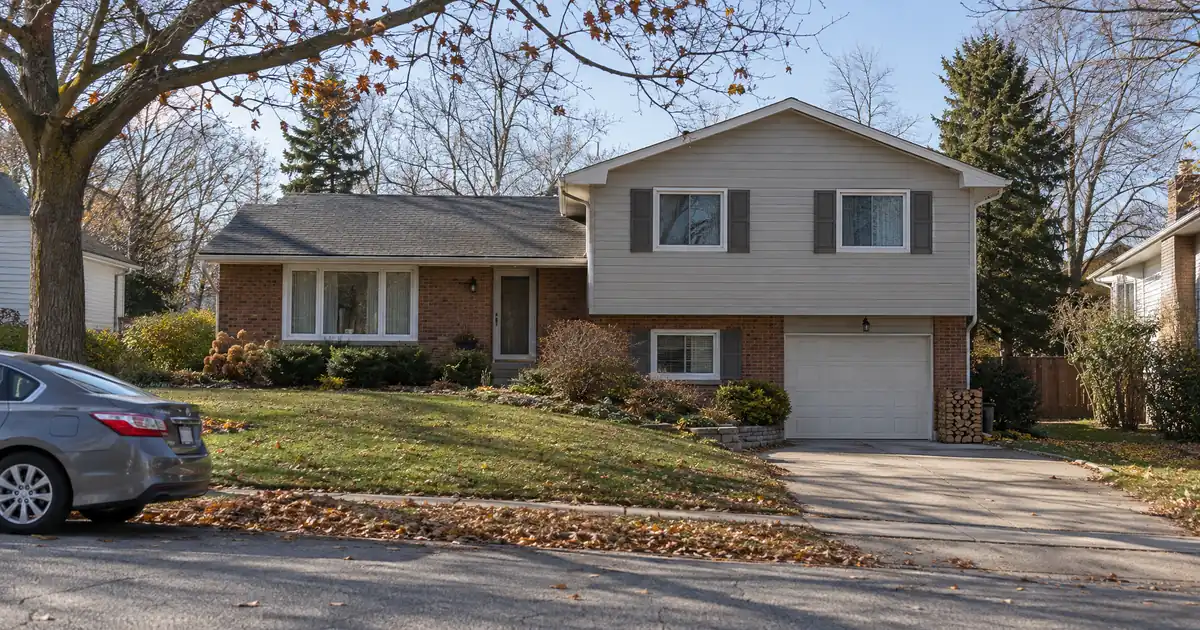
The Quick Read: Usually several hundred dollars to a few thousand, depending mostly on property type, and the borrower pays it: the lender orders the appraisal through a management company, and the fee lands in the borrower’s closing costs, with a single-family rental at the low end and small multifamily at the high end. The appraisal does two jobs on a rental file, setting the property’s value and setting its market rent. That second job is why the report matters far more than its price tag.
- A single-family rental is a more affordable case, a 2-4 unit costs more, and larger multifamily costs more still.
- The investor cannot choose the appraiser, because the lender controls the order and the report type.
- The fee is generally spent even if the loan never closes, so budget it as a sunk cost.
- A low rent opinion can cost an investor far more than the fee itself by pulling the coverage ratio down.
- Every property in a portfolio needs its own appraisal, and a cash-out refinance needs a new one each time.
What Does a DSCR Appraisal Actually Measure?
A DSCR appraisal measures two things: what the property is worth and what it should rent for. The first number sets the loan amount. The second can set the coverage ratio, which is monthly rent divided by the full monthly obligation of principal, interest, taxes, insurance and any association dues (PITIA).
DSCR Calculator
Run the numbers in your market
Rate source: Freddie Mac 30-yr average via FRED® — Federal Reserve Bank of St. Louis · effective Oct 15, 2026
Prefilled with starting assumptions — enter your own rent or nightly figures, taxes, insurance, and HOA for a more accurate picture.
Program parameters update from Lendmire’s centralized guideline source. Taxes and insurance are editable estimates.
As of Oct 15, 2026 · General Freddie Mac market benchmark, not a Lendmire loan offer. Rent, nightly rate, occupancy, taxes, and insurance are editable estimates. Short-term rental figures are estimates only and vary significantly by season, property type, management approach, and local short-term-rental rules — confirm local regulations before relying on them. Qualifying income for short-term rentals varies by program — some use appraisal market rent, others use documented STR history or projections — and is confirmed in underwriting. Not a Loan Estimate, approval, or commitment to lend. Program availability and eligibility are subject to lender guidelines, credit approval, property review, and underwriting.
DSCR loans are designed for non-owner-occupied investment properties. Because they are business-purpose investor loans, they are reviewed differently from a standard owner-occupied mortgage. The property’s income is the center of the file, so the appraiser’s rent opinion carries real weight.
On a single-family rental or condo, the appraiser typically completes a standard value report plus a separate rent schedule, known as Form 1007. The appraiser builds that rent opinion from rental comparables near the property. On a 2-4 unit property, the report is usually Form 1025, which values the building and reports rent by unit. It is often paired with an operating income statement, Form 216.
The lender dictates which report is ordered. NerdWallet’s home appraisal explainer notes that the lender orders the appraisal and decides the type. That is how it works on DSCR files too.
How Much Does It Cost by Property Type?
The range runs from several hundred dollars to a few thousand, and property type is the biggest driver. Published cost data comes mostly from owner-occupant contexts, so treat the figures below as a floor for investor files, which add rent analysis. Because DSCR-specific appraisal costs vary by lender and property, no precise DSCR figure is stated here.
| Property type | Typical range | Source |
|---|---|---|
| Standard home appraisal | $314-$423 (average $358) | HomeAdvisor |
| Multifamily home | $600-$1,500 | HomeAdvisor |
| Apartment building | $1,500-$3,000+ | HomeAdvisor |
| Larger or complex property | Above $1,000 | NerdWallet |
NerdWallet puts the typical consumer range at $300-$500, with quotes starting near $600 in some metro areas. Those numbers describe a plain home appraisal. A rental file adds the rent schedule or per-unit rent analysis, so a single-family rental usually lands above the standard figure, and a 2-4 unit lands well above it.
Four things push the number up on most files:
- Property type. More units mean more inspection time and more comparables to pull.
- Rent analysis. A rent schedule is extra work. On single-family files it is often bundled into the appraisal, though it can be priced separately when ordered on its own.
- Location and complexity. Rural properties, unusual layouts and thin comparable data all raise the fee.
- Rush requests. Asking for a tighter turnaround generally costs more.
Appraisal cost is also a fixed-dollar closing cost. It does not shrink with the loan size, so it takes a bigger bite out of a small loan than a large one.
What Are You Paying For?
You are paying for a licensed appraiser’s time, an appraisal management company’s coordination, and the rent analysis. The fee is typically split between the appraiser and the management company that assigns the job. The borrower sees a single line item.
The management company handles ordering, appraiser assignment, scheduling and quality review. That layer exists because lenders rarely hire appraisers directly. It is also why the borrower cannot pick the appraiser, even a trusted local one.
The rent analysis is where a DSCR report differs from an ordinary one. The appraiser inspects the property, studies rental comparables, and issues a market-rent conclusion. Many programs weigh that figure against the in-place lease, and some use the lower of the two. How the two are weighed varies by program.
A lender generally may not mark up the appraisal fee. An industry compliance training deck on the valuations rule describes that restriction. Asking for the appraisal invoice is a reasonable way to confirm that the fee on the closing statement matches the fee actually billed.
Who Pays, and When?
The borrower pays. The lender orders the report, and the cost passes through to the investor, either collected before the order is placed or rolled into closing costs. On many files the fee is collected upfront, before the report is ordered.
Federal rules on appraisal copies point the same way. The CFPB’s summary of the appraisal copy rule says creditors must give applicants a copy of the report at no charge. The rule does not stop a lender from charging a reasonable fee for the appraisal itself. The Federal Register notice puts the same split in statutory terms: the copy comes at no additional cost, and the cost of the appraisal can be charged. Those sources address first-lien loans secured by a dwelling. The compliance deck above indicates the rule appears to reach investment-purpose loans as well, so an investor should expect the free copy too.
A few scenarios come up often:
- The loan does not close. The fee is generally not refunded, because the appraiser already did the work. Treat it as a sunk cost once the report is ordered.
- The appraisal comes in low. The fee is still owed. What changes is the loan amount or the coverage ratio.
- A seller credit. On a purchase, the buyer can negotiate a seller credit toward closing costs, which could offset the fee. That is a negotiation point, not a rule.
- Switching lenders. A second lender usually orders its own report, so the investor can pay twice.
What Does the Appraisal Change Beyond the Fee?
The fee is small next to what the report can move. A low value shrinks the loan on a purchase, and a low rent opinion can push the coverage ratio down.
Run the value side first. On an investment-property purchase at 75% LTV, the loan is sized off the lower of the price or the appraised value. A 10% shortfall in value cuts the loan by 7.5% of the purchase price. The investor must then cover the gap in cash. Exact terms depend on the lender’s guidelines, property type, leverage, and a full review of the borrower’s file.
Now the rent side. Picture a rental that clears roughly 1.15x coverage using the in-place lease. If the appraiser’s market rent comes in about 13% lower, and the program leans on the appraised figure, coverage lands near 1.00x. That might change pricing or leverage, or push the file toward a different structure. Where coverage lands below 1.00, a separate select-lender path exists that takes coverage below 1.00 with leverage and terms adjusted. Qualification stays subject to lender guidelines, credit approval and property review.
Across a wholesale network of DSCR lenders, the pattern is consistent: some programs use only the appraiser’s rent figure, while others allow a variance when a current lease supports a higher number. Investors who assume their lease will override the appraisal sometimes get surprised. Asking the lender which rent figure its program uses, before ordering, avoids that.
One caution on reading the ratio. Clearing 1.00x on DSCR is not the same as positive cash flow. The calculation compares rent to PITIA only. Repairs, vacancy, management, utilities and capital expenses all sit outside it.
What If the Value or Rent Comes In Low?
Start by asking what drove the number. A low value or rent opinion usually traces to the comparables the appraiser chose, and a clear, specific reason is easier to work with than a general disappointment.
Practical options, in rough order:
- Ask the lender about a reconsideration of value. This usually means submitting additional comparables or documentation for the appraiser or management company to review.
- Provide the current lease. Some programs allow a variance between the lease and the appraised rent, and others do not.
- Adjust the structure. More cash down, a lower loan amount or a different program may bring the file back into range.
- Reconsider the deal. If the numbers only work at the rent you hoped for, the problem may be the deal and not the appraisal.
A second appraisal is possible on some files, but it rarely comes free. Ask the lender up front whether it is allowed, who orders it, and who pays for it.
Refinances, BRRRR Exits and Short-Term Rentals
Every refinance that needs a fresh valuation needs a fresh appraisal. A cash-out refinance on an investment property tops out around 75% LTV across most of the network, and the new value sets how much equity is available. An investor who refinances more than once over the life of a deal should plan for more than one appraisal fee. For the cost side of that decision, see Lendmire’s explainer Who Offers A No Cost Cash Out Refinance?. Every figure here varies by lender and program — guidelines, property type, leverage, and credit profile all apply.
BRRRR investors face the same logic at the exit. The post-rehab appraisal fixes the value that the refinance is sized from, and the rent opinion drives coverage. A rehab that looks finished to the owner may still appraise below the plan if the comparables are thin.
Short-term rentals differ. Form 1007 is built around long-term market rent, so STR programs typically look at hosting history and documented income rather than relying only on a long-term rent schedule. Short-term rental rules vary by city, county, HOA and property type, so investors should confirm local rules before relying on projected rental income.
Portfolio investors should budget the appraisal for each property, since the fee does not bundle across properties. Tax treatment can depend on how the funds are used and how the property is held; investors should keep clear records and speak with a qualified tax professional before relying on any deduction.
DSCR vs. conventional financing
There are two common ways to finance an investment property, and they qualify you differently — here’s how investors weigh them.
Why investors choose it
- Qualifies on the property’s rental income — no personal tax returns, W-2s, or pay stubs needed to document income.
- No personal debt-to-income ceiling to clear, so existing mortgages and obligations don’t cap your borrowing the same way.
- Can be closed in an LLC, keeping the property inside a business entity.
- Built for scaling — not held to the limit on number of financed properties that conventional financing applies.
- Underwriting centers on the deal: generally qualifies when the rent covers the payment, a 1.00x coverage ratio being a common baseline (confirmed in underwriting).
- Designed specifically for investment property, including long-term and, where the program allows, short-term rentals.
Where it’s strong
- Often the lowest ongoing financing cost for a buyer who fully qualifies on personal income — a fit for a first property or a cost-first purchase.
Trade-offs for investors
- Requires full personal income documentation and must fit within a debt-to-income limit — salary, existing debts, and other mortgages all count.
- Typically held in your personal name rather than a business entity.
- Caps how many financed properties you can carry, which can become a ceiling as a portfolio grows.
- Evaluates you as a borrower as much as the property, which usually means more paperwork.
How investors usually choose: a first or single property often optimizes for the lowest financing cost; portfolio builders often optimize for leverage, vesting in an LLC, and scaling past conventional caps. The right answer depends on your goals, the property, and current guidelines — both paths run through select lenders in Lendmire’s wholesale network, with eligibility and terms confirmed in underwriting.
Can You Lower or Avoid the Fee?
Not really, but you can avoid paying more than necessary. The fee is set by the appraiser and the management company, not by the investor. Some programs allow alternatives to a full report on certain files, but investors should plan on a full appraisal as the default.
What an investor can control:
- Ask for the invoice to confirm the fee matches what was billed.
- Make the property easy to inspect, with access, clean utilities and tenant notice, so no repeat visit is needed.
- Share the lease and any rent history, so the appraiser has context for the rent opinion.
- Avoid rush requests unless the deal truly needs one.
Investors with questions about program-specific rent rules can find the broader picture in the complete DSCR loans guide.
Pre-Order Checklist
Before authorizing the appraisal, confirm these items:
- Which report type is being ordered for this property.
- Whether the rent schedule is bundled or billed separately.
- Which rent figure the program uses: appraised rent, lease rent, or the lower of the two.
- When the fee is collected and whether it is refundable.
- Whether a second appraisal is permitted if the first comes in low, and who bears the cost.
- Whether the property is tenant-occupied, which affects scheduling and access.
Key Terms Defined
Appraisal management company: A company that receives the lender’s order, assigns a licensed appraiser, and reviews the finished report.
Form 1007: The comparable rent schedule an appraiser attaches to a single-family or condo investment property to give an opinion of market rent.
Form 1025: The appraisal report for a 2-4 unit property, covering both value and rent by unit.
Form 216: The operating income statement that often accompanies a 2-4 unit report.
PITIA: Principal, interest, taxes, insurance and association dues, the full monthly obligation used in the coverage ratio.
LTV: Loan-to-value, the loan amount divided by the lower of price or appraised value.
Frequently Asked Questions
Does the lender pay for the appraisal on a DSCR loan?
No, the borrower typically pays. The lender orders the report, but the fee passes through to the investor as part of closing costs. The only free item is the copy of the finished report, which the borrower is entitled to receive.
Can I use my own appraiser?
Generally not. The lender orders the appraisal and controls the report type, usually through an appraisal management company that assigns the appraiser. An investor can influence the outcome by providing leases and property details, but not by choosing who inspects.
Is the rent schedule a separate fee?
It depends on the property and the order. On single-family rentals it is often bundled into the appraisal, though it can be priced separately if ordered alone. On 2-4 unit properties, per-unit rent analysis is normally part of the larger report. Ask which applies before the order is placed.
Do I pay for the appraisal if the loan falls through?
Usually yes. The fee covers work already performed, so it is generally not refunded when a loan does not close. That is why the pre-order checklist matters: confirm the deal is likely to hold before the report is ordered.
Does a strong lease override a low appraised rent?
It depends on the program. Some use only the appraiser’s rent figure, while others allow a variance when a current lease supports a higher number. Ask the lender which approach applies before relying on the lease.
Practical Next Step
If you are buying or refinancing a rental property and want to see how the numbers work, Lendmire can help you compare DSCR loan options based on the property income, credit profile, leverage, and investor goals. As a mortgage broker, it arranges financing through select lenders in its wholesale network across 41 markets, including Washington, D.C. Investors can reach the team at 828-256-2183 or request a quote to see how an appraisal’s value and rent figures could affect a specific file.
About Lendmire
Lendmire is a DSCR-focused mortgage brokerage, NMLS# 2371349, placing investor loans across 41 markets, including Washington, D.C. DSCR eligibility is generally reviewed by the lender around a property’s rental income rather than personal income documentation, which fits LLC-held rentals, self-employed investors, and portfolios scaling past conventional financed-property limits. Scotsman Guide named Lendmire a Top Mortgage Workplace in both 2025 and 2026.
Get Started
Ready to find the right loan for you?
In about 30 seconds you can review financing options available for your investment property. No commitment required.
Informational only. Not a Loan Estimate, approval, or commitment to lend. Program availability and eligibility are subject to lender guidelines, credit approval, property review, and underwriting.
References
2. HomeAdvisor: Home Appraisal Cost
3. HomeAdvisor: Hire a Property Appraiser
4. Collateral Risk: Valuations and the Consumer
5. CFPB summary of the final ECOA valuations rule
6. Federal Register: Disclosure and Delivery Requirements for Copies of Appraisals
This article is part of Lendmire’s DSCR loan program — full qualification details, guidelines, and scenarios live on the program page.
Related reading: How to Prepare a Rental Property for a DSCR Appraisal · How Much You Can Borrow for a DSCR Loan for First-Time Investors? · How Much Cash-Out a DSCR Lender Releases on a Paid-Off Rental
Brandon Miller
Founder & CEO, Mortgage Loan Originator, Lendmire LLC
- Mortgage Loan Originator · NMLS# 1129696 · Verify on NMLS Consumer Access
- North Carolina Real Estate Broker · License# 343312 · Verify on NCREC
- North Carolina Insurance Producer · License# 19053198 · Property, Casualty, Life, Health · Verify on NAIC SBS
- Lendmire LLC · Firm NMLS# 2371349 · Verify firm licensure
Disclosures. The information presented in this article is general market commentary, not financial, legal, or tax advice. Lendmire is a mortgage brokerage (NMLS# 2371349) — not a direct lender or depository institution — and loan placement is subject to lender underwriting. Nothing in this content represents a commitment to lend. Loan terms, pricing, and program availability vary based on borrower qualifications, property characteristics, and state of subject property, and are subject to change at any time. Lendmire complies with Equal Housing Opportunity requirements. Consumer access: nmlsconsumeraccess.org.