
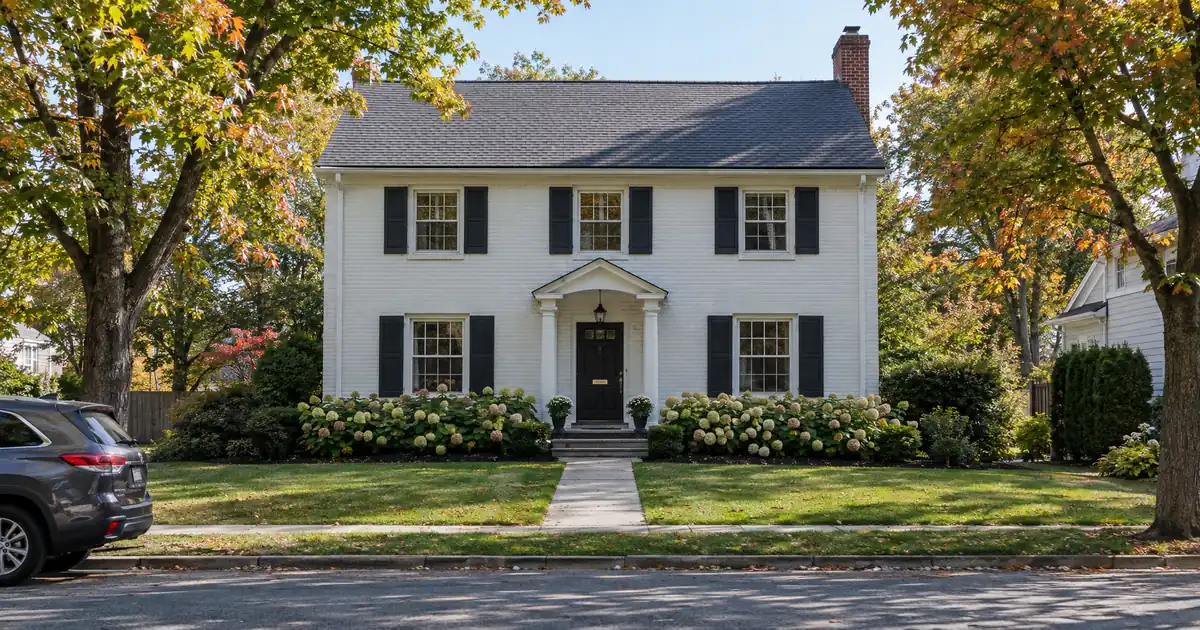
The Quick Read: Gift money can sometimes help fund a DSCR down payment, but only on select programs and only when the borrower has first documented their own verified funds, while a seller-financed down payment is rarely accepted and should not be planned around. Across the wholesale network, the pattern is consistent: the investor needs real equity of their own, and the gift or seller help fills a gap rather than replacing that equity.
- Gifts: possible on some programs, with a signed gift letter and a clean transfer trail.
- Seller credits: usually limited to closing costs, not the down payment itself.
- Seller-carried second mortgage: generally not accepted to cover the down payment.
- Zero-down DSCR does not exist; typical purchase leverage is 75%-80% LTV on an investment property.
- Every file is reviewed individually, subject to lender guidelines.
The honest answer has two halves, and they point in opposite directions. Gifts sit in a gray zone that depends on the lender. Seller financing mostly sits behind a closed door. The rest of this piece explains why, what the paper trail looks like, and how to decide which route fits your situation.
DSCR Calculator
Run the numbers in your market
Rate source: Freddie Mac 30-yr average via FRED® — Federal Reserve Bank of St. Louis · effective Oct 15, 2026
Prefilled with starting assumptions — enter your own rent or nightly figures, taxes, insurance, and HOA for a more accurate picture.
Program parameters update from Lendmire’s centralized guideline source. Taxes and insurance are editable estimates.
As of Oct 15, 2026 · General Freddie Mac market benchmark, not a Lendmire loan offer. Rent, nightly rate, occupancy, taxes, and insurance are editable estimates. Short-term rental figures are estimates only and vary significantly by season, property type, management approach, and local short-term-rental rules — confirm local regulations before relying on them. Qualifying income for short-term rentals varies by program — some use appraisal market rent, others use documented STR history or projections — and is confirmed in underwriting. Not a Loan Estimate, approval, or commitment to lend. Program availability and eligibility are subject to lender guidelines, credit approval, property review, and underwriting.
Why Do Investors Assume Gifts Are Off the Table?
Investors assume gifts are banned because agency loans do ban them on rentals. The Fannie Mae Selling Guide on personal gifts allows gifts on principal residences and second homes, and it does not allow them on investment properties.
That rule gets repeated everywhere, so people carry it over to DSCR financing. It does not automatically carry over. DSCR loans are business-purpose investor loans, built outside the agency system. They are reviewed differently from a standard owner-occupied mortgage, and each program sets its own gift policy.
This is a real advantage for the right borrower. An investor with a generous family member and limited liquid cash may have an option here that an agency loan would never give. The catch is that “may have an option” is not “will be approved.” Programs differ, and the strictest ones want the entire down payment to come from the borrower’s own seasoned funds.
How Do Gift Funds Work on a DSCR Purchase?
Where a program accepts gifts, the structure is nearly always the same: the borrower contributes their own verified money first, and the gift covers part of the remainder. A gift almost never funds the whole down payment.
Typical purchase leverage on most files is 75%-80% LTV, which means roughly 20%-25% down on an investment property. Select high-leverage programs reach 85% LTV on a purchase, with about a 700+ score. Whatever the percentage, the lender wants to see that the borrower has meaningful skin in the game before any outside money counts.
Here is the sequence that tends to work:
1. Document your own funds first. Bank statements showing the borrower’s own contribution, held in the borrower’s name.
2. Confirm the donor is eligible. Most programs mirror the agency principle: the donor should be a relative or someone with a close, family-like tie. The agency guide states the donor may not be, or be affiliated with, the builder, developer, real estate agent, or any other interested party. Non-QM programs generally follow the same logic, but confirm it in the specific program.
3. Get a signed gift letter. It should state the amount, the donor’s name and relationship, and that the money does not need to be repaid. Naming the property address and transfer date helps. Per HSH, the signatures do not need to be notarized.
4. Build the paper trail. Redfin’s gift-rule overview lists the usual set: the gift letter, the donor’s bank statement showing the funds, proof of transfer, and the borrower’s statement showing receipt. Some lenders also apply a seasoning period to funds.
5. Move the money early. A large, unexplained deposit right before application is the classic red flag. Wiring directly from donor to the title or closing agent can shorten the chain of documents.
One more point, because it trips people up. A gift is a gift only if no repayment is expected. If the donor expects to be paid back, or expects an ownership stake, it is a loan or a partnership, and it must be disclosed as such. HSH warns that a gift that is really a loan in disguise can be treated as mortgage fraud. Skip any structure that depends on a quiet side agreement.
Can Gifts Cover Reserves or Closing Costs Too?
Usually not in full, and this varies more than the down payment rules do. Reserves on DSCR files commonly run around 6 months of PITIA, stepping up to about 9 months on loans above $1,500,000. Conservative rate-term files at modest leverage under that size can see reserves waived. Whether gift money counts toward those reserves depends on the lender and the leverage.
Many programs want reserves to be the borrower’s own liquid assets. Treat gift-for-reserves as something to confirm in writing, not something to assume. Agency policy, for contrast only, bars a gift of equity from counting toward reserves.
Property type matters too. Gift treatment can differ between a 1-4 unit rental and a larger or mixed-use building. Not every program handles them the same way.
What About a Gift of Equity From a Relative Seller?
A gift of equity is a price reduction recorded on the settlement statement, usually when a relative sells below market value. Under agency rules it needs a signed gift letter plus the settlement statement, and the agency guide on gifts of equity bars it on investment properties.
DSCR programs are separate. Whether a given program accepts a gift of equity is a program-level question, so do not assume it either way. Related deals, such as buying from a neighbor or relative and leasing back, draw extra questions. Raise those up front rather than at underwriting.
Can a Seller Finance the Down Payment?
Rarely, and the usual answer is no. A seller carryback is a second lien on the property. Lenders measure combined loan-to-value, which adds every lien together, so a seller second eats into the same leverage limit the first mortgage is already using.
Across the wholesale network, the position is that a seller cannot carry a second mortgage to cover the down payment on a DSCR purchase. The first-lien lender typically also has to consent, and it usually requires any junior note to be subordinate. Many lenders simply prohibit seller seconds. A few in the market may allow one inside a combined-leverage cap with a required cash contribution from the borrower, but that is the exception, and building a deal around it is a gamble.
Be careful with online advice here. Investor discussions on the topic conflict, and the conflict is real: practice does vary by lender. That is why a quote from one lender never tells you what the next will do. It also means a promising reply on a forum is not a program guideline.
The riskiest version is the undisclosed second, sometimes called a silent second. A lien the first lender does not know about can breach the first mortgage’s terms and creates fraud exposure. Disclosed, recorded, subordinate seller notes are a different category from hidden ones, but even the disclosed version rarely replaces the down payment on a DSCR file. Double-close workarounds built to hide financing from the first lender carry the same risk, so steer clear of them.
Seller Credits Are Not a Seller-Funded Down Payment
Seller credits and concessions are the legitimate version of seller help. They reduce cash to close by covering allowable closing costs and prepaids. They do not replace the equity the borrower must bring.
The distinction matters when you negotiate. Asking a seller to credit closing costs is ordinary. Asking a seller to fund the down payment is the request that gets a file declined. If you want seller help, point it at closing costs.
Gift vs. Seller Financing vs. Seller Credit at a Glance
| Source | Can it be the down payment? | Main condition |
|---|---|---|
| Gift funds | Sometimes, on select programs | Own verified funds first; gift letter |
| Gift of equity | Program-level question | Relative seller; settlement statement |
| Seller credit | No; closing costs only | Must fit allowable credit limits |
| Disclosed seller second | Generally no | Counts in combined leverage |
| Undisclosed second | No | Disclosure and fraud risk |
Why Do Lenders Give Different Answers?
Lenders disagree because each program sets its own overlays on top of the basic structure. Across a wholesale network with many lenders, the spread is wide. The strictest overlays want every dollar of the down payment from the borrower’s own seasoned accounts. Others accept documented gifts after a minimum own contribution. A seller second sits at the most restrictive end almost everywhere.
That is the practical edge of working through a broker who sees many guidelines at once. Instead of asking one lender and hearing no, the question becomes which program in the network fits your donor, your property type, and your leverage. If you want the broader picture first, the complete DSCR loans guide covers how the programs fit together.
DSCR vs. conventional financing
There are two common ways to finance an investment property, and they qualify you differently — here’s how investors weigh them.
Why investors choose it
- Qualifies on the property’s rental income — no personal tax returns, W-2s, or pay stubs needed to document income.
- No personal debt-to-income ceiling to clear, so existing mortgages and obligations don’t cap your borrowing the same way.
- Can be closed in an LLC, keeping the property inside a business entity.
- Built for scaling — not held to the limit on number of financed properties that conventional financing applies.
- Underwriting centers on the deal: generally qualifies when the rent covers the payment, a 1.00x coverage ratio being a common baseline (confirmed in underwriting).
- Designed specifically for investment property, including long-term and, where the program allows, short-term rentals.
Where it’s strong
- Often the lowest ongoing financing cost for a buyer who fully qualifies on personal income — a fit for a first property or a cost-first purchase.
Trade-offs for investors
- Requires full personal income documentation and must fit within a debt-to-income limit — salary, existing debts, and other mortgages all count.
- Typically held in your personal name rather than a business entity.
- Caps how many financed properties you can carry, which can become a ceiling as a portfolio grows.
- Evaluates you as a borrower as much as the property, which usually means more paperwork.
How investors usually choose: a first or single property often optimizes for the lowest financing cost; portfolio builders often optimize for leverage, vesting in an LLC, and scaling past conventional caps. The right answer depends on your goals, the property, and current guidelines — both paths run through select lenders in Lendmire’s wholesale network, with eligibility and terms confirmed in underwriting.
Key Terms Defined
Gift letter: A signed statement from the donor confirming the amount and that the money is not a loan.
Combined loan-to-value (CLTV): Total of all liens on the property divided by its value.
Seller carryback: A note in which the seller finances part of the purchase price, recorded as a second lien.
Seller credit: Money the seller gives at closing toward allowable closing costs, not the down payment.
Seasoning: The length of time funds have sat in the borrower’s account before use.
Gift of equity: A below-market sale price from a relative that counts as the buyer’s equity.
What Else Can Reduce the Cash You Need?
Real options exist, and they come from the borrower’s own balance sheet. Pulling equity from another property you own is the most common route, though lender policies on borrowed funds vary. Lendmire’s piece Can Cash-Out Refinance Proceeds Be Used for a Second Home Down Payment? walks through how that source is viewed. Cash-out refinance on a standard rental tops out around 75% LTV across most of the network, with about 6 months of seasoning as the common expectation. Exact terms depend on the lender’s guidelines, property type, leverage, and a full review of the borrower’s file.
Be honest about what moving money around does. A bigger down payment lowers the monthly obligation and can lift the coverage ratio, but it never erases leverage caps, credit floors, reserve rules, or property eligibility. The strongest files clear both tests: enough equity and enough rental coverage. And clearing a 1.00 coverage ratio is not the same as positive cash flow, because repairs, vacancy, management, and utilities sit outside the calculation. The ratio compares rent to PITIA only. Coverage below 1.00 is available through select lenders in the network, with leverage and terms adjusted.
Credit still matters whichever source funds the purchase. A 620 floor exists in parts of the network, most programs want around 660, and 700+ unlocks the strongest leverage tiers. Standard loan sizes run up to $3,000,000. Manufactured homes, log homes, and barndominiums are not offered.
Which Route Fits Your Situation?
- You have a family donor and enough of your own cash. Gifts are worth asking about. Line up the letter and statements before you write an offer.
- You have a motivated seller and little cash. Seller credits for closing costs are realistic. A seller-funded down payment is not. Re-examine the deal size or the leverage.
- You have neither. Equity from another property, or a smaller purchase, is the honest path. Treat any no-money-down pitch skeptically, since there is no zero-down DSCR program.
Tax treatment can depend on how the funds are used and how the property is held; investors should keep clear records and speak with a qualified tax professional before relying on any deduction. Donors should also talk to a tax professional about their own side of a large gift.
Frequently Asked Questions
Can a gift cover the entire down payment on a DSCR loan?
Generally no. Programs that accept gifts typically require the borrower to bring their own verified funds first, with the gift filling part of the remainder. Because the minimum own contribution varies by program and leverage, confirm the specific number before you rely on a donor.
Who can give a gift for a DSCR purchase?
A relative or someone with a close, family-like tie is the usual standard. The seller, the real estate agent, the builder, and anyone else with a stake in the deal are excluded. Money from a friend or partner who expects repayment or ownership is not a gift and must be disclosed as what it is.
Can the seller carry a second mortgage for my down payment?
Across the wholesale network, no. A seller second counts toward combined leverage, usually needs the first lender’s consent, and many lenders prohibit it. A seller can help with closing costs through credits, but not with the down payment itself.
Is a gift letter enough on its own?
No. The letter is one piece. Reviewers also want the donor’s statement, proof of the transfer, and the borrower’s statement showing the funds arrived. Large deposits that land just before application invite questions, so move gift money early.
Is there a DSCR loan with no money down?
No. Typical purchase leverage runs 75%-80% LTV on an investment property, with select high-leverage programs reaching 85% LTV at around a 700+ score. The investor still has to bring documented equity. Every figure here varies by lender and program, since guidelines, property type, leverage, and credit profile all apply.
If you are buying or refinancing a rental property and want to see how the numbers work, Lendmire can help you compare DSCR loan options based on the property income, credit profile, leverage, and investor goals. Lendmire is a broker arranging financing through select lenders in its wholesale network across 41 markets, including Washington, D.C. Qualification is subject to lender guidelines. This is not a commitment to lend.
About Lendmire
As a DSCR and non-QM mortgage broker, Lendmire (NMLS# 2371349) connects investors with wholesale lending channels across 41 markets, including Washington, D.C. The property’s rental income, not the borrower’s traditional personal-income documentation, is central to lender review, which works for self-employed operators and portfolios beyond four financed properties. Scotsman Guide named Lendmire a Top Mortgage Workplace in both 2025 and 2026.
Get Started
Ready to find the right loan for you?
In about 30 seconds you can review financing options available for your investment property. No commitment required.
Informational only. Not a Loan Estimate, approval, or commitment to lend. Program availability and eligibility are subject to lender guidelines, credit approval, property review, and underwriting.
References
1. Fannie Mae Selling Guide, Personal Gifts
2. HSH, How to Use Gift Money for Down Payment
3. Redfin, Mortgage Down Payment Gift Rules
4. Fannie Mae Selling Guide, Gifts of Equity
This article is part of Lendmire’s DSCR loan program — full qualification details, guidelines, and scenarios live on the program page.
Related reading: Can a Condotel Airbnb Be Refinanced Into a DSCR Loan? · Can You Get a DSCR Loan on a Rural Cabin or Acreage Airbnb? · Can You Put 15% Down on a DSCR Loan for a Rural Cabin Airbnb?
Brandon Miller
Founder & CEO, Mortgage Loan Originator, Lendmire LLC
- Mortgage Loan Originator · NMLS# 1129696 · Verify on NMLS Consumer Access
- North Carolina Real Estate Broker · License# 343312 · Verify on NCREC
- North Carolina Insurance Producer · License# 19053198 · Property, Casualty, Life, Health · Verify on NAIC SBS
- Lendmire LLC · Firm NMLS# 2371349 · Verify firm licensure
Legal disclosures. Lendmire (NMLS# 2371349) is a state-licensed mortgage brokerage that arranges financing through wholesale lender relationships. Lendmire is not a direct lender, depository institution, or registered financial advisor. The discussion above is general informational content about real estate financing — it is not financial, legal, or tax advice, and readers should consult licensed professionals for guidance on their individual circumstances. Loan inquiries are subject to lender underwriting; this article does not represent a commitment to lend. Loan terms, rates, and qualification standards vary by borrower, property, and state, and are subject to change at any time. Equal Housing Opportunity. NMLS Consumer Access: nmlsconsumeraccess.org.