
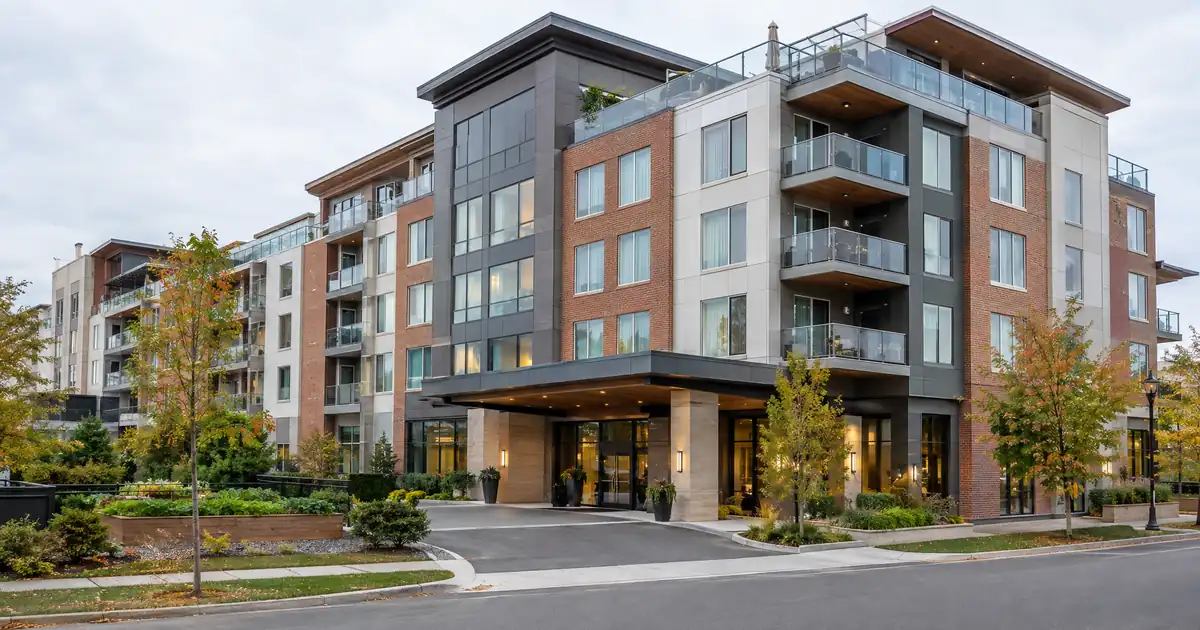
The Quick Read: A condotel typically needs at least 25% down through a non-QM program placed by a broker, subject to full underwriting, while a regional bank sets its own percentage, if it lends on condotels at all, because agency-backed financing is unavailable and either lender keeps the loan risk itself.
- Through select wholesale programs, a condotel purchase is typically capped at 75% LTV, and a condotel cash-out at 65% LTV (50% on the bank portfolio program).
- A non-QM lender qualifies the file on 12 or 24 months of bank deposits, assets, or the unit’s rental income. A regional bank usually wants full documentation and debt-to-income review.
- Many regional banks do not lend on condotels, so the first question is whether your bank will.
- The percentage comes from the lender’s own risk cap, not from a national rule.
Here is the honest answer on who each option is for. Non-QM fits the investor or self-employed buyer whose traditional personal-income documentation understates income and who wants a clear, published ceiling. A regional bank fits the buyer with a deep deposit relationship and clean W-2 or tax-return income, as long as that bank actually keeps condotel loans on its books. Neither option is cheap on cash. Both ask for more skin in the game than a typical condo does.
Side-by-Side
This table shows how the two paths line up. The non-QM column reflects parameters from select wholesale programs. The bank column reflects published industry norms, which vary by institution.
| Factor | Non-QM (wholesale network) | Regional bank (industry norms) |
|---|---|---|
| Purchase leverage | Typically 75% LTV cap | Set by each bank |
| Cash-out leverage | 65% LTV; 50% on bank program | Set by each bank |
| Review basis | Deposits, assets, or rental income | Personal income and DTI |
| Documentation | 12 or 24 months of statements | Usually full documentation |
| Property screen | Hotel flag, pooling, kitchen checked | Bank-specific; many decline |
| Entity vesting | LLC often possible, per program | Varies by bank |
| Reserves | 3, 6 or 9 months by loan size | Varies; often liquidity-based |
| Credit floor | 660 portfolio; 680 bank program | Varies by bank |
Every figure in the Non-QM column is a ceiling or floor on most files, not a commitment to lend. Above $4,000,000, everything is reviewed case by case before submission.
Why a Condotel Needs Portfolio Money
The down payment question exists because the usual mortgage channel is closed. Fannie Mae’s Selling Guide makes projects ineligible when they operate as hotels, are primarily transient, carry hotel or resort in the name, or are marketed as an investment opportunity. That is the one agency contrast you need. After that, the unit has to be financed by a lender that keeps the loan or sells it into the non-QM market, and those lenders set their own caps.
That is why no national condotel down payment rule exists. The percentage is simply the inverse of the lender’s maximum LTV. A 75% cap means at least 25% down. A 65% cash-out cap means you leave 35% equity in the unit. Final terms depend on lender guidelines, property type, leverage, and the borrower’s complete credit picture.
One edge case matters before you assume your building is a condotel. A building where owners live in their units and only rent seasonally is not automatically one. Fannie Mae’s project eligibility FAQ defines primarily transient as a project where the predominant use is short-term rentals. So a seasonal-rental building with no other hotel traits may screen differently than a true condo-hotel. Get the project classification answered first, because it drives everything else.
When Non-QM Is the Better Fit
Non-QM wins when your documentation does not look like a bank’s template, or when the bank will not touch the building. Across a wholesale network, the guidelines are published and comparable, so you can see the ceiling before you apply.
Here is how the numbers typically run through select wholesale programs, subject to full underwriting:
- Purchase: a condotel is typically capped at 75% LTV, so at least 25% down. On an investment-property purchase from $300,000 to $1,000,000, the standard ladder allows 85%, so the condotel cap is the tighter limit at those sizes. Above $3,000,000 the size ladder itself drops to 60% on an investment-property purchase from $3,000,000 to $4,000,000, so the ladder governs instead.
- Cash-out: a condotel cash-out is typically capped at 65% LTV on the portfolio program and 50% on the bank portfolio program. Above 60% LTV, cash-in-hand is capped at $1,500,000 on the portfolio program.
- Documentation: 12 or 24 consecutive months of personal or business bank statements. Transfers from your own business into a personal account count in full. Profit-and-loss and asset-based paths also exist.
- Credit and reserves: a 660 floor on the portfolio program, 680 on the bank program, and 700 above the super-jumbo line. DTI runs up to 50%. Reserves are 3 months to $500,000, 6 months to $1,500,000, and 9 months above that.
- Rental income: some condotel files qualify primarily on property-level rental income covering the payment, subject to lender guidelines. That path is covered in Lendmire’s complete DSCR loans guide.
Non-QM programs also differ on building rules. Some exclude mandatory rental pooling, and some exclude units without a kitchen. A broker who sees many programs can route the file to the one whose property screen your building passes.
A practitioner observation helps here. Condotel files often stall on the building, not the borrower. A borrower with strong credit and deep reserves can still hit the property-type ceiling, and no amount of credit strength lifts that ceiling. The files that go smoothly usually start with the project’s rental structure, HOA documents, and operator agreement in hand.
When a Regional Bank Is the Better Fit
A regional bank is the better fit when you already bank there, your income documents cleanly, and the bank has a record of lending on condotels. Banks usually keep these loans in their own portfolio, since selling to an agency is impossible. That gives a local lender room to bend its own rules for a depositor it knows.
The catch is appetite. A lender commenting in a BiggerPockets condo-hotel thread said banks typically require a high minimum down payment on condotels and that many will not lend at all. A buyer in a BiggerPockets Myrtle Beach thread was quoted percentages above the 20% hoped for, with figures of 25% and 30% mentioned. Treat those as anecdotes, not standards. For comparison, the network figure on a condotel purchase is typically 75% LTV, which is at least 25% down.
Qualification at a bank is generally full documentation: personal income, DTI, and your global debts. That works well for a salaried buyer with a clean return. It works poorly for an owner-operator whose returns show heavy write-offs. Each bank also applies its own overlays, so the same condotel can get a yes at one institution and a flat no at the next.
If your bank says yes, ask three things:
1. Does the bank lend on this specific project?
2. Will it lend on a second home or investment unit, as opposed to a primary residence?
3. Does it want the loan in your personal name?
What Moves Your Down Payment Up or Down
The percentage on a given file shifts with a handful of factors:
- Occupancy. Condotel financing is generally limited to second-home or investment use. Second homes and investment property run about five points below primary-residence leverage at most sizes, and second homes are one-unit only.
- Loan size. Leverage steps down as the balance climbs. Files above $4,000,000 are reviewed case by case before submission, so no flat maximum applies there.
- Purchase vs. cash-out. The cash-out ceiling sits below the purchase ceiling. A down payment on a purchase does not carry over to a refinance.
- Project traits. A hotel flag, a mandatory rental pool, a front desk, or a resort name can all tighten or close the door.
- Borrower strength. Credit tier, reserves, and DTI move the number inside the ceiling. They do not raise the ceiling.
- Rental income treatment. Short-term income may be haircut, and some files need experienced-investor status. Short-term rental rules can vary by city, county, HOA, and property type, so investors should confirm local rules before relying on projected rental income.
Beyond the Down Payment: The Full Cash Picture
The down payment is only the first check. Add reserves, closing costs, and the carry while the unit builds a rental history. Reserves under the network guidelines run 3, 6 or 9 months by loan size, plus 2 months per additional financed property up to 12, and first-time investors typically need 12. On a cash-out, proceeds generally cannot satisfy the reserve requirement above the super-jumbo line.
A bigger cash requirement also lowers cash-on-cash return versus a standard condo. In a BiggerPockets discussion of buy-and-hold condotel units, investors were skeptical about cash flow, and the operator’s fee is a common reason. Narrow financing can also narrow your pool of buyers at resale, since fewer buyers can bring the cash. Plan the exit before you plan the entry.
Tax treatment can depend on how the funds are used and how the property is held; investors should keep clear records and speak with a qualified tax professional before relying on any deduction.
Common Misreads
Twenty percent down is the standard. It is not. The percentage comes from the lender’s LTV cap, and condotel caps generally sit lower than standard condo caps.
Any building with short-term rentals is a condotel. Not by itself. Seasonal owner rentals do not make a project primarily transient.
Non-warrantable means unfinanceable. The unit simply moves out of the agency channel into portfolio or non-QM lending.
A pre-approval carries over. A pre-approval written for a standard condo can fail when the lender learns the unit is a condotel. Disclose the property type at the start.
Strong credit cancels the building problem. The building type sets the ceiling. Credit decides where you land beneath it.
For the purchase-versus-cash-out side of non-QM and portfolio bank money, see Lendmire’s piece comparing a private bank and non-QM super jumbo on purchase versus cash-out.
Key Terms Defined
Condotel: a condo unit in a building that operates like a hotel, often with a front desk and a rental program.
Non-QM: a mortgage that falls outside standard agency rules, with its own documentation and leverage guidelines.
Non-warrantable: a project that fails agency eligibility tests, so the unit needs portfolio or non-QM financing.
LTV: the loan amount divided by the property value. A 75% LTV means 25% down. These specifics are subject to lender guidelines and a full review of property, leverage, and credit.
Portfolio loan: a loan a lender keeps on its own books instead of selling.
Rental pool: an arrangement where the operator rents units and shares the income with owners.
The Verdict
Pick non-QM if your income is hard to show on a tax return, if you want published ceilings, or if your bank declines the building. Pick a regional bank if you have a real relationship, clean documents, and written confirmation that the bank lends on this project. Both paths ask for a larger down payment than a standard condo, and both depend on the building as much as on you.
If you are financing a high-balance property on business or personal bank statements and want to see how the numbers work, Lendmire can help you compare super jumbo bank statement loan options based on your deposits, the property, credit profile, leverage, and your goals. Consumer mortgage lending through its wholesale network is licensed in 16 states: AL, CA, CO, FL, GA, IN, MI, MT, NM, NC, OH, PA, TN, TX, VA and WA.
Frequently Asked Questions
Can a big national bank finance a condotel?
Rarely. Large retail lenders generally sell loans into agency channels, and those channels exclude condo-hotels. Portfolio lenders and non-QM programs fill that gap, each on its own terms.
Is the down payment the same for a second home and an investment property?
Usually close, but not identical. Through select wholesale programs, second homes and investment property both run below primary-residence leverage at most sizes. The condotel cap then sits on top of that ladder, and the tighter limit governs.
Does rental income lower the down payment?
Not directly. Rental income helps a file qualify, but the LTV cap still sets the minimum cash. Stronger coverage or a stronger credit tier can help the file inside the ceiling, subject to lender guidelines.
Can I buy a condotel in an LLC?
Often, depending on program guidelines. Many non-QM programs allow entity vesting for business-purpose files, and the lender will ask for entity documents. Regional bank practice varies by institution.
Does a cash-out on a condotel need more equity than a purchase?
Yes. Typically 65% LTV on the portfolio program and 50% on the bank portfolio program, versus 75% LTV on a purchase. Above 60% LTV, cash-in-hand is capped at $1,500,000 on the portfolio program, and every file is underwritten individually.
Self-employed borrowers can compare program options on Lendmire’s self-employed mortgages page.
About Lendmire
As a DSCR and non-QM mortgage broker, Lendmire — NMLS# 2371349 — connects investors with wholesale lending channels across 41 markets, including Washington, D.C. The property’s rental income, not the borrower’s tax returns, is central to lender review, which works for self-employed operators and portfolios beyond four financed properties. Scotsman Guide named Lendmire a Top Mortgage Workplace in both 2025 and 2026.
Get Started
Ready to find the right loan for you?
In about 30 seconds you can review financing options available for your home or investment property. No commitment required.
Informational only. Not a Loan Estimate, approval, or commitment to lend. Program availability and eligibility are subject to lender guidelines, credit approval, property review, and underwriting.
References
1. Fannie Mae Selling Guide, B4-2.1-03 Ineligible Projects
2. Fannie Mae Project Eligibility FAQ
3. BiggerPockets: Condo Hotel (Condo-tel)
4. BiggerPockets: 20% Down Condotels in Myrtle Beach
5. BiggerPockets: Buy and Hold Condotel Units
This article is part of Lendmire’s super jumbo bank statement loan program — full qualification details, guidelines, and scenarios live on the program page.
Related reading: How to Get a Super Jumbo Bank Statement Cash-Out as an Entertainer · How To Use A Personal Account For A Super Jumbo Bank Statement Loan · Does Loan Size Change The Down Payment On A Bank Statement Resort Loan?
Brandon Miller
Founder & CEO, Mortgage Loan Originator, Lendmire LLC
- Mortgage Loan Originator · NMLS# 1129696 · Verify on NMLS Consumer Access
- North Carolina Real Estate Broker · License# 343312 · Verify on NCREC
- North Carolina Insurance Producer · License# 19053198 · Property, Casualty, Life, Health · Verify on NAIC SBS
- Lendmire LLC · Firm NMLS# 2371349 · Verify firm licensure
Legal disclosures. Lendmire (NMLS# 2371349) is a state-licensed mortgage brokerage that arranges financing through wholesale lender relationships. Lendmire is not a direct lender, depository institution, or registered financial advisor. The discussion above is general informational content about real estate financing — it is not financial, legal, or tax advice, and readers should consult licensed professionals for guidance on their individual circumstances. Loan inquiries are subject to lender underwriting; this article does not represent a commitment to lend. Loan terms, rates, and qualification standards vary by borrower, property, and state, and are subject to change at any time. Equal Housing Opportunity. NMLS Consumer Access: nmlsconsumeraccess.org.